
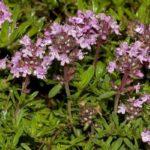
The benefits of traditional medicine are often praised even by experienced physicians. Herbs with healing properties are often used. Among the abundance of plants, Thymus latifolia (Thymus marschalliana) deserves special attention. This herb from the mint family is widespread in the temperate zone.
Features of this variety
The plant variety is characterized by the following distinctive features:
- Characteristic large inflorescences.
- The semi-shrub ripens at the end of summer (August).
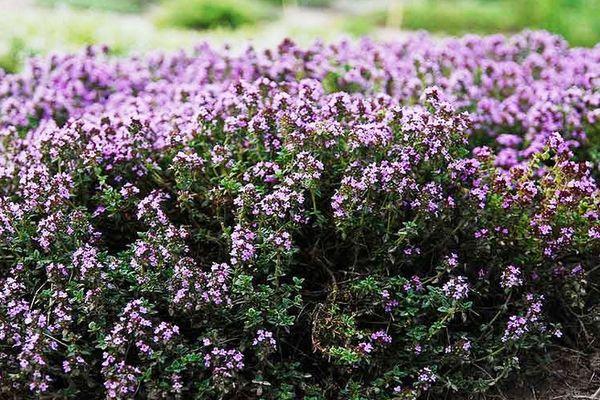
- The variety belongs to the semi-shrubs (10-35 centimeters in height).
- It is used in many branches of medicine and cooking.
- The fruits of this variety are used for disease prevention.
- Heals the body from various inflammatory diseases.
- Thyme is distinguished by its lushness when flowering.
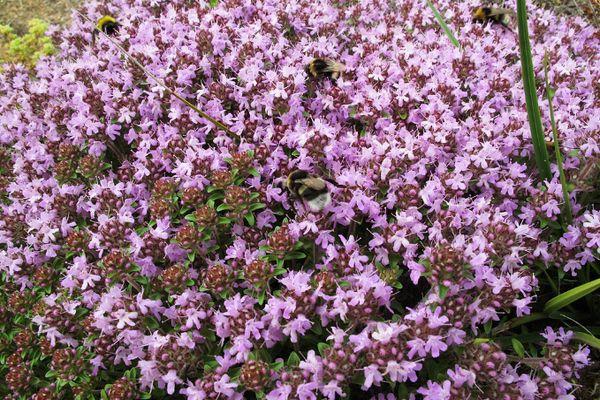
The presence of the distinctive properties of a semi-shrub contributes to the cultivation of this particular plant variety in the gardens of many amateurs.
The subshrub species has medicinal properties, but it is impossible to completely eliminate diseases without medication.
Useful properties of thyme
The incomparable benefits of this plant are truly appreciated not only by adherents of traditional medicine, but also by experienced doctors:
- helps fight toothache;
- used to eliminate acute respiratory diseases;
- lotions from the infusion help speed up the wound healing process;
- Thyme helps get rid of bad breath;
- The use of infusions helps in the fight against radiculitis;
- Often the decoction saves a person from a headache;
- often used in the treatment of whooping cough.
The fruits of this variety are also often used as essential oil in the production of perfumes.
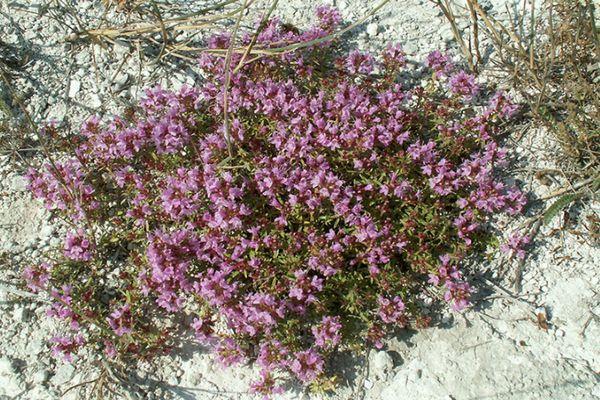
Due to the wide range of uses of the fruits thyme is often grown on their plots, and at the end of August they harvest and store it for the winter.
Special features of cultivation
When choosing Marshall thyme, pay attention to its distinctive characteristics. The following aspects are important:
- periods of planting seedlings;
- preparing a site for planting and growing;
- the direct process of planting the crop.
Each moment requires individual attention.
Planting periods
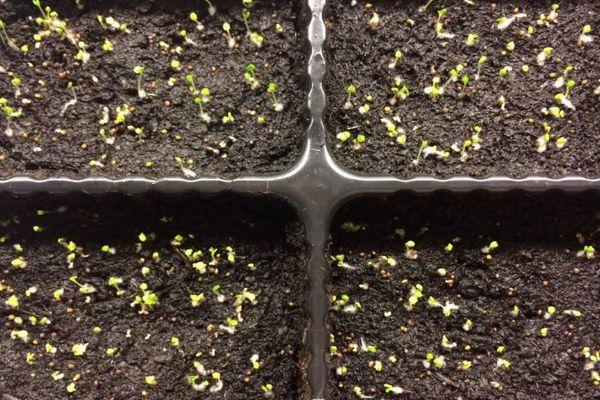
Planting seeds of this variety is done in the spring. Sow the seeds in the ground as soon as the last frost has passed; otherwise, the harvest may be lost. Planting requires sunny, warm weather to allow the seeds to quickly adapt to their new environment. If you plan to grow this perennial indoors, you can plant it at any time.
Preparing the landing site
The activities include the following actions:
- a deep hole is dug;
- to grow thyme, mix soil with sand in equal proportions;
- If seedlings are being planted, the roots must be carefully released;
- It is essential to feed the plant with a nutrient mixture.
Landing
When planting a plant, the following features must be taken into account:
- the optimal location for planting is selected;
- planting times must be taken into account;
- Feeding and abundant watering are mandatory.
When planting, seeds and seedlings are placed deep into the soil, as thyme has large roots.
Care
The procedure for caring for a semi-shrub includes a number of activities:
- timely watering;
- top dressing with a nutrient mixture;
- control of diseases and pests.
If the growing conditions are met, the plant produces excellent shoots of tasty greens.
How to water thyme
Once planted outdoors, thyme tolerates drought well. Frequent watering is not necessary, as the root system will begin to rot. Regular watering, using small amounts, is recommended.
Plant feeding
Marshall's thyme is an easy-to-grow variety that doesn't require constant feeding. This subshrub grows for many years, so feeding the mixture once a year is sufficient to ensure excellent fruiting.

Diseases and pests
The plant itself emits an aroma that is unpleasant to pests and insects, repelling them. Thyme's only real threat is excess moisture, which quickly causes the roots to rot.
Harvesting and subsequent storage of crops
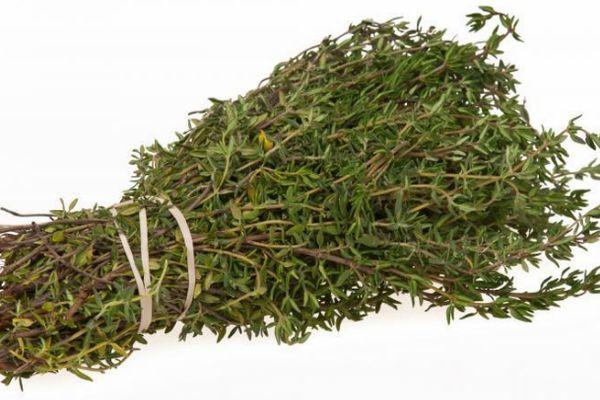
Harvesting for winter begins in August, when the fruits ripen and flowering ends. The harvest is collected in warm, dry weather and then dried to remove dew before being transferred to storage. The dried fruits have a long shelf life.
If you need the healing properties of thyme during the summer, there is no need to wait for the fruits to ripen, since the healing substances are also concentrated in the flowers and leaves of the plant.
Related posts:
 The main varieties and types of thyme with a description of how to grow thyme and its benefits
 Medicinal properties and contraindications of thyme for the human body, application
 Growing thyme from seeds and propagating by cuttings, planting and care in open ground
 Growing lemon thyme in pots and soil, planting and care, plant varieties
 How to grow thyme from seeds and cuttings at home in a pot, and care for the plant on a windowsill
 The best eggplant varieties for growing in a polycarbonate greenhouse: planting and care
 Growing thyme in the Urals: planting times, care, and pest control
 Description and characteristics of the best seeds of pea varieties and types