
A useful plant known in nature can be used in cosmetology, the food industry, and folk medicine. It's called lemon thyme; growing it doesn't require much physical effort and provides only positive effects after use. It's also known as thyme. The plant is a cross between flea thyme and common thyme.
Lemon Thyme: Description
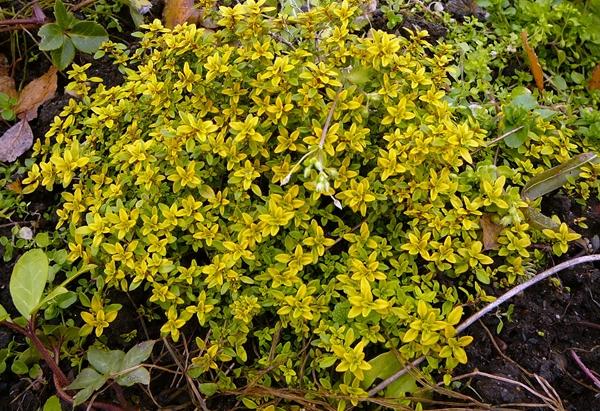
Lemon-scented thyme gets its name from its lemon scent. What's more, it's not just the flowers that smell lemony, but also the petals and stems.
This species of thyme can grow straight or spreading. The stem is covered with small, dense, and inward-curving leaves. The top of the stem is adorned with bell-shaped flowers, which form an inflorescence resembling a spike.
Lemon thyme is a perennial and grows naturally. However, temperature conditions are important. It doesn't like cold temperatures. In winter, thyme should be covered, as it only tolerates temperatures down to -18 degrees Celsius. If left uncovered for the winter, lemon thyme will only grow for one year and then die.
Varieties of lemon thyme
There are over 400 varieties of thyme. This is not surprising, as there are four popular types of lemon-scented thyme alone. Each of these deserves a closer look.
Donna Valley
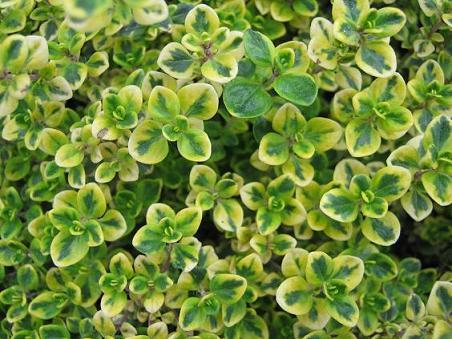
This variety of lemon thyme grows for years. Flowering stems range from 15 to 30 centimeters in height. The leaves are oval or egg-shaped. They are small and dark green. They have yellow spots on their surface.
The flowers are lilac, sometimes with a pink tint. The lemon scent is not overpowering, but it becomes very strong if you rub any part of the thyme.
Thyme blooms from June to July. The plant itself is drought-resistant, but does not tolerate standing water, especially for long periods. Donna Valley thyme is noted for its ability to quickly fill empty spaces, creating a luxurious carpet.
Donna Valley thyme is used not only as an ornamental plant but also as a spice blend, adding a distinctive flavor note. It pairs well with fish and meat.
Silver Queen
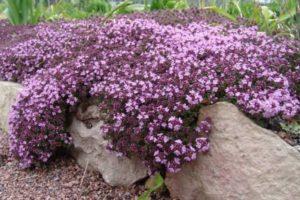
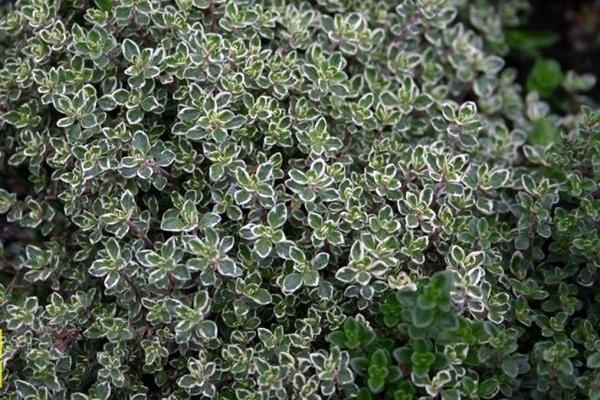
This lemon thyme variety has a distinctive appearance. It's not flashy. Silver Queen's leaves have a white edge. Stems reach 20 centimeters in height, with peduncles reaching 30 centimeters.
Silver Queen also grows in a carpet, but has protruding tubercles. This perennial plant reaches 80 centimeters in width. Its flowers are lilac. Its scent includes aromas of caraway, anise, and lemon. This combination attracts bees. This should be taken into account when planting.
Silver Queen is very useful not only in cosmetology. It is also used in medicine. For example, thyme tincture is used for pneumonia and bronchitis. Compresses made from leaves or stems help with gout, arthritis, and bruises, relieving pain. Silver Queen oil promotes wound healing and clears acne.
Golden Duarf
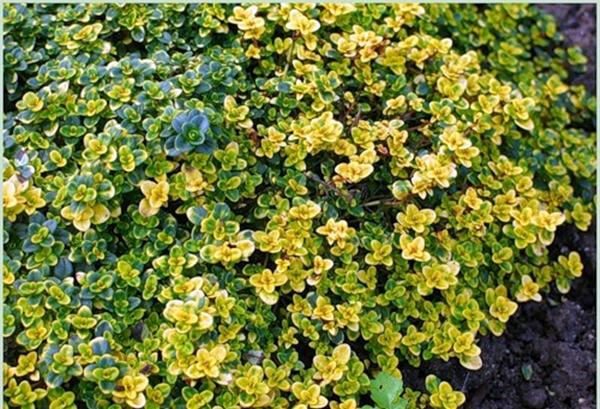
This variety is the same height as other lemon thyme varieties, but its coloring is bright green. The leaves themselves are 1 centimeter long, and the flowers are pink and very small. Golden Duarf has its own unique feature: it blooms from June to August.
Golden Duarf is distinguished by its high viability. It tolerates severe frosts and is undemanding of light conditions. It is pest- and disease-resistant. For successful growth, it requires only fertile soil.
Bertram Anderson
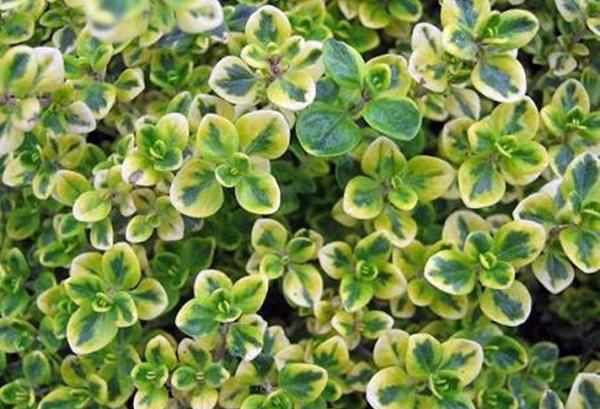
Bertram Anderson is used for ornamental purposes. It is short in stature. When it reaches a carpet-like height, it reaches no more than ten centimeters.
This variety of thyme has light lilac flowers. The leaves retain their golden color throughout the season. The plant itself is easy to grow, and prefers neutral soils.
Growing thyme from seeds in open ground
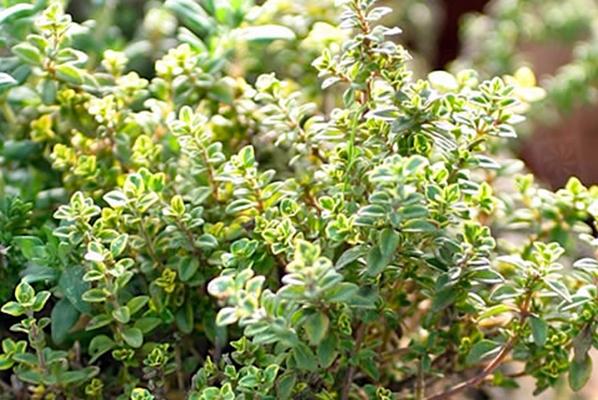
To begin large-scale thyme plantingsTo begin, you need to prepare the seedlings. For this, you'll need seeds. They're available at any flower shop. Ready-made seeds are usually sown in mid-March. They should be mixed with river sand (a 1:3 ratio) and then scattered over the surface of the substrate (the kind used for cacti is suitable). Black soil is mixed into this substrate (about a third).
There's no need to bury the seeds in the soil; simply sprinkle them lightly with sand and then spray them with water from a spray bottle. Cover the entire seeded surface with glass. Store the seeds in a dry, well-lit area.
Note: Seedlings are kept indoors for 60 to 70 days.
When seedlings emerge, the temperature of the environment where the crops are located should be reduced by a few degrees. The covering should also be removed, and the seedlings themselves should be sprayed with a spray bottle when the prepared soil begins to dry out.
In the second half of March, the seedlings should be planted in open ground. The bed should be in a sunny location. It's best to avoid planting in the shade, as the soil there will quickly become acidic and the thyme will die. The soil should preferably be neutral or alkaline, but at the same time, fertile. It's important to prepare it well: ensure it's well-drained. This will improve water flow through the roots.
In general, the soil should be prepared in the fall. This is when you can apply fertilizer. Compost is excellent. If you don't have it, you should add a fertilizer containing phosphorus and potassium. Also, remember to remove the roots of any plants that were previously growing in the area. Thyme should be planted 20-25 centimeters apart. Leave more space between rows—around 40-50 centimeters.
Growing a plant at home
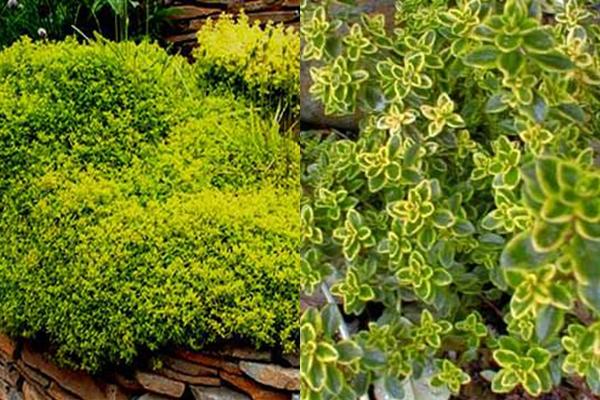
Planting thyme in a pot You can also use it. It will help decorate the room. Moreover, room temperature is ideal for thyme.
For planting, you'll need a flowerpot no more than 15 centimeters in diameter. Line the bottom with drainage material (3 centimeters thick is sufficient). Next, prepare the soil as described in the previous step. After that, simply sprinkle the seeds onto the prepared soil in the pot, cover them with half a centimeter of soil, sprinkle with water, and cover with glass. Avoid exposing the seedlings to direct sunlight.
Thyme has an amazing germination rate, so when sprouts appear, remove the glass. Water sparingly, as thyme tolerates drought well. Water the top layer only when it's completely dry. After two months, leave only the largest seedlings in the pot. Pull out the rest.
Tip: To ensure thyme grows richly and abundantly in a pot, prevent it from blooming. To avoid this, trim the leaves as often as possible.
Plant care
To ensure thyme grows well, you need to follow these rules:
- Loosen the soil. This will prevent water stagnation at the roots and allow more oxygen to penetrate.
- Fertilize only when the bed is being prepared. While the thyme is growing, fertilizer is not needed.
- Pruning should be done either in early spring or after the plant has finished flowering. At this time, shoots should be shortened by two-thirds of their length, just as they begin to harden. This is essential to ensure the bushes remain dense.
Take a look Also

As for watering, it should be done as infrequently as possible, since the plant copes much better with drought than with high humidity.
Harvesting
Thyme leaves are not harvested separately. The top portion, including the stem, leaves, and flowers, is cut off. Some of the plant should be left intact. In other words, the stem should be exposed. The plant should not be plucked, especially at the root, otherwise it will quickly die. It should be harvested just as it begins to bloom, which usually occurs in August.
When harvesting, thyme is dried. It should not be washed during this time, as it will rot. Washing is only necessary if you plan to freeze it. This is extremely rare, so it's the exception.
Drying can be done in special drying racks or by hanging them in warm, sunny rooms. Hanging them should be done almost to the ceiling. In addition to a warm temperature, the room should be ventilated, but not drafty. Otherwise, the thyme will not dry properly and will rot.
Several factors indicate that thyme is dry and ready to be used as a spice or medicine. First, the plant's stems will begin to crumble. Second, the leaves will darken, but their original color will still be recognizable. Third, when you touch a bunch of dried thyme, it will make a characteristic rustling sound, and some leaves will fall off.
Conclusion
Thyme is very beneficial. It can serve several purposes simultaneously: medicinal, decorative, and as a food additive. Therefore, it is essential to preserve it. Finally, it's worth mentioning that dried thyme keeps well in a glass container for up to two years.
Related posts:
 The main varieties and types of thyme with a description of how to grow thyme and its benefits
 Growing thyme from seeds and propagating by cuttings, planting and care in open ground
 Medicinal properties and contraindications of thyme for the human body, application
 Growing thyme in the Urals: planting times, care, and pest control
 Growing and overwintering thyme in open ground and greenhouses in the Moscow region
 How to store fresh thyme and how to dry it at home
 How to grow thyme from seeds and cuttings at home in a pot, and care for the plant on a windowsill
 Planting, growing, and caring for creeping thyme in open ground at home