
- Symptoms and signs of bush damage
- What diseases cause brown spots on leaves?
- Cladosporiosis – brown olive spot
- Anthracnose
- Ascochytosis - black mycosphaerella stem rot
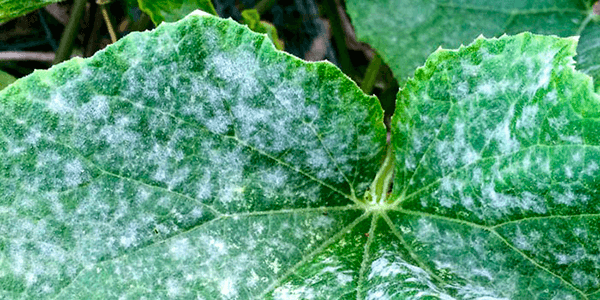
- Downy mildew – peronosporosis
- Angular spot
- Gray rot
- Bacteriosis
- Treatment of diseases
- Folk remedies
- Chemicals
- Timing and frequency of treatments
- Preventive measures
- Selecting disease-resistant varieties
- Fertilizers
- We organize competent care
To harvest cucumbers two weeks earlier, gardeners plant them in greenhouses. During cultivation, they encounter a problem: brown spots appear on the cucumber leaves, raising the question of how to treat them. Don't rush to treat your cucumbers with chemicals. Identify the symptoms and causes: disease, pests, poor care, or improper agricultural practices. Only then should you begin addressing them.
Symptoms and signs of bush damage
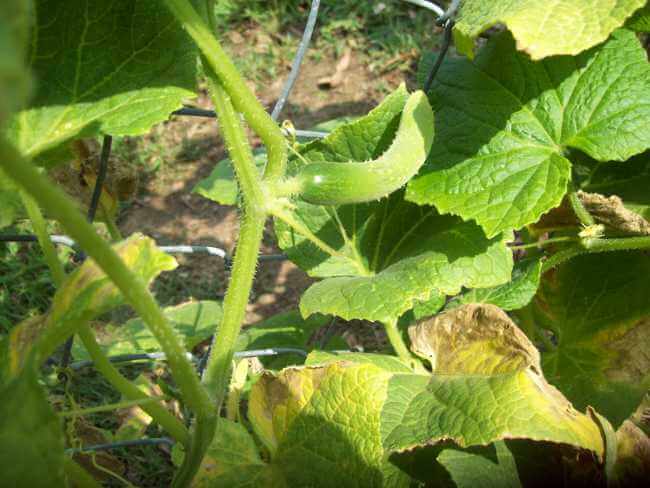
One of the reasons for the appearance of symptoms in the form of brown spots on cucumbers may be agronomic violations:
- unsuitable predecessors;
- incorrectly selected soil, planting location;
- lack of light;
- drafts;
- temperature changes;
- thickening of plantings.
The second reason for the appearance of spots is poor care: watering with cold water, not loosening the soil, not removing weeds, not fertilizing on time.
What diseases cause brown spots on leaves?
Leaves become spotted due to certain diseases:
- Fungal: anthracnose, cladosporiosis, ascochyta blight, bacteriosis.
- Bacterial: angular spot, gray mold.
- Viral: green mosaic.
- Pathogenic microorganisms infect with downy mildew.
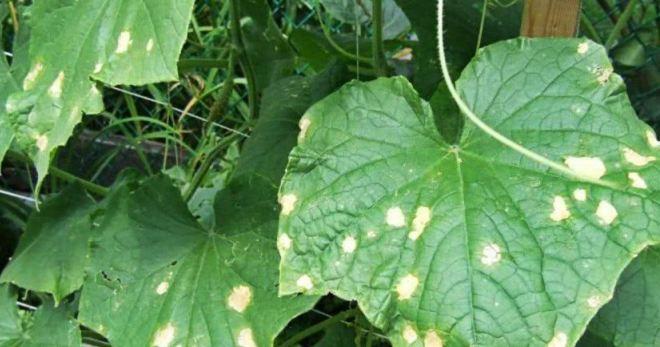
With intense infestation, the spots dry out, change color, crumble, and holes appear.
Cladosporiosis – brown olive spot
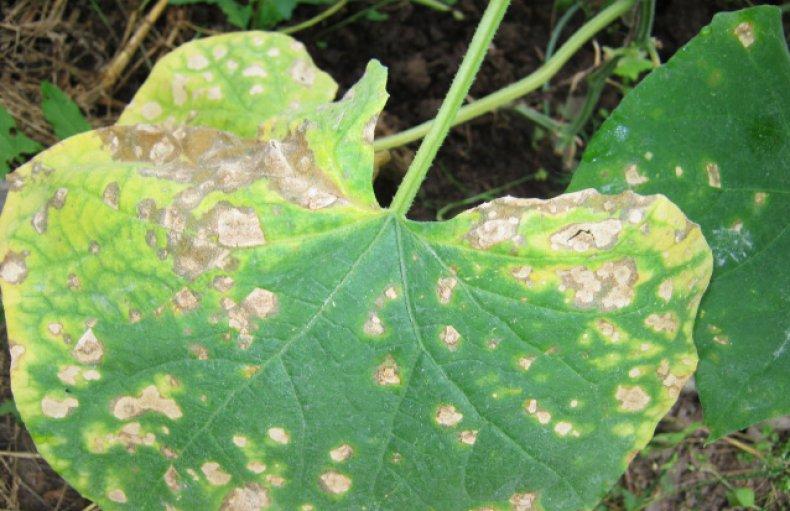
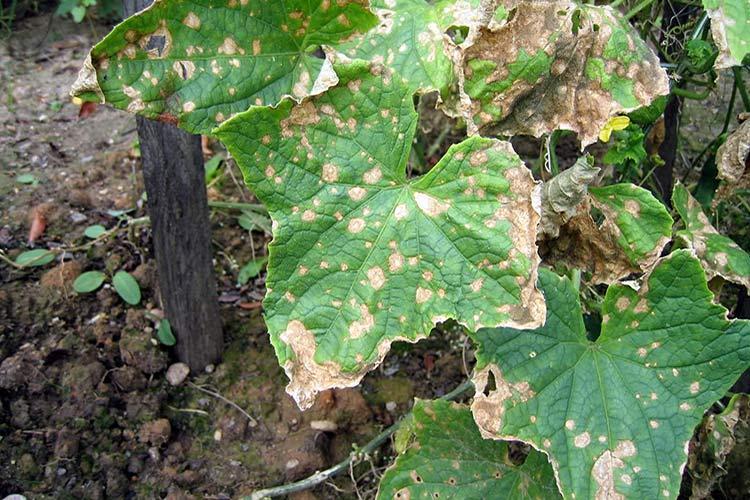
Cladosporiosis is easy to spot. In the first stage, the leaf margins become covered with angular spots. The brown color turns olive with a yellowish border. The stem, fruit, and leaves become covered with brown, wet ulcers. The underside of the leaf becomes covered with a web-like mycelium. Conidiospores appear at the tips of the mycelium. Initially in small numbers, they then begin to multiply, occupying a large area around the spot.
At one time, necrotic spots appear on the upper leaf blade, where conidiophores with brown conidia sit.
Both sides of the leaf become covered with a brown coating, and the holes enlarge. Intensive disease progression leads to leaf deformation. Under favorable conditions, with daytime temperatures of 30°C (86°F) and nighttime temperatures of 12°C (55°F), and humidity of 92%, the incubation period for Cladosporiosis is 4-5 days.
Anthracnose
The fungal disease anthracnose, or copperhead, is dangerous for cucumbers and other vegetables. The infection spreads quickly in high humidity and warm weather. Miniature light-brown spots appear on the leaves at the onset of the disease. The lower leaf is infected, and over time, the infection spreads to subsequent leaves.
The second stage of the disease is when small spots merge into larger circles. Photosynthesis is disrupted, and stems break. In dry weather, the spots dry out; in wet weather, they rot.
Ascochytosis - black mycosphaerella stem rot
Ascochyta leaf spot affects all plant organs. Leaves are affected during fruiting. The leaf margins become covered with brown, then yellow, pycnidia. These pycnidia are arranged in a linear or irregular pattern. Subsequently, the infected area dries out, and a rash develops. The holes reach 4-5 centimeters. In some cases, the holes cover most of the leaf. This leads to the death of the leaf blade.
Downy mildew – peronosporosis
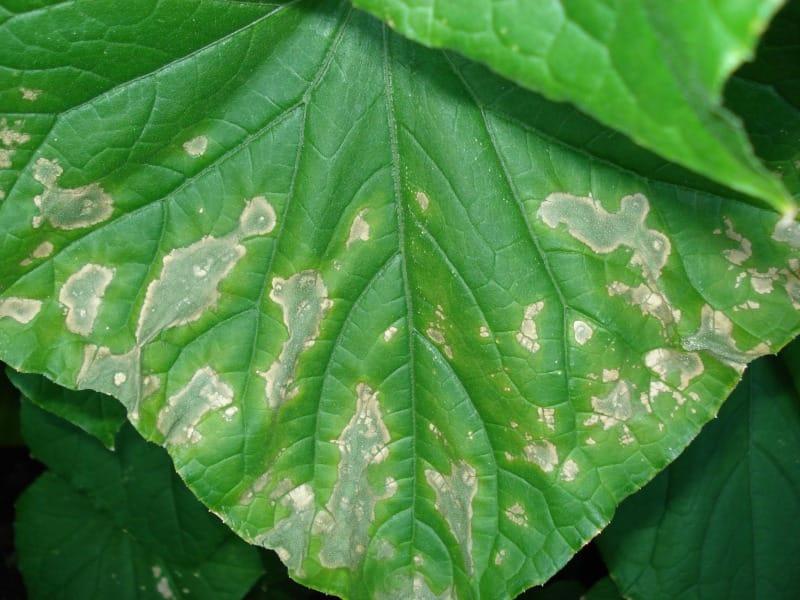
Cucumber foliage suffers from pathogens caused by downy mildew. The cause is simple: large differences between day and night temperatures, irrigation with unheated water, cold precipitation, and dew. The consequences are dire: the disease destroys most of the crop within 2-7 days.
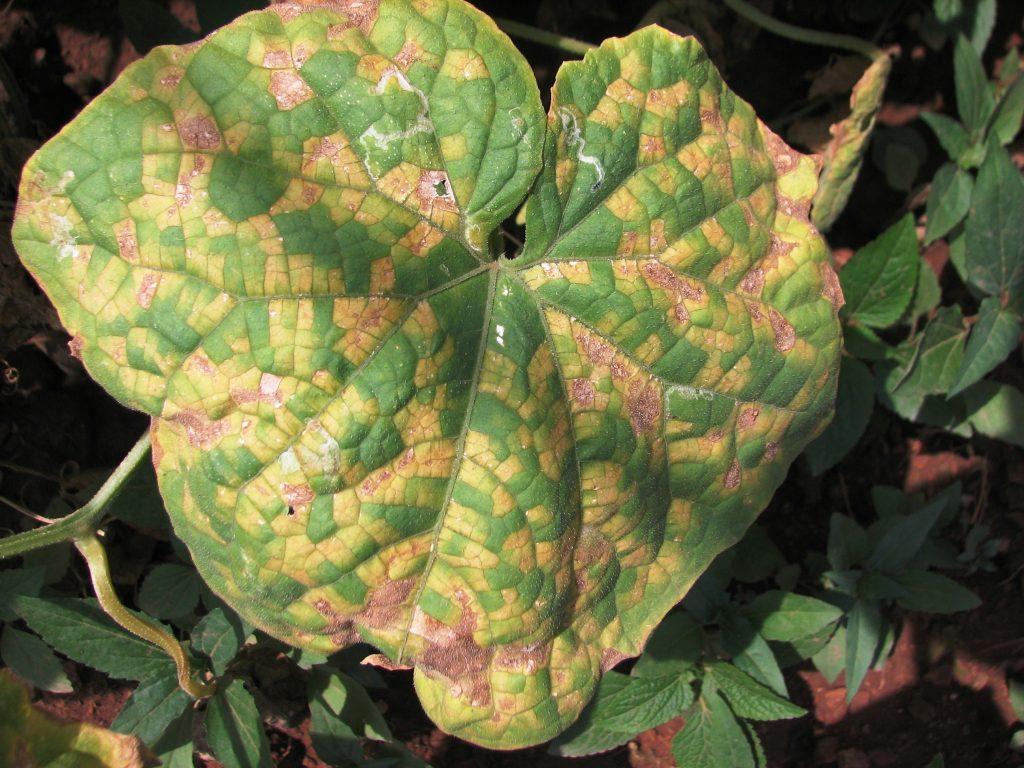
The underside of the leaf blade becomes covered with a gray layer, while the upper surface becomes yellowish-green. Black spores mature within. They can be seen with a magnifying glass. The spot continues to enlarge and change color. The leaves become deformed and fall off. Photosynthesis is disrupted, and nutrient deficiencies occur. The infection enters the soil via fallen leaves.
Angular spot
In the first stage, leaves become covered with dark green or brown angular spots. A humid environment triggers the formation of droplets of mucus on the underside of the leaf blade. The surface of the leaf blade becomes oily. Dry air dries the droplets, forming a gray crust. The tissue crumbles and falls out. Numerous holes form. A single leaf can have up to 50 holes between the veins. In severe cases, the leaf consists entirely of veins.
Gray rot
Gray mold is caused by low temperatures and overwatering. All areas of the plant become infected. Cucumber leaves become covered with brown, water-soaked spots. Over time, these spots merge and become covered with a gray coating.
Bacteriosis
Angular leaf spot is also known as bacterial leaf spot. Infection is possible at all stages of cucumber development. Leaves, flowers, cotyledons, and fruits are affected.
Treatment of diseases
Novice gardeners struggle with the idea of what to do when spots appear on cucumber leaves. There's only one answer: identify the cause and begin correcting the problem. Before using folk remedies or chemicals, create the right growing conditions:
- If it is cold in the greenhouse, close the windows, bring the air temperature to 20 degrees, and the night temperature to 18.
- Reduce humidity by ventilation.
- If the soil is overwatered, dry it out.
- Maintain a favorable microclimate.
- Disinfect the walls in greenhouses.
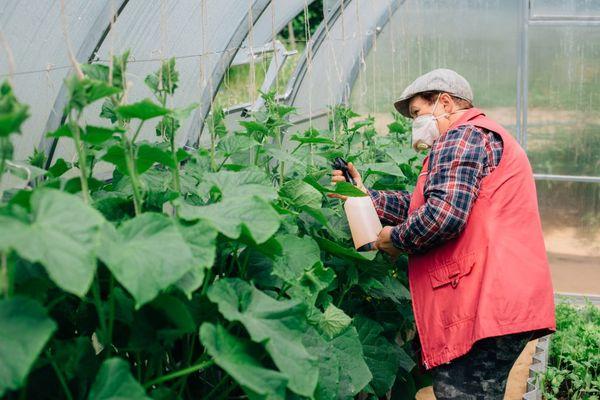
For preventive purposes, treat the planting material with a disinfectant.
Folk remedies
Folk remedies are effective against mild fungal infections. However, with severe infestations, eliminating the problem even with chemicals is difficult, if not impossible.
Downy mildew. Prepare a therapeutic solution: mix 10 liters of water with a tablespoon of mullein and urea. After thoroughly mixing, strain the mixture. Spray the solution at the first signs of symptoms, on warm mornings. Dust the area with sulfur in sunny weather. Close the greenhouse doors.
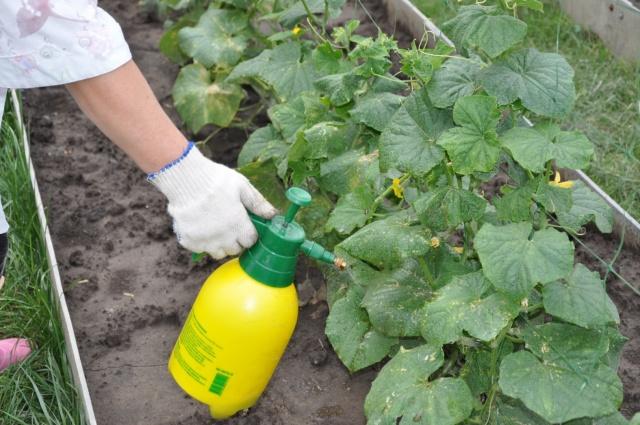
Gray mold. Temporarily stop watering, open doors and windows for ventilation. Remove infected leaves and fruit. Prepare a mixture of one cup of chalk and ash with one teaspoon of copper sulfate. Sprinkle the cut areas with the powder. Severely affected bushes are removed and burned.
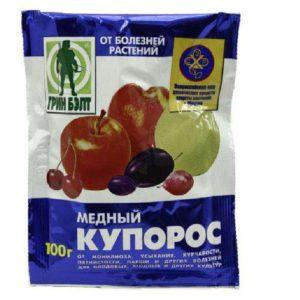
Cladosporiosis. At the first stage of the disease, prepare a solution: 20 grams of soap and the same amount of copper sulfate per 5 liters of water. Iodine, milk, brilliant green, and whey are used in solutions to prevent diseases, most often pests.
Chemicals
Cladosporiosis. At the first signs of the disease, plants are sprayed with Bordeaux mixture or Oxychom.
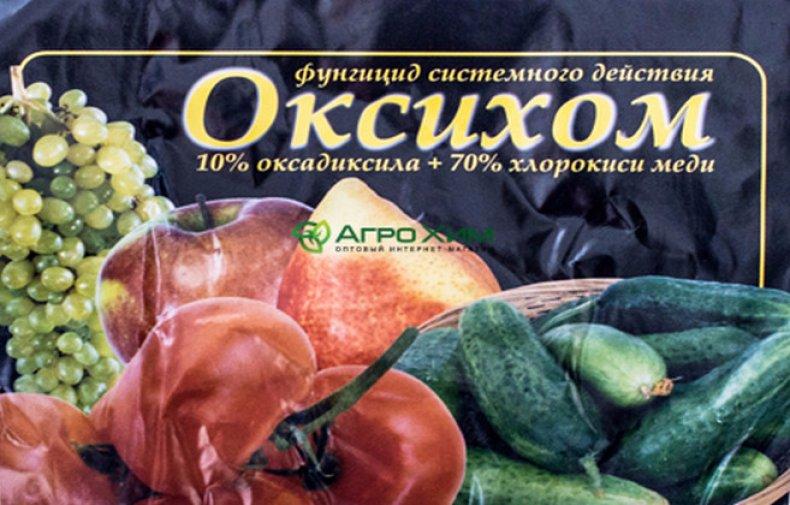
Anthracnose is treated with fungicides, Bordeaux mixture, and 0.4% copper oxychloride. Ascochyta blight. As a preventative measure or in the case of ascochyta blight, disinfect the greenhouse and spray the leaves with Bordeaux mixture or Quadris SK. Downy mildew is treated with fungicides (Previcur Energy). Infected and fallen leaves are removed before treatment.
Bacteriosis and angular leaf spot are treated with bactericidal and bacteriostatic fungicides such as Medyan Extra and Infinito. When using chemicals, wear protective clothing and a mask. Wash your hands thoroughly with soap after treatment.
Timing and frequency of treatments
Bordeaux mixture is used to combat fungal diseases. Treatments are repeated 3-4 times, every 10 days. Fungicides are applied at the first signs of symptoms, twice, with a 7-day break.
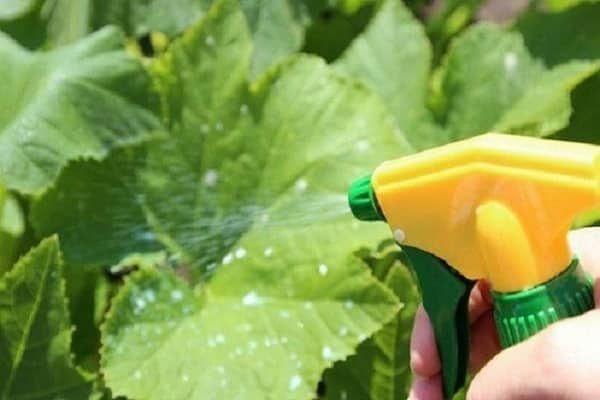
When planting, cucumbers are watered with Alirin-B + Gamair. Two tablets per 10 liters of water. The mixture boosts the plant's immunity.
Preventive measures
Prevention is better than cure. This is achieved through prophylactic use of biological products. These products do not disturb the soil balance, preserve beneficial bacteria, and do not affect human health.
List of biological products:
- Alirin-B – prevents fungal diseases.
- Gamair – protects against pathogenic microorganisms.
- Gliocladin – fights root rot.
- Trichodermin – prevents gray mold disease.
All biological preparations are applied during foliar feeding. An infusion or decoction of onion peel is sprayed every 7 days. This folk remedy acts as a fertilizer and protects against diseases. Seeds are treated with fungicides before planting.
Selecting disease-resistant varieties
Breeders continue to cultivate disease-resistant cucumbers. Among these are the following varieties:
- Delicatessen;
- Nezhensky 12;
- Competitor;
- Far East 6, 12.
Hybrids:
- Octopus;
- Diva;
- Lesha;
- Tom Thumb;
- Martin;
- Masha;
- Princess;
- Nightingale;
- Goosebumps.
Pay attention to the description of the variety and hybrid on the package when purchasing.
Fertilizers
Chemical fertilizers are replaced with natural products.
- The herbal infusion stimulates plant growth and is used as a fertilizer during the initial phase of the growing season.
- Use ash instead of potassium. Fertilizer is applied during the fruit setting period.
- During fruiting, cucumbers are fed with mash.
Natural fertilizers boost immunity, provide microelements, and make fruits more aromatic and delicious.
We organize competent care
The right planting location can be 50 percent effective in preventing diseases. Outdoor cucumbers prefer sunny locations free from drafts and cold winds. Greenhouses should be set up with access to light from all sides.Water with warm water. After watering, loosen the soil to allow oxygen to reach the root system.
Cucumbers are fertilized periodically: during growth, fruiting, and fruiting. Strong immunity prevents diseases. Treatment is carried out using folk remedies. Chemicals are used in extreme cases, as they can leach into the fruit. Humidity levels in the greenhouse are regulated.
Related posts:
 Description and treatment of potato diseases, methods of control using folk and chemical means
 Causes and treatment of eggplant pests and diseases, how to combat them at home
 Description of tomato diseases and their treatment, how to process them
 Why cucumber leaves are drying out and what to do, how to treat them in a greenhouse and in the ground
 Brown spots appear on the apple tree leaves. What is this disease and how to treat it?
 Why are cucumber leaves turning yellow on the windowsill? What to do and how to treat them?
 What to do if there are yellow spots on pear leaves: causes and treatment
 Why do cucumber leaves curl inward and what to do about it?