
- Pear rust: biological description of the disease
- Pathogen and source of infection
- Causes of the disease
- Provoking factors
- Distribution area
- Symptoms and signs of tree damage
- What is dangerous?
- What to do if there are rusty spots on pear tree leaves
- Mechanical processing
- Use of fungicides
- We use copper-containing preparations
- Fighting pear rust with colloidal sulfur
- Treatment of the disease with folk remedies
- Sanitary pruning of the affected tree
- What to do with affected foliage
- Preventive measures
- Choosing Resilient Pear Varieties
- Tips and advice from experienced gardeners
Yellow spots on pear leaves often appear unexpectedly, and it's important to know what to do if these symptoms occur. The problem doesn't resolve on its own and can progress rapidly. The rust fungus can spread to other crops in the area, potentially destroying the entire garden plot.
Pear rust: biological description of the disease
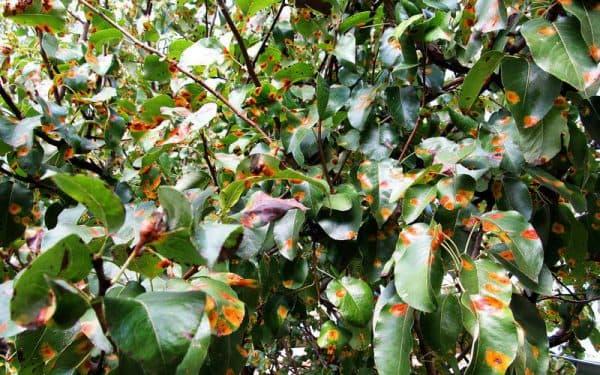
Rust is a common disease that damages leaves. The disease gets its name from the yellow and brown spots that form on the leaves, resembling rust.
Pathogen and source of infection
Rust is a fungal disease and can appear unexpectedly. It is often carried by another plant species. On pear trees, rust most often occurs when junipers are planted in the same area. Each plant produces fungal spores, which, once ripe, infect the healthy plant and can lead to its death. The spores are airborne, so they can infect plants over large distances.
Important: The fungus that attacks junipers changes when it comes into contact with pear trees and can infect junipers again. Therefore, these two trees should not be planted in the same area.
Causes of the disease
Rust diseases on pears can also occur for the following reasons:
- failure to maintain proper plant proximity;
- lack of immunity of the culture to fungal spores;
- improper plant care;
- Symptoms of fungus appear in the absence of timely fertilizing;
- prolonged precipitation, which can also cause the formation of fungal spores.
When buying seedlings from unverified sources, the planting material very often becomes a carrier of the disease. Spores can remain dormant. After exposure to moisture, they begin to germinate and infect the tree.
Provoking factors
Crops that lack immunity to diseases are most often susceptible to fungal infections. In summer, with frequent watering, the disease can manifest itself more intensely on young shoots; frequent rainfall can also trigger symptoms. Symptoms are most intense in July, when photosynthesis increases, and the presence of rust can lead to crop failure.
Distribution area
Most often, you can encounter rust on pears in the following regions:
- Krasnodar Krai;
- Crimea;
- Ukraine;
- Stavropol Krai.
However, if there are accompanying prerequisites, the fungus can manifest itself in different regions, affecting other types of crops.
Symptoms and signs of tree damage
Rust on pear trees has visible symptoms. Action is necessary as soon as the first signs appear, otherwise the fungus will quickly spread throughout the entire area. Symptoms include:
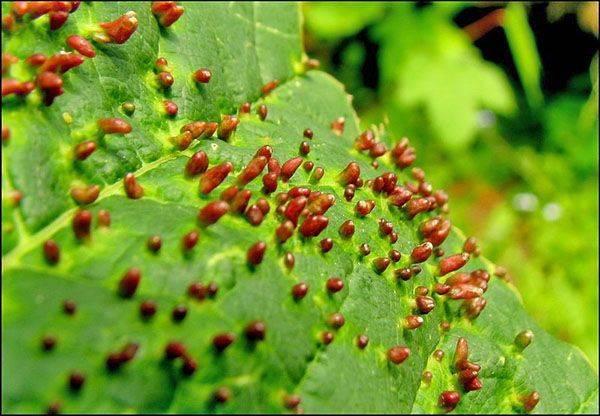
- Burgundy spots with small inclusions appear on the leaves; these symptoms indicate the progression of the disease;
- the presence of nipple-shaped growths on the back of the leaf;
- orange streaks on leaves and young shoots;
- red and brown spots form on the shoots;
- Over time, the spots become more numerous and the plant begins to wither.
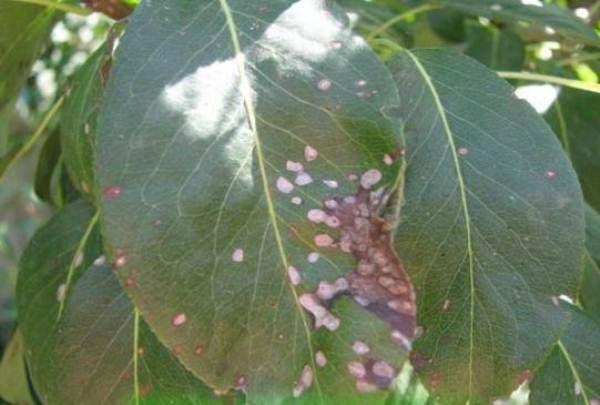
Symptoms on the tree are clearly visible, and gardeners are able to prevent further development of the disease throughout the entire garden plot.
What is dangerous?
On a young pear tree, these symptoms can lead to stunted growth and even death of the seedling. The spots disrupt normal oxygen supply, resulting in oxygen starvation.
If the pear tree is diseased, it is necessary to remove all the leaves that are covered with spots.
Otherwise, the spores will quickly spread throughout the plot. If symptoms appear on other garden crops, a comprehensive treatment of all trees is necessary, otherwise there will be no harvest.
What to do if there are rusty spots on pear tree leaves
When symptoms develop, various methods can be used to save not only the crop but also the tree. Rusty spots and spots can be removed using chemicals, selected depending on the age of the plant.
Mechanical processing
This treatment is used when the disease has only mild symptoms. To eliminate the disease, all affected leaves and shoots are removed. The cut areas should be treated with charcoal. If there is juniper in the adjacent area, special tree plantings are used to protect the pears from the fungus.
Use of fungicides
When symptoms of the disease accumulate, it is necessary to use special chemical preparations:
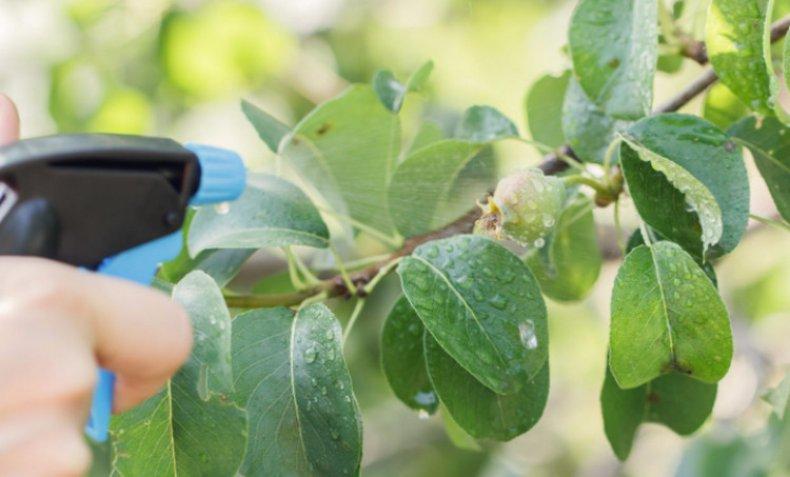
- use of special drugs such as "Skor", "Fundazol", "Bayleton";
- The tree must be sprayed in the evening or early in the morning;
- There should be at least 10 days between sprayings.
If precipitation occurs after spraying, the treatment is repeated.
 Important: Avoid using the same type of product. This often leads to addiction, and spraying is of no benefit.
We use copper-containing preparations
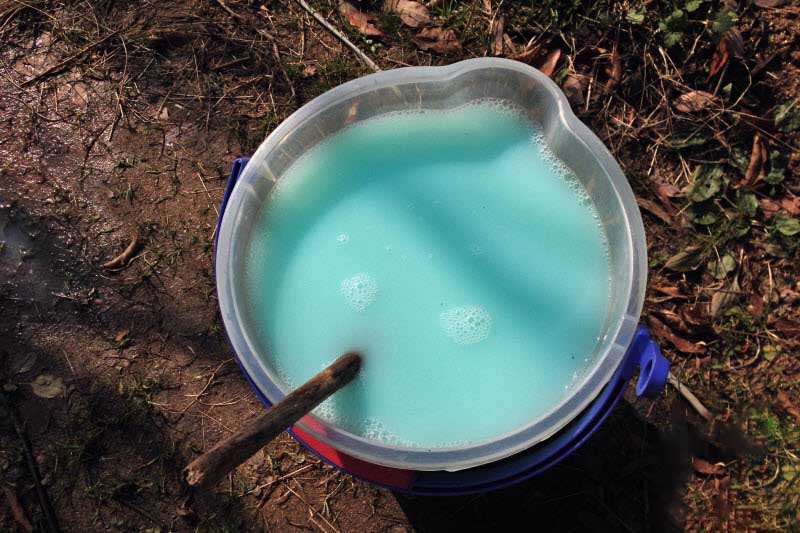
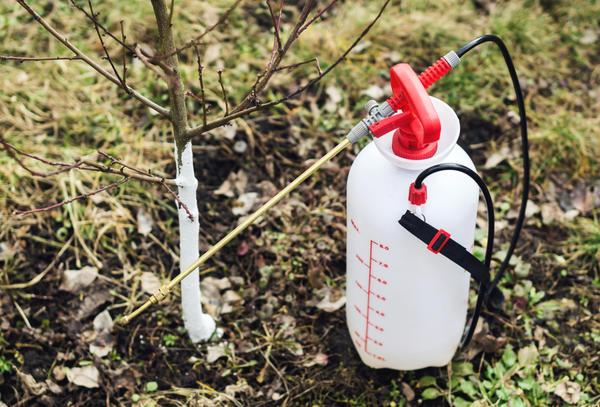
Copper-containing products prevent the development of fungal spores and destroy the fungus, stopping further infection. Bordeaux mixture is most often used to treat the disease, which is applied to the crop.
You can also fight rust using copper sulfate, "Bayleton".
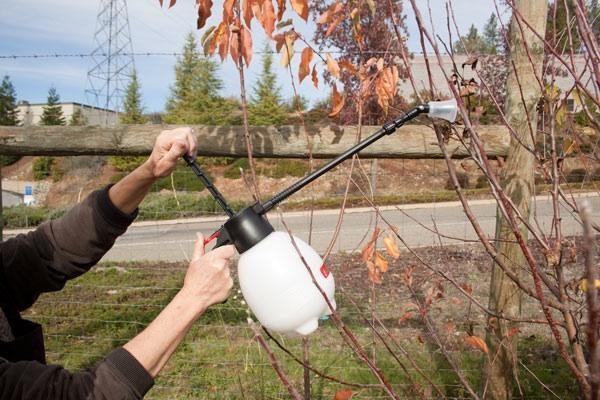
The wood is treated using a sprayer. To eliminate fungus, treatments should be repeated every 10 days.
Fighting pear rust with colloidal sulfur
Colloidal sulfur is an effective method for fighting fungus on pear trees. Treatment with sulfur produces steam, which kills the spores within a short period of time. The following treatment plan should be followed:
- the first spraying is carried out immediately after the snow melts;
- the second spraying is done before the buds form;
- sulfur is added before the ovaries appear;
- The last treatment takes place in the fall, when the harvest has been collected and the leaves begin to fall.
Regularly treating the pear with sulfur will remove the spores and prevent the problem from recurring.
Treatment of the disease with folk remedies
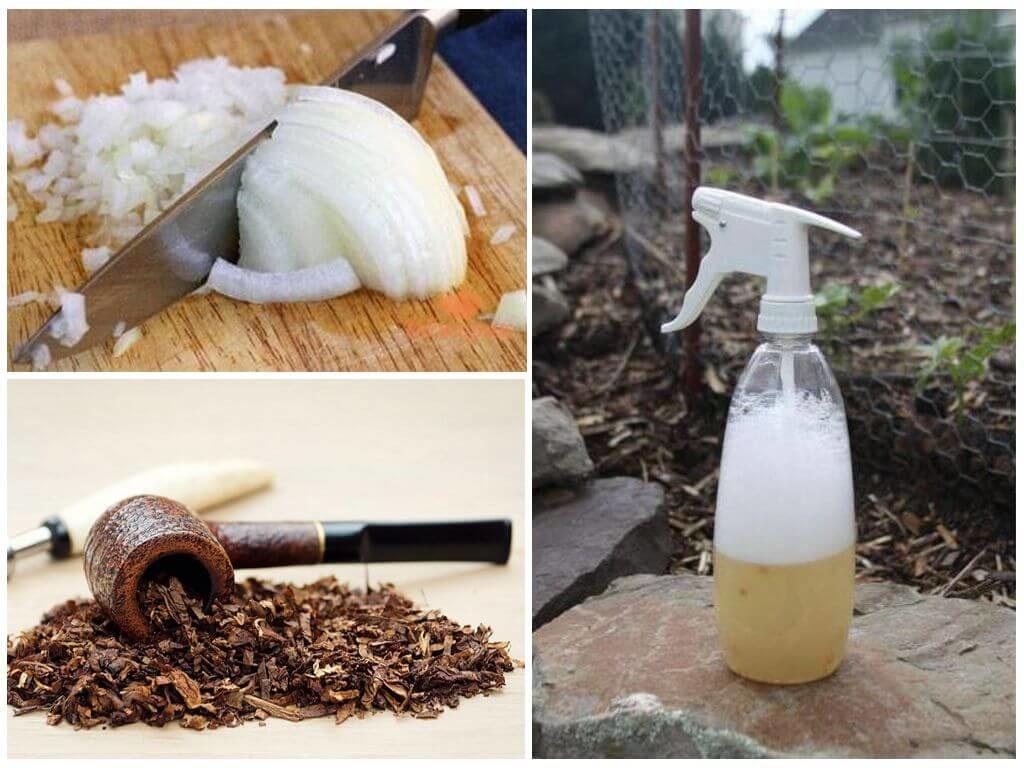
In the early stages of the disease, folk remedies for fungal removal can be used. These methods include:
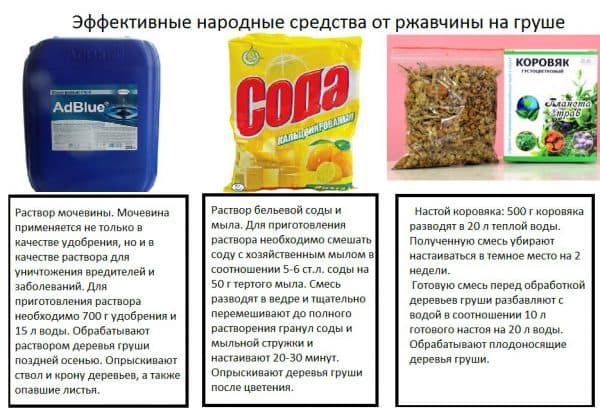
- You can treat pear rust using a urea solution. Dissolve 500 grams of granules in 15 liters of water. Let the resulting solution steep, then spray the pear every 5 days.
- Marigolds. Chop a kilogram of flowers and add 2 liters of water. Leave in a sealed container for 24 hours. Mix the resulting solution with 5 liters of water and spray the tree.
- Horsetail infusion. This plant has a detrimental effect on fungus. To use, chop a kilogram of the herb and add equal parts water. The resulting infusion is left for 24 hours, then diluted with 5 liters of water and sprayed.
- If the pear tree has recently been sick, you can use ash. To use, mix 100 grams of ash in 5 liters of water and apply. Add a tablespoon of liquid soap to the mixture.
If symptoms are severe, specialized chemical treatments are necessary. Traditional methods slow the progression of the disease and are therefore often used as part of a comprehensive treatment plan.
Sanitary pruning of the affected tree
If there are any affected areas, sanitary pruning is essential. All damaged shoots and leaves are removed. Use disinfected tools. The cut areas should be dusted with charcoal.
What to do with affected foliage
After pruning, infected foliage must be removed. This can be done by burning the foliage. Storing infected material is not recommended, as spores are airborne.
 Important: It is recommended to treat the soil around the pear tree with Bordeaux mixture to remove fungal spores.
Preventive measures
Preventative measures are the key to a healthy plant. To reduce the risk of rust, follow these recommendations:
- In the spring, before the buds swell, the tree must be sprayed with Bordeaux mixture, this will prevent the problem from occurring;
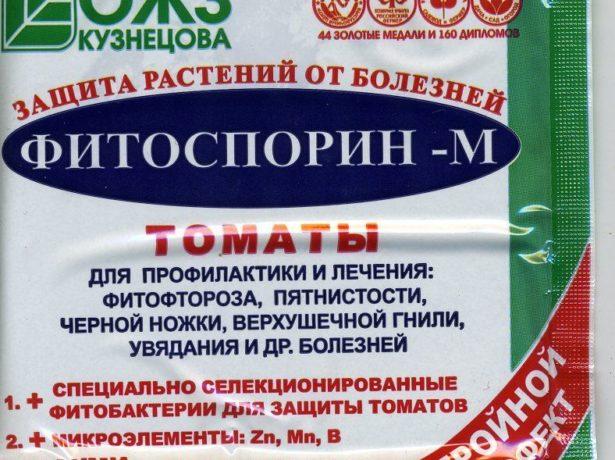
- Before flowering, it is necessary to treat the pear with special preparations, for example, Fitosporin;
- After the ovaries have formed, the pear is sprayed again with fungicides.
Preventive measures will reduce the likelihood of rust forming on the tree and protect not only the harvest, but also the crop.
Choosing Resilient Pear Varieties
When choosing pear seedlings for growing in the garden, it's important to choose varieties that are resistant to rust. These include:
- August dew;
- Fragrant;
- Summer Williams;
- Sorceress;
- Northerner;
- Tikhonovka;
- Chizhevsky.
With proper care, these varieties are not susceptible to diseases and are highly productive.
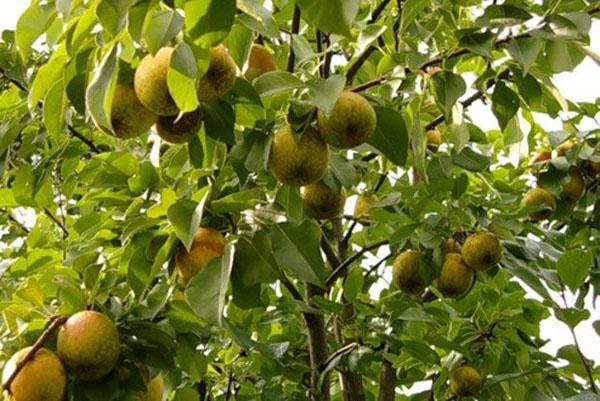 Important: Gardeners note that varieties that tolerate low temperatures and quickly adapt to new growing conditions are less susceptible to rust.
Tips and advice from experienced gardeners
Gardeners who have repeatedly encountered this problem recommend following these tips:
- If small numbers of spots are detected, control measures must be initiated immediately. The pear tree should be sprayed at least five times per season. The procedure should be repeated the following year, otherwise re-infestation may occur.
- Young pear seedlings should be watered with mullein. This fertilizer helps kill fungal spores. Mullein is diluted with water and immediately applied as a foliar fertilizer to the plant.
- Purchase seedlings from reputable sources to reduce the risk of encountering an infected tree.
- To treat young seedlings against rust, you can dust them with wood ash.
Rust on mature wood can go unnoticed for some time. Therefore, taking preventative measures will help prevent the problem in the future.
Rust attacks crops in a short time. To combat the problem, specialized chemicals are used that destroy the fungal spores. Spraying the crop preserves its flavor and prevents further spread of the fungus.
Related posts:
 Diseases and pests of home lemons, treatment options, and solutions
 How to combat powdery mildew on onions using folk and chemical remedies
 Causes and treatment of anthracnose on grapes, how to treat and combat it
 How to properly plant peas in a greenhouse and open ground
 How to plant grapes step by step, with a description of the process and care
 Description and treatment of potato diseases, methods of control using folk and chemical means
 How to control onion flies using natural and chemical methods
 How to propagate and grow peas, cultivation technology, and care in open ground