
- Signs of seedling disease
- Yellow veins on leaves
- Leaf curl
- The seedlings wither and fall
- The main diseases of cucumbers and methods of their treatment
- Fungal infections
- Root and basal rot
- Gray rot
- White rot
- Anthracnose
- Pathogenic fungi
- Downy mildew
- Angular spot, or bacteriosis
- Olive spot
- Alternaria leaf spot
- Ascochyta blight, or black stem rot
- Sclerotinia
- Powdery mildew
- Bacterial wilt
- Blackleg
- When and how to carry out preventive treatments
Growing cucumbers from seedlings isn't always a smooth process. Tender young seedlings are sensitive to changes in temperature, humidity, and light. Even minor deviations in growing conditions can affect the plants. This leads to the emergence of cucumber seedling diseases, which often lead to the death of the seedlings.
Signs of seedling disease
Cucumber seedling diseases can be identified by certain signs. Symptoms most often appear as spots on the leaves. Less commonly, the stem or root is affected by pathogenic microorganisms. Root rot is caused by excessive soil moisture. Excessive moisture in the soil leads to oxygen deprivation of plant tissue, leading to the development of infections in cucumber seedlings.
The problem also arises with high humidity and temperature fluctuations in the room where the seedlings are developing. Changes in the seedlings' appearance will signal that the plant needs better conditions.
Yellow veins on leaves
If yellowing appears on the leaves of cucumber sprouts, this is due to the fact that:
- little space in the container;
- not enough useful minerals in the soil;
- the air temperature is too low;
- there is not enough light;
- the seedlings are affected by fusarium, powdery mildew, or are infested with spider mites or aphids.
Veins turn yellow due to a magnesium deficiency in the soil. Light spots near the veins are typical of downy mildew. Other infections cause the leaf to turn completely yellow and dry out.

Leaf curl
Young cucumbers have to adapt to the conditions they find themselves in. When there is not enough moisture, it is necessary to reduce the evaporation area of the leaf. Leaf blades curl. This symptom is also associated with certain crop diseases. In advanced stages of downy mildew, leaves also curl and fall off.
The seedlings wither and fall
Fungi that multiply in the soil cause seedling death. Damage to the root system causes the tops of the plants to wilt. The stems then break, and the cucumbers die. Inspection of the plants reveals necrotic areas on the stems, preventing nutrients from reaching the leaves. This leaves the plant without healthy seedlings.
The main diseases of cucumbers and methods of their treatment
Whether cucumber seedlings are grown indoors or in a greenhouse, infections lurk everywhere. They enter the plant through contaminated seeds, soil, and air. The indoor microclimate can create favorable conditions for pathogens. Humidity above 90%, stuffy temperatures, and heat can all contribute to the development of diseases in cucumber seedlings and mature plants.
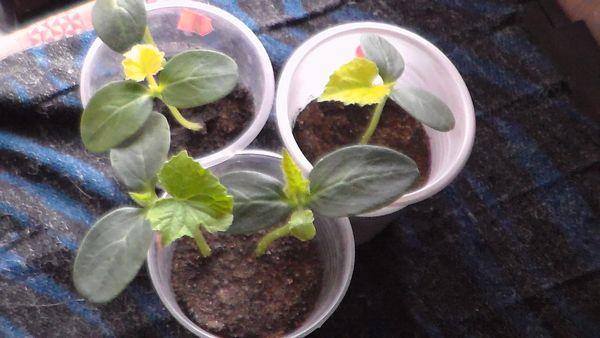
Fungal infections
Fungi are the main cause of vegetable crop diseases. They can live in seeds and soil. If disinfection is not carried out before planting, seedlings become infected. Each disease has its own symptoms. It's important to know them to identify the problem and treat it appropriately.
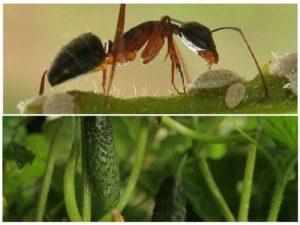
Root and basal rot
The pathogen that causes rotting processes in plant roots and stems lives in the soil. Pathogens can also be found in cucumber seeds. Fungal growth accelerates when seedlings are kept in a cool, damp environment. Watering seedlings with cold water facilitates the spread of the pathogen. High levels of nitrogen in the soil promote its activation.
Signs of infection include:
- the appearance of cavities around the vascular bundle;
- browning of roots;
- tissue detachment;
- cracking of the underground part of the seedlings.
Externally, the disease is identified by dark brown spots near the basal collar, chlorotic and necrotic areas on the leaves, and the lower part of the stem begins to grow.
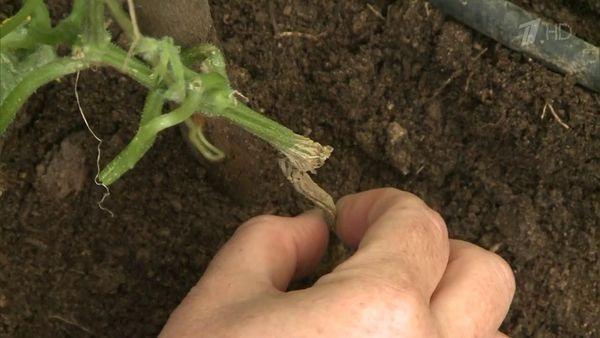
Plants can be saved by replanting them in a different container. Damaged seedlings are best destroyed. If the disease has just begun, sprinkle the stems with crushed activated charcoal or wood ash. Fungicide treatment is effective.
Gray rot
Gray mold affects all parts of cucumbers, from leaves to flowers and fruits. The main symptom is water-soaked spots with a fluffy gray coating. Black spots on the coating indicate fungal sporulation.
Infection occurs as a result of poor soil management and greenhouse construction. Sclerotia enter plant tissue through garden tools and water.
When gray mold attacks a mature plant during fruit set, the harvest will be ruined. It's important to notice the signs of the disease quickly to ensure successful treatment:
- It is necessary to reduce the humidity level in the greenhouse in time and stop watering.
- Treat diseased seedlings with an antiseptic such as Topaz. One ampoule per 10 liters of water is sufficient.
- One folk remedy that helps is whey. Mix 1.5 liters with 3.5 liters of water, adding half a teaspoon of copper sulfate.
- If the disease is advanced, remove the damaged parts of the cucumbers. Sprinkle the wounds with crushed activated charcoal.
- When the bush is completely covered with gray mold, it is better to pull it out and water the soil with a solution of potassium permanganate.
Thinning the seedlings will help prevent the disease.
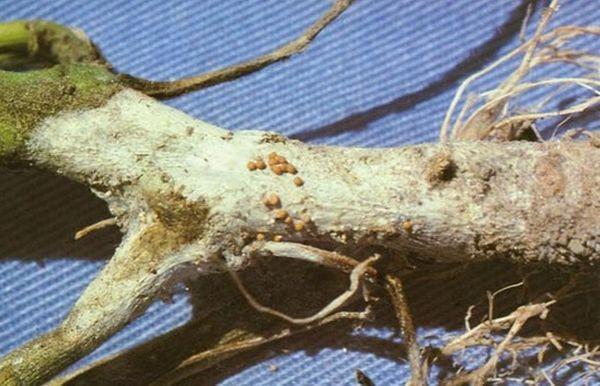
White rot
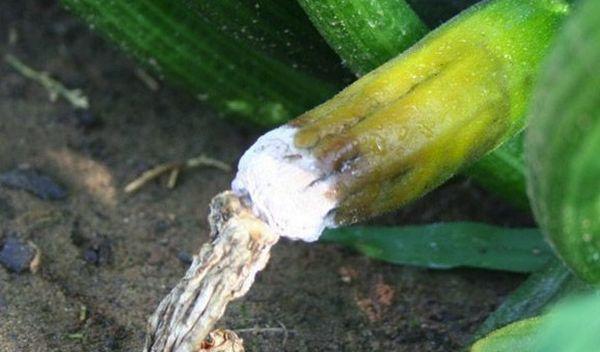
One of the most dangerous diseases is easily treated. If fuzzy white patches appear on the lower parts of cucumber stems, this is a mycelial bloom. Once it disintegrates, it causes the stems to dry out, and the leaves to droop and become limp. The fungus then moves up the stems, damaging further areas.
Factors that contribute to the spread of infection include:
- dense plantings;
- temperature changes;
- stuffiness in the room;
- humid air.
The source of fungal infection will be contaminated soil and plant residues not removed after harvesting.
Treatment of cucumber plants begins by removing affected parts. You can dust the plants with chalk, incorporating copper sulfate crystals into the powder. Treatments such as Bayleton and Euparen are also helpful. The latter can be used when cucumbers begin to bear fruit. Tar soap infusion and dusting with a mixture of wood ash and copper sulfate are also effective.
Anthracnose
The main symptom of the disease is spots on the leaves. The spots are round and yellowish-brown in color. They then dry out and crumble. The fruit develops ulcers with a pink or coppery coating. As the disease progresses, the affected areas turn black and harden. The fruit is bitter in taste and quickly rots.
Stems and petioles also become covered with pinkish spots, indicating fungal activity. High temperatures and humidity are favorable for its development.
At the first signs of anthracnose, spray with Bordeaux mixture. Cucumber seedlings can also be treated with a copper sulfate solution. Recommended fungicides include Zineb and Tsiram.
Pathogenic fungi
The diversity of pathogenic fungi has led to them causing serious diseases in all types of garden plants. Their pathogenic effects affect both mature vegetable crops and seedlings. Pathogens that cause powdery mildew are particularly common.
A number of external conditions are required for fungi to reproduce by spores. They thrive in a humid environment. It's best if the air temperature is also high, although they can tolerate some cold temperatures, but only for a short time.
Greenhouses, where air quality is uncontrolled, create optimal conditions for disease development. Once established in plants, fungi become active when favorable conditions arise.
Downy mildew
Description of the infectious disease includes the presence of the following in cucumber plants:
- spots of indefinite shape and yellowish color on the leaves;
- on the lower part of the leaf there is a grey coating;
- curling of leaves;
- its falling from the stems.
If treatment is not carried out, the seedlings die.
Start by stopping watering and fertilizing. Spray diseased seedlings with Oxychom solution. Control the disease by treating with Pseudobacterin (2 tablespoons per bucket of water).
Angular spot, or bacteriosis
All parts of the cucumber plant are affected if the pathogen, a bacterium of the genus Pseudomonas, has taken up residence in the greenhouse. The disease is identified by angular spots bordered by veins. The underside of the leaf becomes covered with watery droplets, a site of bacterial accumulation.
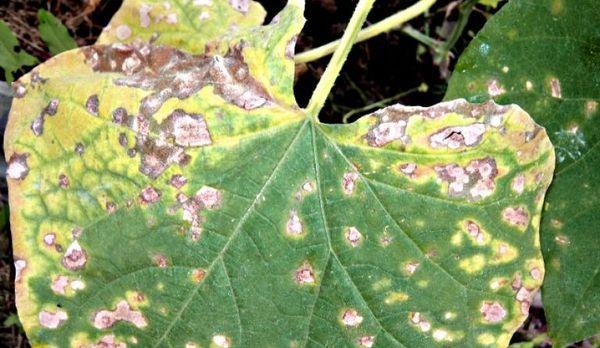
The spots are spread by rain, wind, and gardeners' hands. If the weather is dry, the spots dry out. Dead tissue falls from the leaf. Similar signs of the disease are visible on cucumbers.
Infected parts of cucumbers must be destroyed quickly to save the remaining plants. Both fungicidal preparations and a traditional method of controlling the disease using a solution of laundry soap are used.
Olive spot
This type of infection is typical for mature crops. Infection can be identified by spots on the fruit. The fruits become distorted and lose their marketable appearance. They become covered with greenish-yellow spots, which then ulcerate, penetrating into the flesh.
In open ground, cucumbers become ill when cold weather sets in. In greenhouses, this occurs when the air temperature drops to 15-17 degrees Celsius and humidity reaches 90%.
Ventilation of the room, temperature control, and burning of plant waste help prevent the occurrence of the disease.
Alternaria leaf spot
Dry spot affects crops grown in greenhouses. Due to high humidity and heat, raised brownish spots appear on the leaves. Over time, the spots expand, covering the entire leaf blade. The fungus begins sporulating once it has spread indoors. Sclerotia remain in cucumber seeds and leaves. If left untreated, cucumbers will be infected the following year.

To get rid of the disease, spray with Bordeaux mixture or "Oxychloride." Apply three times, 10-14 days apart.
Ascochyta blight, or black stem rot
Greenhouse crops are more frequently affected by Mycosphaerella stem rot than those grown outdoors. The pathogen can destroy weakened cucumber seedlings. The infection begins with lesions on the stems, where greenish spots appear. This gradually progresses to affect the leaves, petioles, and ovaries. As the stems dry out, yellow spots appear on the leaves. After the shoots crack and fray, the leaves dry out completely. Black pycnidia on them indicate sporulation of the fungus. Fruiting from a diseased plant is impossible.
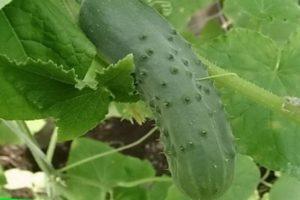
The active ingredient in Topaz can stop the disease. The solution acts quickly. It is prepared by mixing 1 milliliter of the solution with 2 liters of water. It is applied at the seedling stage. Rovral paste is applied to infected areas of the fruit. The solution stops the spread of spores in the greenhouse.
Sclerotinia
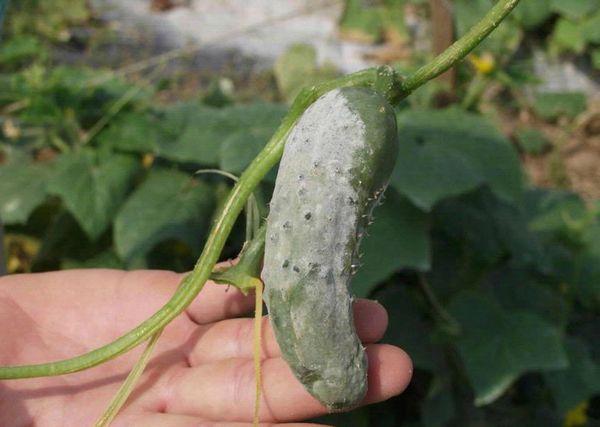
The entire vegetative system of cucumbers, including their fruits, is susceptible to infection if planting and care guidelines are not followed. The infection begins with a whitish coating on the tissues, which then softens. Rotting processes intensify even with normal humidity and air temperature. Fungus typically appears in areas where soil and greenhouses are not disinfected.
Powdery mildew
One of the most common diseases of garden plants occurs on cucumbers when:
- the soil is swampy;
- increased air humidity;
- cucumbers grow densely;
- the watering frequency is not correct.
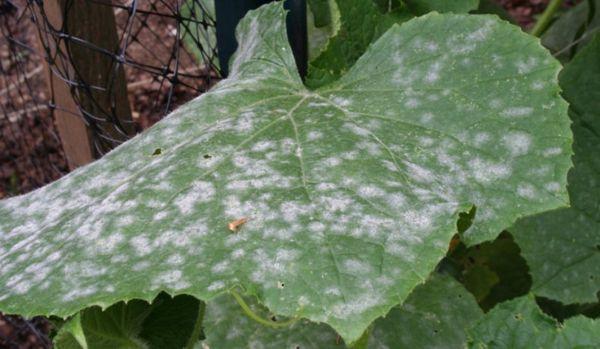
The main signs of the disease include whitish spots on the leaves. The entire surface of the leaf appears to be covered in flour. You can immediately treat the vegetable plantings with a mullein solution. Copper-containing products are effective against powdery mildew.
Bacterial wilt
Symptoms of the disease are similar to root rot. The stem tips of seedlings wilt, then the plant begins to dry out. Leaves droop and wither. When cutting shoots, rings of necrotic tissue and constrictions are visible. Diseased seedlings should be destroyed, and healthy ones should be sprayed with fungicidal solutions or Bordeaux mixture.

Blackleg
Without disinfecting the soil before planting cucumber seeds, the risk of black leg disease increases. The plant dies quickly because the stem turns black, dries out at the base, and nutrients are blocked from reaching the seedlings. Timely application of wood ash to the soil will prevent the disease. It is recommended to add sand to the roots of the seedlings to prevent their growth.
When and how to carry out preventive treatments
You can grow healthy cucumber seedlings by carrying out a number of measures such as:
- treating seeds before planting with a solution of potassium permanganate or boric acid;
- compliance with the cucumber planting scheme;
- use of individual containers;
- spraying with Bordeaux mixture.
Seed treatment is carried out in advance. The planting material is soaked in Baktofit or Trichodermin. 5 grams of the product is needed per 100 grams of seeds. The biological product can be added to the soil after planting.
It's best to water the soil with boiling water or bake it in the oven a week before planting. Leave it for 7-10 days before planting to allow it to absorb beneficial microorganisms.
Related posts:
 Description of unusual methods for planting and growing cucumbers
 Description of the best varieties of Chinese cucumbers, planting, growing and care
 How to properly plant cucumber seedlings in a greenhouse and care instructions
 Why do cucumber leaves curl inward and what to do about it?
 How to care for cucumbers in open ground from planting to harvesting
 Causes of cucumber diseases in open ground and how to combat them
 How to properly plant cucumbers in open ground with seeds, and at what depth
 How to plant cucumbers in open ground under film: timing and cultivation technology
Good afternoon, I would like to know if it is possible to obtain information on fungicidal solutions, Bordeaux mixture, and other medications, including their interchangeable names in English, so that I can purchase them in the USA.