
- The role of cabbage leaves
- Should I pick off the lower leaves of cabbage?
- In what cases is removal required?
- Preventing rot
- When cracking heads of cabbage
- Extending the life of early cabbage varieties
- In case of vascular bacteriosis
- Saving crops from cutworms and cabbage flies
- The Pros and Cons of Removing Cabbage Leaves
- When should removal be performed?
- Rules for trimming the lower leaves of a cabbage rosette
- Break off, cut off or tear off?
- Tips and recommendations from experienced gardeners
Beginning gardeners often face the question of whether they should remove the lower leaves from cabbage. Opinions vary, so it's important to familiarize yourself with all the nuances of the process.
The role of cabbage leaves
The lower leaves of cabbage are an assimilative element essential for a good harvest. Nutrients from them are absorbed into the inner leaves of the cabbage head, promoting vigorous growth. This also increases the dry matter content of the cabbage. The waxy coating on the surface of the leaves provides protection against pests, diseases, and mechanical stress.
Should I pick off the lower leaves of cabbage?
When cabbage heads are developing normally, there is no need to remove the lower leaves.They contain a large amount of vitamin C, so removing the leaves will result in a depleted crop and a lack of this beneficial component. Furthermore, the heads will lose their natural protection from external influences. Why remove the leaves and is it worth the risk are logical questions that many gardeners have.
This need arises in certain cases and, on the contrary, has a positive effect on crop yield.
In what cases is removal required?
There are several cases in which forcibly forming cabbage heads is beneficial. To grow a successful crop, it's important to carefully examine each case.
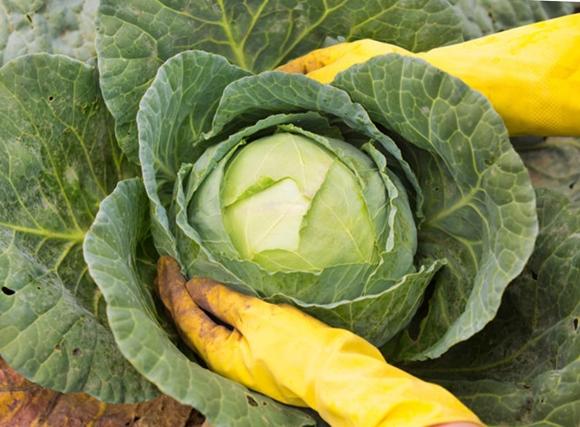
Preventing rot
Sediment and water from garden irrigation often accumulate on the surface of the lower leaves, which can trigger rotting. To prevent the rot from spreading to the heads, gardeners trim off excess greenery.
When cracking heads of cabbage
Early cabbage varieties Cabbage heads often begin to split while growing along with the leaves. Cutting them off will slow down the development of the head slightly, preventing it from splitting. However, this method isn't the most effective, and there's an alternative solution. To keep the heads intact, you can gently lift them out of the soil and twist them sideways. This process also slows growth and helps maintain their integrity.
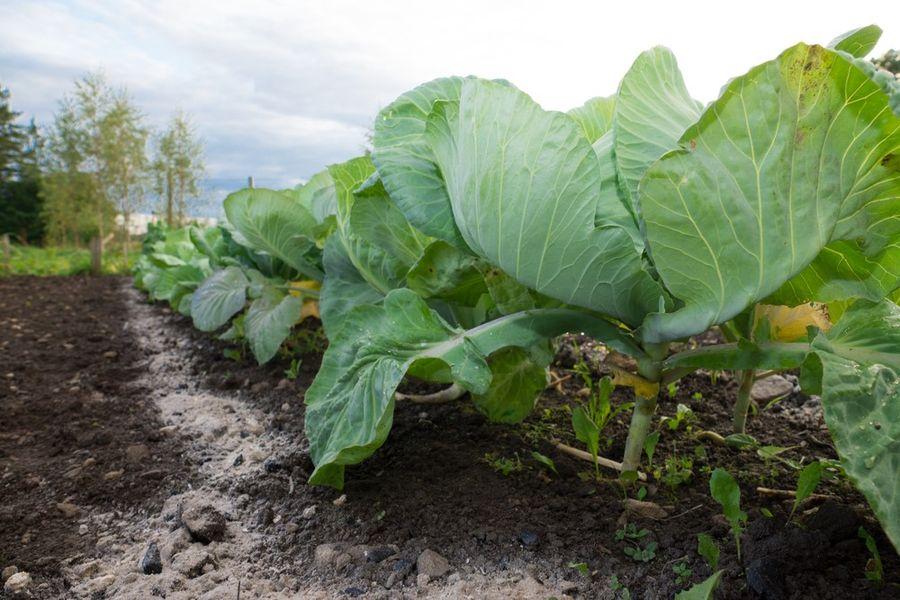
Extending the life of early cabbage varieties
Since the absence of lower leaves delays the development of the heads, this helps keep them in the garden longer. If processing is not possible or suitable storage conditions have not yet been created, it is recommended to extend the life of the vegetable artificially.
In case of vascular bacteriosis
Signs of vascular bacteriosis can be detected by inspecting the crop. Plants will begin to turn yellow from the underside, and dark spots and black spots will appear on the surface of the leaves. To stop the spread of the disease, it is necessary not only to remove the leaves but also to completely remove the affected plant. If the plant is not detected and destroyed promptly, the disease will spread to neighboring crops.
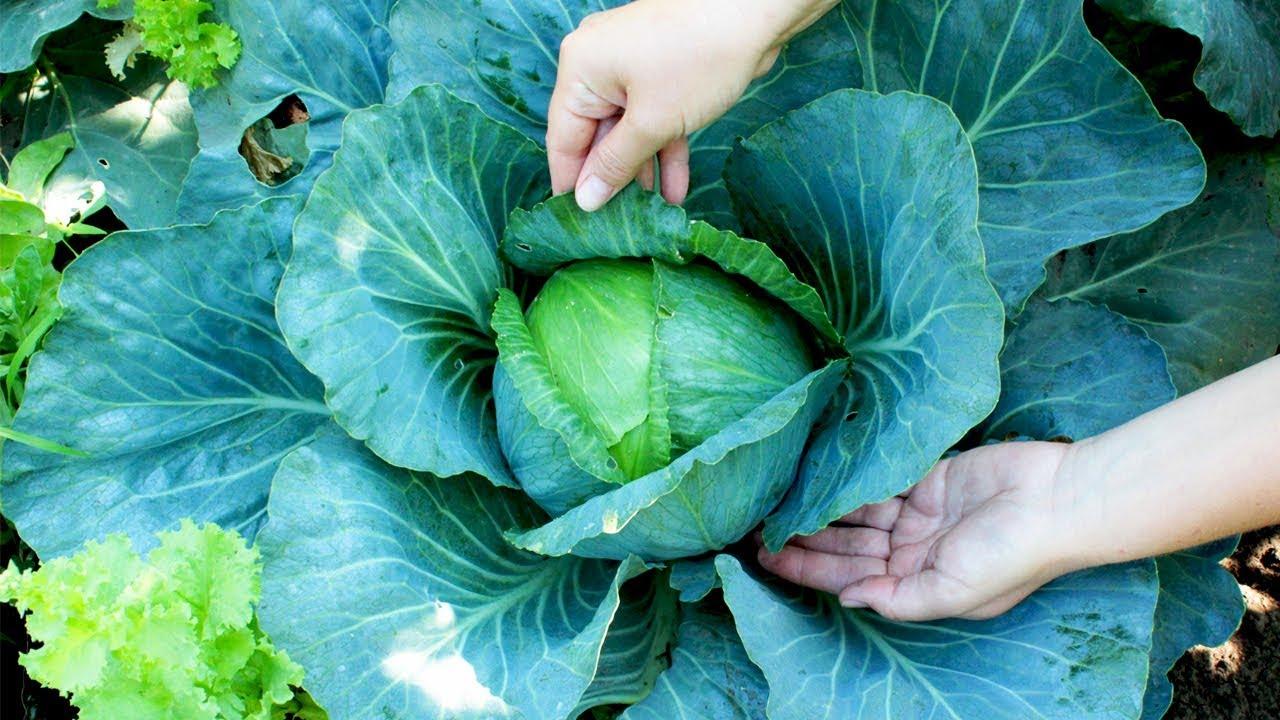
Saving crops from cutworms and cabbage flies
Harmful insects, including cutworms and cabbage flies, often settle in the lower parts of the crop. Pest pupae overwinter in the soil and, with the onset of spring warming, migrate to the foliage, where they begin to lay eggs.
If you find parasite eggs on the surface of leaf blades, you must immediately remove and destroy the affected elements.
Pruning doesn't always completely eliminate pests. To eliminate cutworms and cabbage flies, additional insecticide sprays are necessary.
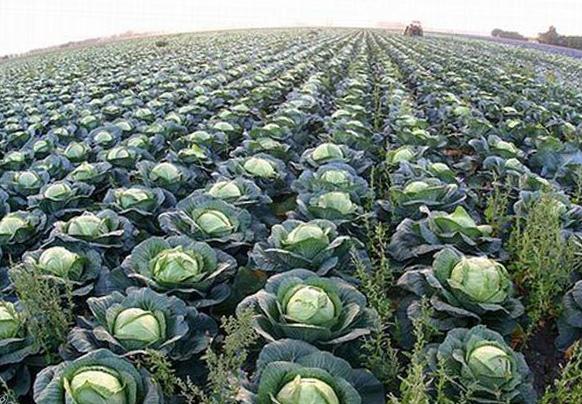
The Pros and Cons of Removing Cabbage Leaves
When caring for cabbage, it's important to weigh the advantages and disadvantages of removing lower leaves. The advantages include the following:
- If the leaf blades are damaged, removing them will protect the head of cabbage and prevent the development of diseases;
- Performing the procedure before harvesting allows you to increase the weight of the heads of cabbage.

The negative aspects of pruning include the following:
- the bracts are used as a temperature and moisture regulator;
- greenery is used as a protective element and protects the heads of cabbage from external influences;
- Pruning disrupts the natural development process, which can negatively affect the ripening process.
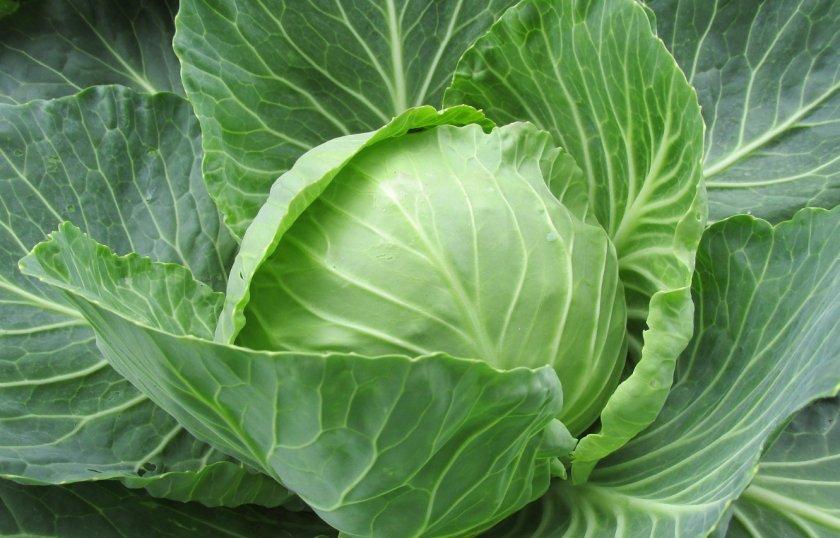
When should removal be performed?
It's recommended to perform pruning in late summer or early fall. If you notice signs of pest infestation or disease, prune immediately. It's best to prune in dry weather, starting from the bottom and removing the foliage one by one.
Until the cut has healed and the affected area has dried out, you cannot continue pruning.
If the head is not compacted, all lower leaves can be removed. This pruning should be done no earlier than a month before harvest, which often occurs in mid-September. This month allows the head to become sufficiently compact.
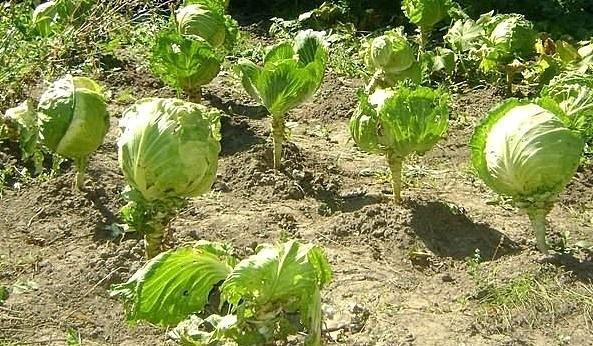
Rules for trimming the lower leaves of a cabbage rosette
The leaves located at the bottom of the cabbage head are carefully removed one by one. After removal, the leaf cut is thoroughly treated with a disinfectant solution to prevent infection of the plant. The cut is then sprinkled with sifted wood ash.
In some cases, it is permissible to remove not the entire leaf blade, but only a part. This option is used when there's no specific need for pruning, but the foliage interferes with plant maintenance. Removal can also be done in cases of dense planting, where plants interfere with each other's growth.
Break off, cut off or tear off?
Cabbage growers have different approaches to shaping their plants. Many carefully trim the lower leaves, while others prefer to save time and pluck the foliage. It's best to trim with garden shears to avoid damaging the cabbage head. If you only need to remove a damaged leaf, you can gently snap it off.
Take a look Also

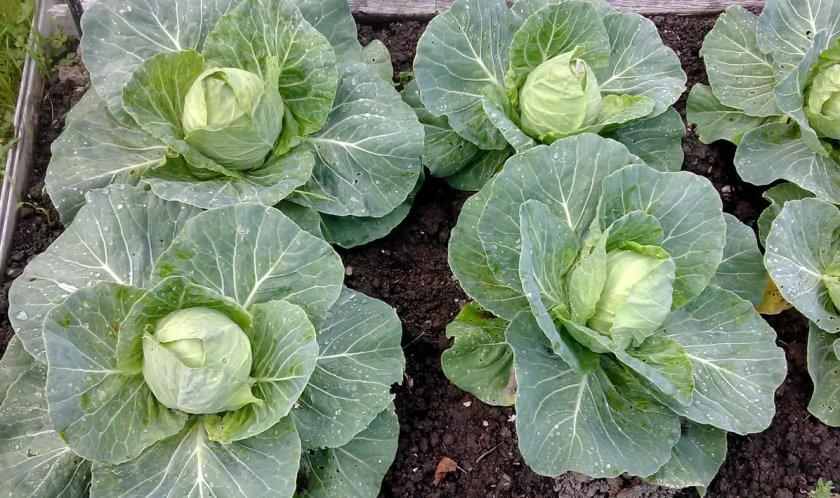
Tips and recommendations from experienced gardeners
To properly grow cabbage and prune it profitably, consider a number of tips and recommendations from experienced gardeners. It's most important to prune only when necessary, specifically in the following cases:
- when colonies of harmful insects are found on the green part of plants or symptoms of infectious diseases are noticed;
- the leaves turn yellow, begin to dry out, or their role in the process of crop development has become insignificant;
- leaves interfere with soil moistening and the hilling process;
- if spreading plantings make it difficult to access plants for preventive treatments or fertilization;
- when, a month before the end of the growing season, the heads of cabbage are not dense enough.
When beginning gradual pruning, carefully monitor the plants' condition. If the plant begins to wilt, it's best not to prune the remaining foliage, as the foliage will continue to provide protection. It's also important to keep in mind that the plant's development and its need for greenery vary depending on the variety planted, its care requirements, soil type, and weather and climate conditions.
Related posts:
 Why do cucumber leaves curl inward and what to do about it?
 Why cabbage leaves wilt in the garden and what to do
 How to prune grapes step by step for beginners
 When and how to prune an apple tree, and is it possible to shape the crown in summer?
 What to do if your pepper's leaves are curling, proper care and treatment
 Reasons why cucumber leaves turn yellow and what to do, how to treat and feed them
 Why cabbage leaves curl, reasons and what to do, what to spray
 When and how to prune cherry trees correctly, and tree shaping schemes for a good harvest