
- What is a kila?
- The causative agent of infection
- Factors and causes of the disease development
- The onset of the disease
- How to Test for Clubroot Spores
- Control measures
- Seed treatment
- Soil treatment
- Agrotechnical methods
- Traditional methods
- What to do after treatment for clubroot
- What can be planted after cabbage has been affected by clubroot?
- Prevention of infection
- Seed preparation
- Soil disinfection
- What to add to the hole when planting
- Remedies for clubroot during planting
- Preventive feeding against clubroot
- Clubroot-resistant cabbage varieties
Clubroot of cabbage is a disease that spreads through the vegetable's root system. Unfortunately, it affects not only cabbage but all cruciferous plants. To achieve the desired results and prevent the disease, several measures are recommended before planting. However, if a plant is infected, efforts will need to be made to revive it early. Heavily infected crops should be destroyed, and the soil in the affected area must be revived and disinfected.
What is a kila?
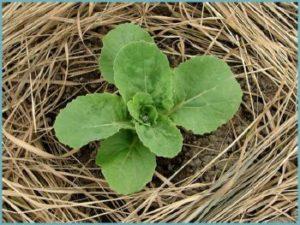
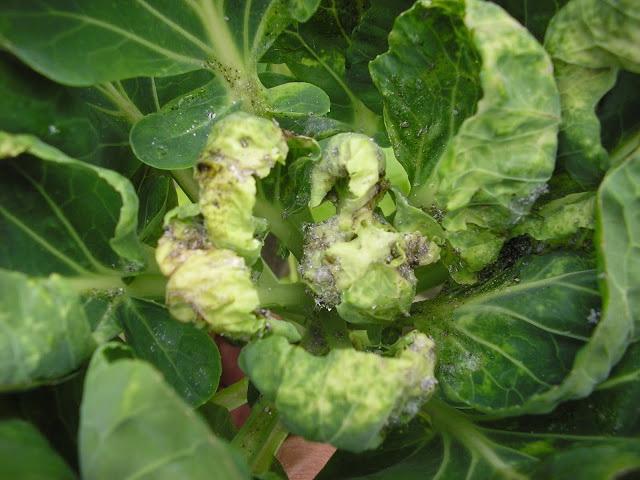
This disease affects various varieties of cabbage, as well as brassicas such as radishes, lettuce, and turnips. This fungal infection makes the vegetable impossible to treat. The upper green parts appear wilted and unhealthy, and the foliage curls.
The causative agent of infection
This disease poses a threat to all cruciferous plants. If this pathogen enters the soil, the harvest will fail. It is caused by the parasitic fungus Plasmodiophora brassicae Woronin. While uncultivated, the fungus cannot develop, but it produces spores that can survive in the soil for 6-7 years.
Factors and causes of the disease development
Many gardeners wonder why these peculiar growths form on rhizomes. The risk of occurrence in the garden increases when seedlings are purchased from untrusted sources. Some unscrupulous sellers skimp on soil treatments and seedlings. Therefore, it can easily be introduced into your garden, but is quite difficult to remove.

The spores of this parasite survive in the soil for at least five years. Initially, it camouflages itself well. In the early stages, signs of the disease are minor, and the growths are difficult to distinguish from normal roots.
The growths gradually grow, replacing the plant's root system. The spores are dangerous because they survive in the soil for a long time. The pathogen feels especially comfortable in heavy and acidic soils that lack organic matter and essential elements: zinc, boron, calcium, chlorine, and potassium.
Post-harvest weeds can be infected. If there is any suspicion, they should be burned. Failure to properly rotate crops can also lead to the disease's development.
The onset of the disease
If your cabbage bed starts to wilt despite proper care, dig up the seedling and inspect it carefully. The presence of characteristic growths on the roots indicates disease. A root system affected by growths cannot fully develop and nourish the vegetable.

Affected plants lose contact with the soil and can be easily removed. The resulting growths begin to rot, creating cysts in the soil. Cabbage can be attacked by this parasite at any stage of development. Young plants are often susceptible. Development is stimulated by an acidic environment.
At the initial stage, the foliage has a slightly purple tint, then it becomes yellowish, and the plant looks wilted.
How to Test for Clubroot Spores
Before planting cabbage, test the soil for disease spores. Sow Chinese cabbage in the affected area. Harvest periodically, starting with sprouts with their first leaves and continuing until the head forms. If the plant remains disease-free and no growths are observed on the roots throughout the entire growing season, treatment has been successful. If even a single light-colored bead appears, treatment is continued for another season.
Control measures
Control methods and techniques are ineffective in the later stages. You can try to save the plant by stimulating the development of additional roots. To do this, the head of cabbage is hilled up high and watered intensively.
To get rid of the pathogen, dust the soil with lime during the fall digging process. However, it's best to avoid planting cruciferous vegetables in this area.
There's no point in wondering how to treat a sick plant; it's impossible to cure. The only solution is to disinfect the soil for safe future plantings.

Seed treatment
Before sowing, the seed must be processed. This can be done in the following ways:
- place in an immunostimulant;
- treat with hot water, leave for a third of an hour;
- prepare a 1.5% mustard solution and leave it for 6-8 hours;
- keep in ascorbic acid solution for at least 16-18 hours;
- cold treatment, the ideal place is the refrigerator, the seeds are placed for a day.
If the seeds contain clubroot spores, these methods will help disinfect them.
Soil treatment
If the area has been infected with this disease, the soil must be disinfected. It is also recommended to plant crops that can kill the fungal spores: tomatoes, onions, potatoes, beets, and garlic. This method restores the soil within 2-3 years. Combinations of plants, such as tomatoes and garlic, can restore the soil within a season.

It is recommended to chop the beet tops, water them with the microbial preparation "Siyanie-1," and dig the soil in the fall. It is advisable to create narrow beds. This helps prevent contamination of healthy soil during digging and reduces the area contaminated after rain or during watering.
Agrotechnical methods
Clubroot can be combated and the soil can be healed using agricultural techniques. It's important to replenish potassium and calcium deficiencies and enrich the soil with zinc, chlorine, and boron. Humus density can be increased by 2.5 times. Saltpeter won't harm the soil.
Watering should be done carefully and judiciously. Overwatering and drying out negatively impact its health.
Traditional methods
Folk remedies are most often used in a complex of measures.

The following accessible and economically feasible methods are distinguished:
- treatment with Bordeaux mixture;
- add a small amount of wood ash to the hole, then water the plant;
- carry out irrigation with lime milk;
- loosening and enriching the soil with mineral fertilizers.

What to do after treatment for clubroot
To prevent the spread of disease:
- Do not plant cruciferous plants in this area; planting should be done after testing the soil;
- carry out preventive work to prevent the spread of the disease;
- If possible, plant crops in this area for several seasons that are not susceptible to this disease.

What can be planted after cabbage has been affected by clubroot?
After harvesting cabbage, the best option for growing next season is potatoes. They don't share the same pathogens as cabbage. Therefore, soil containing clubroot left behind by cabbage poses no danger. Furthermore, potatoes act as a kind of medicine, capable of killing fungal spores.
In addition to this crop, it is recommended to plant garlic, beets, or spinach. They can disinfect the soil in two seasons.
It is recommended to sow green manure crops. Winter rye is effective, and it also improves soil fertility and aeration.

Prevention of infection
It's better to prevent disease than to treat plants and the soil later. First, it's important to inspect the seedlings. Disease spores aren't always visible, but if the infestation is severe, you may already see them on the seedlings.
In addition, it is recommended:
- hill up the plant and water it after feeding it, this will stimulate the development of a strong root system;
- destruction of the remaining stalks, which will prevent rotting;
- destruction of all plants affected by the disease, tools must be treated with disinfectants after work;
- timely destruction of weeds;
- Remove diseased plants by burning them in a bright fire; if the fire is just smoking, this can spread clubroot spores.

Seed preparation
To prevent the disease from developing, it's necessary to prepare the seed and disinfect it. There are several methods:
- A solution of potassium permanganate. The most common method. Let it sit for half an hour and rinse with cold water.
- Heat treatment. Place the seeds in a liquid with a temperature of 48 to 50 OStrictly. At temperatures above 50 OThe seeds will die, and below 48 OC — will not produce results. It is recommended to apply the solution in a large amount of water, measuring the temperature with a thermometer and adding more hot water if necessary. Place the seeds in a cheesecloth bag and let them sit for 20 minutes.
- Garlic infusion: Pour 90-110 ml of water over 35 g of crushed garlic, soak a cheesecloth bag with the seeds in it, and let steep for at least an hour. Rinse and dry.

Soil disinfection
For preventative purposes, it is recommended to maintain acidity at a moderate level; the soil should not be under-acidified or overly acidic.
For preventive purposes it is necessary:
- Disinfect frames in greenhouses or other wooden structures with lime milk. This should be done before filling them with soil.
- In the greenhouse, disinfect the soil with bleach at a rate of 120-140 g/m2 once every three years.2It is applied dry to moist soil after harvesting.
- Lime the soil every 2-3 seasons to reduce acidity. Apply 270-310 g to light soils and 460 g to clay and loam soils.
- Before planting, calcium cyanamide is added at a rate of 30-32 g/m2, it kills the fungal spores.


What to add to the hole when planting
To prevent the disease, add dolomite flour to the hole. Ash can be used instead, one cup per hole. It can also be used to dust the bed after planting. These products reduce soil acidity; they simply need to be mixed into the soil. For a more effective solution, combine the flour with copper sulfate or boric acid.
It is permissible to apply complex insectofungicides, but their disadvantage is that a microdose is applied to the hole, which is difficult to calculate accurately:
- Trichodermin;
- "Gliocladin";
- "Mikosan";
- "Previkur";
- "Phytodoctor"
- "Planzir".

Remedies for clubroot during planting
3 days before sowing seeds, add colloidal sulfur 5g/m32 to a depth of 50-60 mm. In the spring, before planting the seedlings, disinfect the soil with "Carbation." Use according to the instructions. The soil can be watered with a sulfur solution, 48 g per 10 liters of liquid. Before planting, it is recommended to soak the seedling roots in a solution of "Fitosporin."
Preventive feeding against clubroot
Protection is achieved through timely soil amendments with potassium, magnesium, chlorine, and calcium. Calcium nitrate prevents the development of the disease in the soil. It is recommended to increase the amount of humus, mullein, and compost. These are rich in microflora, which inhibits the activity of the fungal pathogen.

Clubroot-resistant cabbage varieties
When growing cabbage, it's important to remember that there are crops resistant to this disease. However, don't get your hopes up; completely resistant varieties have not been developed. This is due to the plant's biological characteristics and the nature of this disease. Through selective breeding, varieties with some immunity have been developed.
Varieties with a high degree of resistance:
- Ladozhskaya 22;
- Winter Gribovskaya 13;
- Moscow late 9;
- Losinoostrovskaya 8.
Currently, there is no treatment that can cure the diseased plant. Therefore, to obtain the desired harvest, it is important to implement preventative measures: disinfecting the soil and planting material, maintaining proper soil pH, and caring for the crop. Only these measures, taken in combination, will help grow a high-quality, healthy crop.
Related posts:
 The best eggplant varieties for growing in a polycarbonate greenhouse: planting and care
 How to control onion flies using natural and chemical methods
 How to control carrot flies with medications and folk remedies
 What is the best way to feed carrots? Fertilizers and preparations, using folk remedies.
 How to treat peppers for aphids, how to fight them with folk and chemical remedies
 How to combat powdery mildew on onions using folk and chemical remedies
 Causes and treatment of eggplant pests and diseases, how to combat them at home
 How to properly plant peas in a greenhouse and open ground
Use chemicals as a last resort. No matter how much the manufacturer claims their safety, they affect the soil, and it will take a long time for it to recover.