
When slugs appear on cabbage, the question arises of how to deal with them. Experienced gardeners will have no trouble spotting and identifying the pest. However, eradicating the mollusk can present certain challenges. It's not so easy to eradicate slugs from a plot, especially considering they can destroy entire crops, and not just cabbage.
General characteristics of the parasite
The pest can be detected by examining the plant's leaves—a slime appears on them, indicating traces left by the mollusk. As the slime dries, it takes on a silvery hue. If you leave cabbage heads on the plot, you can find parasites in them that are waiting out the winterIt's worth noting that these pests destroy all varieties of cabbage and more. They successfully feed on potato tops, eat tomatoes, and cause serious damage to crops.
Reasons for occurrence
There are several factors that can contribute to the appearance of pests on a site, usually due to high humidity:
- Stagnant water and poor climate are to blame.
- Abundant watering of the crop, soil characteristics, lack of a drainage system.
Pests and diseases often attack vegetables with weak immune systems. But in the case of cabbage, slugs are attracted to its succulent leaves.
What do slugs look like?
A detailed description of these pests will help you distinguish them from snails:
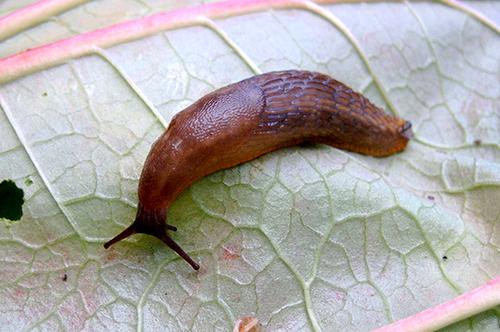
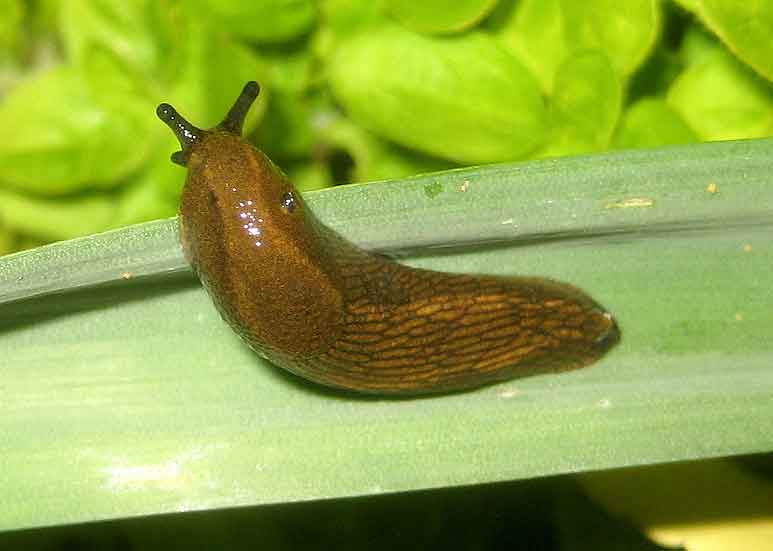
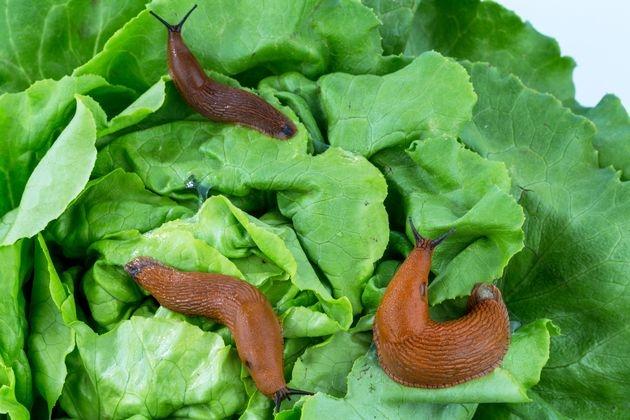
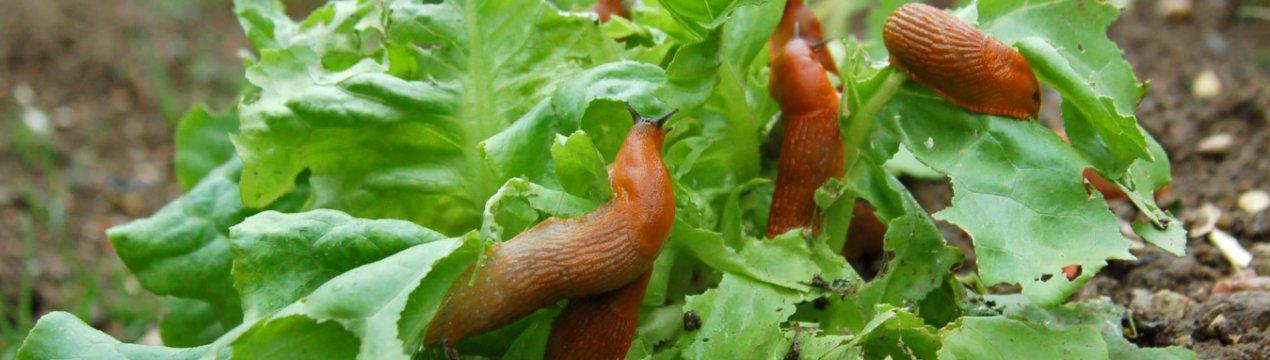
- the slug is large in size and does not have a shell “on its back”;
- he moves slowly, covering distances with difficulty;
- The mollusk's head is "decorated" with 3 horns; when it moves, it moves them;
- The color of the pest can vary from brown to dark gray.
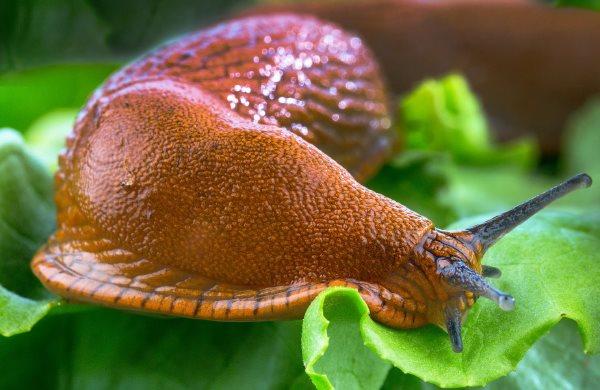
Parasites eat cabbage leaves; they have powerful jaws, so they quickly destroy the planting.
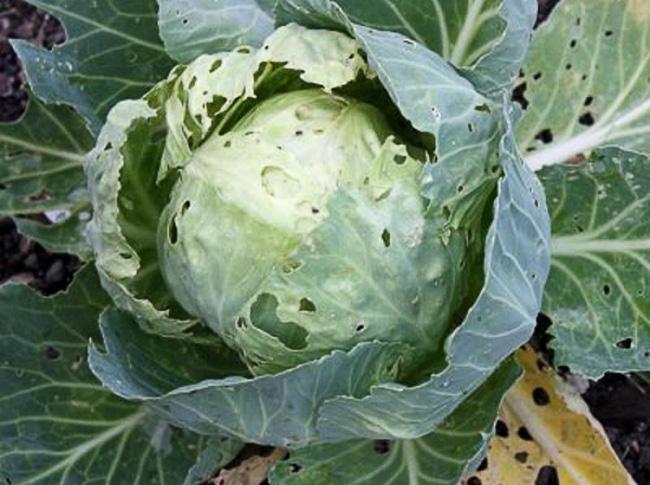
If you examine the heads of cabbage, you can find the “passages” that pests make in them.
What danger do they pose to cabbage?
In addition to feeding on the plant's succulent shoots, slugs also spread infection. Their saliva contains a special enzyme that causes the plant's leaves to darken and develop signs of rot.
What are the dangers for plantings:
- Mollusks are capable of destroying crops completely.
- They spread fungal infections and other diseases.
- They overwinter in heads of cabbage, eating the leaves, causing rot.
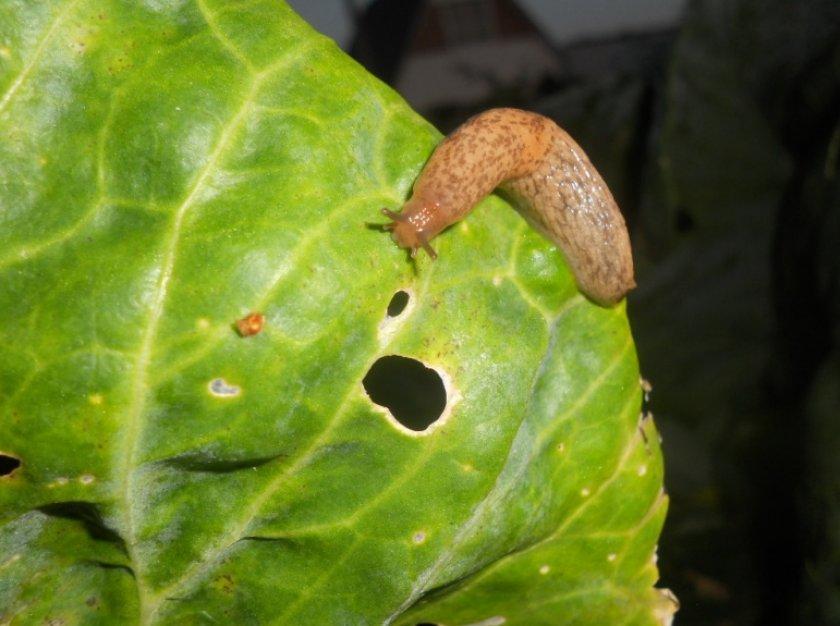
Any pest is dangerous because it can significantly impact the quality and quantity of the harvest. To prevent this, carefully monitor the plant.
Signs of parasitism
The appearance of slime on plant leaves should be considered the first sign of these pests' presence in the garden. They can also be found in secluded areas. If the climate in the region is hot, the mollusks successfully hide in places with high humidity. They prefer water, but they appear in the garden at night. For this reason, gardeners have difficulty detecting the pests, but traps can help.
How to spot and differentiate a slug:
- lay boards and slate on the ground;
- water the soil under the cover periodically;
- moisture will attract mollusks if there are any in the area;
- To detect it, it is enough to simply destroy the shelter.
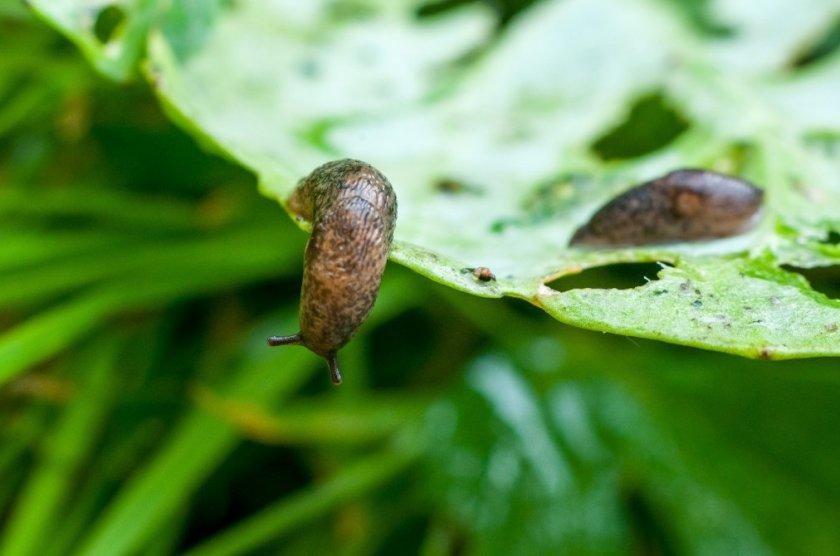
You can go out to your garden in the rain, in the evening or early at night. Use a flashlight to illuminate the plant's leaves. If there are pests in the area, you'll likely see them.
How to get rid of slugs
The question of what to do if pests appear in the garden is a concern exclusively for inexperienced gardeners. More experienced gardeners take preventative measures even before the first traces of slugs are discovered.
Some gardeners prefer to make traps, collect slugs and destroy them without the use of chemicals.
Specialized antiparasitic drugs
You can treat the vegetable leaves with various products, water the cabbage with solutions, or sprinkle them on the leaves. All of this will, to a certain extent, produce good results.
Let's talk about products that can eliminate parasites and protect crops, preserving the harvest in full.
Storm
It can completely eliminate pest populations. Slugs actively consume the scattered bait; the blue granules attract them. After their "meal," the parasites die. However, removing them can be difficult, so remain vigilant.
Note: Groza is also effective against snails and other pests.
Meta
To kill slugs with this product, you'll need to sprinkle it between the rows. The chemical is toxic to humans, so handle it with care.
It is recommended to use the reagent 30 days before harvesting, otherwise harmful substances will not be able to escape from the cabbage heads and will cause serious harm to human health.
Metaldehyde
It can be harmful to human health, so it's scattered near the plant in the hopes that the slug will be burned and killed upon contact. The product should not be sprinkled directly on the plant or applied to cabbage leaves (due to its high toxicity). After sprinkling the soil, carefully monitor the soil to ensure it doesn't come into contact with other vegetables.
Folk remedies
Such methods can help protect seedlings, but their effectiveness depends on the timeliness of the procedures.
To eliminate mollusks and remove them from the area, use:
- Agrofibre or regular film. Place it around the cabbage. Pests prefer warm and humid conditions, but prolonged exposure to film or agrofibre is detrimental to slugs.
- You can spray and water your plants with water and black pepper—this will repel snails. They also dislike salt. If you spot a slug in your garden, "salt" it.
- Mustard also repels pests; you can use a mixture of ginger and mustard powder. Sprinkle it on the plant's leaves.
- Water the vegetables with warm water, at least 40 degrees Celsius. This watering will save the cabbage.
- Ammonia solution is also dangerous; simply adding a few drops of ammonia or ammonia to a bucket of water will achieve the desired result.
Traps
Such methods of crop protection do not involve the use of toxic chemical reagents.
What you need to do to catch parasites:
- we lay slate or boards on the site;
- we water the soil under them or wait for rainy weather;
- You can place a bait in the form of a sweet fruit or vegetable under cover.
In cool weather, pests will gather under the shelter; it will be enough to dismantle it and collect the mollusks, and then destroy them by any available means.
Obstacles
To remove slugs from your plot and preserve your harvest, you can build an obstacle that they cannot overcome.
For this purpose, the following are used:
- Crushed stone, broken bricks, crushed glass.
- This material is sprinkled on the beds, areas near cabbage, and the spaces between the beds.
Slugs have a hard time overcoming obstacles and die in the process. This method has several advantages, the most important of which is its non-toxicity.
Natural enemies
To save the harvest, you will have to follow the recommendations for crop care:
- water the plant in a timely and moderate manner;
- ensure that moisture does not accumulate in the area;
- carry out additional feeding periodically.
If the climate in the region is humid, then the beds need drainage, moisture must escape, otherwise the area will be infested not only with slugs, but also with snails and other pests that can cause serious damage to the plantings.
Take a look Also
Protection and prevention against slugs
To protect your plantings, you'll need to resort to certain techniques. These are well known to experienced gardeners. The most common ones are as follows:
- To prevent pests from appearing unexpectedly and devouring all your cabbage, it's recommended to promptly remove debris. Humus attracts slugs, creating a favorable breeding ground. Therefore, avoid leaving debris near your garden beds; designate a separate area for it, away from your crops, or, ideally, outside the garden.
- Regular grass mowing will help preserve seedlings and ensure a bountiful harvest. This applies not only to the plot area but also to areas around fences and roadsides.
- Monitor watering; if the soil is very wet or the planting location is low, plant the cabbage under plastic or in a greenhouse to avoid these problems.
- Provide scheduled fertilizing, use organic fertilizers, don't neglect preventative measures, and carefully inspect the plant's leaves. If you notice traces of slime on them, take immediate action.
Another problem is that slugs are difficult to eradicate. Various methods can be used, but the results are often temporary. The mollusks retreat, but reappear after a while. In this case, saving the crop can be difficult.
Advice: if you notice heads of cabbage damaged by pests in your area, cut them off and burn them.
Protecting cabbage from slugs is also difficult because they are practically omnivorous. They are ready to destroy a planting of cabbage, cauliflower, and Chinese cabbage, and stopping them can sometimes be extremely difficult. Therefore, gardeners believe that prevention is the best defense against slugs.
Related posts:
 What is the best way to treat Chinese cabbage to combat pests and diseases?
 What folk remedies are best for treating cabbage from pests to protect it?
 Description of cucumber pests and their treatment, control measures and processing
 How to get rid of the click beetle using folk remedies and medications, control measures
 How to control carrot flies with medications and folk remedies
 Instructions for use of Slizneed and the pesticide composition, dosage, and analogues
 What is the best way to treat cabbage from pests? Folk, chemical and biological remedies.
 How to combat spider mites on cucumbers with medications and folk remedies
We tried folk remedies at first, but they were completely useless. Then we bought some slug poison at the store, and our problem was solved immediately. I recommend keeping this poison on hand; slugs quickly destroy cabbage.