
- Why is mulching used between cabbage rows?
- Weed control
- Maintaining soil looseness
- Soil enrichment
- Reducing the number of waterings
- Protecting soil from erosion
- Efficiency of the method
- What is used as mulch for cabbage?
- Mown grass and green manure
- Eggshell
- Peat and compost
- Hay, straw
- Sawdust, wood chips
- Bark, needles, leaves
- Inorganic mulch
- Non-woven materials for soil covering
- What should you give preference to?
- Mulching technology
- Timeframe for completion of works
- Preliminary arrangement of beds
- How to cover cabbage plantings
- Should you mulch your greenhouse, and why is it necessary?
- What are the common mistakes gardeners make?
Mulching is an essential practice when growing garden crops, yet some gardeners unfortunately neglect it. Mulch is essential for growing cabbage beds because it serves a number of important functions, protecting the soil and plant roots from disease, frost, or heat, and preventing weeds. Furthermore, as it decomposes, it provides beneficial nutrients for the seedlings, increasing yields.
Why is mulching used between cabbage rows?
Growing cabbage can be a difficult process, requiring a lot of time and effort, especially in dry weather. Mulching is designed to make caring for the seedlings easier and protect the vegetable from adverse conditions.
Weed control
In the eternal battle against weeds, gardeners often resort to chemical or mechanical means that can harm crops, while improper weeding can actually increase the growth of green pests. A much safer method of control is mulching.
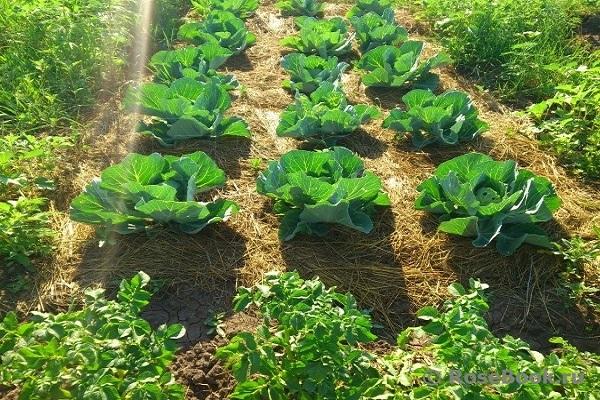
A 5-7 cm layer of mulch tightly covers the soil, preventing weeds from germinating and inhibiting their growth. If perennial weeds do break through the protective layer, they should be cut back to seedling level.
Maintaining soil looseness
Mulch placed on the soil will decompose over the summer, enriching the soil. Thanks to the substances released by the mulch, the number of beneficial soil microorganisms and earthworms will significantly increase, making the soil looser and more breathable.
Soil enrichment
The enrichment and saturation of the soil occurs precisely due to the rotting of mulch, during which useful substances are absorbed into the ground.
Reducing the number of waterings
Mulched soil is protected from overcooling or overheating, which helps maintain the necessary moisture balance in the soil, preventing hardening of the soil, and significantly reducing the need for watering.
Protecting soil from erosion
Soil leaching occurs every time snow melts or heavy rains occur, especially on slopes. Mulching prevents leaching by protecting the topsoil.

Efficiency of the method
The results of mulching depend on the correct selection of soil cover material, the timing of application, the mulching technique, and preliminary preparation. However, despite the mandatory rules, mulching is simple and produces pleasing results when done correctly.

What is used as mulch for cabbage?
Mulch for cabbage in open ground can be either organic (plant residues) or inorganic (film, non-woven materials).

Mown grass and green manure
When considering whether to mulch your garden beds with grass or green manure, it's safe to say yes, but certain conditions must be met:
- Nettles or regular grass from weeding or lawn mowing can be used as herbal mulch. Important! If the grass has been treated with herbicides, it cannot be used as mulch.
- Rye, oats, and other grains, mown before they go to seed, are ideal for mulching with green manure; otherwise, the risk of weeds increases. As the grains decompose, they will enrich the soil with nitrogen, retain moisture, and promote proper soil looseness.
- Mow grass or green manure early to avoid any unpleasant consequences. Late mowing can lead to fungus, pests, or rot.

Eggshell
The benefits of eggshells are well known. Egg scraps are rich in calcium, magnesium, and other minerals beneficial for seedlings. Therefore, gardeners use eggshells more often for nutrition than for protection. However, eggshells are actively used to control slugs, snails, and cabbage butterflies, which not only eat the cabbage leaves but also the cabbage head itself.
Important! Don't break the shells too small, as the insects will injure themselves on the sharp edges and die.
Peat and compost
The most beneficial mulching method. Compost and peat mulch enrich the soil and cabbage root system with nutrients and protect against diseases just as effectively as chemicals. After harvesting, there's no need to remove the peat and compost. To prevent weed growth, you can place a layer of newspaper underneath the mulch or cover it with freshly cut grass.

Important! When mulching with peat, the ash content of the substance should not exceed 10%.
Hay, straw
Using straw or hay is also beneficial for the soil. Mulching with straw in the fall will enrich the soil with nutrients during the rainy season, protect it from frost in the winter, and turn it into fertilizer in the spring. However, be careful with store-bought dried grass. It may contain seeds that will attract mice and affect the growth of weeds and the crop from which the straw was made.
Sawdust, wood chips
A more long-lasting mulch option than grass or straw. Sawdust and wood chips absorb moisture well, thereby maintaining soil balance, and also rot faster, enriching the soil. Furthermore, sawdust blocks sunlight, accelerating the growth of beneficial microorganisms.

Important! Wood scraps must be allowed to dry for at least 3 days beforehand, spreading them out in a thin layer to remove the acetic acid.
Bark, needles, leaves
Bark is the most popular type of mulch, as it's often used for landscaping. Besides its attractive appearance, bark protects the soil from heat. However, when mulching, the soil must be fertilized, as bark doesn't saturate the soil. After a few years, the bark rots, becoming a fertilizer.
Pine tree debris helps protect cabbage from pests and frost. Leaves should be harvested in advance to disinfect them from fungus. To do this, place the leaves in a plastic-lined barrel, pour manure and urea over them, and cover with plastic.

Important! Foliage from diseased trees can infect and cause irreparable damage to all crops in the garden.
Inorganic mulch
Black or clear polyethylene film is used as inorganic mulch, providing reliable weed control. Before applying it, holes are made in the film for the vegetables, which are then watered and fertilized. This method of mulching accelerates soil warming and maintains moisture balance, but is not convenient for cultivating cabbage.
Non-woven materials for soil covering
Light-colored material is used to create shade and cover the soil, while black is used for mulch. However, it's best to avoid black in summer, as temperatures under it can reach over 50°C in hot weather. Non-woven material protects against weeds and helps retain soil moisture.

What should you give preference to?
Each type of mulch has its own pros and cons:
- Organic: more beneficial; enriches the soil and root system; protects against diseases; costs less; can be left in place over the winter.
- Inorganic: significantly increases yields (sometimes up to 30%); protects against weeds; more expensive; requires pre-fertilization; must be removed in the fall, and care must be taken in the summer to ensure the soil does not overheat.
Most gardeners prefer organic mulch because of its benefits.
Mulching technology
The results of mulching depend on proper technique. If not followed correctly, mulching can have the opposite effect.

Timeframe for completion of works
The first mulch should be applied in the spring when the soil has warmed up.
Important! Laying on cold soil can lead to fungus or rot. Covering materials are suitable for spring installation.
The next stage of mulching is in the summer, to renew the first layer. Any type of mulch is suitable. The final application is in the fall, to protect against cold and erosion. Leaf litter, compost, or humus are the best options.

Preliminary arrangement of beds
Cabbage is a vegetable that thrives in fertile soil. To increase its nutritional value without increasing acidity, add lime or dolomite to the soil, and then begin preparing the planting beds before mulching:
- the bed should be marked out so that the planting holes are 70 centimeters apart;
- add fertilizer to each hole - manure or humus, sprinkle ash on top and cover with earth;
- water each hole with 1 liter of water;
- plant the seedlings, compacting them with soil, and again add 1 liter under each root;
- After half an hour, repeat the watering, and when the moisture has been absorbed a little, mulch.

How to cover cabbage plantings
Mulching rules:
- Before mulching, the soil must be cultivated, watered and allowed to dry a little;
- Spread the mulch in one loose layer, about 7 centimeters:
- change the shelter annually;
- treat mulch with fungicides to prevent diseases;
- Regularly alternate types of mulch.

Should you mulch your greenhouse, and why is it necessary?
Mulching is suitable for both open ground and indoor cultivation, such as greenhouses and hotbeds. Organic mulch is best for covering the soil in greenhouses. In a pinch, newspapers, cardboard, or other sun-protective materials will do.
Reasons why greenhouse soil should be mulched:
- protection from frost or heat;
- maintaining water balance and uniform distribution of moisture in the soil;
- increase in crop yield;
- enhancing the beneficial properties of microorganisms in the soil;
- protection from dirt, dust and fungal spores.
What are the common mistakes gardeners make?
When mulching cabbage, gardeners often make certain mistakes that can reduce the effectiveness of the protective layer:
- mulch should not come into contact with the vegetable stem to avoid causing disease or death;
- Inorganic mulch should not be left on the beds during winter;
- Mulching should be carried out only on plowed land;
- the mulch layer should not be thicker than 7 centimeters;
- Mulching dry and cold soil will lead to the development of diseases.
Related posts:
 What is the best way to mulch tomatoes in open ground and greenhouses?
 Why does cabbage grow tall in the garden and what can be done about it?
 Planting, growing, and caring for cauliflower in open ground and greenhouses
 Why cabbage leaves wilt in the garden and what to do
 Growing and caring for Chinese cabbage in open ground and greenhouses
 Can cabbage be sprayed with valerian to control pests and what are the treatment guidelines?
 Description of the best cabbage varieties for 2025 for different regions
 How and what is the best way to mulch strawberries, the benefits and harms