
- Why is crop rotation important?
- What micro and macro elements does cabbage extract from the soil?
- What is recommended to plant after cabbage?
- Eggplants
- Onion
- Beet
- Garlic
- Tomatoes
- Cucumbers
- Carrot
- Zucchini
- Pepper
- What is prohibited from planting next year?
- Radish
- Turnip
- Swede
- Mustard
- Daikon
- Watercress
- Shepherd's purse
- Rape
- Radish
- rapeseed
- Turnip
- Horseradish
- Strawberry
Cabbage is one of the most popular and beloved vegetables in the world. However, every gardener knows it's a difficult crop to plant in soil. Therefore, the following year, it's recommended to grow other crops in the same area. Gardeners often wonder what to plant after cabbage.
Why is crop rotation important?
Growing vegetables depletes the soil. This is true for all types of cabbage. The plant has a powerful root system, which it uses to promote growth and maturation of the head. As a result, the soil becomes depleted. Temporarily leaving the land uncultivated for a year or two helps, but does not fully achieve the desired results.
Moreover, leaving agricultural land idle is unprofitable. This applies not only to large producers but also to amateur gardeners with summer cottages.Crop rotation is used to restore depleted soils. It not only helps restore the soil but also helps eliminate pests and their larvae that remain in the topsoil.
What micro and macro elements does cabbage extract from the soil?
Choosing the right crop for planting significantly impacts yield. Cabbage draws large amounts of nutrients and minerals from the soil, taking up nitrogen, potassium, and calcium. Without replenishing these elements, yields subsequently decrease by 30 percent.
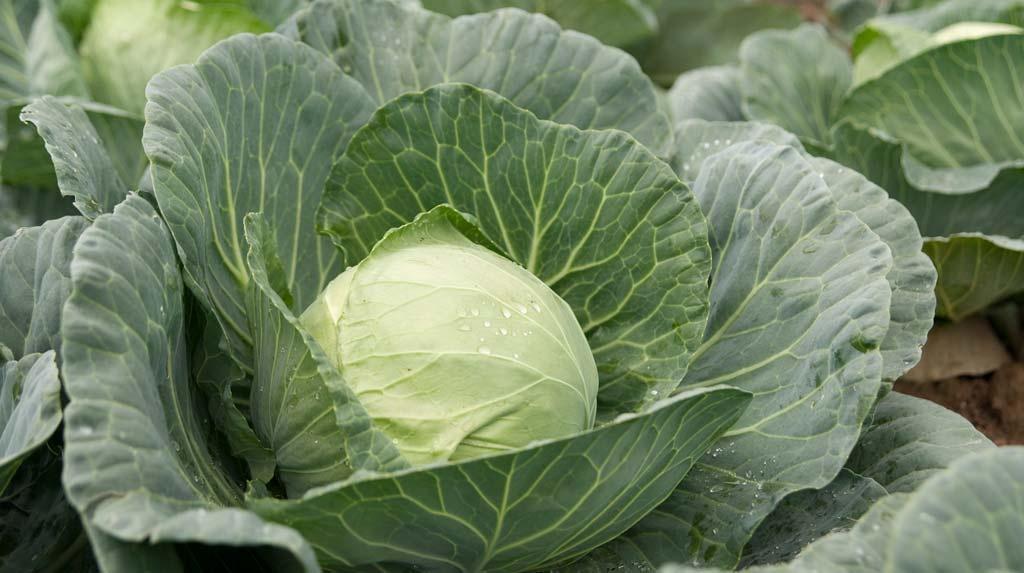
When planting vegetables in an area where cabbage was previously grown, keep the following rules in mind:
- The planted crop must be resistant to cabbage diseases and pests.
- The composition of nutrients that the new crop will receive from the soil must be different.
What is recommended to plant after cabbage?
Cabbage can be grown in the same spot at intervals of at least two to three years. It's important to properly plan the planting sequence in the same area where it was previously grown.
Suitable crops in this case would be:
- Melons and gourds.
- Cereal crops.
- All root vegetables.

A good choice for planting after any type of cabbage is potatoes, as they do not share common pests and the root crop requires different nutrients.
In addition, this crop completely destroys clubroot fungus, which is dangerous for cabbage, within 3 years.
Spinach, celery, dill, and parsley contribute well to the accumulation of nutrients in the soil and reduce the risk of diseases.
Eggplants
All plants in the nightshade family are a good choice for planting after cabbage seedlings. After planting eggplants, gardeners grow an excellent harvest of cabbage heads the following year.
Onion
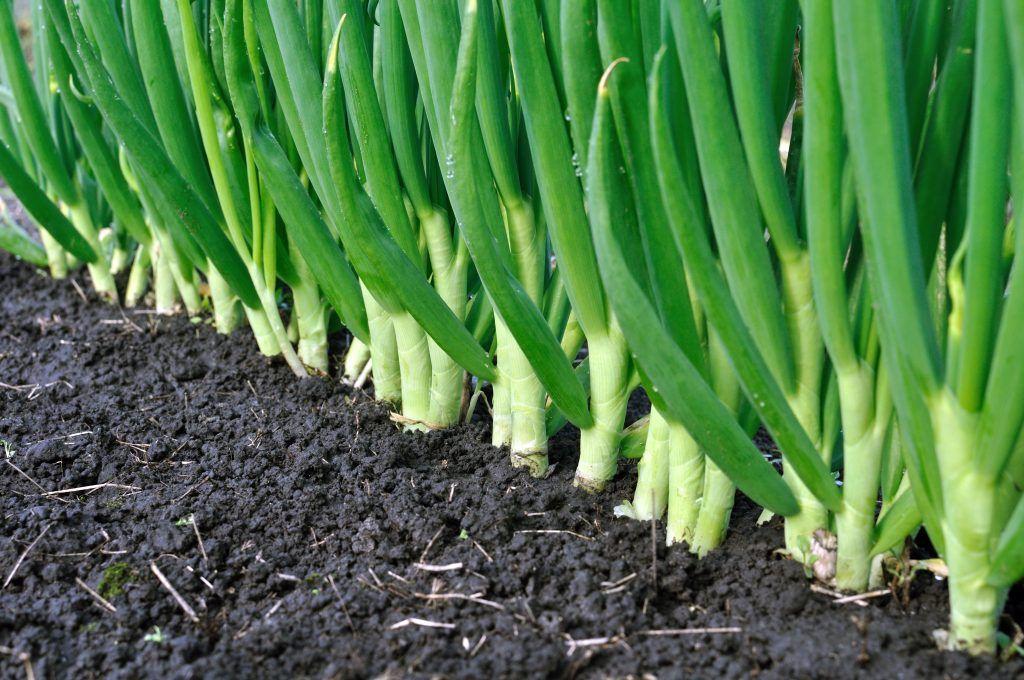
Cabbage, which requires organic fertilizers such as compost and humus, is a good precursor for onions and garlic. Onions grow well in such fertile soil.
Beet
Planting beets will ensure a good cabbage harvest in the same area within a couple of years. Within two years, the crop will rid the soil of the fungal disease clubroot.
Garlic
This plant repels aphids. Garlic also helps cleanse the soil of fungi. It can disinfect the soil for as little as two years.
Tomatoes
Like onions and garlic, this vegetable can be planted after early and late-ripening cabbage varieties. It produces a good harvest while also promoting soil restoration.

Cucumbers
This is one of the best planting options. It will not only allow you to grow a substantial cucumber crop, but will also contribute to increased cabbage yields in the same area in the coming years.
Carrot
The vegetable grows well in soils depleted by cabbage heads. The remaining minerals in the soil provide sufficient nutrients for the carrots to thrive.
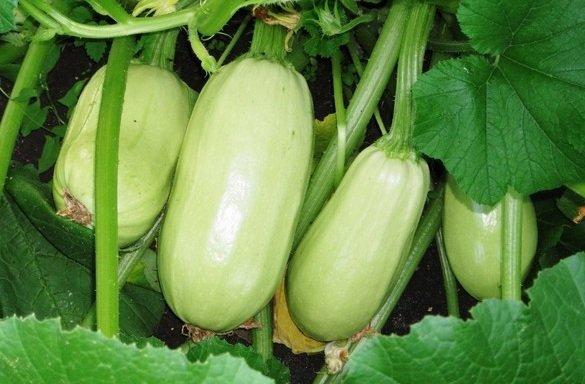
Zucchini
The secretions from the zucchini root system nourish the depleted soil.
Pepper
It is well suited for planting the following year, since peppers require different nutrients to grow than cabbage.
After planting any of the above crops, the soil has time not only to rest, but also to recover.
What is prohibited from planting next year?
Avoid planting any other type of cabbage in a plot previously grown for the next three years. Certain other crops should also be avoided in open ground after cabbage. These primarily include members of the cruciferous family. They are susceptible to the same pests and further deplete the soil.
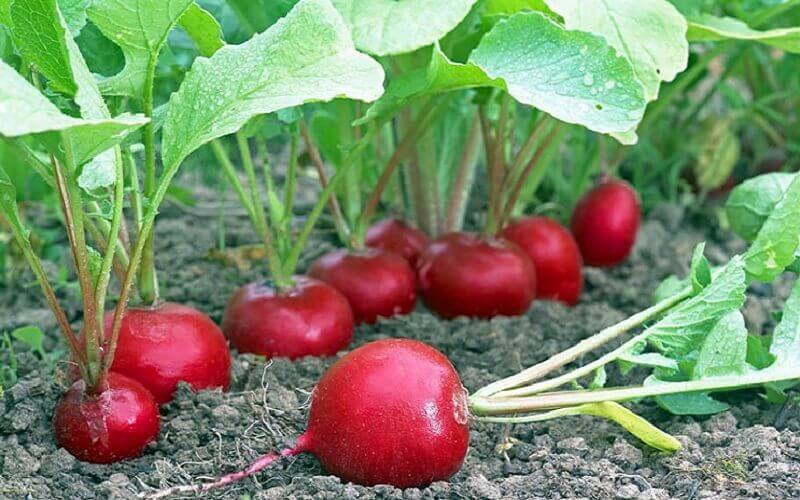
Radish
Like other members of this family, radishes are a poor choice for planting the year after cabbage heads. This vegetable is very popular with insect pests, so planting them in the same place as cabbage will lead to dire consequences for the garden.
Turnip
Insects such as flea beetles will ruin the vegetable harvest and spread rapidly throughout the plot. Furthermore, fungi that remain in the upper soil layers after cabbage can develop.
Swede
This crop is not suitable for planting outdoors, as it is also a cruciferous vegetable. Rutabaga will be susceptible to bacterial and fungal diseases.
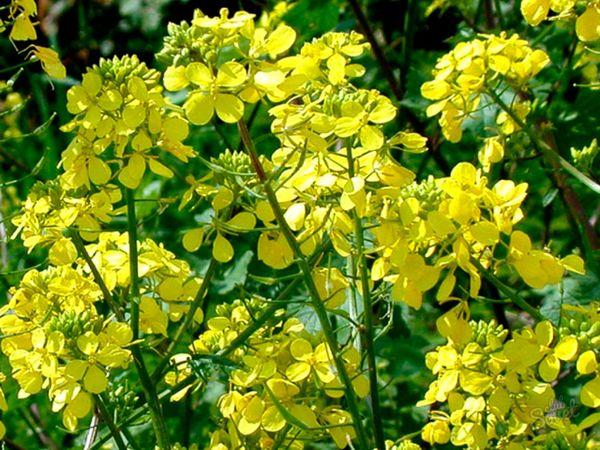
Mustard
Mustard is susceptible to clubroot. The fungus can persist in the soil for up to five years without tillage and continue to infect plants.
Daikon
Like other related plants, daikon will encourage the development of cabbage pests. The harvest will be minimal, and future planting will be impossible.
Watercress
The plant requires a significant amount of minerals, so it is unable to obtain them from soil depleted by cabbage.
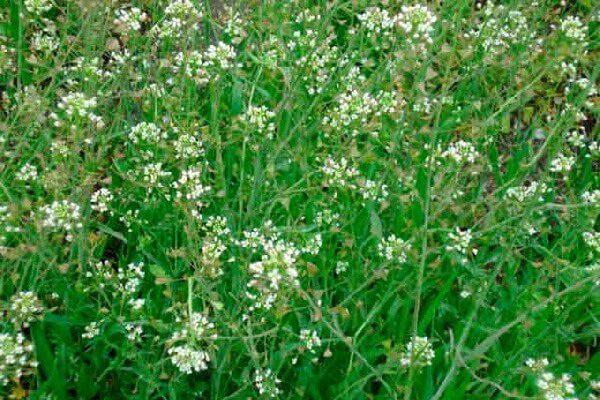
Shepherd's purse
It severely depletes the soil. Although shepherd's purse is a medicinal plant, it can pose a threat to some vegetable crops, choking their seedlings.

Rape
It is closely related to cabbage, which is why it is not recommended for planting after it.
Radish
Planting radishes will cause increased morbidity even with good care.
rapeseed
The plant belongs to the cabbage family, so it suffers from the same diseases and is affected by the same insects.
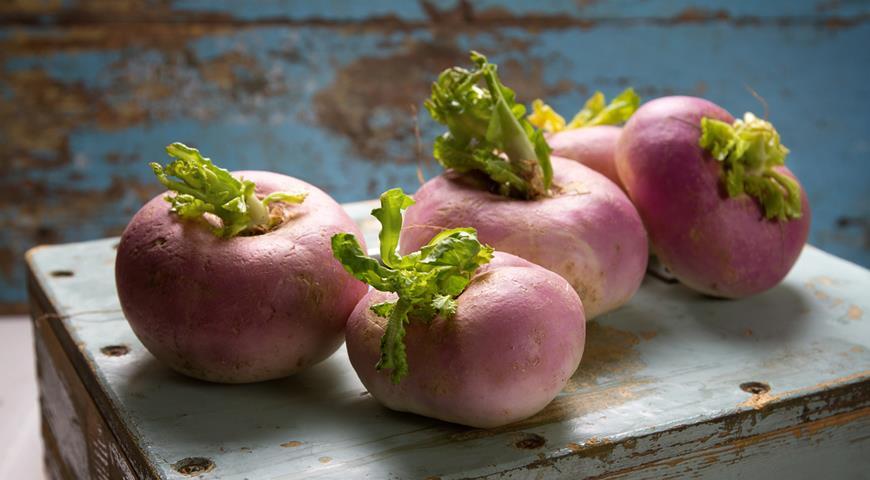
Turnip
This variety of rutabaga will promote the development of cabbage pests and diseases.
Horseradish
Horseradish shouldn't be planted in a plot after cabbage heads. The plant has strong roots that penetrate the soil to a depth of up to 1 meter, extracting almost all the nutrients from it. It will become a real problem in the plot and will be difficult to remove.
Strawberry
Strawberries are a poor companion for cabbage in the garden. It's not advisable to plant strawberries after them, or directly next to them, as they mutually suppress each other.If crop rotation rules are ignored, the gardener risks crop degeneration due to soil depletion, as well as the spread of diseases and pests on the plot.By following these recommended crop rotation tips, you can enjoy abundant vegetable harvests each year with minimal maintenance costs.
Related posts:
 Description of the best cabbage varieties for 2025 for different regions
 Growing and caring for Chinese cabbage in open ground and greenhouses
 Planting, growing, and caring for cauliflower in open ground and greenhouses
 Why does cabbage grow tall in the garden and what can be done about it?
 Why do cabbage leaves turn purple and what can be done to treat them?
 Why cabbage leaves wilt in the garden and what to do
 How to properly plant cabbage seedlings in open ground: spacing, timing, and temperature
 Can cabbage be sprayed with valerian to control pests and what are the treatment guidelines?