
- Description and characteristics of Swiss chard beet
- Difference from regular beets
- Advantages and disadvantages of Swiss chard
- The nuances of growing crops
- Time to sow leaf beet
- Choosing a landing site
- What should the soil be like?
- How to plant Swiss chard?
- Beetroot Care Tips
- Temperature
- Watering
- Top dressing
- Diseases and harmful bugs
- Harvesting and storing leaf beet
- Reviews of the plant
Leafy beetroot hasn't gained much popularity in the former Soviet Union. Although it's a source of vitamins and has excellent flavor, it also has medicinal properties. Swiss chard doesn't require much care and produces fruit almost year-round. To successfully grow the crop, it's important to familiarize yourself with all its characteristics.
Description and characteristics of Swiss chard beet
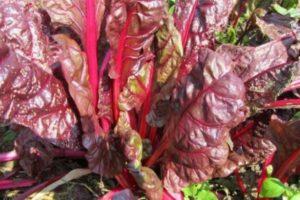
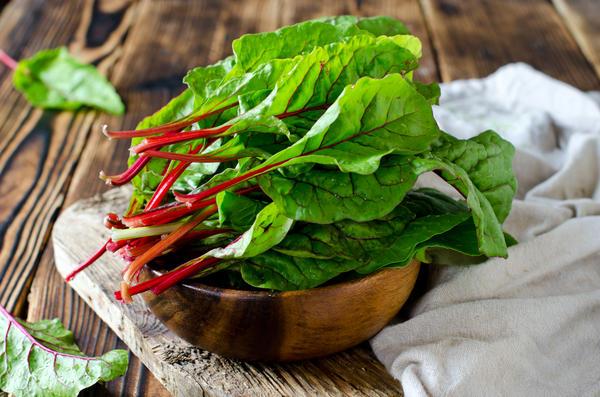
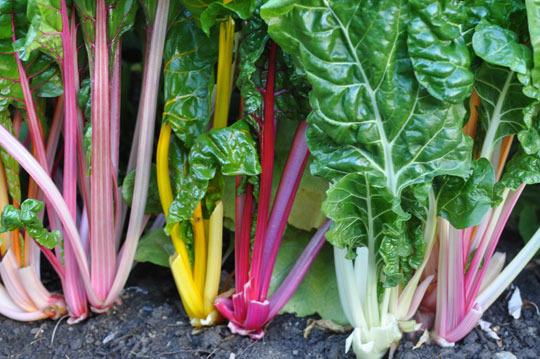
Swiss chard has been cultivated worldwide since the 16th century. It is a table vegetable belonging to the Amaranthaceae family. The leaves and petioles are eaten, but the root is inedible. The plant is popular in the US, Japan, and Europe, but is rarely found in private gardens in Russia. It thrives in southern and temperate latitudes, but not in the North, where it is grown in greenhouses. It is a biennial vegetable; the rhizome and rosette of leaves develop in the first year.
In the second year, seeds form. The leaves are large, varied in color, with a corrugated surface and wide petioles. They taste similar to young beets and spinach. Leafy and petiolate varieties are distinguished. The former have petioles up to 5 cm wide and are eaten like asparagus. Swiss chard is used like young cabbage and spinach.
Difference from regular beets
The leafy variety differs from standard beets in that it lacks a root. This variety is prized for its leaves and nutritious petioles. Due to its bright, striking foliage, it is widely used as a decorative element for gardens.
Advantages and disadvantages of Swiss chard
Swiss chard boasts numerous benefits, but there are also some downsides. These can be considered imaginary; the problem can be solved by planting the vegetable in a greenhouse.
| Pros | Cons |
| Early ripening period | Poor frost resistance |
| Excellent taste | |
| Aesthetic appearance | |
| Easy to care for | |
| Long fruiting period | |
| High productivity |
Take a look Also
The nuances of growing crops
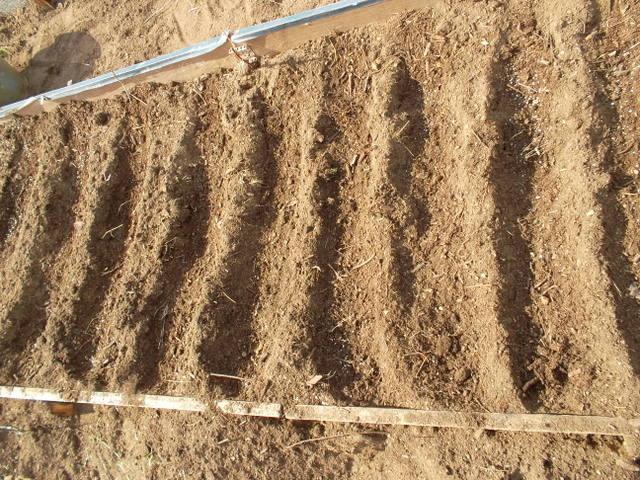
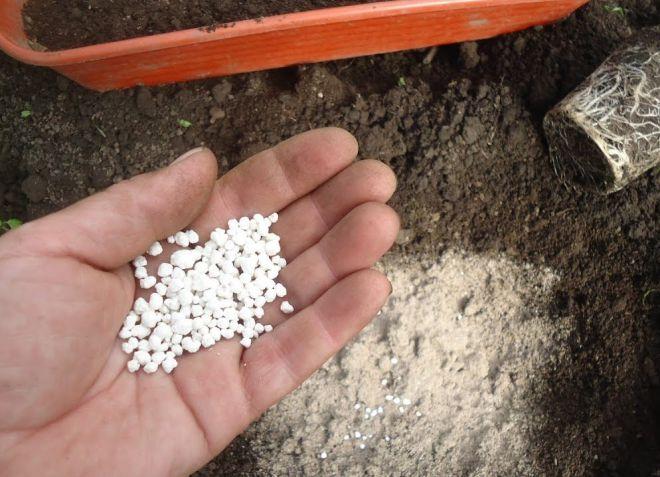
Swiss chard should be grown by sowing seeds directly into the ground. Seeds germinate successfully when the soil warms to 5°C or more. Depending on local weather conditions, sowing occurs in early or mid-summer. The soil is prepared in the fall by plowing and applying fertilizer. The area is dug over, and weeds and the roots of previous crops are removed. 5 kg of rotted manure, 20 g of superphosphate, and 15 g of potassium chloride are applied per square meter. In the spring, the soil is loosened shallowly, adding 10 g of ammonium sulfate per square meter.
The seeds are dipped in the growth stimulator Epin or Zircon for 2 hours.
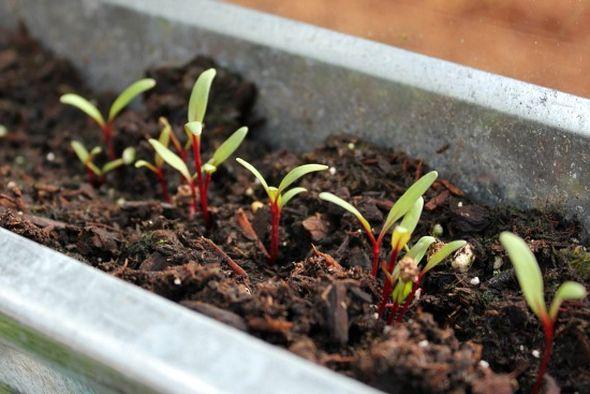
Next, they are sown at a depth of 2 cm in a single row, maintaining a distance of 35 cm between the beds. After sowing, the furrow surface is mulched with peat and watered. The seed rate per 2 square meters is 1 g. Seedlings will form in 10 days; until then, it is important to monitor the soil moisture. To quickly harvest and save time, chard can be sifted before winter. Sowing is carried out at a temperature of +5 °C. The top layer of soil is mulched with peat, enriched with a 5 cm layer of humus.
Time to sow leaf beet
The optimal time for planting seeds is mid- to late April. In northern regions, this procedure is postponed until after May 15. The second stage is carried out in mid-July, and the third in late September.
Choosing a landing site
It's best to plant Swiss chard in well-drained areas. If winter sowing is desired, choose low-lying areas to avoid waterlogging in the spring. When planting beds, pay attention to crop rotation. Swiss chard should not be planted in areas previously occupied by spinach or beets. Preferred neighbors include carrots, radishes, legumes, and horseradish. If there is not enough sunlight, a lot of nitrates can accumulate in the leaves.
What should the soil be like?
It's best to plant Swiss chard in loamy or sandy loam soils. They're easy to cultivate, distribute moisture evenly, retain it in the roots, and provide aeration and heat retention. The plant will grow poorly in clay soils. These soils don't warm up well and are impermeable to moisture and oxygen. Water stagnation often occurs, which impairs aeration. This slows down the plant's growth and reduces yield. Sandstone soils are also unsuitable. They warm up quickly and allow moisture to pass through, but they quickly leach minerals into the deeper soil layers, depriving the crop of nutrients.

How to plant Swiss chard?
Swiss chard is grown by sowing directly into the ground or by row sowing at a depth of 3 cm, with rows spaced 40-45 cm apart. When the air temperature reaches 10 degrees Celsius, seedlings emerge in 14 days. To speed up germination, you can cover the bed with plastic or lutrasil.
Beetroot Care Tips
Swiss chard is a biennial plant, but in the North, it is grown as an annual. In mild climates, the vegetable can be left to overwinter, protected from frost by covering it indoors. Growing on windowsills is also possible, provided there is sufficient light. The process growing chard It's no different from regular beets. The soil is loosened periodically, and weeds are removed. With proper care, the harvest continues year-round.
Temperature
The plant is relatively frost-hardy, surviving temperatures down to -15 degrees Celsius. In regions with cold winters, beets grown in the garden may freeze.
Watering
Irrigation should be combined with the application of organic and mineral fertilizers. Water the roots twice a week. Use settled, not cold, water. Apply water slowly to avoid washing away the leaves.
Top dressing
During the growing season, two soil feedings are done: during growth and when cutting leaves. Since beet leaves are edible, chemical fertilizers should not be used. Nitrogen should not be added before winter to prevent excessive germination. It is advisable to use urea, dissolving 10 g in 10 liters of water. Humus is added in the same proportion.
Diseases and harmful bugs
Swiss chard is renowned for its high resistance to diseases and beetles, but it is sometimes susceptible to powdery mildew. This usually occurs if the planting was done in beds with plant debris contaminated with fungal spores. Among the harmful beetles that attack Swiss chard are aphids and flea beetles. They can be controlled by spraying with insecticides or an onion infusion. As a preventative measure, the vegetable beds are sprinkled with ash. They should be inspected weekly.
Harvesting and storing leaf beet
Swiss chard can be harvested during the summer after five leaves have developed. Remove 3-4 leaves from the outer edge of the rosette, 3 cm above the ground. The final harvest takes place in mid-October, before the onset of prolonged cold weather. To preserve the harvested beet leaves, store them in wooden boxes.
At 0 degrees Celsius, the vegetable can be stored for 7 days. Freezing is required to preserve beet leaves for a longer period.
First, select the best-quality beets and package them unwashed in bags. If you rinse them under water, you risk getting a frozen mess. Store beet leaves in the freezer for up to six months.


Reviews of the plant
Feedback about leaf beet is positive, and most gardeners like the vegetable.
Elizaveta, 38 years old, Novoshakhtinsk.
Hello everyone! I've been growing Swiss chard in my garden for about six years. I eat it year-round, using the leaves in salads and making entrees. The plant lives for two years and is rarely attacked by disease. I've only seen it once. aphids on beets, but I got rid of it with a soapy solution. I recommend everyone to grow Swiss chard.
Pavel, 40 years old, Taganrog.
Hello! A neighbor gave me some Swiss chard in 2012. I've been growing it at my dacha ever since. It's delicious, and I use it in a variety of dishes, my favorite being green borscht. I care for it like regular beets. I grow the plants in a greenhouse and fertilize them regularly.
Rostislav Nikitin, 48 years old, Volzhsky.
Hello! I have only positive experiences with Swiss chard; it's one of my favorite vegetables. I use the leaves in soups and salads, eat them fresh, and freeze them in bags for the winter. I recommend growing this exotic vegetable to anyone, even inexperienced gardeners.
Related posts:
 Description and characteristics of 35 best beet varieties, planting and care rules
 Growing and caring for beets in open ground: step-by-step agricultural technology
 24 Best Recipes for Preserving Beets for the Winter
 Description of sugar beet varieties, cultivation technology and growing conditions
 TOP 10 recipes for delicious beetroot caviar for the winter – finger-licking good!
 Reasons why beet leaves turn yellow, care mistakes, what to do, and how to treat them
 How and when to properly plant beet seeds in open ground
 How often should beets be watered in open ground, the rules and timing of the procedure