
Most gardeners and horticulturists who want to maximize their gardening and achieve a bountiful harvest wonder how often to water beets grown outdoors. This process is crucial for this root vegetable. Maintaining proper soil moisture levels improves the quality of the harvest and the taste of the root vegetable.
Why water beets?
Sugar beets, or table beets, are considered an undemanding root vegetable that thrives on moisture. To ensure a juicy, sweet harvest that will last for a long time, beets need regular but proper watering.
It's important to remember that during the growing season, when the crop germinates, its seedlings begin to take root. At this point, watering should be generous to ensure the roots develop properly. Therefore, beets should be watered regularly during this period. However, the soil should remain moist, not wet.
The climate in which the crop grows should also be considered. If it doesn't experience periods of drought or rain, then watering the beets once a week is sufficient. Once the root system has formed, the beets begin to obtain their own moisture. Therefore, watering should be done infrequently.
Signs of lack of moisture
You can tell if your plant needs water by a number of signs. The most accurate indicator in this case is the soil. It should be moist all the way to the roots. You can check this by sticking a long wooden skewer into the soil. Do this in several places.
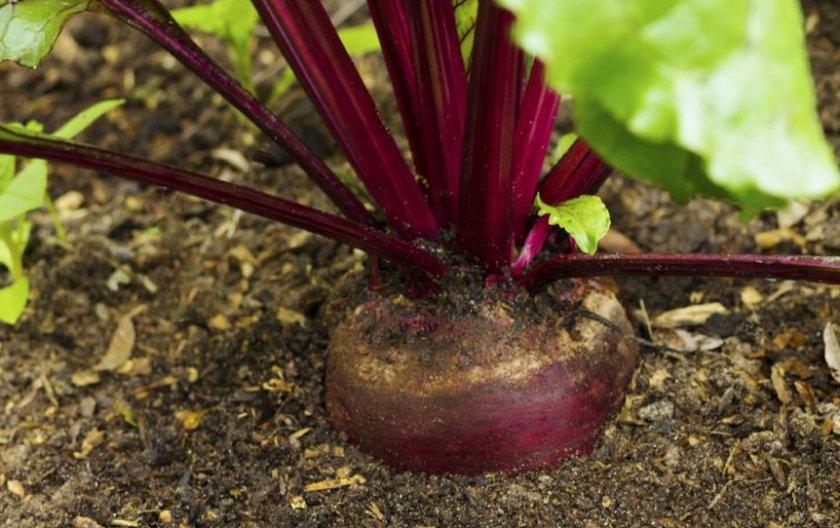
If the soil is dry on top but moist inside, as indicated by dirt clinging to the skewer, then the beets don't need watering. However, if the skewer remains dry after being inserted into the soil, then watering is necessary.
You can recognize a lack of moisture by the following signs:
- slow plant growth;
- wilted tops that hang down;
- dullness and dryness of leaves;
- red and yellow color of tops;
- underdeveloped root system.
These signs indicate a lack of moisture in the soil. This problem should be addressed as quickly as possible. Otherwise, the root crop will have a negative taste. The beetroot will become hard and bitter.
Irrigation methods
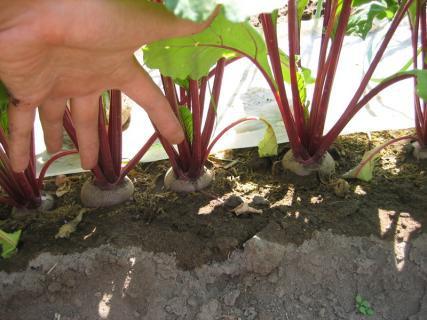
Since beets are an easy-to-grow crop, all irrigation methods are suitable. It's best if they mimic the sprinkler process. The beet tops are not susceptible to any diseases caused by residual water droplets, so sprinkling water over the leaves is considered completely safe.

Using a hose
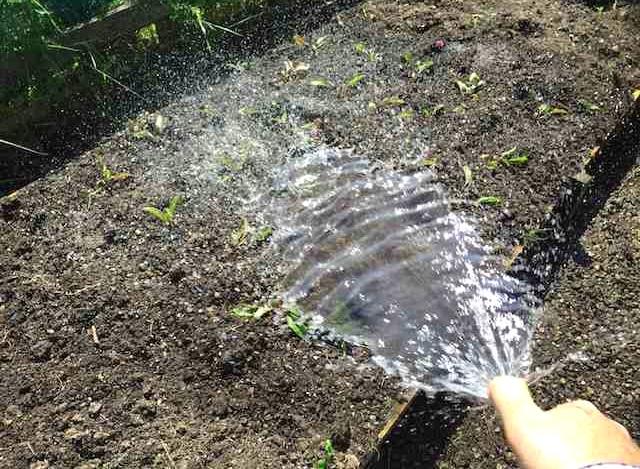
A hose is best for watering large areas of beets. This attachment can be extended to the desired area or positioned to provide a spray. However, use caution with the hose, as a strong stream of water can damage the plant.
Therefore, it is necessary to carefully select a spray nozzle and install the hose so that water is supplied from a low height.
Drip irrigation
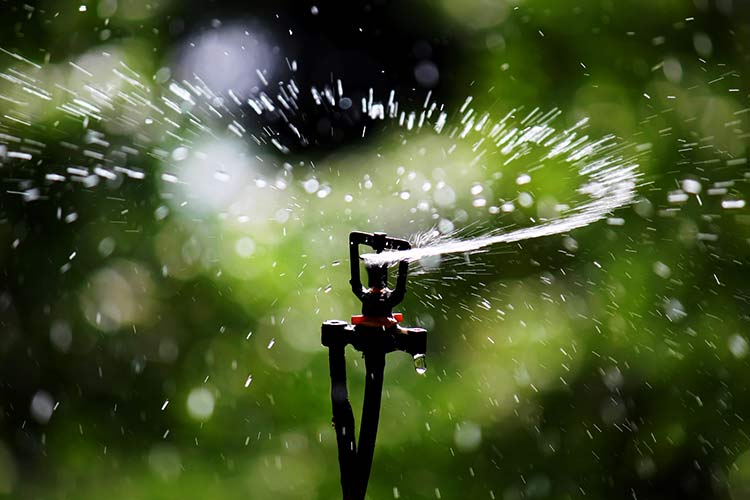
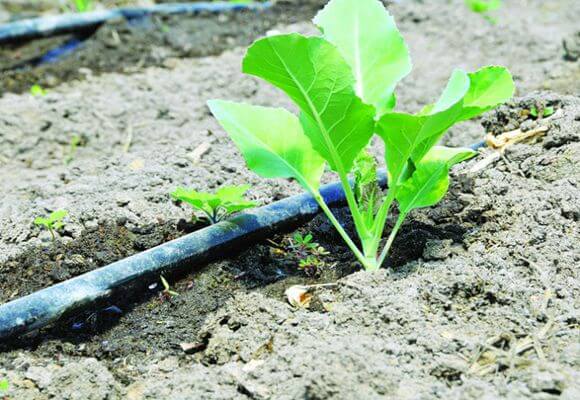
It's considered an effective soil moisture method, best used during the early stages of crop maturation. This method allows for optimal soil moisture maintenance. However, when beets enter the second growing season, drip irrigation becomes impractical.
Watering with a watering can
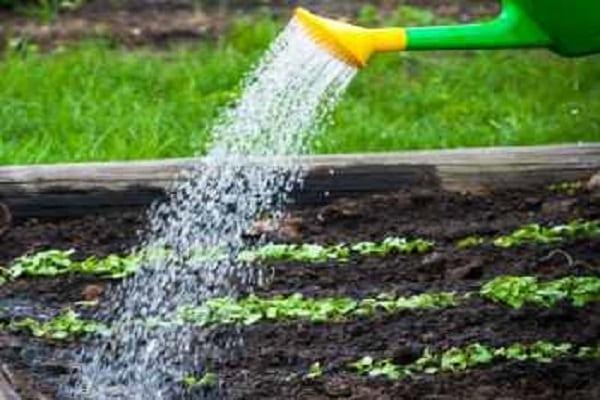
A watering can is the simplest and most accessible method of watering. Gardeners often use it because it's inexpensive. A watering can allows for precise application of water to a specific area or to the entire beet row. However, this method isn't ideal for large areas.
Sprinkling
This watering method is considered the most optimal, requiring little or no gardener's constant attention. However, it is considered the most expensive in terms of material costs. Furthermore, it requires high water pressure.
How to water beets correctly?
Many gardeners believe that rainwater is the best. This is true, as it has a soft texture. However, collecting it in sufficient quantities for irrigation can be problematic. Therefore, gardeners most often use water from a well or tap.
Water requirements
Don't water beets with cold water straight from a well or tap. It needs to sit for a while until its temperature matches that of the air or soil. It's best to let it sit for 24 hours to allow any hard particles and harmful impurities to settle and form sediment. The ideal water temperature is considered to be at least twelve degrees Celsius, and seventeen degrees Celsius is even better.
Watering the root vegetable with well or artesian water is strictly prohibited. Cold water will weaken the plant and inhibit root development.
Beetroot water should be soft. To soften its texture, you can add a little wood ash. Fifty grams of ash is enough for twenty liters of water. Adding boric acid or salt to the water is very beneficial. Such solutions improve the taste of the root vegetable. Water with them. beets should be harvested during the ripening periodBut this should be done in moderation to avoid soil salinization.

Watering rate and frequency
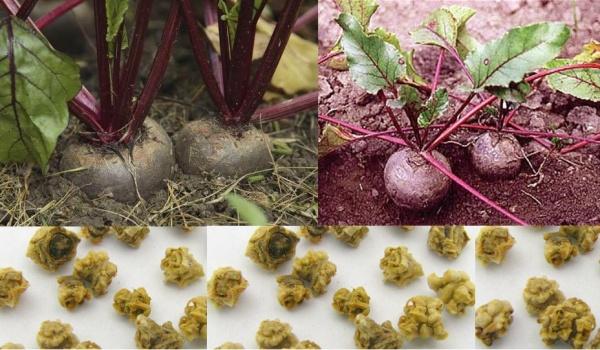
The frequency of watering beets will depend on their growing stage. A soil moisture regimen might look like this:
- Before sowing seeds, the soil is thoroughly moistened, it should become quite wet;
- During the period until the first shoots appear and the seedlings themselves become strong, it is important to ensure that the soil does not dry out, so watering is carried out every three days;
- When the fruit is formed and it fills out in volume, the frequency of watering is reduced; it will be enough to do this process once every seven days or even every ten days, depending on weather conditions;
- Three weeks before harvesting, watering of beets should be stopped, this will give the fruit time to prepare for the storage process;
- When it comes to dry summers, during which there is little rainfall, then watering is done every four days.
If this watering schedule is difficult to follow and gardeners don't frequent their plots, then during the germination period, the bed itself can be sprinkled with a thin layer of peat or straw. This will help retain moisture. As for watering rates, more water is needed as the crop grows and the fruit ripens.
An already formed root crop needs at least eight liters of liquid, but the frequency of watering is significantly reduced.
Additional watering recommendations
To get a good beet harvest, it's not enough to just follow the correct watering schedule. Other important recommendations must also be followed. These include:
- At the initial stage, the bed should be formed in such a way that when watering, the liquid gets directly into the area of the crop’s root system, and does not spread over the surface;
- the plant must be watered only with warm water that has settled and reached the temperature of the soil;
- On very hot days, it is recommended to water beets in the evening;
- in damp and cloudy weather, this procedure should be carried out in the morning so that the roots do not suffer from the cold at night;
- When watering beets with a hose, be sure to use spray nozzles to avoid damaging the crop and washing away the soil.
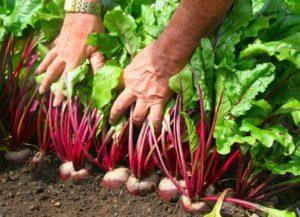
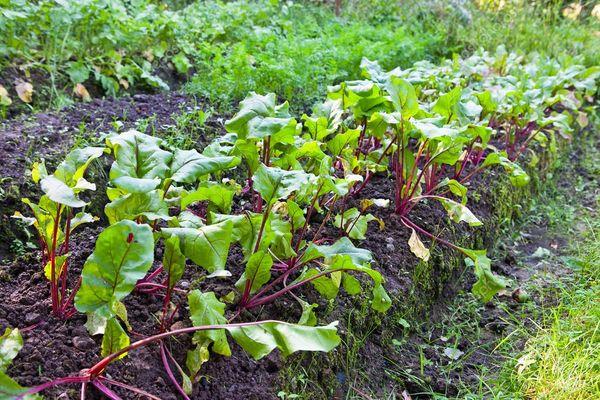
These tips are easy to follow, but they'll help you get a great harvest that the whole family will enjoy.
Increasing sugar content by other means
Good beets have a sufficient sugar content. This is the root vegetable every gardener dreams of. But achieving this requires some effort. In July and August, it is recommended to feed the crop with a nitroammophoska solution. It is prepared at a rate of 30 grams of fertilizer per 10 liters of water. This solution is watered between the beds, after which the soil is further treated with clean water.
In August, you should also fertilize the crop with compounds containing boron and manganese. This will increase the root vegetable's sugar content. Beets also love salt, so you can feed them with regular table salt during the growing season. This should be done about three times. Then, the beets will become unusually sugary.
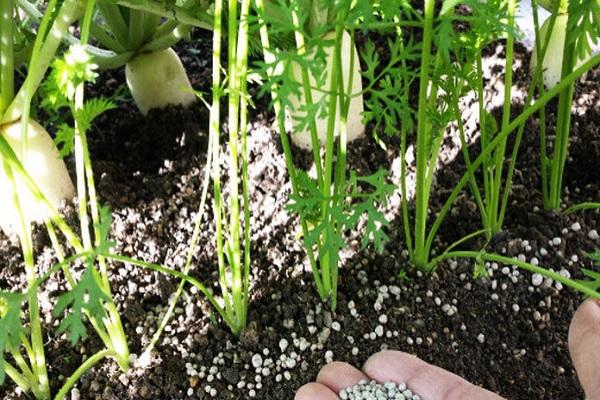
To increase the sugar content of the root vegetable, you should also follow other recommendations:
- The area where this crop will be planted must be exposed to sunlight and cannot be in the shade.
- If beets were already planted in the chosen location last year, then they can only be planted there again after three years have passed.
- The soil for planting beets should be neutral. If its acidity exceeds zero, the sugar content of the root vegetable decreases.
- It is not recommended to feed beets with manure, otherwise the nitrogen it contains will give the fruit an iodine taste.
These beetroot care tips will help give this root vegetable the desired sugar content. Then, the whole family will enjoy the taste of the ripened fruit.
Related posts:
 How to water cucumbers in a greenhouse and open ground, timing and water consumption rates
 How often should you water watermelons in open ground? Rules and timing
 How often should you water cabbage in open ground, how many times, and with what kind of water?
 How often should you water zucchini in open ground? Irrigation rates and methods.
 TOP 10 recipes for delicious beetroot caviar for the winter – finger-licking good!
 Growing and caring for beets in open ground: step-by-step agricultural technology
 How often should you water pumpkins in open ground in August during hot weather?
 Carrot care guidelines for outdoor cultivation to ensure a good harvest