
Sugar beets are grown in almost every garden today. Gardeners love these varieties for their high sugar content and versatility. These vegetables are now used in livestock farming, industrial production, and cooking. Even a novice gardener, familiar with the basic rules of growing this vegetable, can achieve good yields of high-sugar fruits.
Sugar beet: description
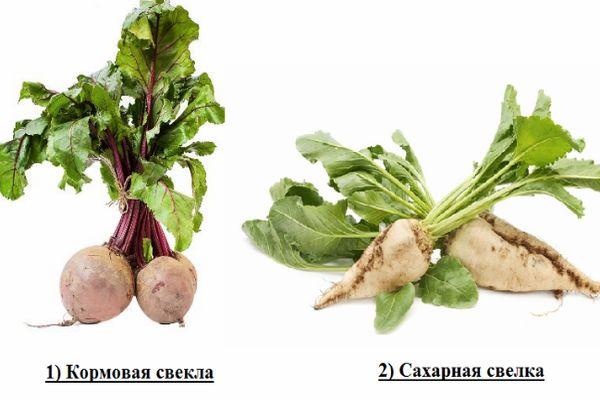
Many thousands of years ago, people cultivated beets and ate only the leaves. Later, the root's flavor was appreciated, leading to its widespread use. Cross-pollination resulted in the development of two varieties of beets: food and fodder varieties.
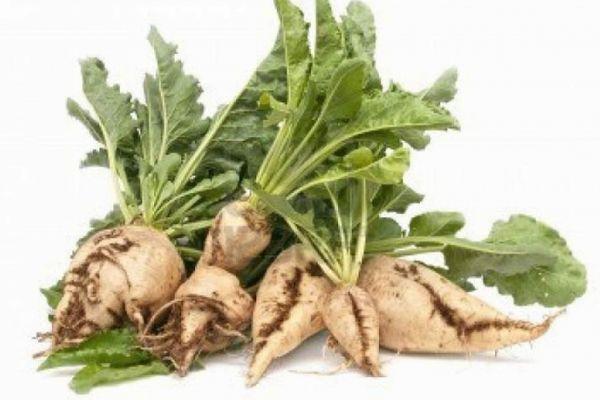
The development of sugar beet is the result of selective breeding. Small amounts of sugar are also present in forage varieties, but they are not suitable for sugar production. The advantage of sugar beet is its ability to be grown widely, which is impossible for bamboo or sugarcane. Moreover, the difference in sugar content between the root vegetable and these plants is negligible, and for some beet varieties, it is even greater.
The best beets contain up to 20% sugar.
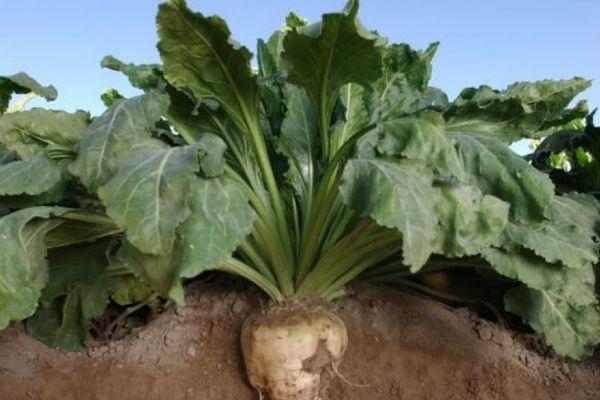
There are varieties of red and white sugar beets. The latter is a biennial root vegetable, and during its first year of cultivation, it forms an oblong vegetable with a dense, fleshy texture. Traditional red-violet varieties are more popular in Russian regions.
Today, the root vegetable is widely used in cooking. It is used to make medicinal mixtures for the treatment of many ailments. In addition to sucrose, the vegetable contains a large number of vitamins and microelements that have a positive effect on human health. Consumption of sugar beet is prohibited if you have diabetes.
Sugar beets are used on farms to produce nutritious livestock feed. Beets are 100% productive, as industrial waste is subsequently used as livestock feed and as a raw material for the production of yeast, citric acid, alcohol, and organic acids.
Choosing Soil for Growing Sugar Beets
Yield and productivity are highly dependent on variety. Proper soil selection is an essential factor for a good harvest. Root crops require light, acid-neutral soil. Sugar beet cultivation technology allows for the use of plowed, drained peatlands and gray soils.
The key to high root crop yields is the presence of a moisture-retaining soil layer at a depth of 0.6 to 0.8 meters. A deeper layer can cause the vegetables to rot, while a lack of water can slow growth. With proper soil selection and proper cultivation techniques, the vegetable can reach gigantic proportions. The world's largest root crop, weighing 23.4 kg, was officially recorded.
Predecessors for beets in crop rotation
Failure to follow crop rotation rules can result in the inability to obtain a large harvest. Growing sugar beet varieties and crops that produce similar root crops is unacceptable.
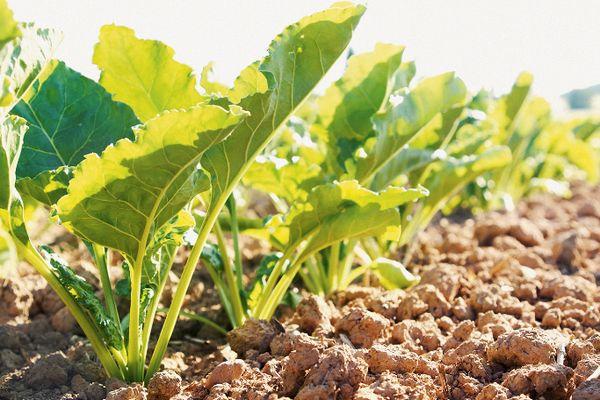
It is not recommended to plant after previously growing the following species:
- rapeseed;
- cabbage species;
- radishes;
- legumes.
Sweet beets are susceptible to diseases common to these plants, so the risk of developing them increases significantly when planting in the same location as previous crops. The best areas for beets are those previously grown with barley or wheat. They can also be planted in areas previously used for potato crops. Vegetables and herbs are compatible, as the latter repel harmful insects from the roots.
You can't do that planting beets in the area of cereal crops, if herbicides such as methylsulfuron-methyl or chlorsulfuron were previously used during their cultivation. It is permissible to replant the same crop in the same place where beets were previously grown only after 3 years have passed.
Autumn and spring soil cultivation
The key to beet cultivation is that soil preparation begins in the fall. During this period, the soil is thoroughly tilled. Thorough loosening of the soil is key to achieving a high yield, as good air permeability and moisture flow will promote better germination and root development. It is recommended to add potassium and nitrogen-containing fertilizers to the soil and enrich the planting site with manure.
The first year of cultivation requires spring preparation in the form of leveling the area, which ensures uniform distribution of moisture and reduces the risk of water stagnation in the soil.
Fertilizers for beets
Fertilizing beets begins in the fall. During this period, the soil is enriched with potassium-phosphorus fertilizers at a rate of 2 kg and manure at a rate of 35 kg per 100 square meters. According to sugar beet growing technology, nitrogen is added to the soil two weeks before planting at a rate of 1 kg per 100 square meters. Applying more fertilizer is not recommended, as the beet root has the ability to accumulate nutrients. Watering with a solution prepared from 1.25 parts nitrogen-containing fertilizer to 1 liter of water is acceptable.
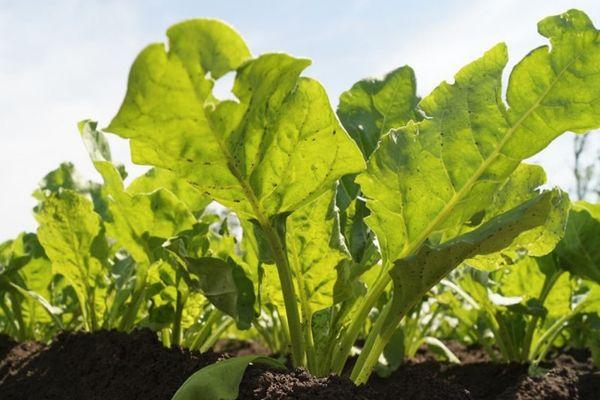
More root crops can be obtained by applying 200 g of superphosphate per 100 square meters of soil at the time of seed planting, burying the fertilizer 4 cm deep. The applied fertilizer decomposes throughout the plant's growth period, providing the crop with a full complement of essential nutrients for producing fruit with good flavor and appearance.
During the growing season, timely loosening and watering are sufficient. During the mass-gaining period, the planting site should be treated with an ammonia mixture once a month at a rate of 1.5 liters per 100 square meters. Stop fertilizing three weeks before the planned harvest.
Selecting Beet Varieties
There are many varieties of sugar beets available on the garden market today. They can vary in shape, color, and fruit weight. The main difference is sugar content. Based on this criterion, they are generally classified into three groups:
- fruitful;
- high-yielding sugar;
- sugary.
The first category is characterized by low sugar content and high yields, making it suitable for livestock feed. High-sugar varieties contain up to 20.5% sweetness but have low yields, making them rarely used for livestock feed. When grown on an industrial scale, planting areas are calculated based on the number of livestock.
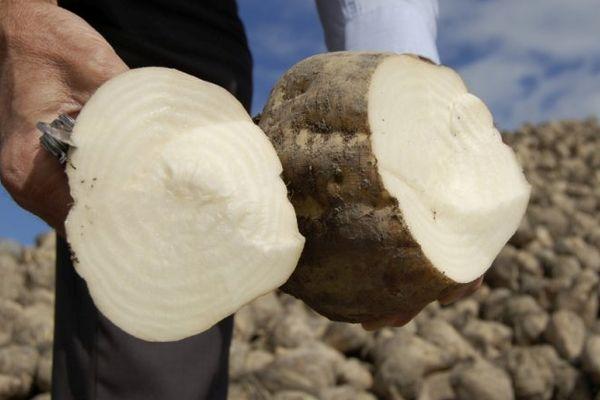
Beet tops and root vegetables have virtually identical nutritional value. It's generally accepted that 100 kg of beets contain 25 feed units, equivalent to 25 kg of oats. At harvest, the root vegetable size can be roughly estimated, as the ratio of beet tops to root vegetables is 1:2.
The most popular varieties among gardeners are the following:
- Bohemia - sugar content up to 19%, average root weight 2 kg, harvest period 80 days, yield 300 c/ha, advantages include resistance to rot and ability to be stored for a long time.
- Bona - small in size and weight, fruits reach a mass of 300 g, belongs to the early varieties, and the ripening period is 84 days, sugar content up to 12%, yield 100 c/ha.
- Araksiya is a German-bred variety with a sugar content of up to 16%, one of the highest-yielding varieties with a yield of 800 c/ha, an advantage of the variety is its lack of tendency to form voids.
- Bigben, the result of German breeders, contains 17.5% sugar, yields 720 c/ha, and the fruits are resistant to hollow formation.
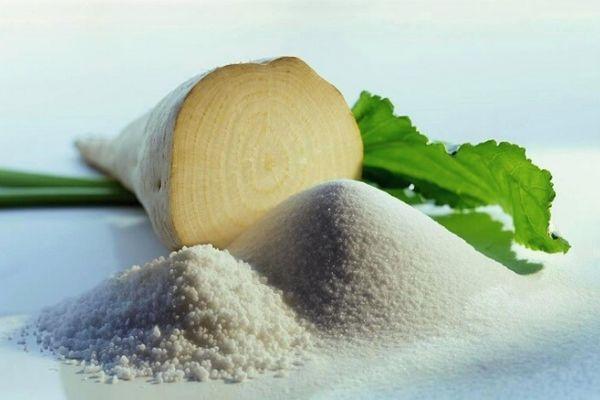
Today, producers supply planting material with instructional materials, which should be read before purchasing seeds. Experts say that seed size, which should be at least 3.5 cm, is an indicator of seed quality and a guarantee of a successful harvest.
Sowing beets
Sugar beet seeds are planted in their permanent growing area in the spring. The soil temperature reaches 6-8°C, indicating the start of planting. C, which should be distributed to a depth of 5 cm. Sowing of seeds should be preceded by pre-treatment in the form of soaking in wood ash, which will allow seedlings to emerge more quickly.
The seeding depth varies from 2 to 4 cm, depending on the soil density. The recommended distance between rows is 45 cm. Experienced gardeners recommend creating furrows and filling them with a thin layer of sand to improve germination. The distance between the furrows should be at least 18 cm, and the number of plants per meter should not exceed five.
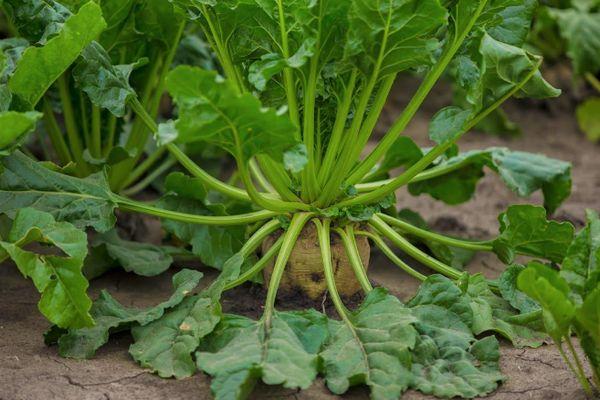
Beets are a water-loving garden crop that requires adequate soil moisture. The first watering should be done immediately after planting. Subsequently, it is recommended to use rain-simulating devices to water the soil.
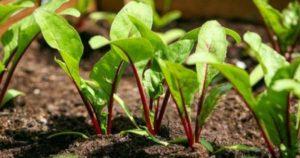
Planting and growing sugar beets involves thinning. On the fifth day, it is recommended to gently loosen the soil. Seedlings typically emerge on the eighth day; after two true leaves emerge, repeat the thinning procedure.
Weed control
To grow beets in a garden plot, manual weeding is sufficient. Large farms use herbicides such as fen- and desmedipham to control weeds. These are applied to the soil after emergence, in the morning or evening, when the soil surface temperature is 15-25°C. C. After processing, there should be no risk of precipitation for 6 hours.
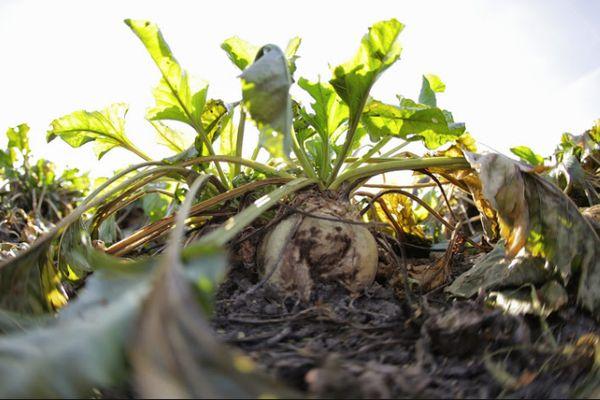
Pests and diseases
Knowing the pests and how to protect against them is essential for a good beet harvest. The greatest danger is the potential for brown rot or late rot. Aphids and nematodes are also common. Gardeners' advice suggests the following products are effective in combating these problems:
- Fitosporin;
- Fitoverm.
The advantage of such products is their biological safety. They do not accumulate in the soil or plants and do not reduce crop yields. Fitosporin can be used for soil treatment immediately before sowing, reducing the risk of disease.
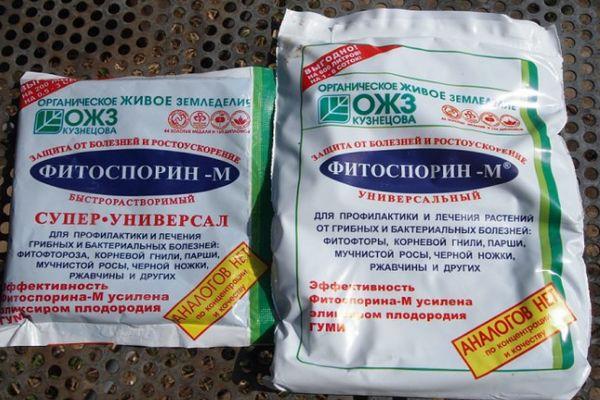
Experts say that beet disease Prevention is better than cure. Such problems can be avoided by following crop rotation, choosing the right soil, and following proper gardening practices. At the first sign of wireworms, nematodes, or any fungal diseases, immediately treat the crops with fungicides.
Harvesting
Vegetable harvesting begins in late September. A drop in temperature below 7°C signals the need for harvesting. C. Sugar beet varieties with an elongated, stretched shape should be handled with the greatest care, as they tend to have brittle roots.
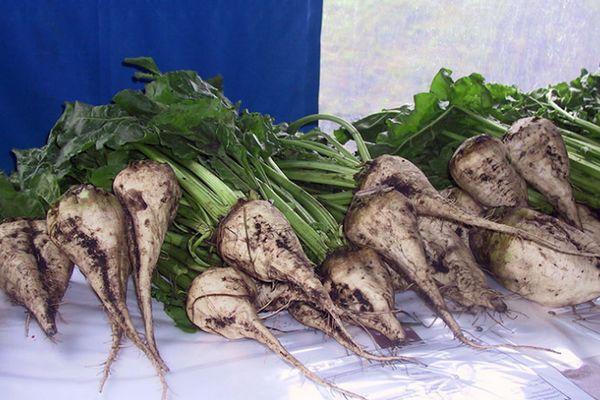
When digging, it is important not to damage the vegetables, as this will make them unsuitable for long-term storage.
Root crops must be thoroughly dried before storage. To do this, lay the fruit out on a flat surface under natural light and wait for excess moisture to completely evaporate. If necessary, remove soil from the surface of the root crop. The optimal temperature for storing beets is considered to be between 1 and 3°C. C. For culinary purposes, preparing soups and side dishes, it is possible to use the freezing method.
Related posts:
 Description and characteristics of 35 best beet varieties, planting and care rules
 Description of fodder beet and its differences from sugar beet, planting and growing features
 Growing and caring for beets in open ground: step-by-step agricultural technology
 Description of beetroot diseases, their control and treatment with medications and folk remedies
 How and when to properly plant beet seeds in open ground
 What to do if beet leaves are covered in spots, why this happens, and how to treat them
 Why beet leaves turn red and what to do
 TOP 10 recipes for delicious beetroot caviar for the winter – finger-licking good!