
- How to protect future crops from diseases
- Beetroot diseases: signs and causes
- There are brown spots on the beets: what is it?
- Why do young beet leaves turn light and dry out?
- Why are there brown spots with red edges on the leaves?
- The petioles of my beet leaves are turning black, what's wrong with them?
- Insect pests of beets
- Conclusion
Spotted beet leaves – how to treat the plants, what agricultural practices can help combat the problem? A complete and professional answer to this question determines the growth and yield of root crops. Spotting on the plant is a sign of fungal and bacterial diseases, as well as several types of pests.
How to protect future crops from diseases
Operations to eliminate the possibility of spotting on beet tops begin at the stage of purchasing and selecting the plant variety:
- When choosing seeds, preference is given to varieties and hybrids that are not susceptible to diseases and pests;
- Before planting, the soil of the bed is pre-prepared by adding mineral and organic fertilizers, bringing the acidity level to a pH of 5.5;
- preliminary treatment of seeds and root crops before storage with contact "Fundazol";
- It is important to provide plants with normal conditions for growth by performing the entire cycle of plant care operations;
- spots have appeared on the bushes, the beet tops are cut off and it may be necessary to remove the entire bush;
- It is essential to adhere to harvesting deadlines depending on the ripening period of root crops;
- Before being placed in the cellar, beets must undergo preliminary inspection and culling.

Many beet leaf diseases can be prevented by following the beet preparation and growing cycle. However, if the first small spots appear, treatment with pesticides should begin immediately.
Beetroot diseases: signs and causes
Every vegetable grower should have a tabletop guide listing which spots on vinaigrette beet leaves indicate various diseases. Only by knowing the disease "in person" can one choose the right treatment method. We'll try to understand why beet leaves become spotted or dry out in the following chapters.
There are brown spots on the beets: what is it?
Green foliage becomes covered with brownish spots—one of the symptoms of a fungal disease of vegetables called phoma. The disease affects not only the leaves and stems but can also completely destroy the harvest by affecting the roots. Even the harvested crop won't last long. They quickly rot, spreading the rot to neighboring vegetables.
Take a look Also
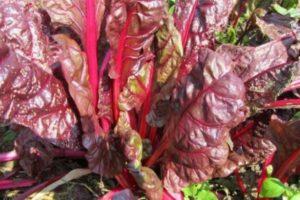
In the initial stages, affected areas are difficult to spot. Small, slightly elongated spots form on the leaves, and the pathogenic fungus is already beginning to destroy the vegetables. Control requires removing all old tops and foliage from the area. Proper plant replacement in the beds, disinfecting the planting material with a fungicide solution, and exposing the soil to high temperatures will help.

A full cycle of feeding plants with potassium-phosphorus fertilizers will help a strong plant resist fungus.
Brown spots don't always indicate a plant infestation with phoma. This spotting and dark coating can occur when water splashes on the foliage on a sunny day. To avoid sunburn, water early in the morning or after sunset.
Why do young beet leaves turn light and dry out?
Gardeners often notice that the leaves on several bushes suddenly take on a washed-out whitish hue. The affected leaves then begin to curl, and the outer surface of the foliage develops a thin, crimson border—symptoms of the early stages of downy mildew, a fungal disease that affects vegetables. This disease is also known as downy mildew. A grayish-purple coating appears on the underside of the foliage.

The main cause of the disease is the rapid growth of pathogenic fungi during rainy periods, excessive and frequent watering, or a sudden drop in temperature. The following will help eliminate the consequences and prevent the occurrence of fungi:
- compliance with crop rotation rules and timely weeding of rows and spaces between beets;
- to treat plants, use a 1% solution of Bordeaux mixture or use a composition with the addition of copper oxychloride (to prepare, dilute 50 g of the substance in a bucket of warm water);
- pre-sowing spraying of planting material with any fungicide solution.

Foliage drying can be caused by sunburn, either due to a mistake in preparing the solution or due to exposure to sunlight. Distinguishing this symptom from the disease is easy—the disease causes discoloration of the underside of the foliage.
Important! The minimum waiting period after growing beets in the garden is 3 years.
Beet seedlings are dying before they can grow—what's wrong with them?
Take a look Also

My beet leaves are turning pale. The plants may be infected with rootworm. This disease only affects young shoots. fodder beetThe possibility of this occurrence is due to the presence of pathogenic microorganisms in heavy clay or wet soil. It may be necessary to completely remove the plants that were the first to react to the infection and develop the disease.

To prevent the disease, it is necessary to constantly loosen the soil, maintain a thick layer of mulch on the ground under plants, and remove weeds and root shoots from trees and shrubs. Timely application of fertilizers and organic matter Fertilizing will help beets resist the disease.
Why are there brown spots with red edges on the leaves?
Brown spots on beet leaves with reddish-brown edges are signs of a fungal disease that affects many types of garden plants called cercospora leaf spot. Sugar beet, namely some varieties, are not susceptible to this disease.

The disease develops rapidly and infects neighboring beds if the area isn't kept free of weeds and root suckers. In the early stages, leaves become covered in brown spots, followed by early leaf fall. The plant doesn't receive sufficient chlorophyll and begins to lag behind in development. Foliage covered in brown spots should be removed immediately.
The control consists of hilling and weeding the rows of seedlings, maintaining the cleanliness of the soil between the rows and removing weeds.
The petioles of my beet leaves are turning black, what's wrong with them?
If a leaf petiole turns black, be sure to dig up the tuber and inspect it visually. Deep cracks with white powdery edges are visible on the vegetables—this is a clear sign of fusarium rot. If the cracked surfaces are covered with a brownish coating, this indicates brown rot.

These symptoms indicate the need for effective control measures. The disease often manifests itself in soil with increased acidity. Applying a 1 m3 fertilizer will help correct the situation.2200 g of quicklime. In waterlogged soils, seeds should be planted in raised beds or additional soil drainage should be provided in the garden.
Take a look Also
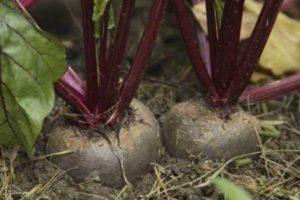
Among preventative measures, special attention is paid to plant litter that isn't removed from the beds in a timely manner. Garden pests and fungal colonies love to overwinter in this rotting layer of warmth.
Insect pests of beets
What to do when beet leaves start to become spotted? To solve this problem, you may need to use insecticide solutions and carry out pest prevention.

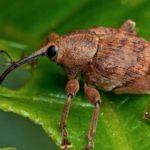
Insects attack different parts of the root crop, let's list the main ones beet pests:
- Black spotting occurs when yellow beet fly larvae feed;
- The beet leaf miner fly and its white larvae love to eat passages in the pulp of beet leaves;
- aphids on beet plantings attack the petioles of leaves, they feed on the juices rising from the roots, due to the disruption of normal conditions, the foliage gradually dies off before the harvest begins;
- Although beet flea beetles feed on tender roots, spots of dried-out covering appear on the foliage and quickly grow;
- The shield bug is a pest that resembles a bug in appearance; the insects feed on young shoots and the foliage of older plants.
For a detailed answer on how to treat beet crops, see a separate article on the website dedicated to beet pests.
Conclusion
Every gardener should remember the basic rule: diseases will not attack well-developed plants and individual root parts growing in nutritious soil with a balanced composition of mineral and organic fertilizers. If work is delayed, beet beds will need to be treated with fungicide and insecticide solutions to combat pest infestations.
Related posts:
 Reasons why beet leaves turn yellow, care mistakes, what to do, and how to treat them
 Description of sugar beet varieties, cultivation technology and growing conditions
 Description and characteristics of 35 best beet varieties, planting and care rules
 Why beet leaves turn red and what to do
 Description of beetroot diseases, their control and treatment with medications and folk remedies
 Growing and caring for beets in open ground: step-by-step agricultural technology
 How and when to properly plant beet seeds in open ground
 How to treat beets against pests, chemical and folk remedies for their control