
Pablo beetroot has received many positive reviews from experienced gardeners. This variety boasts numerous advantages and is well worth growing in your own garden.
Beets occupy a prominent place in the human diet. They are rich in vitamins and nutrients. There are many varieties of this root vegetable, but the Pablo F1 beet deserves special attention.
Before you begin growing beets, it's worth familiarizing yourself with the basics of beet cultivation and studying the description and characteristics of this variety. This information will allow you to grow this large and healthy root vegetable yourself, without loss or disappointment.
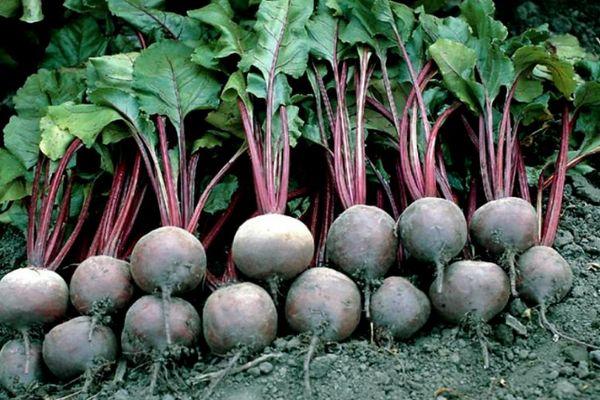
Description of the variety
The Pablo variety was developed by Dutch breeders. Being a hybrid, it has good resistance to many fungi and pests.
The Pablo variety is a mid-season variety. Its growing season lasts 105 days from sowing. This root vegetable is highly resistant to various viruses, is undemanding in soil conditions, and tolerates short periods of drought and prolonged rainfall.
All these qualities make the plant popular not only among hobby gardeners but also among farmers who grow vegetables for sale. The root vegetable has a dense yet flexible skin, which protects it from cracking.
The Pablo variety contains high amounts of sugar and betaine. It is capable of removing radionuclides from the human body and has a beneficial effect on the digestive tract.
Experienced vegetable growers note the following advantages of the Pablo variety:
- Excellent taste. The fruit has tender, juicy flesh with a slightly sweet flavor. It's used in a variety of dishes and is suitable for all types of preserves and juices.
- High yield is the hallmark of the Pablo variety. 6-7 kg of root vegetables are harvested per square meter per season. This beet variety almost always produces a high yield, despite the vagaries of the weather.
- The average weight of one root crop is about 100-180 g. This is not the limit for the hybrid; there are specimens weighing up to 500 g.
- This crop boasts excellent long-term storage properties without losing its flavor or appearance. It is also suitable for long-distance transportation.
Take a look Also
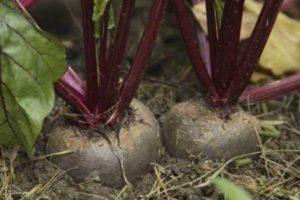
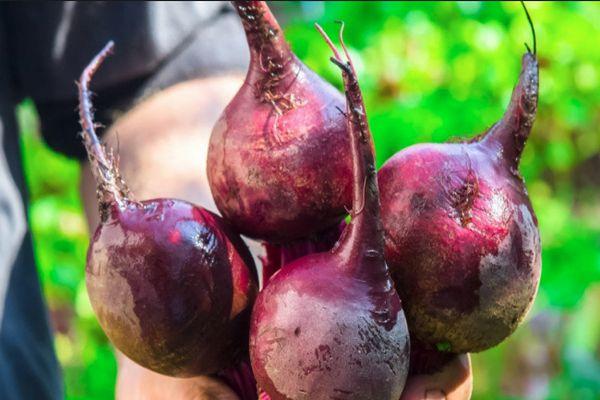
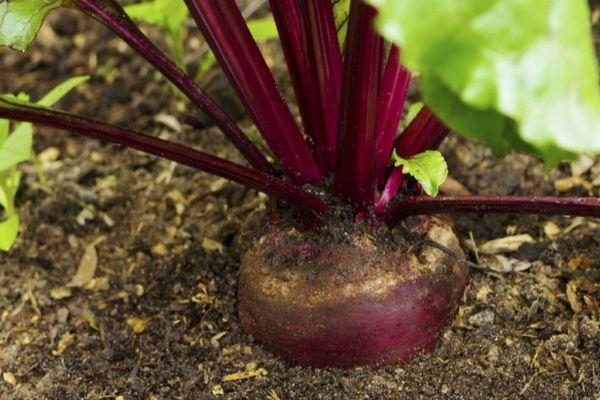
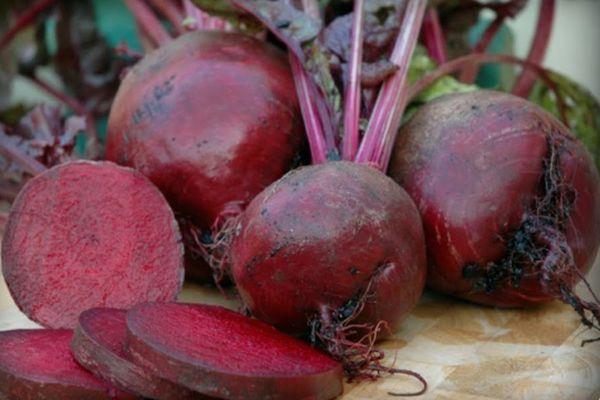
The Pablo beetroot fruit description is as follows: it's round in shape with a long, thin stem and dark red skin. The foliage is light green with dark burgundy veins. The flesh is smooth, burgundy with a raspberry hue, completely free of white veins and circles. The rosette emerging from the root is erect, with the foliage at the base almost burgundy.
Growing rules
Seeds are planted in late May or early June. By this time, the soil should warm to at least +8…+10°C, and the air temperature should be no lower than +18°C. Some gardeners also plant the vegetable in the fall, in September or October.
To ensure beets grow large and high-quality, it's important to choose the right soil and planting location. The soil should be neutral. Beets don't thrive in acidic soil.
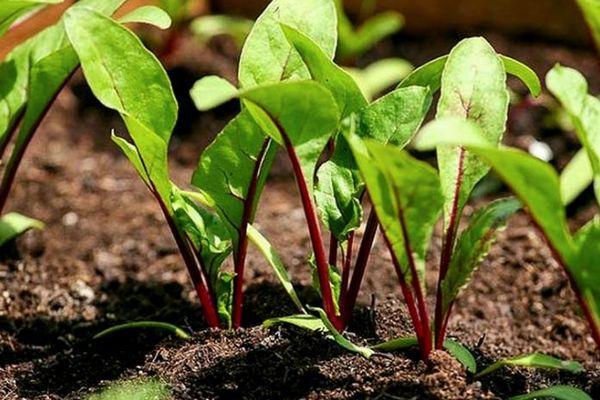
Before planting, the beds should be thoroughly tilled and fertilized with humus and peat moss and sand. Pablo beets thrive in beds previously occupied by cucumbers, tomatoes, peppers, or herbs. Choose a well-lit and sunny location for planting.
Growing the crop can be done in two ways: with seedlings and without seedlings.
To sow seeds directly into the ground, it's important to follow a few basic rules. Before planting, the seeds should be treated with a weak solution of potassium permanganate. This will disinfect the planting material and minimize the risk of various fungi. Soak the seeds in the solution for about two hours. Then, let them dry naturally in the sunlight.
Furrows no more than 2-3 cm deep are made in the beds. Seeds are placed in them and covered with soil, lightly pressing and compacting the soil.
Leave at least 30 cm between furrows. Immediately after sowing, water the beds with warm water. Once the seedlings emerge and develop a pair of strong leaves, you can fertilize the plants. Nitroammophoska and boric acid, as well as potassium and nitrogen, are good options for this.
Growing seedlings from seeds is quite simple. Seeds are planted in April or May. If planting in a greenhouse, leave at least 3 cm between the holes.
Before planting, Pablo beet seeds should be treated with a manganese solution and a growth stimulant. The seeds should be soaked in the solutions for no more than 1 hour. Then, they should be thoroughly dried.
The seedlings are regularly watered and fertilized. To prevent fungus from developing on young shoots, the greenhouse must be constantly ventilated and the shoots must be hardened off. Dampness and stagnant soil negatively affect the germination and growth of young plants.
The greenhouse temperature should be maintained at no lower than +18…+20°C. As soon as the sprouts develop 2 or 3 leaves, the young plant can be transplanted into the open ground.
Choose a warm time for planting. The key is to ensure that the risk of night frosts has been completely eliminated by this time. When planting seedlings in the beds, keep the root ball intact. This will prevent damage to the delicate roots and speed up the adaptation period to the new soil.
Care instructions
After planting the seeds, it's important to properly care for the beds. Here are some basic rules to follow:
- Regular watering should be done only with settled water. It is not recommended to moisten the beds with cold water, as this can stunt young plants' growth for a long time. It's important to find the right balance when watering. The soil should not crack or dry out due to lack of moisture. At the same time, it should not become stagnant or damp.
- The beds need to be loosened and weeded periodically. Loosening should only be done after the sprouts break the surface. For root vegetables, it's crucial that the soil is constantly oxygenated and aerated. Weeding should be done regularly. Weeds can suppress young vegetables and rob the soil of nutrients.
- Fertilizing. To promote vigorous growth and increase the vegetable's resistance to various fungi, add mineral fertilizers to the soil.
Take a look Also
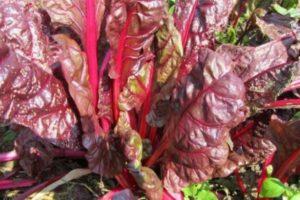
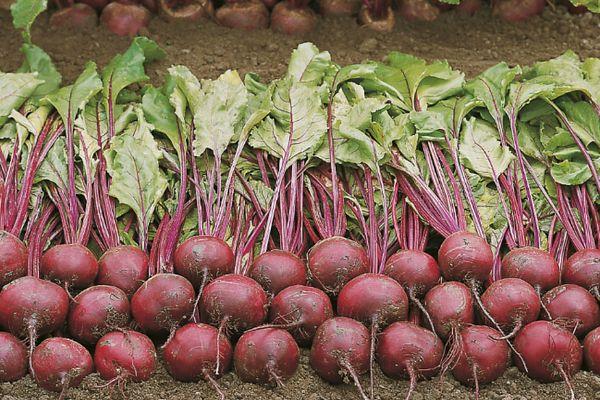
Beets complete their ripening process by autumn. It's crucial to harvest the crop promptly. A sign that the vegetable is ripe is its lower leaves. They dry out and turn yellow, falling to the ground.
After removing the root vegetable, remove the leaves, leaving a small stalk. Then dry it in a dry place. A wooden box filled with sand can be used for storage.
Related posts:
 24 Best Recipes for Preserving Beets for the Winter
 Description and characteristics of 35 best beet varieties, planting and care rules
 Description of the hybrid tomato Pablo, rules for growing the variety using seedlings and without seedlings
 TOP 10 recipes for delicious beetroot caviar for the winter – finger-licking good!
 Is it possible to grow an apricot tree from a seed in your garden? How to plant and care for it?
 Description of sugar beet varieties, cultivation technology and growing conditions
 Description of the Swiss Chard variety and cultivation of Swiss chard
 Description of Detroit beetroot, varieties and cultivation techniques