
- What does beetroot need and how to recognize starvation?
- Fertilizer application methods
- Foliar
- Root
- Folk remedies
- Boric acid
- Manure and chicken droppings
- Wood ash
- Saline solution
- Herbal infusion
- Yeast
- Nettle infusion
- Ammonia
- Mineral complexes and fertilizers
- How to apply fertilizers correctly and in what quantities
- When preparing the soil for planting
- During sowing
- In the process of growing
- After the transplant
Beetroot is a root vegetable that is popular among both novice and experienced gardeners. Growing beets Beets have some unique characteristics. Care instructions are based on the crop's distinctive features. Before planting the root vegetable, you should find out what kind of soil is being prepared for beets, what nutrients are used during the growth stage, and what is added during the ripening period.
What does beetroot need and how to recognize starvation?
Crops with a developed underground part require regular fertilization. This is due to the specific developmental characteristics of the plant. During its lifespan, the plant transitions from the stage of active above-ground growth to the development and growth of its underground part.
Beets appreciate a variety of nutrients. They require different combinations at each stage of development. Fertilizing is especially important after the plant's full-fledged tops have emerged.
Signs that beets need urgent feeding:
- the appearance of yellow spots on parts of the plant;
- leaves are developing poorly;
- the core begins to rot.
The need to add important elements can be determined by a more thorough analysis of the appearance of the plants.
| Sign | Element deficiency | What to feed |
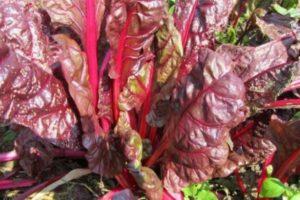
| Reddening of the tops, appearance of red veins on the leaf blades | Sodium | Saline solutions according to the scheme |
| Formation of yellow spots on leaves, yellowing of the middle of the stems | Potassium | Lime solutions, mineral complexes |
| Slow growth, sluggish development of the above-ground part | Nitrogen | Urea, ammonium nitrate, wood ash |
| Yellowing and falling of leaf blades, rotting at the base | Bor | Boric acid, sulfur, aluminum sulfate |
| Pale leaves, curling at the edges, reddening of the central veins | Molybdenum | Foliar feeding with mineral complexes |
| Stunted growth, small root crops, purple tint on leaves | Phosphorus | Fertilizing with superphosphates |
Fertilizer application methods
Beets are fertilized using different methods at different stages of development. Foliar applications are used to treat the above-ground portions of the plant, while root irrigation is used to apply the main nutrients.
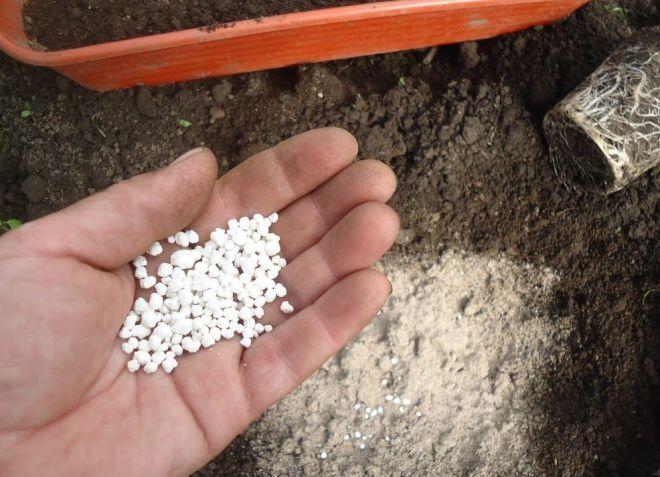
Warning! Overfertilizing can cause plant death. Fertilizer solutions can damage the root system or burn the leaves.
Foliar
This technique is used to stimulate the growth of the above-ground part of the plant and normalize root formation. Foliar feeding has several advantages:
- the leaves absorb elements faster than the roots;
- losses of the introduced substance are lower;
- the risk of overdose is reduced.
Foliar feeding is done early in the morning or late in the evening. This prevents the risk of burns caused by moisture evaporating from the leaf surface.
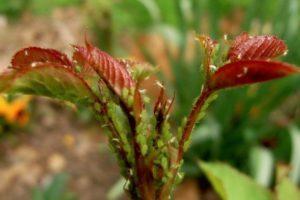

Warning! Foliar feeding should be alternated with root irrigation, as spraying cannot completely replace nutrient application.
Root
This technique is used to speed up root development. When nutrient deficiencies occur, beets extract nutrients from the soil. This depletes the soil and leads to reduced yields. Root feeding is a basic type of fertilizer. The full development of the crop depends on the regularity of application. Root feeding has several advantages and several disadvantages.
The positive qualities include active and rapid absorption of applied nutrients, while the disadvantages include the need for increased control over concentration. Applying too much active substance to the roots can burn parts of the root system. Root watering is typically done in the evening or on a cloudy, dry day. Some solutions are applied after watering. Formulations with a minimal concentration of the active substance can replace the next watering.
Strong plants are watered strictly at the root, while weak and short plants are watered along a shallow furrow prepared around the bush.
Folk remedies
Experienced gardeners advise against using a full arsenal of chemicals and store-bought mixtures to fertilize beets. Traditional methods help grow a good harvest when applied in a timely manner.
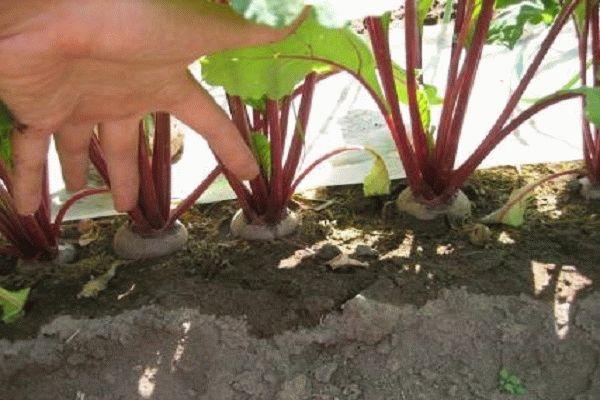
Boric acid
The basis of this fertilizer is boron. It is responsible for beet storage quality, the sugar content of the fruit, and the overall immunity of the crop. The use of boric acid is justified at all stages of beet development.
- To soak the seeds, prepare a solution of 0.1 percent boric acid. Leave the seedlings in the solution for 12 hours before planting.
- When 4-5 leaves appear, 4 grams of boric acid are dissolved in 10 liters of water and the above-ground part is generously sprayed.
- When the tops grow, 200 milligrams are diluted in 1 liter of water, then fertilized at the root after regular watering with clean water.
If necessary, boric acid fertilizing can be replaced with complex fertilizers (Sotka, Fertika Plus).
Manure and chicken droppings
Organic fertilizers are applied after 3-4 leaves appear on the beets. Two parts mullein are diluted with eight parts water and watered at the roots.
In addition, the above-ground part is sprayed with a mullein solution when the leaf blades turn yellow or brown.
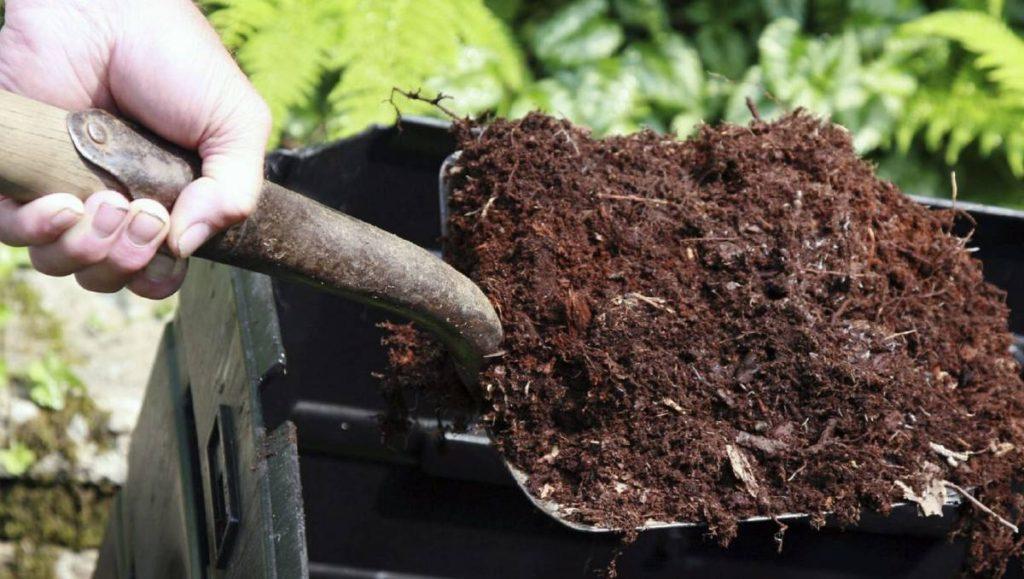
The soil is fertilized with chicken manure in the fall. It is added before digging or plowing the plot. In the spring, when preparing the plot, chicken manure is also added.
Wood ash
Ash is suitable for adding to the soil in which beets grow at all stages of vegetation:
- added during planting if the soil is not loose enough and has a high acidity level;
- Red beets are fertilized with ash during the root formation period; it is scattered in a thin layer between the rows after the next weeding.
Ash is a source of potassium, which is especially necessary for vegetable crops during the fruit growth stage.
Take a look Also
Saline solution
Beets are the only crop that requires sodium as a supplemental fertilizer. It is applied when the tops turn red, the leaves turn yellow, and the main parts begin to wilt and lose their firmness.
Sodium is supplied to the root system by watering with a saline solution. One tablespoon is diluted in 10 liters of water; this liquid is enough to water one square meter of plantings.
Important! Avoid allowing salt crystals to come into contact with root vegetables or leaves, so water only after the salt has completely dissolved.
Herbal infusion
To prepare the infusion, use weeds that don't have small flowers. They are placed in a specially prepared barrel, compacted, and filled with water. The infusion is steeped for seven days, then filtered and used as a soil fertilizer. This nutrient mixture can be applied up to twice a month.
Yeast
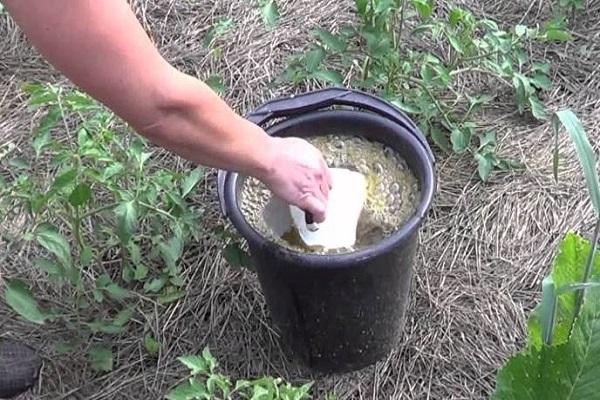
Yeast feeding is essential for a good harvest: it improves root formation, stimulates soil bacteria to produce nitrogen and potassium, and boosts overall plant immunity. Yeast is applied only at the roots. For every 10 liters of water, add 10 grams of dry yeast and 2 tablespoons of sugar. Leave the mixture until the ingredients are completely dissolved. Water the plants with this solution in the evening.
Nettle infusion
Treating the soil with nettles provides potassium, phosphorus, calcium, and magnesium simultaneously. Young nettles are steeped for 7 days, then watered. After treating the soil with nettles, water it generously with clean water.
Ammonia
Ammonia is used to fertilize the soil with nitrogen. The method of application depends on which part of the plant requires nitrogen. If the tops of the plants begin to turn yellow, ammonia is applied as a foliar fertilizer. If the plant wilts and the soil becomes too hard at the base, ammonia is added to the roots. For watering, prepare a solution using the formula: 1 part ammonia to 50 parts water.
Mineral complexes and fertilizers
To ensure that the beet harvest is abundant and that its taste meets the highest requirements, the crop requires minerals.
- At an early stage, after planting, the soil is fertilized with superphosphate and potassium sulfate.
- For mid-summer, solutions of potassium sulfide and ammonium nitrate are suitable.
- After harvesting, phosphorus is added to the soil in any complex fertilizer.
How to apply fertilizers correctly and in what quantities
Beetroot is a root vegetable that is fertilized with different compounds depending on the period:
- In June, fertilizers are added to increase the growth of the above-ground part;
- in July – for the growth of root crops;
- in August – to improve the taste of the vegetable.
When preparing the soil for planting
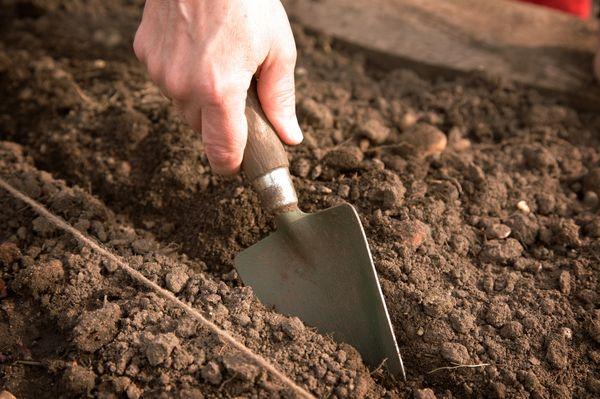
The soil under beet plantings is fertilized after analyzing its condition. Depleted soils must be supplemented with organic matter. For this purpose, compost is added in the fall and spring.
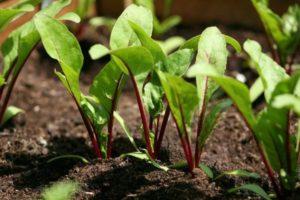
Fertilizing beets in open ground is carried out in accordance with the need for a specific element:
- magnesium and iron are necessary for leaf compaction and saturation with sugars;
- boron is needed by the plant to prevent the formation of voids and rot;
- Zinc and copper are elements that prevent the development of diseases.
If the soil under planting is too depleted, it is covered with mineral fertilizer granules before sowing. After beet seedlings emerge, they are fertilized with wood ash. Before planting, the soil is also watered with a warm solution of potassium permanganate, which helps disinfect the soil.
During sowing
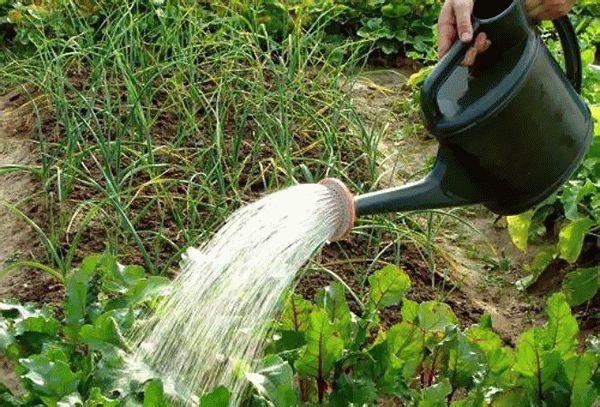
After planting the seeds, the soil is watered with double superphosphate. At this stage, beets require mineral complexes. The furrows where the seeds were sown are not watered. Watering is carried out along the seeding line, which is called a "top dressing." Many gardeners prefer to spray the seeding line with prepared solutions from a spray bottle.
In the process of growing
At this stage, fertilization becomes regular and may also depend on the appearance of the plantings and the detection of problems associated with the growing period.
- When 2-3 leaves appear, the soil is fertilized with chicken manure or mullein.
- Sodium solution is added after 20 days of growth.
- Diluted lime is added after 3-4 leaves appear; this type of fertilizer is used once per season.
- Urea infusion is sprayed on the leaves when active growth of tops occurs.
- Watering and spraying with manganese is carried out when yellow spots appear on the leaves or when insect pests are present.
Warning! Stop fertilizing 3 weeks before the main harvest.
After the transplant
Beet sprouts can be too dense, so they need to be pricked out. Weak and thin sprouts are left in their original location, while large and dense ones are transplanted. This is because beets don't like being transplanted, and react to it by wilting and stunting. Large sprouts have a better chance of adapting.
To help the cuttings establish themselves in the garden bed, mineral mixtures are added to the soil. The furrows around the transplanted cuttings are watered with a solution of superphosphate, potassium sulfate, or ammonium nitrate.
Related posts:
 Description of sugar beet varieties, cultivation technology and growing conditions
 Description and characteristics of 35 best beet varieties, planting and care rules
 How and when to properly plant beet seeds in open ground
 Growing and caring for beets in open ground: step-by-step agricultural technology
 What to do if beet leaves are covered in spots, why this happens, and how to treat them
 Description of beetroot diseases, their control and treatment with medications and folk remedies
 How to treat beets against pests, chemical and folk remedies for their control
 The best eggplant varieties for growing in a polycarbonate greenhouse: planting and care