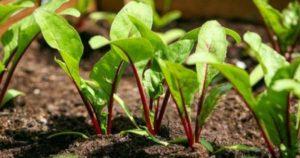
The Vodan F1 beetroot was developed by the Dutch company Bejo Zaden BV. It is included in the Russian State Register and is grown by both gardeners and industrial enterprises. This beetroot variety can be found in almost every garden plot, as it is easy to grow and maintain, the roots have excellent flavor, and store and transport well.
What is Wodan beetroot?
Characteristics and description of the Vodan variety:
- An early maturing variety of beetroot, roots can be obtained 85-90 days after sowing the seeds for seedlings.
- Beetroot Vodan has a well-developed rosette with bright, saturated colored foliage.
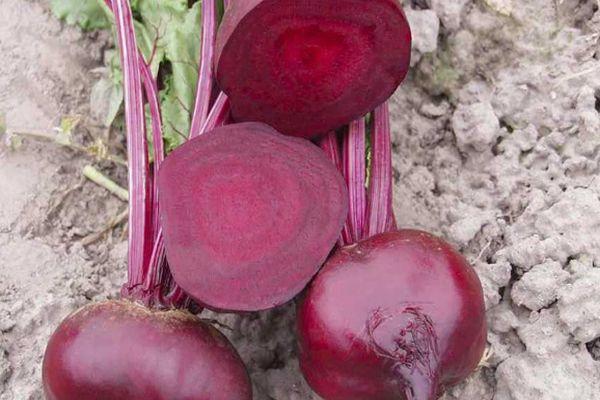
- The root vegetables are round in shape.
- The skin of the fruit is smooth, and the color varies from dark pink to black, turning into brown or purple.
- The root vegetables are of the same size.
- The pulp in the middle is ringless, dense, beetroot or cream-colored.
- The variety does not produce shoots.
- The pulp is sweet and has a characteristic beetroot aroma.
- The fruit of one beet weighs from 300 to 500 g.
- The pulp contains many microelements.
How to grow beets?
To obtain excellent beetroot qualities from the Vodan variety, it is necessary to properly care for the seeds and seedlings.
The following factors are related to the peculiarities of cultivation:
- The seeds of this variety are not soaked, as the manufacturer specially treats the grains with a fungicide. This makes the seeds resistant to fungal and bacterial infections, parasites, and pests.
- Once the seeds sprout, pinch off one sprout from each. Vodan F1 seeds always produce several sprouts when germinating, which don't affect the yield, so it's recommended to remove them.
- Seeds are planted in open ground when the air temperature reaches +12…+15ºС. It is necessary to wait until the soil is well warmed.
- Beds are made on the plot, each up to 3 cm deep. The distance between furrows should be about 50 cm.
- Place the seeds in holes 10 cm apart, water, cover with soil, and then moisten again. Cover the beds with plastic film to prevent moisture from evaporating too quickly. Water regularly until the first sprouts appear.
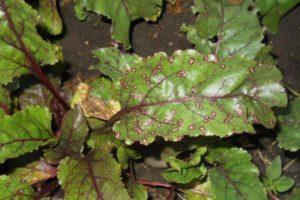
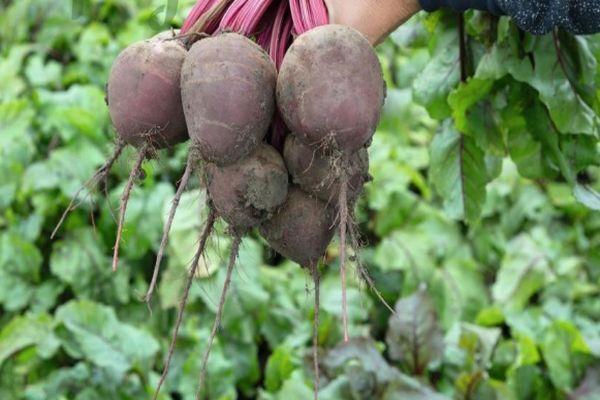
The quality of the Vodan beet variety's harvest depends on the location where the seeds are sown. They require plenty of sun and sufficient moisture. The soil in the area must be well prepared for sowing.
It is not recommended to carry out planting beets in the garden plots, where corn grew last season, cucumbers, turnips, potatoes. It's best to choose a site where dill, onions, and legumes were previously grown. The planting site should be in an open, sunny spot.

If the soil in the area is acidic, add lime, wood flour, or dolomite. Fertilizers are applied either in the fall or in the spring just before planting. The soil must be dug and raked to avoid leaving large clods.
Basic rules of care:
- Watering the beet bed is carried out 1-2 times a week.
- After moistening, shallow loosening of the spaces between rows is carried out.
- Weeds that often attract pests are removed.
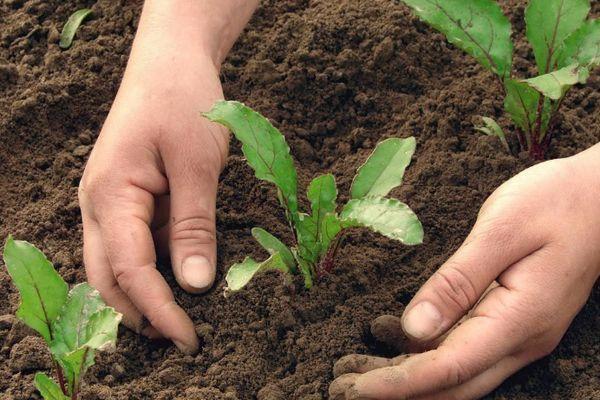
Mulch the beds with grass or hay, alternating layers of fresh and dry grass. This effectively combats weed growth, retains soil moisture, and promotes nutrient formation in the lower soil layers.
You can fertilize the beds using salt and water. Dissolve a cup of coarse table salt in a bucket of water, then water the beds. This irrigation is recommended once every two weeks.
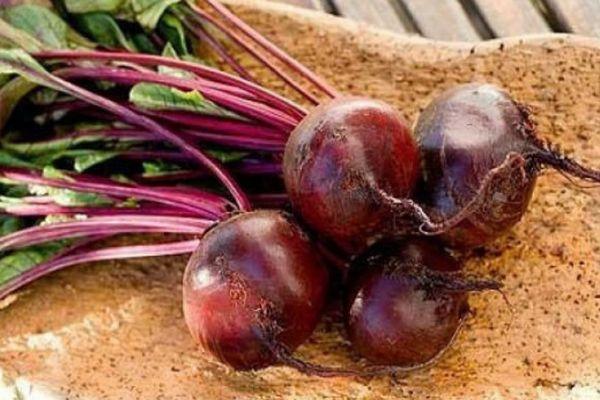
The first fruits can be eaten 85-90 days after sowing. Exactly one month before harvest, stop watering the beet beds. When harvest time arrives, gardeners use a pitchfork to dig up the beetroots. If the weather is dry, the fruits are simply pulled out by the tops.
The harvested vegetables are laid out in the sun to dry. After a few days, the roots can be stored in boxes, which are then moved to a dark place. Vodan beets are eaten fresh in borscht, salads, and beetroot juice, or canned for the winter as part of vegetable dishes.
Related posts:
 Description and characteristics of 35 best beet varieties, planting and care rules
 Description of sugar beet varieties, cultivation technology and growing conditions
 Growing and caring for beets in open ground: step-by-step agricultural technology
 When to harvest beets and storage rules
 Description of beetroot diseases, their control and treatment with medications and folk remedies
 What to do if beet leaves are covered in spots, why this happens, and how to treat them
 Description of fodder beet and its differences from sugar beet, planting and growing features
 Reasons why beet leaves turn yellow, care mistakes, what to do, and how to treat them