
- High-yielding early and mid-early crops
- Lady fingers
- Ballerina
- Berdsky large
- Gribovsky's ground
- Pride of Siberia
- Countryman
- The mystery of nature
- Gina
- Oak tree
- Beautiful Lady F1
- Persian Tale F1
- Siberian Express F1
- Titanic F1
- High-yielding, mid-season varieties
- Hybrid No. 172
- Grandma's secret
- Swamp F1
- Moscow delicatessen
- Cardinal Crimson
- Supersteak F1
- The rocket is red
- Pepper-shaped
- Miracle of the Earth
- Black pear
- Red truffle
- Tomatoes for the North, Siberian selection
- Siberian surprise
- King of Siberia
- Sensei
- Great warrior
- Budenovka
When choosing tomatoes, it's important to consider the climate of the area where they will be grown. Breeders take this factor into account when developing new varieties. Tomatoes developed specifically for northern regions will have time to develop quickly, which is quick because summers are so short.
Tomatoes grown in northern regions are characterized by their compact leaves. Their distinctive feature is the unique arrangement of the leaves along the branches. These leaves allow direct sunlight to reach the fruit, accelerating ripening.
High-yielding early and mid-early crops
Some regions of Russia don't offer a warm climate. In cold conditions, growing tomatoes outdoors is not recommended. A greenhouse or hotbed is better suited for this purpose.
Experienced gardeners use another tried-and-true trick: They grow tomatoes early. This way, three months pass from planting the seeds to harvesting the fruit.
Lady fingers
Tomatoes of this variety are perfect for canning. whole. The fruits are firm and elastic. Yield levels differ in protected and open ground. Under cover, yield increases.
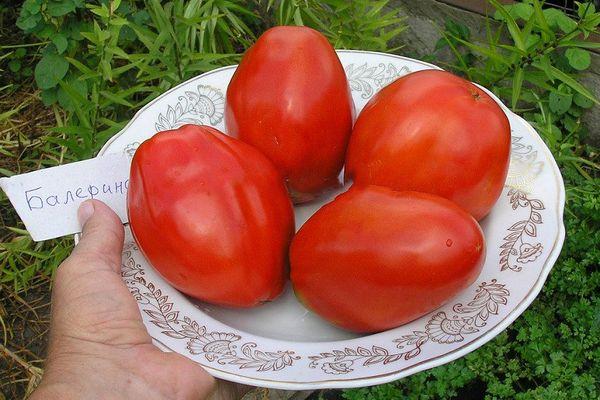
Ballerina
A mid-early tomato variety, it grows as a low bush, no taller than 60 cm. During the flowering season, the shoots are covered with pink flowers. The flesh is juicy yet tender.
Berdsky large
This tomato variety can be described in three words: large-fruited, low-growing, and early-ripening. The vines are limited in growth, reaching no more than 1 m in length. A single fruit weighs up to 700 g. With proper care, a bush can yield up to 3.5 kg of fruit.
Gribovsky's ground
Characterized by high yields when grown outdoors, the tomatoes ripen in waves, weighing approximately 100 g. Their incredible flavor makes them quickly eaten fresh. Ground mushroom is resistant to late blight.
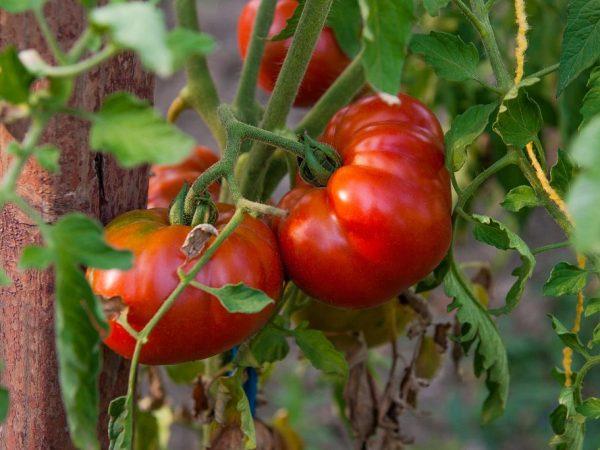
Pride of Siberia
It successfully fights tomato diseases. Its tight skin covers soft, tender flesh. It doesn't require much care. Gardeners only need to water the plant regularly and pick ripe tomatoes.
Countryman
This variety boasts stability, resulting in a consistent yield of fruit. Plum-shaped tomatoes grow on the bush's branches. The crop requires no training and ripens evenly. It tolerates long-distance shipping.
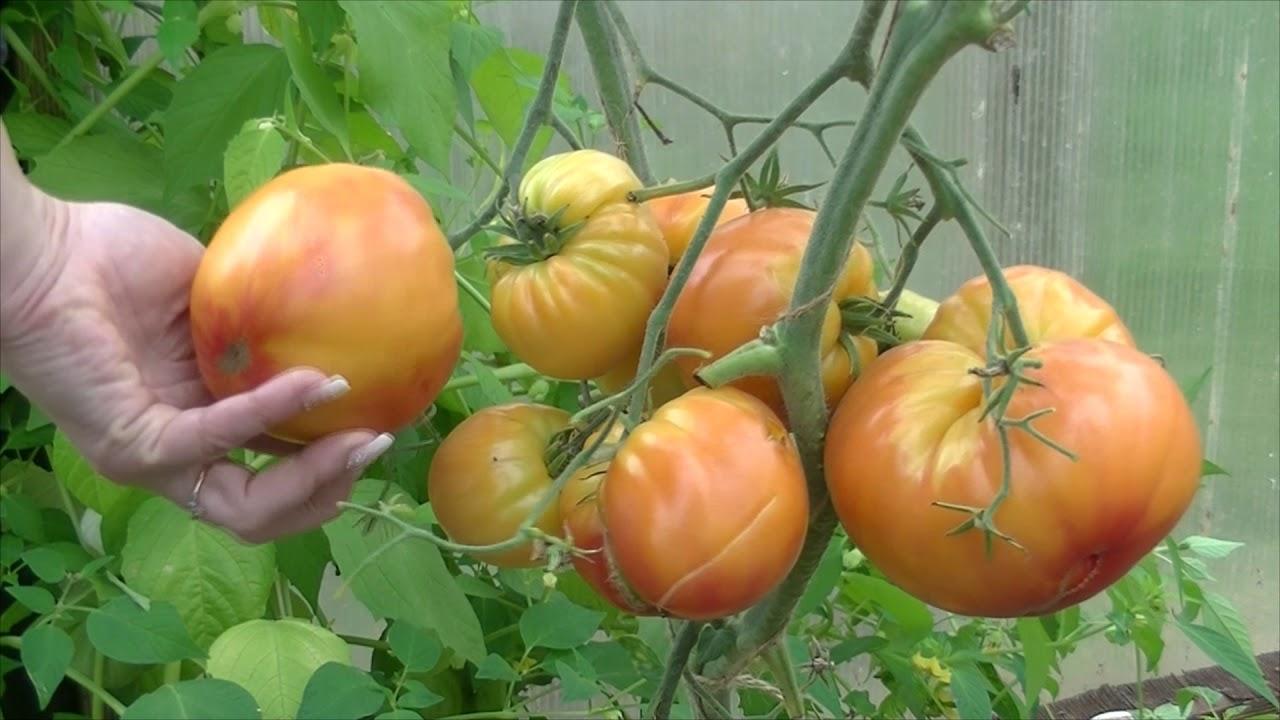
The mystery of nature
Thanks to its increased resistance to weather fluctuations, the crop grows vigorously and produces delicious fruit. A bountiful harvest is guaranteed, regardless of the ambient temperature. Large tomatoes have a bright and attractive coloring. Yellow and pink stripes are visible on the skin. Inside, the tomatoes contain tender pink flesh. The flavor is sweet with tart notes. They have a perfectly round shape.

Gina
Considered the best variety for the cold eastern regions of the region, gardeners report excellent yields over the period of cultivation. The tomato harvest will be abundant if care is followed.
Oak tree
Tomatoes are resistant to the nightshade disease late blight. They boast a consistent yield year after year. The branches bear fruit at maturity and are resistant to frost.
The oak tree can be transported over long distances without affecting its appearance. Its compact size allows it to be used for a variety of purposes. Its rich flavor has a tart note.
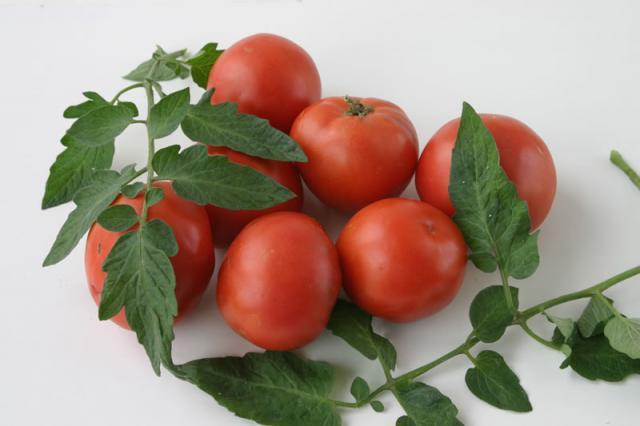
Beautiful Lady F1
This variety is characterized by round, rich red tomatoes. Six to nine tomatoes ripen on a single vine at a time. Fruit weight ranges from 90 to 155 g. Approximately 11 kg of tomatoes are harvested per square meter.
Persian Tale F1
Rainy summers and cloudy days don't prevent tomato plants from setting fruit. During breeding, specialists focused on the plant's resistance to various diseases. The fruits have high levels of carotene. The spherical tomatoes have a dense, orange core.
Siberian Express F1
The plant is a compact bush growing to 55 cm tall. It requires no staking or pinching. It's perfect for fresh salads. The deep red tomatoes are harvested three months after planting.
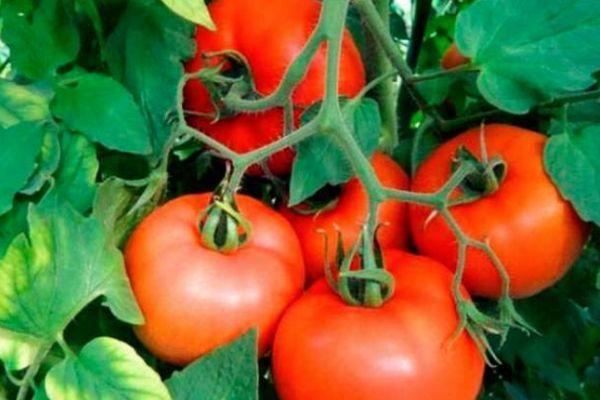
Titanic F1
The hybrid thrives in both greenhouse and open soil conditions. Fruiting begins 95-105 days after sprouting. Titanic F1 is prized for its high yield and excellent taste.
High-yielding, mid-season varieties
Mid-season tomatoes are popular in northern regions. If tomatoes produce fruit after 125 days, they are considered mid-season. They are ideal for fresh consumption and processing.
Hybrid No. 172
Developed by Siberian breeders, this variety thrives in cold climates. Native to Tomsk, it is a favorite among vegetable growers. The tall plant produces vigorous lateral shoots. While yielding average results, this hybrid requires pinching and staking.
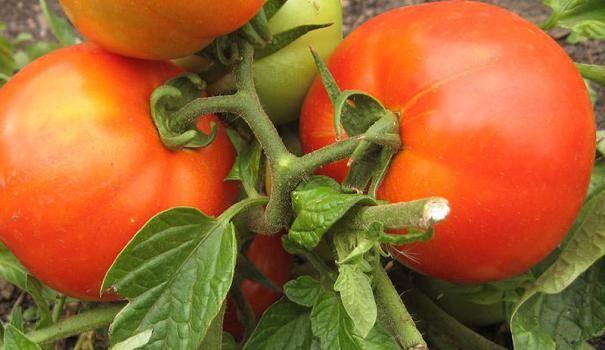
Grandma's secret
Another "creation" of Siberian breeders. The bush reaches 1.5-1.8 meters in height, requiring a special frame or trellis. The red flesh contains seed chambers with a small number of seeds. These tomatoes are suitable for processing and preparing various dishes.
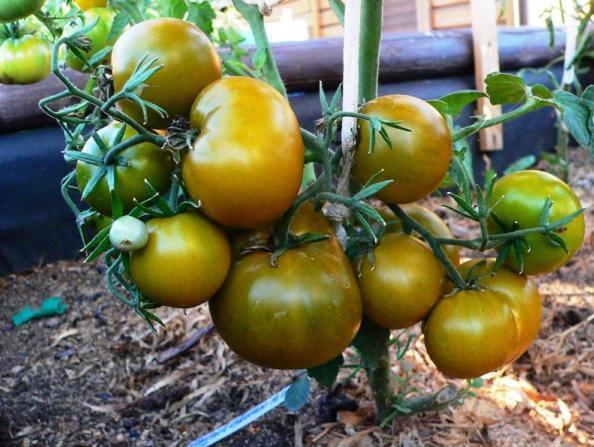
Swamp F1
The hybrid thrives in open ground and under plastic covers. To obtain tomatoes, seeds are sown for seedlings in April. The tomatoes are greenish-brown in color, which is where their unusual name comes from. When ripe, the skin turns yellow in places. The vegetable is perfect for fresh salads.

Moscow delicatessen
This member of the nightshade family produces excellent fruit, with tomatoes weighing no more than 75g. Its compact size makes it ideal for winter preservation. It produces fruit readily outdoors. This variety doesn't require pinching, but branches should be tied up.
Cardinal Crimson
The bush isn't particularly large. For ease of care and harvesting, it's best to tie up the branches. High yields are achieved by cultivating the plant in two stems. The heart-shaped fruit makes it look like a bull's heart.
Supersteak F1
Stable fruiting is observed at any temperature. If the crop is grown in greenhouses, they are not heated. Long vines require support. The hybrid forms ovaries much earlier than other similar varieties. Supersteak F1 has excellent immune system protection.
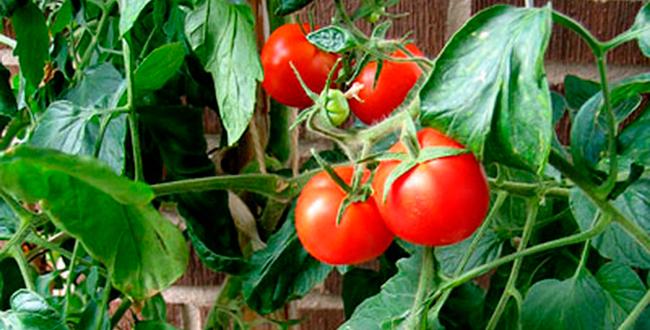
By its very nature, this vegetable crop requires pinching. The harvest ripens in 100-105 days. The robust bush grows up to 2 m in height.
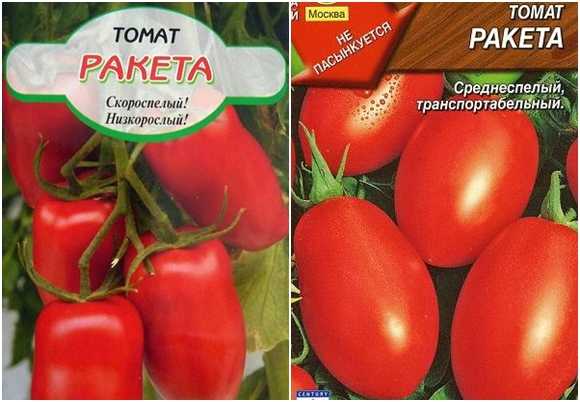
The rocket is red
Characteristics of the culture:
- smooth and strong skin;
- the flesh is deep red;
- weight about 40-60 g.
The vegetable's shape resembles a plum with a pointed tip. The fruits don't overripen quickly and are easy to transport. The harvested crop has a long shelf life. It has a versatile purpose.
Pepper-shaped
This low-growing bush grows and thrives in unprotected soil. The tomato resembles a pepper in appearance and tastes sweet. Large specimens can reach 16 cm in length and weigh 155 g. The dense flesh makes it suitable for canning.
Miracle of the Earth
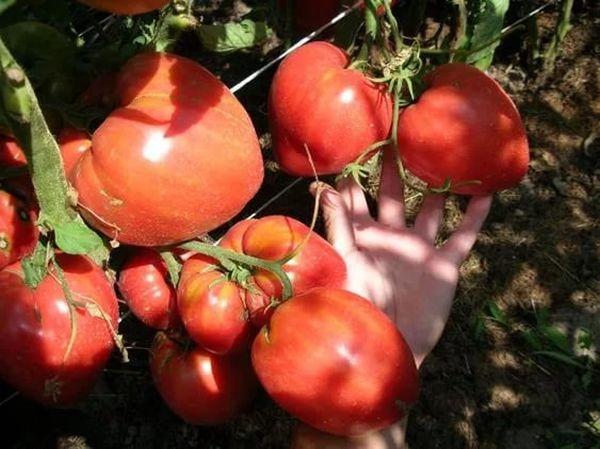
A mature plant resembles a giant with very large fruits. The tomatoes are shaped like a ball with a flattened top. Raspberry fruits are most often used for processing. Tomatoes are used to make juice, ketchup, and various sauces.
Black pear
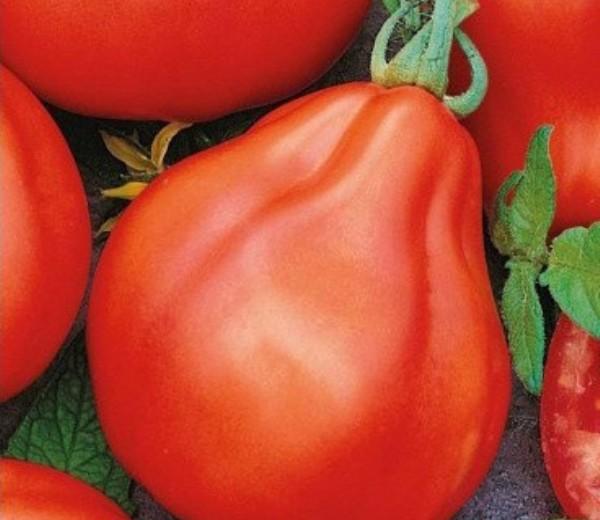
The plant gets its name from its pear-like fruits. Beneath the brown skin is hidden a sugary pulp. Inside are a small number of seeds. The tomatoes are suitable for winter preservation and have a long shelf life.
Red truffle
The crop exhibits resistance to cold temperatures, without slowing fruiting. If the weather outside remains consistently cold, tomatoes are picked from the bush and stored indoors. This allows them time to ripen and delight guests during the New Year's celebrations. They have a universal purpose.
Tomatoes for the North, Siberian selection
Siberian tomato varieties are suitable for vegetable growers. They tolerate relatively low temperatures and are adapted to short daylight hours.
The immune system will protect against typical diseases that affect nightshades in protected soil conditions.
They delight with a high yield, comparable to varieties intended for growing in warmer climates. This section features the best tomato varieties. Gardeners, summer residents, and horticulturists recommend planting them at least once in their garden.
Siberian surprise
The variety, developed by Siberian breeders, has the following characteristics:
- Excellent fruiting in protected and unprotected soil conditions.
- Adaptation to cold weather conditions.
- Limited shoot growth.
- High level of productivity.
- Early ripening of fruits.
- Resistance to viral diseases.
The bush produces 8 to 10 kg per season.
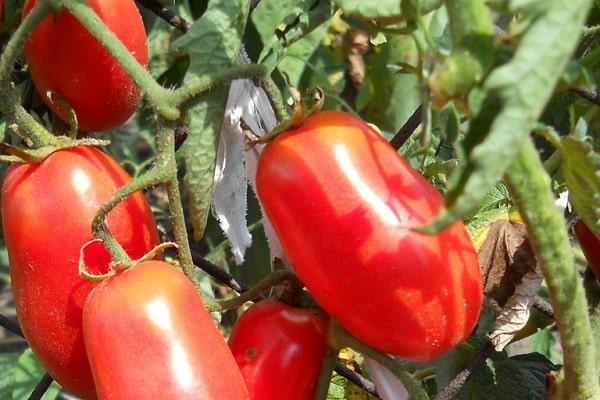
King of Siberia
This member of the nightshade family earned its name for a reason. Large fruits grow on green-leaved bushes. Their bright yellow color makes them attractive and appetizing. Their thin skin conceals juicy, firm flesh. Their flavor is as satisfying as that of vegetables grown in sunny regions.
Sensei
An early-ripening variety bred in Siberia. The tomato harvest begins very early. Inside the fruit is a pulp of incredible flavor. These tomatoes are ideal for fresh consumption. Sensei's bushes are low, but strong and sturdy.
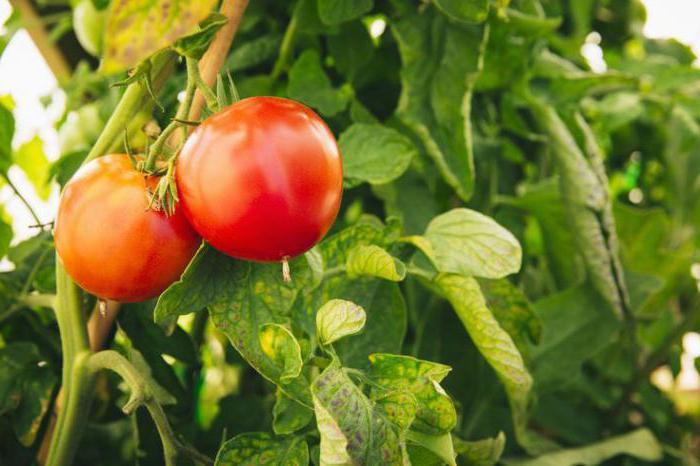
Great warrior
This vegetable can certainly be considered an early-ripening variety. Planting the Great Warrior in a heated greenhouse will allow you to harvest it alongside tomatoes planted in February. The growing season does not exceed 95 days.
The tall, sturdy stems bear raspberry-colored fruits. The fleshy part contains virtually no seeds. The weight of a single tomato is also surprising—450-550 g.
Budenovka
This variety boasts a moderate yield, but still produces large tomatoes. Under favorable conditions, a single bush can yield 3 to 4 kg of fruit. No more than three bushes are planted per square meter. The tomato is shaped like an elongated heart with a pointed tip. Inside, the tomato contains numerous seed chambers. The sugary flesh is covered by a thin, dense skin.
A cold climate isn't a reason to give up growing tomatoes. Through selective breeding, varieties have been developed that thrive in such climates. With a wide variety of varieties, you can always choose from a selection of nightshade varieties suitable for your garden.
Related posts:
 Description of the best varieties of black tomatoes for open ground and greenhouses
 What varieties of tomatoes are best to plant in a polycarbonate greenhouse?
 Description of the best tomato varieties for open ground in the central zone
 80 Best Eggplant Varieties for Different Regions with Descriptions and Characteristics
 The best eggplant varieties for growing in a polycarbonate greenhouse: planting and care
 Description of the best tomato varieties for greenhouses in the Kirov region
 Description of the best Dutch tomato varieties for greenhouses and open ground
 Description of the best tomato varieties and ratings for greenhouses in 2025