
- Why do seedlings require additional lighting?
- How many hours and when should tomato seedlings be illuminated?
- Can incandescent lamps be used to illuminate seedlings?
- Which light source should I choose?
- Sodium lamps
- Fluorescent lamps
- LED lights
- Phytolamps
- Organizing additional lighting without using lamps
- How to properly illuminate tomato seedlings
To ensure proper growth and prevent the seedlings from becoming leggy, plenty of sunlight is essential. Tomato seedlings require long hours of daylight. This must be managed properly to avoid harming the plants.
Why do seedlings require additional lighting?
Young plants growing on a windowsill require adequate light. Most gardeners plant tomatoes early, when sunlight is in short supply. Many provide supplemental lighting. Insufficient light affects plant growth; they become very leggy and their stems thin. These tomatoes will bloom late and will not produce large fruits.
For plants, not only light is important, but also its distance from the plant. Close-by lamps stimulate the process, while those located further away inhibit it.
The shade of the lamps also affects the intensity of growth:
- red stimulates;
- blue slows down;
- green, orange and yellow have no effect.
The more light plants receive, the earlier they begin to bloom and bear fruit.
How many hours and when should tomato seedlings be illuminated?
Tomatoes require 14-16 hours of light. At certain times, plants need more or less light.
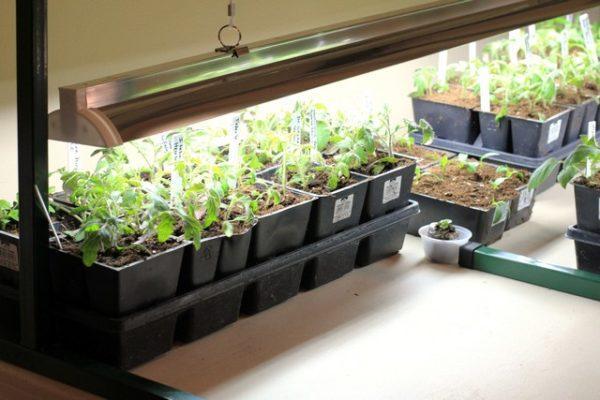
It is recommended to follow the following supplementary lighting scheme:
- 2-3 days after germination, the seedlings are illuminated 24 hours a day;
- up to 30 days not less than 16 hours;
- after 30 before transferring to a permanent location, add light for 14 hours.
The duration of additional lighting depends on the intensity of sunlight and the month in which the seedlings were planted.
Vegetable growers choose when to provide supplemental lighting: early morning or late evening. It can be evenly distributed between morning and evening. For this purpose, lamps with timers are purchased, indicating the time the lights turn on and off. One important requirement for supplemental lighting is to remember: it must be continuous.
Take a look Also
Can incandescent lamps be used to illuminate seedlings?
There will be no effect from using it. The incandescent lamp provides heat, but not light. The tomatoes receive additional heat, still stretch, and constantly dry out and burn.
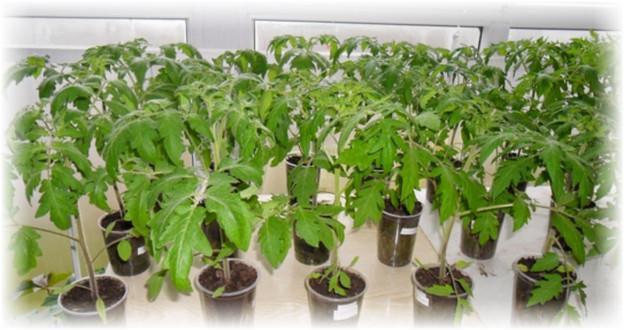
Therefore, supplemental lighting with regular bulbs is detrimental to plants. It's not recommended to use these bulbs for supplemental lighting. It's better to purchase specially designed bulbs designed for supplemental lighting.
Which light source should I choose?
Manufacturers offer vegetable growers a wide range of lighting options. These are suitable for supplemental lighting. Illumination is provided in a way that's convenient for gardeners.
Sodium lamps
These lamps are popular among vegetable growers because they are long-lasting and produce an even light that promotes proper photosynthesis.
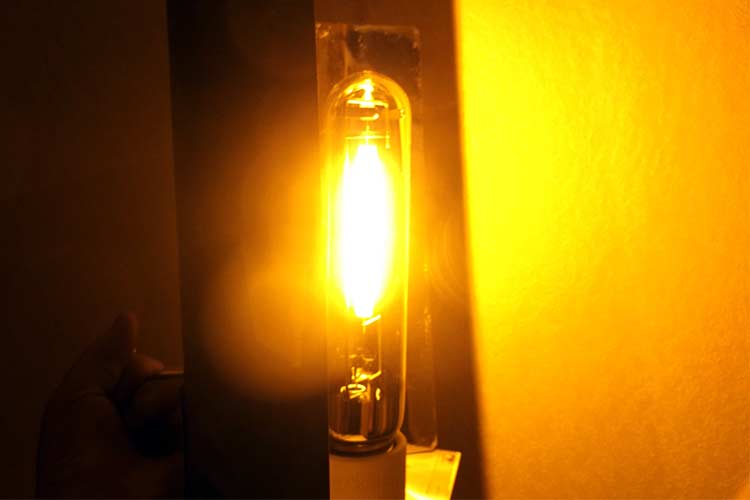
The downside of this lighting fixture is its high cost. HPS and HPS lamps are particularly popular, each with its own advantages and disadvantages.
The DNaZ has a mirror reflector, so if you need to provide lighting on a 1.5 m long window sill, one 70 W bulb will be enough.When selecting lighting fixtures, it is worth considering the power of the lamps and the intensity of light transmission.
Fluorescent lamps
Their distinctive feature is the cool light they emit, closely resembling daylight. Their power is low, so a certain number of lamps must be installed to ensure sufficient light intensity. The number of lamps required is calculated as follows: two 80W or 40W lamps are required per meter.
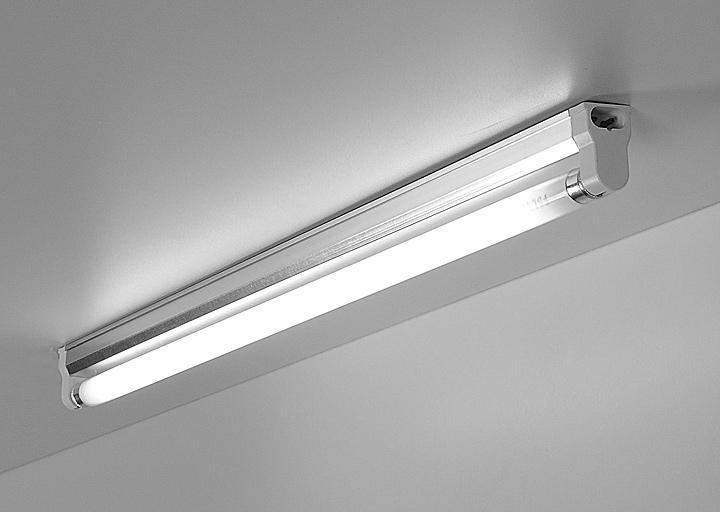
Another drawback of these lamps is that their spectrum lacks red light. Fluorescent lamps should be placed 15-35 cm from plants. Gardeners should remember that fluorescent lamps such as LDC and LD should not be used for supplemental lighting of seedlings. Their light is harmful to plants.
LED lights
They are popular with gardeners, as the energy consumption and the resulting effect are most suitable for vegetable growers. Advantages of use:
- accessibility;
- wide range of color spectrum;
- ease of installation;
- the ability to choose the most suitable illuminator;
- long service life;
- I set up several colors, then regulate the flow by increasing one and decreasing another spectrum;
- economical, the power consumption is very low.

Installing LED lamps is simple: simply arrange a shelf, table, or windowsill, install hooks, and run an electrical wire.
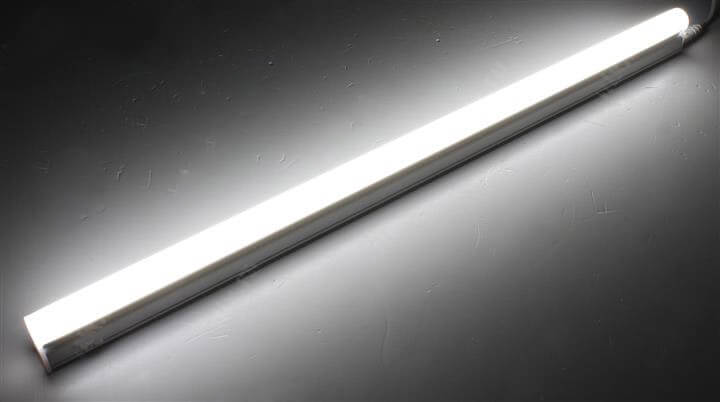
It's not difficult to make such a lighting fixture with your own hands; you'll need:
- LEDs of the required spectrum;
- hot glue or a more budget-friendly option, thermal paste;
- any available material (a piece of profile, aluminum, an oblong object);
- power supply, cord and plug.
Tomato LEDs come in two spectra, blue and red. When assembled, they alternate between one blue and two red. They are fastened together and secured to the prepared material. The diodes are connected to a power supply and connected to a switch and a plug.
Phytolamps
There are many advantages to using such lighting fixtures:
- small size;
- ease of installation;
- high efficiency;
- durability;
- environmental friendliness;
- safety;
- economy and others.
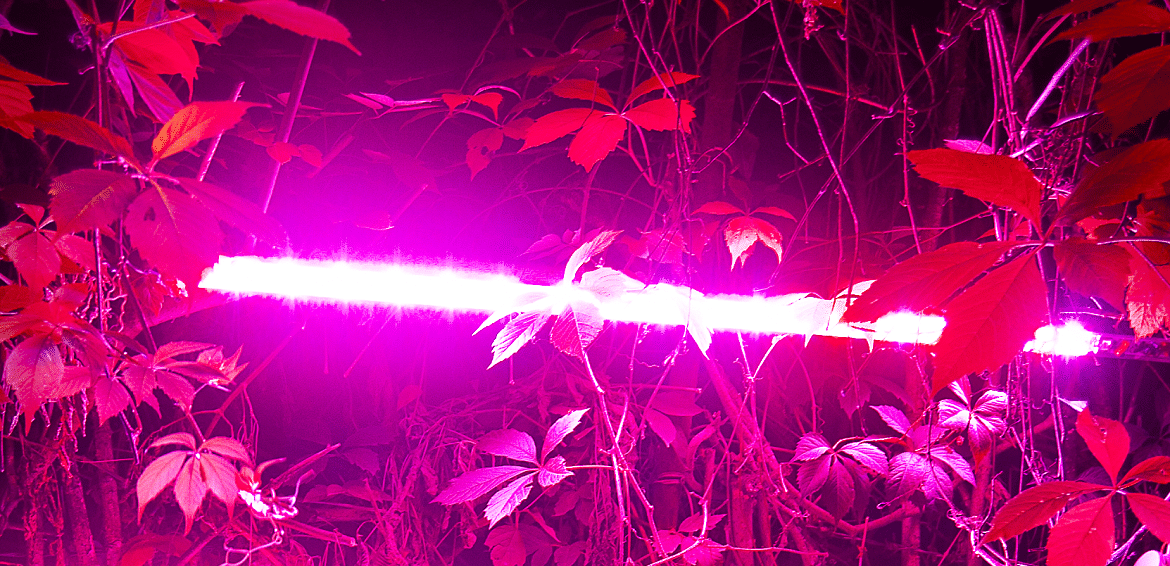
However, there is one significant drawback: the blue-pink color affects a person's vision and negatively impacts their well-being. When using such lamps, reflectors are installed.
Organizing additional lighting without using lamps
This is a more economical method, as it doesn't consume electricity. However, its efficiency is low, as supplemental lighting is only provided on sunny days. On cloudy days, insufficient light will affect the growth of young seedlings.
They use cardboard with white poster board or a reflective mirror glued to it. The structure is then secured behind the seedling boxes. When sunlight hits, it is reflected, providing supplementary lighting from all sides. The plants become less stretchy, grow evenly, and develop flower clusters on time. In the evening and early morning, without sunlight, there is no effect. This is a budget-friendly option, but not very effective.
How to properly illuminate tomato seedlings
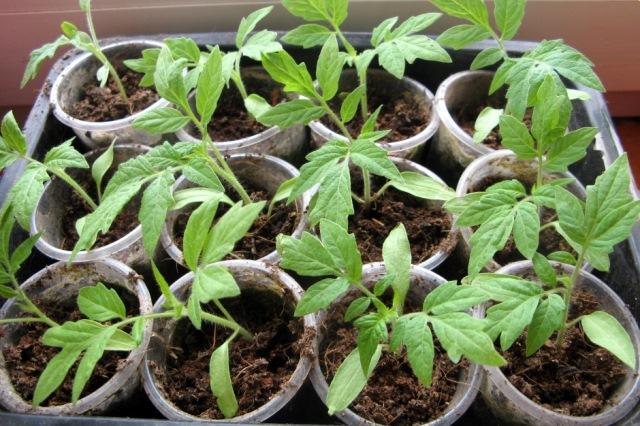
Regardless of the type of lighting used, vegetable growers must maintain proper lighting conditions. Lighting must be evenly distributed, with the number of lamps calculated so that light is equally distributed across every section of the windowsill or shelf. If the lighting is insufficient, seedlings will begin to stretch, a sure sign that they're not getting enough light.

To avoid damaging all the seedlings, install a grow light in a small area. Determine how much light the tomatoes need, whether the bulbs are powerful enough, or if more light is needed. If all is well, the plants are making up for the shortfall, and grow lights can be installed throughout the entire area.
Vegetable growers understand that supplemental lighting for tomatoes is essential. Some don't know how to do it properly. This isn't difficult; they buy ready-made lighting fixtures or make their own. Then they correctly determine the intensity and select the supplemental lighting duration. During the day, when the weather is sunny, the lamps are turned off.
Related posts:
 The best eggplant varieties for growing in a polycarbonate greenhouse: planting and care
 Causes and treatment of eggplant pests and diseases, how to combat them at home
 When and how to properly transplant tomato seedlings, the best days in 2025
 The best grape varieties for growing in the Urals, planting and care rules in summer
 How to properly plant peas in a greenhouse and open ground
 Planting and growing beans at home on a windowsill step by step for beginners, and controlling diseases and pests
 How to prepare soil for tomato seedlings yourself
 Methods for planting and propagating cherries at home