
- The importance of soil for seedlings
- Soil requirements
- Necessary components
- Invalid components
- Ready-made compositions
- How to prepare soil mixture by yourself?
- What kind of soil is best for tomato seedlings?
- Advantages and disadvantages of land for sale
- Pros and cons of homemade compositions
- Feedback from our readers
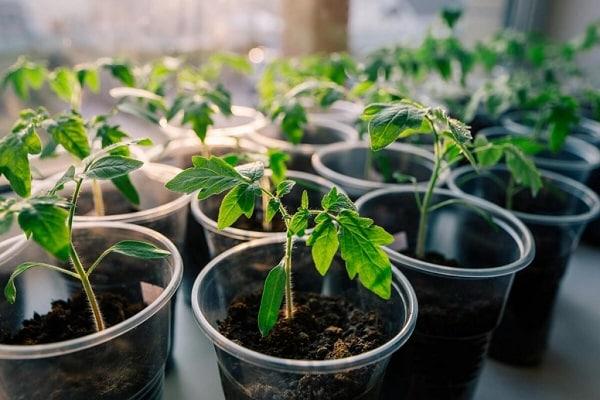
A balanced soil composition for seedlings of different tomato varieties helps grow healthy seedlings. During this period, the plants don't need to be heavily fertilized, as they shouldn't become too leggy. However, if the soil lacks nutrients, the seedlings will grow weak and, once transplanted to the garden, will produce a limited harvest.
The importance of soil for seedlings
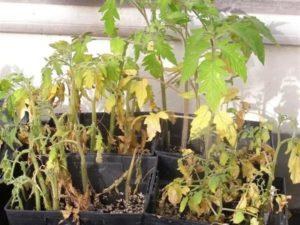
Before planting tomatoes, it's recommended to prepare the soil. Its composition determines the nutrition and, subsequently, the development of the plants. The fewer nutrients and minerals in the soil, the poorer the tomato growth. Without nutrition, the seedlings grow short, spindly, and light green. Such seedlings will not produce a high yield. Particular attention should be paid to soil acidity. Tomatoes are known to dislike acidic soil. They grow only in neutral soil with a pH of 6.5.
Soil requirements
Depending on the needs of the vegetable crop, the soil mixture may consist of various components. The soil where tomato seeds are sown should meet the following criteria: fertile, light, loose, non-acidic, and rich in the optimal amount of organic matter and mineral supplements.
The soil mixture must not contain pathogens or fungal spores. It is advisable to clear the soil of pests, sift it thoroughly, and remove large impurities and stones. The soil for seedlings should consist of a base (various types of soil), a loosening agent (sand or perlite), and fertilizer.
Necessary components
To obtain a soil mixture for seedlings, you need to take the following components:
- Peat. It makes the soil looser and absorbs and retains water well. You can buy ready-mixed peat or collect it from peat bogs.
- Lime or dolomite flour. Deoxidizers that reduce soil acidity.
- Leaf mold. It makes the soil light. Use rotted leaves from under deciduous trees (maple, linden, and fruit trees).
- Sod soil. It contains many nutrients and makes the soil mixture porous. Soil should be taken from a lawn or pasture. Cut into small layers, each 10 centimeters thick.
Take a look Also
- Garden soil. Soil is taken from beds where nightshade vegetables were not grown that year.
- Sand. Clean river sand, free of any clay impurities, is used as a leavening agent.
- Perlite. Added instead of sand to loosen the soil. You can also use crushed sphagnum moss or coconut coir. These additives stimulate root development.
- Sawdust. Added as a leavening agent, instead of sand.
- Compost. Well-rotted manure or compost is used to enrich the soil with essential organic additives.
- Mineral fertilizers. These additives have a beneficial effect on growth and subsequent development of seedlings, making stems strong, leaves green, and improving the root system.
Invalid components
Adding freshly rotted manure to the soil mixture for seedlings is not recommended. This organic fertilizer produces too much heat, which burns the young plant. Furthermore, unrotted manure can harbor microorganisms or pests that will damage the roots and stems of the tomatoes.
It's not recommended to use soil with added clay for potting mixes, as it makes the soil too heavy and compact. Young plants will have a hard time breaking through such soil.
Avoid planting tomatoes in soil near busy highways. Such soil contains heavy metals and chemicals. Avoid planting under oak, chestnut, or willow trees. Tomatoes don't like tannins.
Ready-made compositions
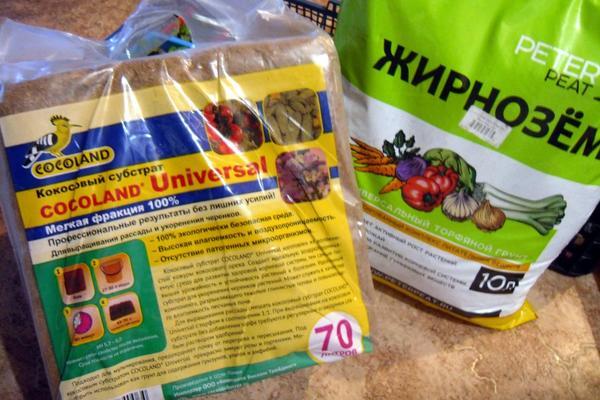
If you don't want or can't prepare the soil for seedlings yourself, you can use a store-bought soil mix instead. Typically, the substrate is peat-based. Flower shops sell both general-purpose and special tomato soil.
You'll have to add mineral components to the all-purpose mixture yourself. A special commercial potting mix contains all the necessary nutrients for the crop.
Before purchasing potting soil, read the specifications printed on the plastic bag. A good mix should contain several components, including compost and mineral supplements.
How to prepare soil mixture by yourself?
It's recommended to prepare the soil for seedlings yourself, as manufacturers of ready-made potting mixes don't always provide balanced and high-quality results.
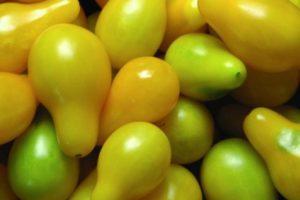
What kind of soil do tomatoes like?
- light;
- loose;
- with live microflora;
- with optimal addition of organic matter and mineral microelements;
- with neutral acidity.
Before preparing the potting mix, it's a good idea to gather all the ingredients and disinfect them. The most convenient method is freezing. The ingredients are prepared in the fall and then left outside to freeze during the winter at low temperatures.
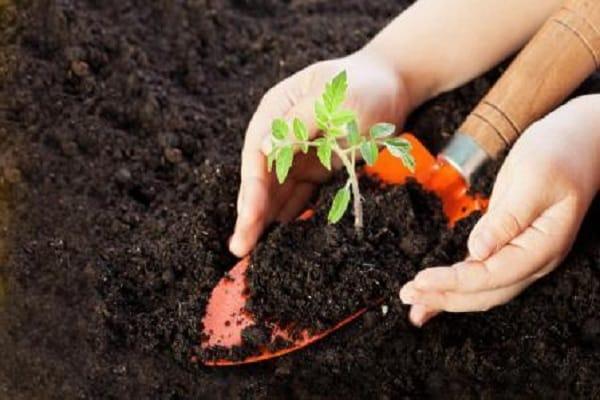
If you weren't able to prepare the ingredients in advance, you can simply pour boiling water with a weak solution of potassium permanganate over them. If desired, the soil can be calcined or steamed at high temperatures.
How to prepare a mixture for seedlings:
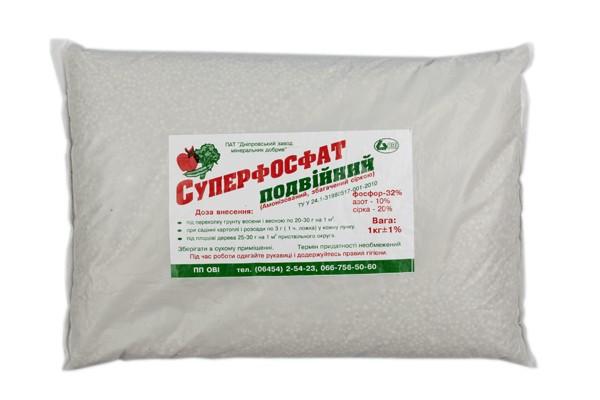
- Method one. Take 3 kilograms each of garden soil, leaf mold, and turf soil, 1.5 kilograms of sand, and the same amount of compost. This will make approximately one and a half buckets of potting soil. Dissolve 10 grams of urea and 25 grams each of superphosphate and potassium sulfate in 10 liters of water. Water the soil with the prepared solution.
- Mix garden soil with equal parts peat, leaf mold, sawdust, and compost (3 kilograms each). This will make one and a half buckets of potting soil. Add 200 grams of wood ash and 20 grams of superphosphate.
What kind of soil is best for tomato seedlings?
It's best to use regular garden soil and then supplement it with additives yourself. Ideally, black soil is considered the best for growing any vegetable seedling. If you don't want or can't get soil from your garden, you can go to the store and choose a ready-made potting mix.
The main thing is that the soil for seedlings does not consist of one component, is not acidic, but is fertilized with organic matter and mineral additives.
Advantages and disadvantages of land for sale
The ready-made soil mixture has a number of advantages:
- the mixture consists of several components;
- chemical composition and acidity are controlled;
- the substrates are sterile, they do not contain pests and fungal spores;
- Soil mixtures are easy to use, they save time and simplify the sowing process.
Disadvantages of ready-made soil mixture:
- Some unscrupulous manufacturers produce low-quality substrate;
- Not all mixtures contain enough nutrients for tomatoes.
Pros and cons of homemade compositions
A homemade mixture has the following advantages:
- cost savings;
- careful selection of all components;
- application of the best fertilizers for a particular variety.
Disadvantages of preparing your own soil mixture:
- preparing the mixture takes a lot of time;
- The soil must be disinfected and sorted manually.
Feedback from our readers
Olga Semyonovna:
"I prepare the soil myself. I collect soil from the garden bed at my dacha, add sand, and rotted chicken manure. I learned from an article that you can add turf or leaf mold. I'll give that a try."
Related posts:
 What is the best way to feed tomato seedlings to make them plump?
 How to prepare soil for tomato seedlings yourself
 Carrot care guidelines for outdoor cultivation to ensure a good harvest
 What fertilizers and when to use for feeding tomatoes in a greenhouse
 Growing and caring for tomatoes in a greenhouse from planting to harvest
 What is the best way to mulch tomatoes in open ground and greenhouses?
 How to prepare tomato seeds for planting seedlings
 How and when to sow tomato seedlings in the Moscow region, timing