
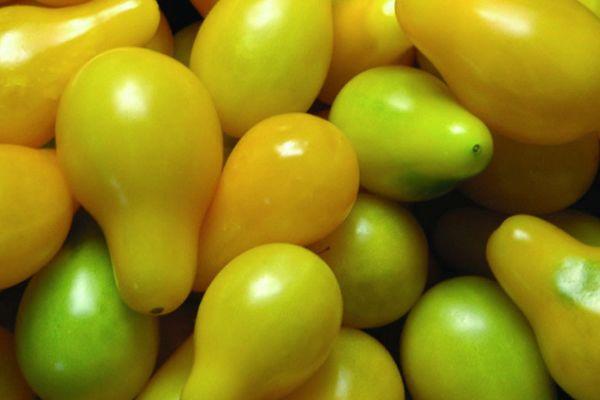
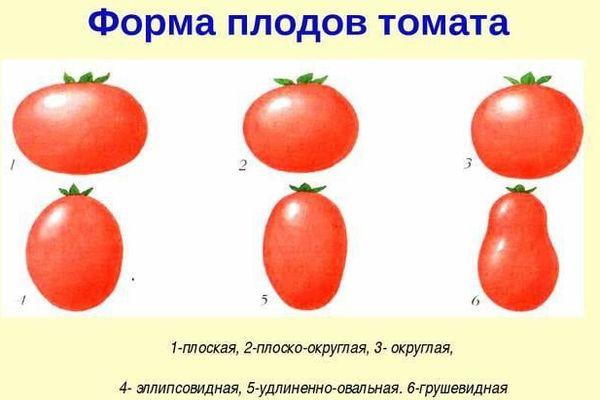
Pear-shaped tomatoes are varieties with a narrow base (at the stem) and a wider tip. This gives the fruit a pear-like appearance. Some tomatoes have names that reflect their appearance. Tomatoes with unusual fruits include cherry tomatoes and giant beef tomatoes. Some varieties have been around for many years, but there are also exotic ones.
What's good about pear-shaped tomatoes?
The main advantage of these fruits is their unusual appearance. There are many varieties with simple fruits resembling sweet fruit: Lampochka, Matryoshka, and Pear. Among the pear-shaped varieties, there are also exotic fruit shapes.
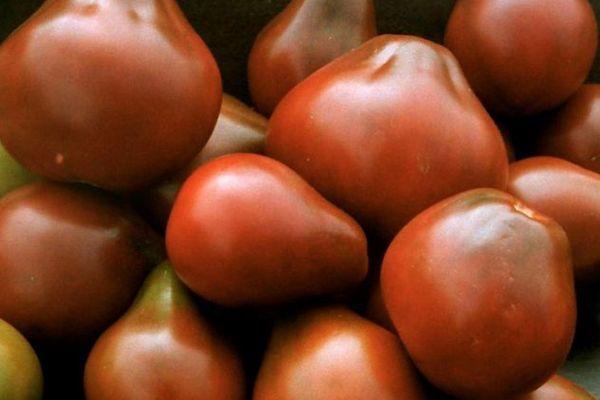
The Truffle series of tomatoes has long been known: they possess the characteristic pear-like characteristics, but also have pronounced ribbing, resembling an underground mushroom. There are also relatively rare new varieties (such as Tlacolula) that are even more unique in appearance.
The decorative nature of the fruit makes it ideal for table and garden decoration. Unusual in shape and often color, these tomatoes are planted near trellises so that the ripening clusters of fruit delight the gardener's eye. Marinades with pear-shaped tomatoes look impressive both when stored and when served.
In addition to their unusual shape and color, pear-shaped tomatoes have a higher sugar content in their pulp. Almost all varieties have a pleasantly sweet taste, sometimes with a slight tartness. The aroma of these tomatoes is more intense, and some exotic varieties even have fruity notes.
But the advantages of varieties with unusual fruits are not limited to their decorative function:
- The shape and dense pulp allow tomatoes to be stored for a long time without losing their appearance and taste;
- They ripen well if picked green;
- Most modern varieties are productive, early and ripen evenly;
- Good taste makes it possible to use it for processing into juices and sauces.
Disadvantages include their tall stature and the need for staking and shaping, as well as thin stems that can break under the weight of the clusters even on a trellis. Seedlings of these varieties often appear elongated and weak.
Which varieties to choose?
When choosing, pay attention to the variety's characteristics listed in its description. Some exotic varieties can only be grown in greenhouses. However, there are varieties that produce fruit beautifully in open ground throughout Russia.
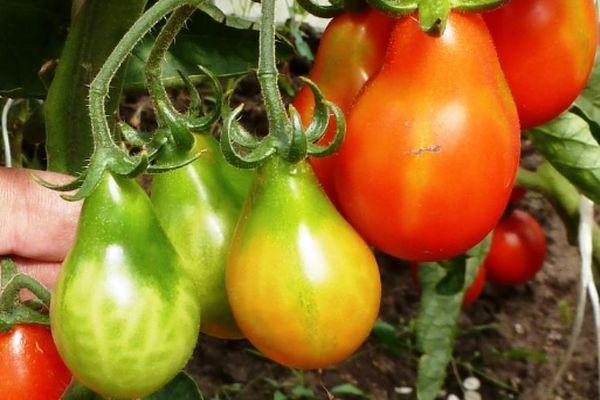
The old and well-known Grushovka variety (Moscow Grushovka) can be grown successfully in the Urals and southern Siberia, despite challenging weather conditions. The tomato is relatively resistant to late blight and temperature fluctuations, producing fruit reliably throughout the season. Some tomatoes must be picked at the milky stage of ripeness, but they ripen quickly in crates, with virtually no loss of flavor.
The main drawback is the thin skin, which can crack due to excess moisture. Similar varieties include modern Karotinka, Baskak, and Big Ray.
The tomato series under the general name Pear includes varieties of similar shape and weight (approximately 80 g). These varieties have skin colors ranging from yellow, orange, and red. There is also a variety with pearly pink (Pink Pear) and purple (Black Pear) berries.
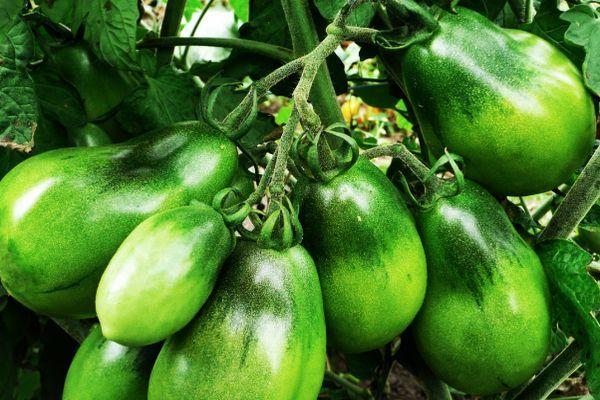
New additions to the series include the Emerald and Blue Pears. All varieties feature indeterminate stems, tall growth (up to 2 m), and early cluster fruiting. These tomatoes are suitable for both canning and fresh consumption. The Emerald Pear variety has a fruity flavor and aroma.
Several other varieties resemble the multicolored tomatoes in the Pear series. The most common and productive are Lampochka (pink and yellow), Aladdin's Lamp (orange), and Matryoshka (bright red). Berries from these varieties reach 70-90 g in weight, but the bushes are not very tall (1-1.5 m).
Dwarfs and giants
Pear-shaped tomatoes can be classified as cherry tomatoes. These miniature tomatoes weigh only 15-20 g. The small size of the berries is compensated by the number of berries on each cluster: up to 30 or more. The bush of this variety of tomato resembles a grape vine with red or yellow clusters.
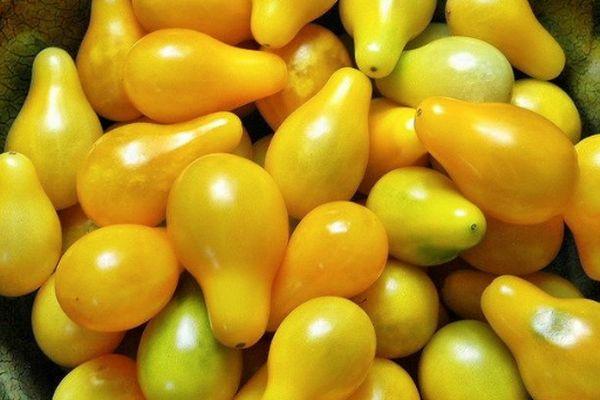
The abundance of cherry tomato varieties makes choosing difficult. It's best to choose the ones that suit your needs. Consider their suitability for growing outdoors or indoors, on a balcony or windowsill. Cherry varieties range from compact to tall.
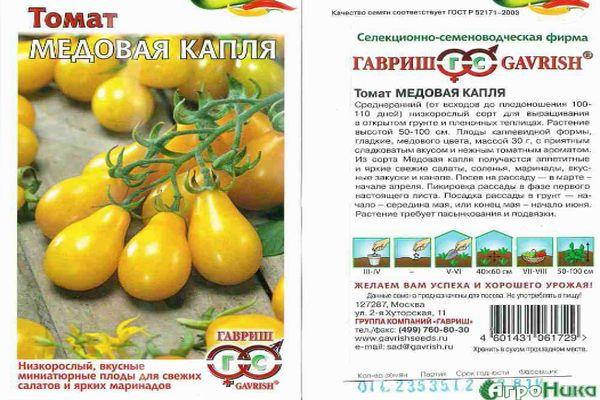
Most popular in Russia Honey Drop tomatoesThe berries are teardrop-shaped, with a thin base. The skin is lemon-colored (Honey Drop is yellow). It is somewhat reminiscent of the Red Date. The German variety, long known in Russia, is distinguished by its tall growth and cluster-type fruiting. Ildi cherry tomatoThey have egg-shaped berries, amber-yellow in color. The old French variety "Lily of the Valley" (scarlet, with a pointed tip) is popular throughout Russia.

Among modern hybrids, noteworthy are the pear-shaped varieties Barberry, Ira (red), Lisa (orange), Yellow Submarine, and Kira (yellow). Of particular note among the new varieties is the Bashful Blush: bicolor tomatoes with yellow and orange stripes. These varieties have fruity flavors and aromas.
Giant tomatoes are those that can weigh over 300-400 grams. They are especially good for eating fresh, with a delicate flesh and thin skin. They also come in red and yellow varieties, and unusually colored ones have recently begun to appear.
Among the latter, the Mexican variety Tlacolula stands out: its pear-shaped fruit is covered with numerous ribs. The ripe berry is bright red, with golden patches on the shoulders, adding to its decorative appeal. The flavor is sweet, tart, and fruity. Fruit weight reaches 300-350 g. In Russian gardens, it is recommended for greenhouse cultivation.
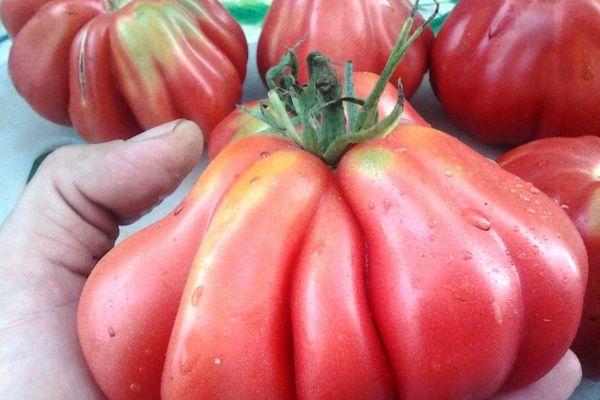
Ox Heart or Buffalo Heart Tomatoes (Spain) can grow up to 600 g. To achieve this, no more than 3-4 ovaries should be left on the cluster. The average weight of tomatoes grown in traditional conditions does not exceed 350 g. In Russia, they grow well only in greenhouses.
Domestic varieties Puzata Khata, Sto Pudov, and similar beef tomatoes (pear-shaped) are modern hybrids that are resistant to many diseases and are intended for open ground.
Most of them begin to bear fruit 100-110 days after sowing and are considered early, but in the short, cool summers of the Urals and Siberia, most tomatoes remain unripe. They can be harvested at the milky stage of ripeness and will ripen in boxes in the pantry. Such tomatoes will lose their rich flavor and will not be very attractive, but they are quite suitable for processing into juice and sauces.

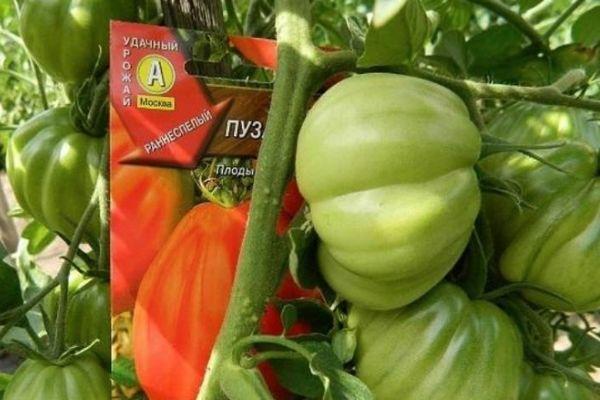
A common feature of giant tomatoes is their fleshy texture. They have few and small seed chambers. All the space inside the berry is occupied by the juicy contents. These tomatoes are not very dense, but they store well. Beef tomatoes are ideal for slicing and hamburgers.
Medium-sized varieties of the Truffle series (red, yellow, black), Liguria, Arawak, Garmoshka, Thalma, and others have a similar flesh structure. These are most often medium-sized tomatoes (100-200 g). Smaller tomatoes (up to 150 g) can be used for whole-fruit canning, while larger berries are suitable for salads. These varieties also include unusually colored ones: Contrast of Flanders (bicolor, yellow-phtolete) and Wine Jug (purple). They can add even more color to a vegetable dish.
How to grow pear-shaped tomatoes?
Growing pear-shaped tomatoes is no different from growing regular tomatoes. The sowing time can be determined based on the characteristics of the selected tomatoes. Early-ripening tomatoes should be sown 50-60 days before transplanting. Later-ripening varieties should be sown 70-90 days before planting.
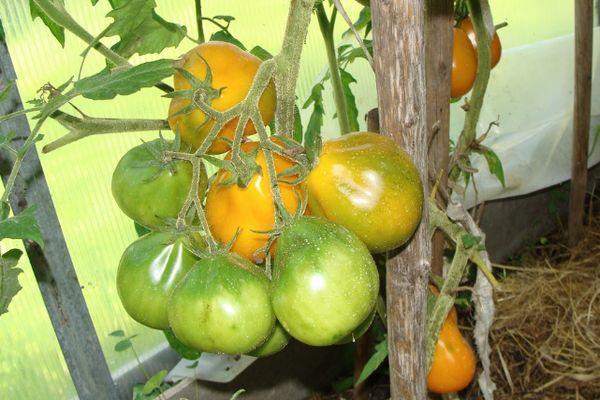
Focus on shaping and tying the bushes. To ensure better ripening of the fruit, remove side shoots and the leaves below them from 1-2 clusters. Additional stems can be grown from the 1-2 side shoots located higher up, which will serve as the basis for fruit ripening.
The stems need to be tied to a support, and for cluster-fruiting tomatoes, the bunches themselves are often suspended so that their weight does not damage the stem.
Related posts:
 Description of the best varieties of black tomatoes for open ground and greenhouses
 What varieties of tomatoes are best to plant in a polycarbonate greenhouse?
 16 Best Quick Pickled Tomato Recipes for the Winter
 Description of the best tomato varieties for open ground in the central zone
 TOP 17 recipes for pickled sweet tomatoes for the winter
 The best and most productive tomato varieties for greenhouse cultivation in the Urals, with descriptions
 The 14 Best Tomato and Aspirin Recipes for a 3-liter Jar for the Winter
 15 simple recipes for pickling tomatoes in jars for the winter