
The Ildi tomato is a small-fruited cherry tomato variety. This tomato comes in a wide variety and is popular with gardeners and homesteaders. These small tomatoes are ideal for canning. They can be eaten fresh, used in salads, gravies, tomato puree, sauces, and hot dishes. Below are the characteristics and description of this variety.
What is the Ildi tomato?
Characteristics of the variety:
- Ildi cluster tomatoes are classified as an indeterminate variety.
- The plant grows up to 180 cm.
- When growing, the bushes need to be tied to a support or trellis.
- Ildi tomatoes are early ripening; the fruits ripen 85-100 days after planting the seedlings.
- The bushes have a lot of leaves, which are medium-sized and bright green.
- The branches of the plant resemble a fan.
- The first ovary appears above the 9th leaf, the rest appear every 2 leaves.
- The inflorescences grow up to 30 cm in length, bearing beige flowers. Each flower forms an ovary, from which the fruit develops.
- Tomato flowers are small. There are so many of them that they almost completely cover the leaves.
- The yield is very high. The bushes are covered with clusters of small fruits weighing no more than 15 g. Each cluster can produce up to 60 fruits.

Tomatoes are round, plum-shaped. The fruits have a sweet taste. Unripe fruits are green, while ripe ones are amber-orange. Tomatoes ripen at different times. Even a single inflorescence can contain green, yellowish, and orange fruits. Flowers are also visible on the branches, along with the tomatoes.
The fruits have a firm, delicate skin. The tomatoes are juicy, fleshy, and have a small number of seeds. They can be canned whole, added to salads, or used in hot dishes. These small tomatoes are often added to vegetable platters due to their attractive appearance. Reviews of this tomato from gardeners and vegetable growers are generally positive.


Gardeners note the following advantages of the Ildi variety:
- Early ripening tomatoes.
- Excellent taste.
- High yield. One bush produces 3.5 kg of fruit.
- Excellent transportability and long shelf life.
- Disease resistance.
Disadvantages include the need to tie the bushes to supports. Stems and heavy clusters with many fruits need to be tied up. Side shoots and excess leaves must be removed regularly.

How are tomatoes grown?
Tomatoes are grown in a greenhouse or in an open garden bed. Some city dwellers grow these tomatoes on their balconies. This tomato is mid-season. To get an early harvest, tomatoes should be grown from seedlings. Sow the seeds two months before planting, planting them at a depth of 4 mm. Tomato seedlings do not ripen simultaneously. Seedling emergence can sometimes take up to two weeks. When growing, it is necessary to pick out the seedlings.

The seedlings require bright light to ensure a good yield. They should be hardened off before planting in the garden. Once the stems turn purple, they can be planted in the ground. Seedlings should be planted in warm soil when nighttime temperatures are at least 10ºC. Tomatoes can be planted in a greenhouse in late May. Ildi tomatoes can be planted in an open garden bed in early June.

Before planting, add organic fertilizer, humus, and compost to the soil. Wood ash is also added to the holes; it is an excellent fertilizer and protects the roots from disease. Mineral fertilizers can also be added; this increases yields and protects against disease.
Related posts:
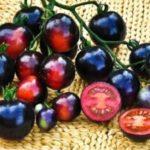 Description of the best varieties of black tomatoes for open ground and greenhouses
 11 Best Recipes for Preserving Tomato Slices for Winter
 TOP 17 recipes for pickled sweet tomatoes for the winter
 Delicious recipes for canned tomatoes with honey for the winter, preparation steps
 Recipes for amazing tomatoes in jelly for the winter, with and without sterilization, you'll lick your fingers
 The 14 Best Tomato and Aspirin Recipes for a 3-liter Jar for the Winter
 How to make marinated tomatoes in jars for the winter using a Bulgarian recipe
 Recipes for pickled tomatoes in apple juice for the winter – finger-licking good
3.5 kg per plant is very little. It's a shame to waste greenhouse space on it. I don't understand why they call it high-yielding. I grow large-fruited tomatoes, 180 kg from 20 plants this year. I'm trying to find a productive small-fruited variety. I tried the old, well-known Debarao variety and got 11 kg from two plants. That's also not enough. But Ildi is absolutely terrible in terms of yield.