
The Buffalo Heart tomato is a low-growing, large-fruited variety. It was developed by Russian breeders in the early 21st century. This variety has many advantages, which has earned it positive reviews from vegetable growers. It is low-growing yet produces large, heart-shaped fruits. It is a non-hybrid vegetable crop. Seeds can be saved for planting the following season.
Characteristics of the variety
The characteristics and description of the variety are as follows:
- Buffalo Heart tomatoes are suitable for growing throughout Russia. There are no specific recommendations for choosing a region. The variety thrives and produces good fruit in both northern and southern regions.
- These tomatoes are mid-early. The plant begins to bear fruit 115 days after planting. Gardeners receive their first harvest as early as July.
- Tomatoes can be planted both in greenhouses and open ground. They are not dependent on weather conditions, tolerating mild drought, rain, and frost.
- This is a determinate variety, meaning it's low-growing. The bushes are standard and rather frail. There are few leaves. The average plant height is about 80 cm; in greenhouses, this tomato grows up to 1 m.
- Buffalo Heart tomatoes are virtually immune to common diseases and insect pests. This makes the variety attractive to both experienced and novice gardeners.
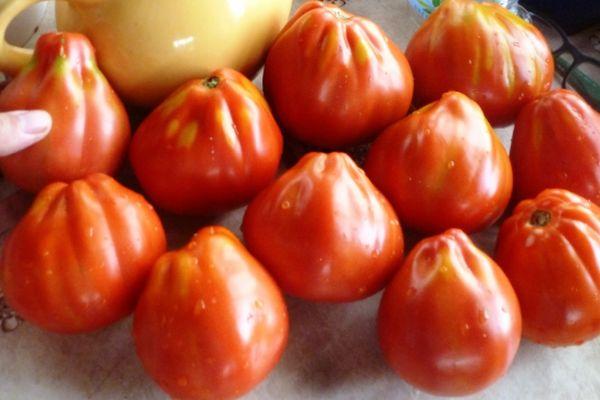
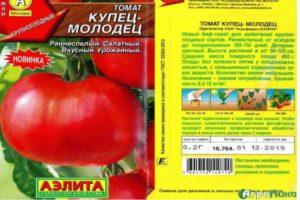
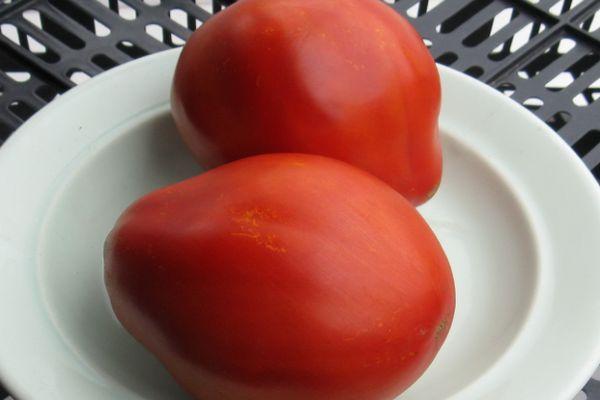
Buffalo Heart tomatoes have a rich red color with a pink tint.
- These are large tomatoes of a round-heart shape.
- Each fruit weighs from 500 g to 1 kg.
- The pulp is dense, fleshy, juicy.
- Minimum number of seeds and chambers.
- The skin is smooth, glossy, thin.
- The taste is classic tomato.
- The tomato is sweet with a pleasant sourness.
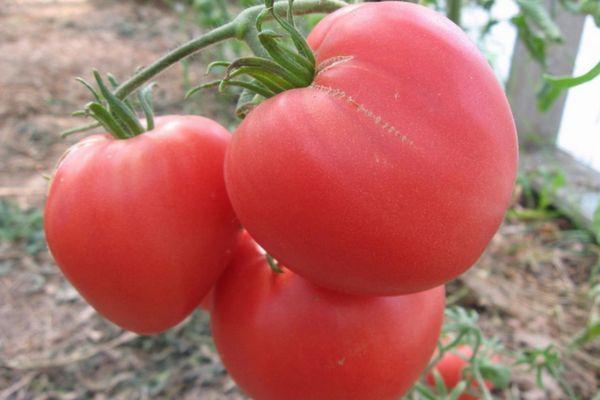
- One brush contains 3-5 tomatoes.
- They ripen well and are stored at home.
- They can be transported without any problems.
This variety bears fruit for a long time. Gardeners who grow Buffalo Heart tomatoes from midsummer to early fall always have fresh tomatoes on their table. This quality also makes it suitable for commercial cultivation.
The yield is good. With proper care, one bush produces 10 kg of fleshy tomatoes per season.
The variety belongs to salad varieties.

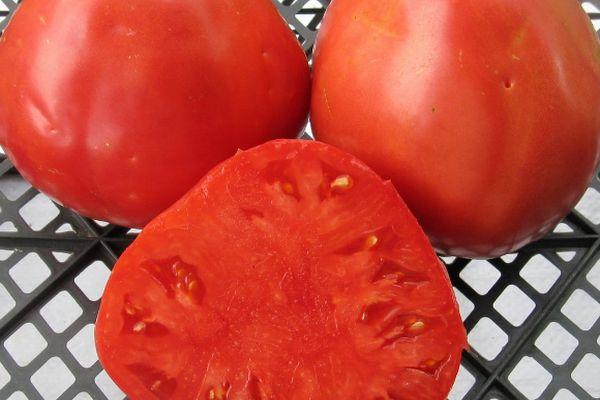
Buffalo heart is not suitable for canning due to its large size. Dishes made with tomato:
- A variety of salads.
- Tomato paste.
- Juice.
- Sauces.
- Snacks.
- Ketchup.
How are tomatoes grown?
The Buffalo Heart tomato is planted outdoors as seedlings. Seeds are planted in trays of soil in March. Each seed is sown to a depth of 1 cm. Fertile soil is selected for the tomato plants. Afterwards, the plants are watered with a spray bottle and covered with plastic wrap to create favorable conditions for germination.
Seedlings should appear within a week. Once each seed produces several strong leaves, the seedlings can be transplanted into individual pots. Transplant the seedlings into open ground or a greenhouse two months after planting. Before transplanting, the plants should be hardened off and acclimated to the outdoors. To do this, begin by placing them outside or on a balcony a few weeks before transplanting.
Hardening-off time is gradually increased. This way, transplanting won't stress the plants, and the tomatoes will take root better. Everyone who has planted this variety reports that the seedlings are noticeably different from other varieties. The shoots are quite thin and long. Once the plant is transferred to the ground, it gains strength.
Plant 4 bushes per 1 m². Fertilize the plants during planting, sprinkle the soil with ash, and water the holes generously. Water the tomatoes with warm water once every few days. The Buffalo Heart variety prefers moderate watering. However, it's important to ensure weeds are removed promptly and the soil beneath the bushes is loosened.
Experienced gardeners know that plants need to be pinched out in a timely manner. Avoid allowing the bushes to grow too large, so they don't waste energy on unnecessary shoots, but rather use it to ripen the fruit.
The variety is not susceptible to most common diseases. However, disease prevention is best. For this purpose, the plant is treated with insecticides.
 The greenhouse or hothouse must be ventilated periodically to prevent the development of mold.
High humidity in a greenhouse is detrimental to vegetable crops. In good weather, the greenhouse is opened throughout the day and closed only at night. To increase yields, the plants are fed several times a season with fertilizers, which can be purchased at specialty stores.
Related posts:
 Description of the Ox Heart tomato variety, cultivation and care features
 Characteristics and description of the Bull's Heart tomato variety, yield and cultivation
 Description of the Beauty's Heart tomato and cultivation of the variety
 Description and characteristics of the Bull's Heart cherry variety, planting and care
 80 Best Eggplant Varieties for Different Regions with Descriptions and Characteristics
 Description of the Loving Heart Red tomato and its varieties
 The best grape varieties for growing in the Urals, planting and care rules in summer
 Which tomato varieties are best for open ground?