
The Honey Drop tomato, due to its small fruit size, is classified as a cherry tomato. Gardeners are drawn to its high yield and the unusual, attractive appearance of its clusters of yellow fruits, rich in vitamins and amino acids. It also has many other advantages. There are specific cultivation guidelines and care recommendations for this variety, whether grown outdoors or in a greenhouse.
Description of the variety
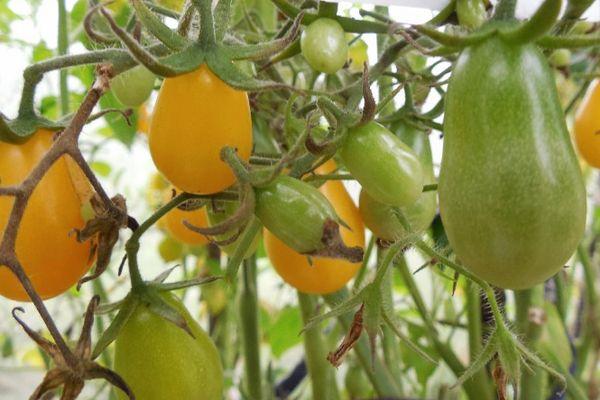
The Medovaya Kaplya variety belongs to the mid-early group of plants with an indeterminate growth pattern. A ripe harvest can be obtained after 115 days. The cherry tomato variety's characteristics indicate that it can be grown in a greenhouse or in open beds, producing a high yield. In a greenhouse, the plant can reach a height of up to two meters, while in open beds, the height is slightly lower, at 1.5 meters.
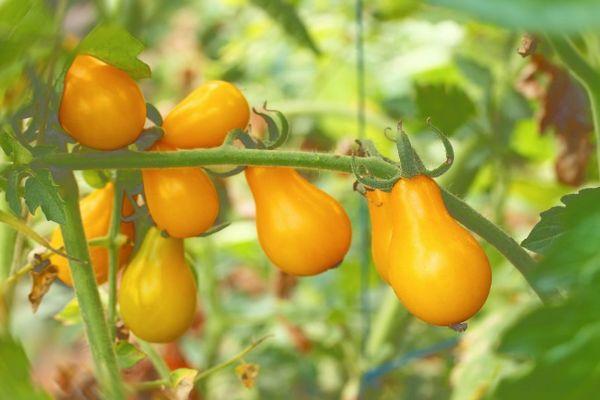
The stem is not particularly strong, so it needs support for tying. It's important to tie not only the central stem but also the side branches.
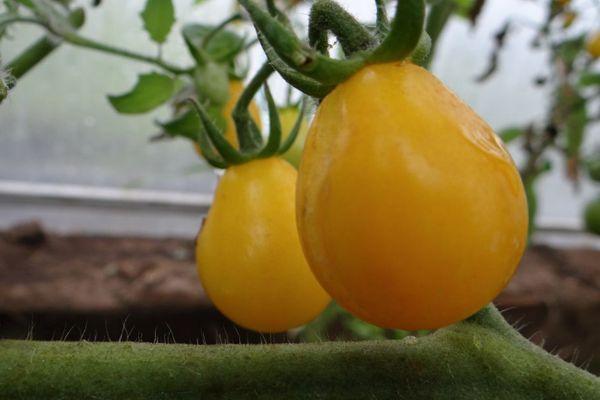
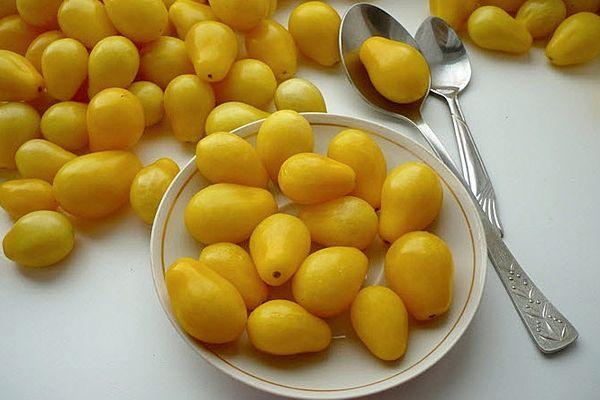
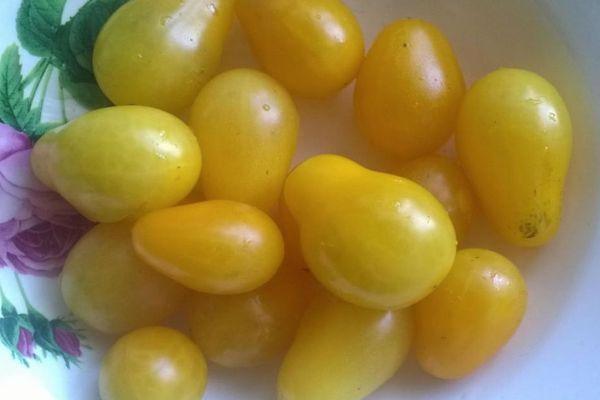
Before choosing a variety, it's important to study the fruit description. Each cluster produces 14-15 small fruits, weighing 20 g each. The fruits are pear-shaped, reminiscent of a teardrop. When ripe, they acquire a rich yellow hue.
Yellow tomatoes have sweet, dense, juicy flesh with a pleasant honey-sweet flavor and are low in calories. They are high in sugar and vitamins, especially high in vitamin A and a small amount of vitamin C. The flavor is sweet with a hint of honey.
Growing
Growing begins with preparing the seeds and soil for planting. Two-year-old seeds are best for sowing. The seeds must first be sorted by placing them in a salt solution for 10 minutes. Empty and small seeds float to the surface. The seedlings that remain at the bottom continue to be prepared for planting.
The seeds are immersed in a 1% potassium permanganate solution for 20 minutes to disinfect them. This procedure increases the plant's resistance to disease. The seeds are then rinsed with water and soaked in growth stimulants. Suitable products include Epin, Zircon, and Sodium Humate. You can also soak the seeds in aloe vera juice.
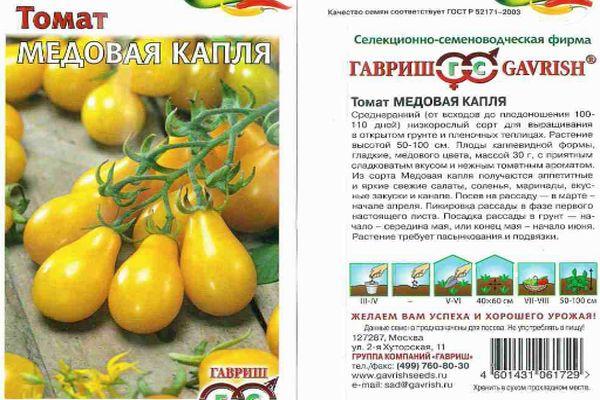
The Honey Drop variety is grown from seedlings. The soil for planting should be loose, light, and fertile. If the soil is highly acidic, wood ash, sand, and peat should be added beforehand. Adding superphosphate or potassium compounds will help speed up germination.
Holes are made 2 cm apart and 1 cm deep. One seed is placed in each hole and covered with soil. The box is covered with plastic wrap and moved to a dark, warm place for mass germination (in 6-7 days).
As soon as the first pair of true leaves unfurl on the seedlings, they are transplanted into separate containers. To ensure the plant's strength, the central root is pinched.
Seedlings are transplanted to their permanent location when 3-4 leaves appear on the stem. Two weeks before transplanting, harden them off. Place them outside or on an open windowsill. Ten minutes is sufficient on the first day, but this time can be increased later.
Care Features
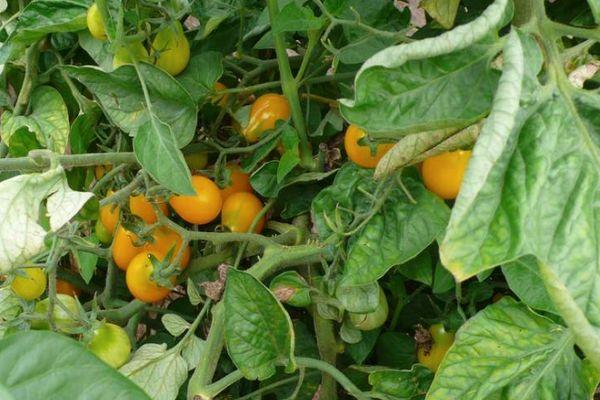
Planting tomato seedlings in open beds begins in late May; they can be transplanted into a greenhouse earlier, in early May. The site should receive good sun exposure. Seedlings are planted 55 cm apart, with at least 70 cm between rows. Cabbage, legumes, and greens are considered the best predecessors. Like other tomato varieties, the Honey Drop variety should not be planted in areas previously occupied by eggplant or peppers.
Further care involves the following steps:
- Immediately after transplanting, you need to install a support for tying;
- to increase yield, it is better to form into 1–2 stems;
- Stepchildren should be removed once a week, their length should not exceed 3 cm;
- watering is moderate but abundant, twice a week is enough, more often on hot days;
- After watering, it is essential to loosen the soil;
- To prevent weeds from growing, you need to weed the beds regularly.
Fertilize at least three times during the growing season. The first application is made one week after replanting (use a solution based on bird droppings or cow dung). Subsequently, alternate organic and mineral fertilizers.
Advantages and disadvantages
The Honey Drop variety has many advantages:
- taste qualities at a high level;
- the yield is quite high;
- the variety is resistant to drought and low air temperatures;
- rarely gets sick, high immunity to black leg and late blight;
- You can grow a good harvest in a greenhouse and in open ground;
- versatility of the purpose of the harvested crop;
- It is recommended to mulch the soil;
- The seeds can be collected for planting next year.
Another advantage is the ability to use seeds as planting material. Ripe tomatoes are cut in half and passed through a sieve. Large seeds are washed and dried. Then they are placed in bags and stored in a dark, dry place. These seeds remain viable for up to 7 years.
Disadvantages of this variety include the need for support for tying and regular removal of side shoots. If side shoots are not removed promptly, the side shoots will block light and heat from reaching the lower parts of the plant. This increases the risk of fungal diseases and rot. The thin skin is prone to cracking when ripe.
Pests and diseases
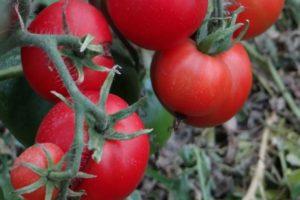
The plant is highly resistant to diseases, especially late blight, gray mold, bacterial mold, and blackleg. However, if proper agricultural practices are not followed, the plant's immunity weakens, increasing the risk of infection. As a preventative measure, the beds can be treated with Fitosporin, copper sulfate, wood ash, or a soap solution. Whiteflies and aphids may be a concern.
To maintain the Honey Drop tomato variety's immunity, mulch the soil, water it properly and regularly (use warm, settled water), and apply fertilizer promptly and at the recommended dosage.
Harvesting and storage
Once ripened and harvested, tomatoes can be eaten fresh or canned. Their sweet flavor makes them ideal for making jam. Less commonly, they are used to make sauces and juice. They are often included in dietary and children's menus and are hypoallergenic.
Those who have planted the Honey Drop variety note that the tomatoes produce fruit for a long time. Harvesting can be done from mid-summer until the end of September. Store the harvested crop in a dark, dry place.
Gardeners' reviews
Experienced gardeners' reviews of the Honey Drop variety are mostly positive. Everyone notes the nearly 100% germination rate of the planted seeds, the high yield, the unusual color and shape of the fruit, and its tolerance to adverse conditions. A single plant can yield up to 2 kg of fruit.
Small, sunny tomatoes are easy to preserve, low in calories, and suitable for dietary use. The flesh is juicy and sweet. Due to their low ascorbic acid content, they are suitable for those with high acidity.
Vegetable growers recommend this variety to those with small children. They enjoy the sweet fruits. The pulp is rich in carotene and other vitamins. The tomatoes are sweet, tasty, and store well.
Related posts:
 Description of the Golden Drop tomato and growing guidelines for the indeterminate variety
 Is it possible to grow an apricot tree from a seed in your garden? How to plant and care for it?
 Description and characteristics of the Syrah grape variety, where it grows
 How to properly grow a peach tree from a seed at home, planting and care
 The best grape varieties for growing in the Urals, planting and care rules in summer
 80 Best Eggplant Varieties for Different Regions with Descriptions and Characteristics
 Descriptions of the 20 best cherry varieties for the Moscow region, their planting and care
 How to grow grapes in the Moscow region in open ground without a greenhouse