
The Lipetsk Apple tomato is suitable for salads. It has a medium ripening period. The fruits can be used for juice production, and the smallest specimens are suitable for canning. This variety is grown in open fields in the southern regions of Russia. If you live in the temperate zone, a plastic greenhouse is required to harvest the crop. In Siberia and the Far North, the Lipetsk Apple variety is grown in hotbeds or well-heated greenhouse blocks.
Characteristics and description of the variety
The characteristics and description of the variety are as follows:
- The vegetative period of plant development from germination to first fruits lasts 110-115 days.
- When grown outdoors, the height of this tomato plant reaches 150-160 cm. If the farmer uses a greenhouse to grow the plant, the bush can reach 170-180 cm.
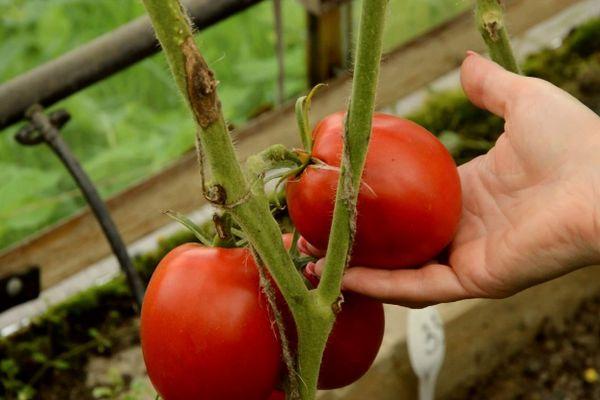
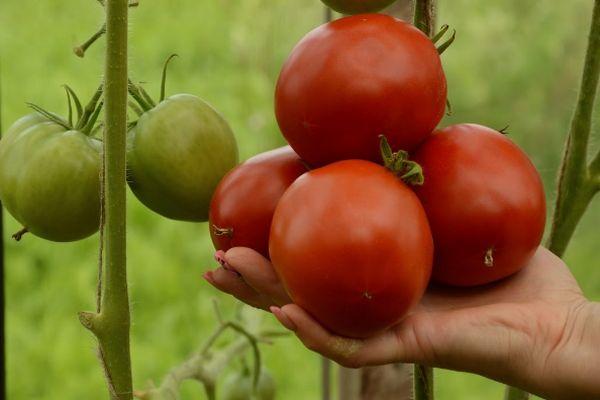
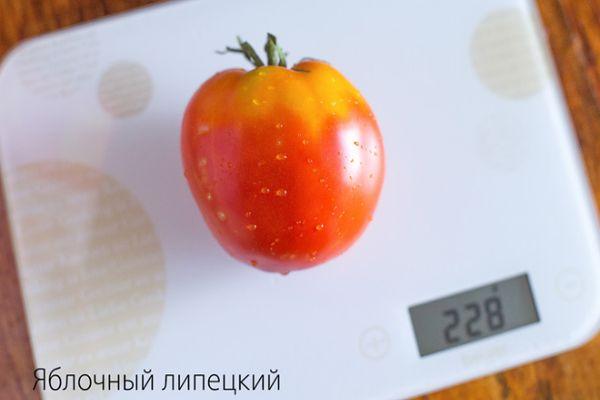
- Ripe fruits are red in color, but there are no spots near the stalk. The fruits ripen gradually.
- The average fruit weight ranges from 0.15 to 0.3 kg. Gardener reviews indicate that by following all expert recommendations for tomato care, fruits weighing between 0.4 and 0.45 kg can be obtained.
- The fleshy and juicy pulp contains few seed chambers.
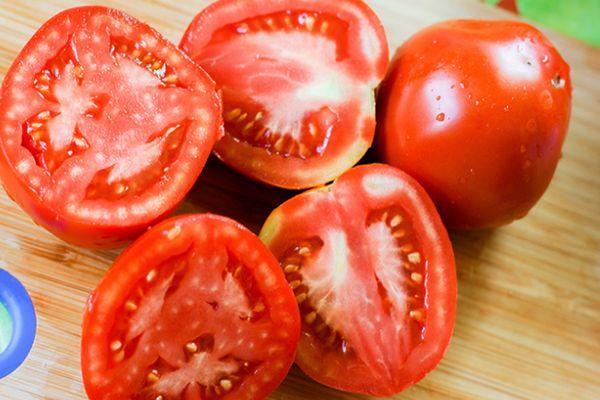
Farmers note that, unlike other tomato varieties, the Lipetsk Apple variety yields 3 to 3.5 kg of fruit per bush. A disadvantage of this tomato is the need to tie the bushes to trellises or install sturdy supports under the branches. Without this, the heavy tomatoes can easily break the bush due to the heavy fruit. The bush is trained into two stems.
Obtaining seedlings from seeds
It is recommended to purchase planting material from a reputable seed company. All seeds are treated with hydrogen peroxide or a weak solution of potassium permanganate. The seeds are planted in boxes filled with soil to a depth of 20 mm. The soil should contain organic and nitrogen fertilizers. Water the planting material with a watering can. The water should be at room temperature.
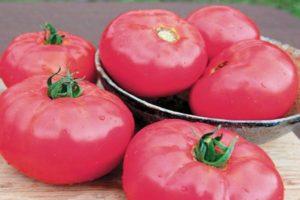
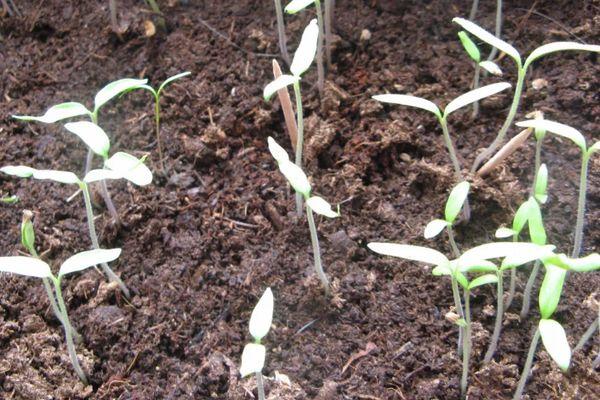
After this, the boxes are covered with glass, and the room temperature is raised to +24…+25°C.
The temperature is maintained at this level until the first shoots appear, 7-8 days later. Then, the temperature is reduced by 4-5°C. The glass is removed. The seedlings are watered with warm water and fed with manure or peat. The containers with the plants are moved to a well-lit area, or the boxes are placed under electric lamps.
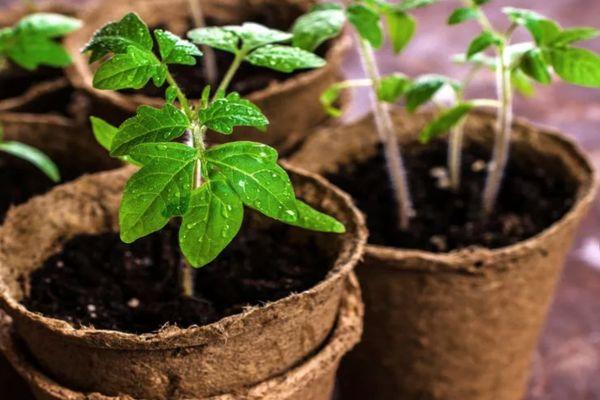
When the sprouts have 2-3 leaves, they are pricked out. The seedlings are transferred to permanent soil only when they are 55-60 days old.
A week before this date, they are hardened off. The soil in the beds is loosened and a complex mineral fertilizer is added. The seedlings are watered with warm water and then covered with a warm material to prevent them from dying from a sudden drop in temperature. The planting format for young bushes is 0.4 × 0.5 or 0.5 × 0.5 m.
Caring for growing tomatoes
Water this plant once a week. Increasing the frequency is not recommended, as increased soil moisture can lead to fungal infections. Watering should be done with warm water that has been left to stand in the sun before sunrise or after sunset.
Plants are fertilized with several types of fertilizers. Initially, as the bushes grow and develop foliage, nitrogen-containing mixtures are used. Organic fertilizers or ammonium nitrate are used for this purpose. During flowering, potassium fertilizers are added to the nitrogen solutions to provide additional nutrition. During ovary development and fruit formation, mixtures containing phosphorus and potassium are used.
Bush formation begins with removing lateral shoots, leaving only two stems.
Tomatoes need oxygen and nutrients from their roots to grow properly. To ensure gas exchange, it's recommended to loosen the soil under the plants once or twice a week or apply mulch. Weeding the beds helps prevent the spread of fungal and bacterial infections and eliminates some garden pests.
To protect bushes from various diseases, preventative measures are taken. Plants are treated with medicinal products three times, with an 8-10 day interval between each application. If the disease has spread, all affected plants and fruit are destroyed, and the remaining bushes are treated with medicinal products, copper sulfate, or infusions.
If dangerous garden pests (aphids, mites, Colorado potato beetles, and other insects) appear in the garden, it is recommended to eliminate them with chemicals. If the gardener wants an environmentally friendly harvest, folk remedies can be used to kill the insects. Bushes can be treated with copper sulfate, soap solution, or herbal decoctions.
Related posts:
 The best eggplant varieties for growing in a polycarbonate greenhouse: planting and care
 Causes and treatment of eggplant pests and diseases, how to combat them at home
 Growing and caring for hazelnuts in open ground, rules for planting hazelnuts
 Description and rules for growing Solaris grapes
 Is it possible to soak treated cucumber seeds before planting and how to do it correctly?
 Methods for planting and propagating cherries at home
 The best grape varieties for growing in the Urals, planting and care rules in summer
 Description of varieties of sowing peas and cultivation, to which family they belong