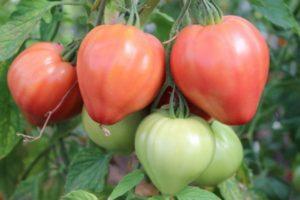
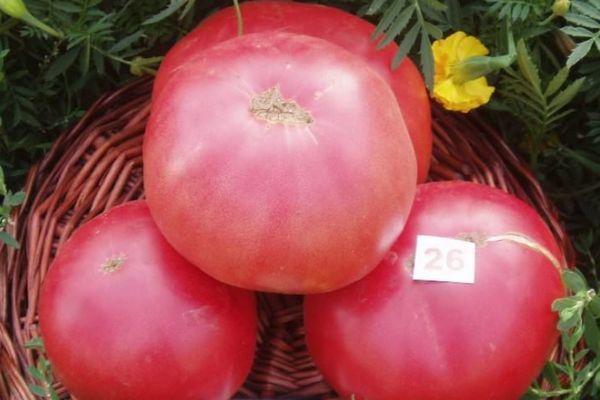
The Pink Bugay tomato was bred by Russian agrobiologists, developed in Siberia, and is intended for greenhouse cultivation. The hybrid's main characteristics are its large fruit size and high bush productivity.
Advantages of the variety
The Pink Bugay tomato is a first-generation hybrid. This variety is characterized by a mid-season ripening period. It is a determinate plant, forming a bush 150-180 cm tall during the growing season. The plant has thick stems, which are needed to support the weight of the ripening tomatoes.
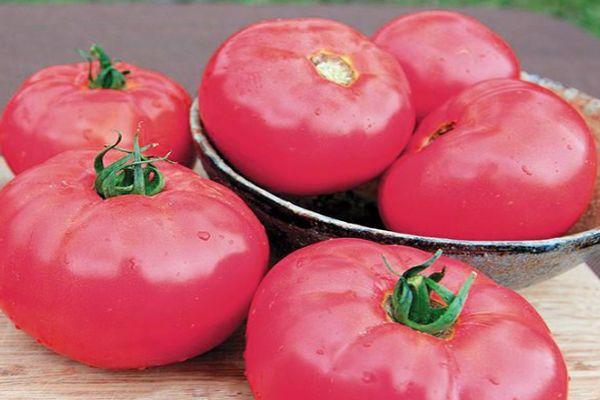
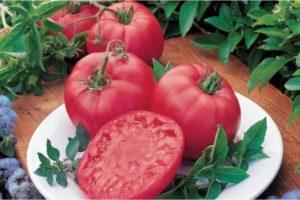
The bush produces large, flat, round tomatoes of a deep pink color. Each fruit weighs up to 600 g. The tomatoes have firm flesh, sweet when broken, and a small number of seeds in the chambers.
The characteristics and description of the Pink Bugay tomato variety highlight its many positive qualities. This tomato is a source of vitamins and microelements.
Large tomatoes are resistant to cracking during ripening. The variety's description is based on its excellent flavor. In cooking, the fruits are used fresh, for making juices, pastes, and purees.
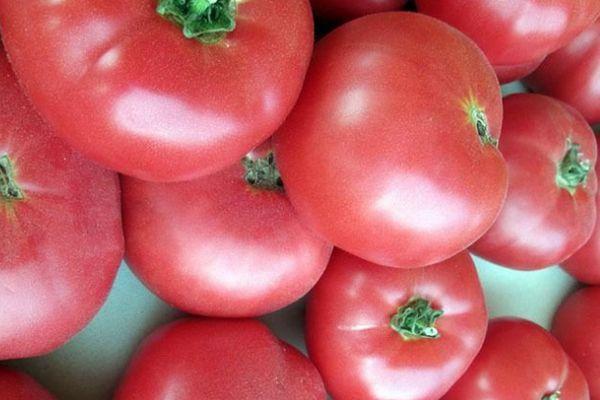
The hybrid is characterized by high yields. One bush can produce 5 kg of fruit, and a single branch can yield up to 2 kg of ripe tomatoes.
The Red Bugai tomato differs from the pink variety only in color. It produces large fruits and a high yield. During the growing season, the plant reaches a height of 150 cm.
This mid-early ripening tomato begins bearing fruit 115 days after germination. Fruits weigh 800-1000 g. The total yield per season is 6 kg per plant. This variety is characterized by a long fruiting period.
The fruits have a balanced sweet flavor with a hint of tartness. Tomatoes are eaten fresh. Harvested at the biological ripeness stage, they ripen perfectly in a warm environment.
Agricultural technology for tomato cultivation
To achieve a high yield, it's important to grow healthy seedlings. Seeds are sown for seedlings 60-70 days before planting in their permanent location. To do this, fill special containers with prepared soil mixture, moisten with warm water, and make furrows 1 cm deep.
Before planting, it's recommended to treat the seeds with a growth stimulant to speed up germination. The prepared seeds are placed in the soil, watered, and the container is covered with plastic wrap or glass until the sprouts emerge.

Seedlings should be grown at temperatures between 23 and 25°C. Once sprouts appear, the container is moved to a well-lit location. When two new leaves appear, transplant them. Use separate pots filled with substrate for this purpose.
Seedlings can be grown without transplanting, by sowing seeds in peat pots or pellets. The finished seedlings, each with a single flower cluster, are transplanted to their permanent location along with the container in which they were grown.
Although tomatoes can be grown outdoors, greenhouse conditions are recommended for proper development. When planting in the ground, 2-3 plants are spaced per square meter.
Thirty days after planting, remove excess leaves from the lower part of the bush. Extreme care is required during the bush formation process. Never remove leaves located above the third flower stalk.
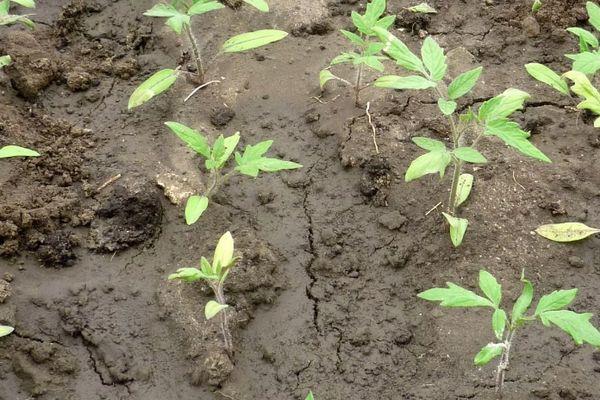
To avoid damaging the bush, this process should be carried out in several stages. This will minimize stress on the plant. To improve fruit set, the bushes are gently shaken in the morning.
This variety responds well to regular, moderate watering at the roots. To regulate the soil moisture balance, mulching is recommended. This ensures drip irrigation and prevents excessive evaporation.
The hybrid is sensitive to potassium and boron deficiencies in the soil. During the growing season, the plant requires increased fertilization with mineral fertilizers containing potassium, phosphorus, and nitrogen.
To increase yield, it is recommended to grow the plant in 1-2 stems and remove excess branches. Tall bushes are tied to a support or trellis.
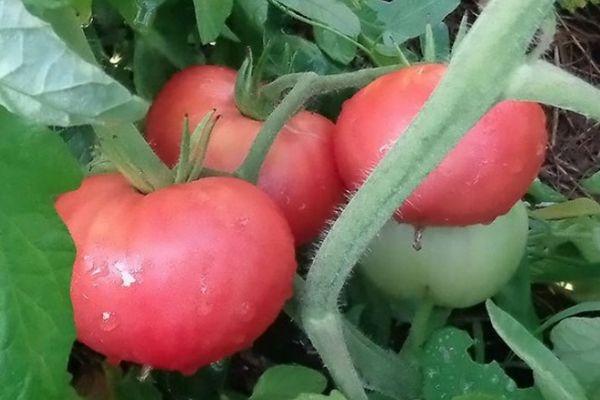
To produce giant-sized fruits, the number of flower stalks and ovaries per cluster is controlled. Gardeners' reviews indicate the hybrid's high resistance to most diseases, including tobacco mosaic virus.
The variety is susceptible to fungal diseases. If it is necessary to carry out preventive measures to protect against late blight and alternaria, it is recommended to use special preparations.
The first spraying is carried out when 4-6 true leaves have formed, with subsequent treatments at intervals of 7-10 days. Fungicide application is discontinued 20 days before harvest.
Opinions and recommendations of vegetable growers
Those who have planted the Bugay f1 tomato recommend growing it in a mostly stable temperature environment. The best way to fertilize it is by watering it with a mineral fertilizer solution. It's important to apply the fertilizer after loosening the soil.
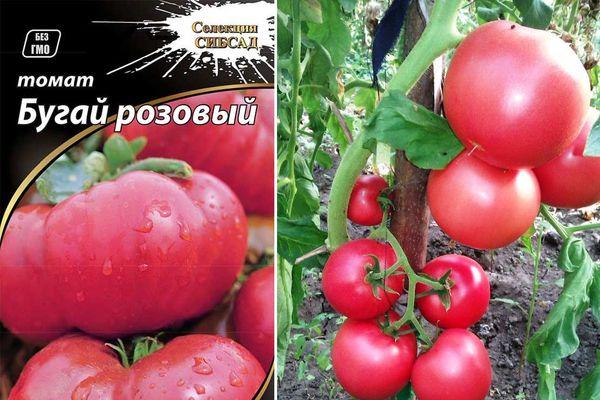
Evgeny Mitrofanov, 56 years old, Voronezh:
Last season, I decided to plant the Pink Bugai tomato in a greenhouse. I grew the seedlings using the traditional tomato method, planting them in the ground when the first flower clusters formed. Caring for this variety is straightforward. It simply requires timely watering and regular fertilizing with a complex fertilizer.
When removing side shoots, it's important to rinse your hands in a potassium permanganate solution to avoid contaminating the plant. The bushes are tall, so I tied them to a trellis. I slightly controlled the yield by removing flower stalks. The variety description matches the information on the packaging perfectly. The fruits are very tasty, aromatic, and perfect for fresh consumption.
Related posts:
 80 Best Eggplant Varieties for Different Regions with Descriptions and Characteristics
 The best eggplant varieties for growing in a polycarbonate greenhouse: planting and care
 Description of the best varieties of black tomatoes for open ground and greenhouses
 Descriptions of the 20 best cherry varieties for the Moscow region, their planting and care
 The best grape varieties for growing in the Urals, planting and care rules in summer
 Description of the Red Early apple tree variety, agricultural technology and specific care
 Description and characteristics of the best seeds of pea varieties and types
 Description of the Velika grape variety, cultivation and care tips