
The desire for a bountiful harvest pushes gardeners to purchase expensive mineral soil amendments, as organic ones, despite all their advantages, lack phosphorus and potassium, which directly affect vegetable growth. However, gardeners have found a supplement made from bone meal, an organic fertilizer known for its rich chemical composition.
What is bone meal?
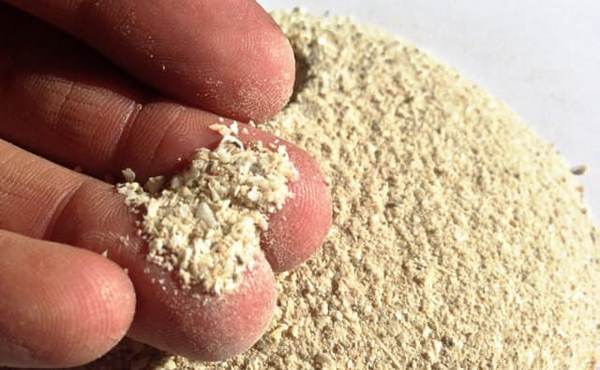
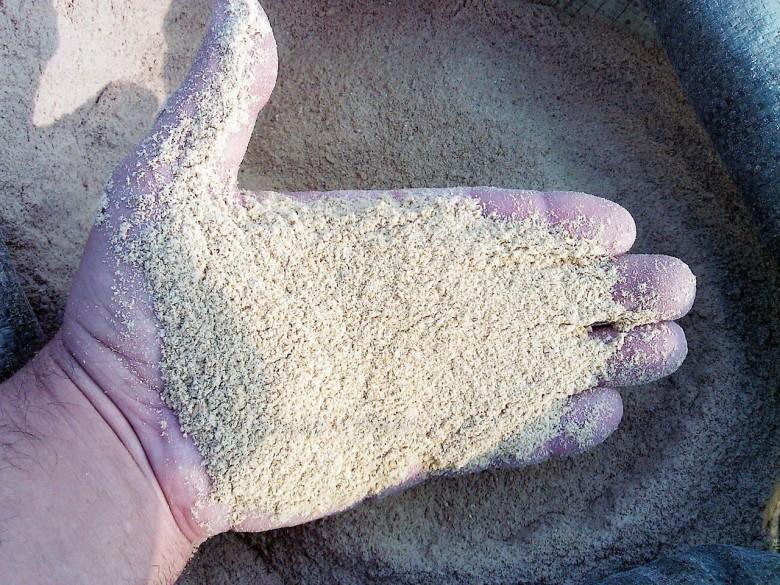
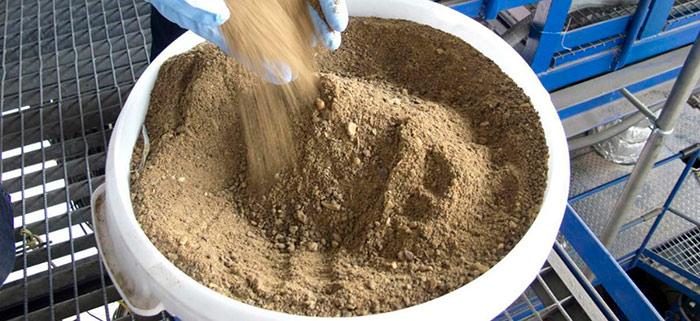
Bone meal is a fertilizer obtained by processing the bones of cattle or fish. The fertilizer is a light-colored powder, often moist due to a certain amount of animal fat. The mixture is produced in two ways:
- industrial - during this type of production, the product is disinfected from possible infections, is deprived of a specific odor, and also, thanks to calcination, is degreased, which makes it more homogeneous and easier for the soil and roots to absorb;
- artisanal - this method of production produces a smaller quantity of product, but of higher quality, without possible impurities or additives.
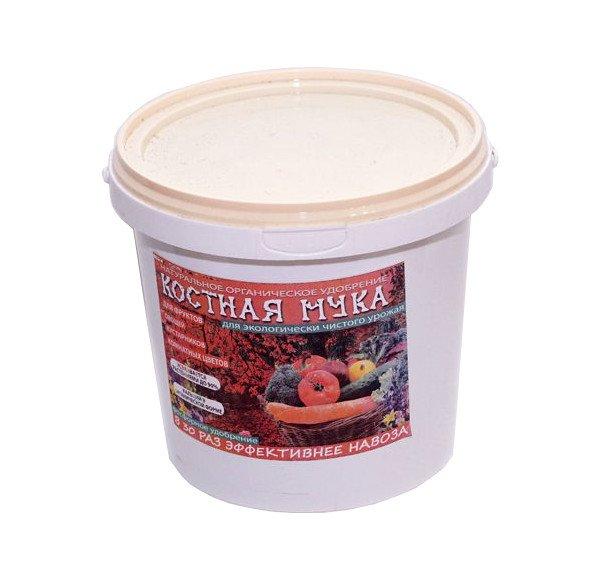
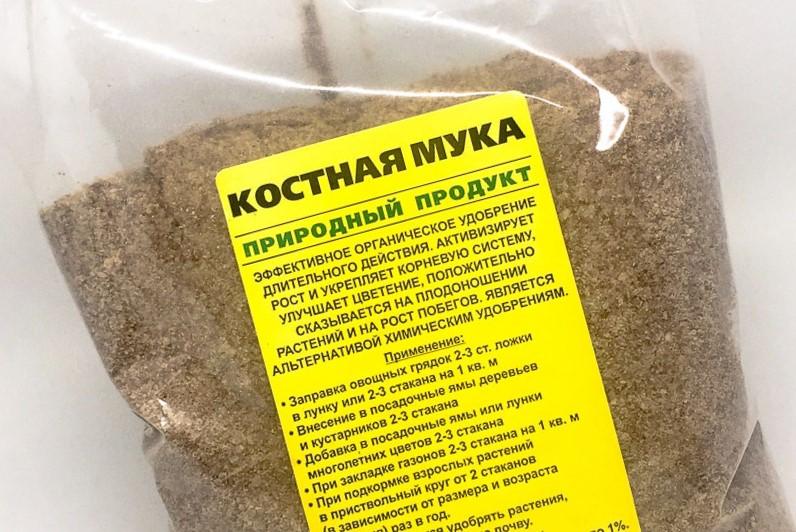
The powder is sold in packages of various weights; you can choose the appropriate one depending on the size of the area.
Types and chemical composition
Bone meal is obtained from ground fish bones, horn and hoof matter, crustacean shells, and the bones of farm animals. The potassium content of animal skeletal material is low, but it's sufficient for vegetable growth. However, the product contains only 4% nitrogen, requiring additional nitrogen-rich fertilizers such as saltpeter or urea.
In addition, the fertilizer contains many other useful micro- and macroelements: calcium, iron, magnesium, sodium, zinc, iodine, copper, which are necessary for healthy plant growth.
But the most important element enriched in flour is phosphorus. It influences crop growth and photosynthesis, as well as the taste and appearance of the fruit. Phosphorus also strengthens the root system and increases the number of strong shoots.
Depending on the technology used to obtain the substance, the percentage of phosphorus in the substance varies:
- regular flour processed by mechanical milling – 15%;
- steamed using heat treatment – 25%;
- defatted concentrated – 35%.
Fish meal also contains phosphorus, calcium, and iron. It contains two and a half times more nitrogen than animal meal, which is beneficial for crop growth. Horn and hoof meal has a high nitrogen content (approximately 10%). However, this nitrogen content is safe for roots because the nitrogen is released slowly and does not have time to burn the rhizomes.
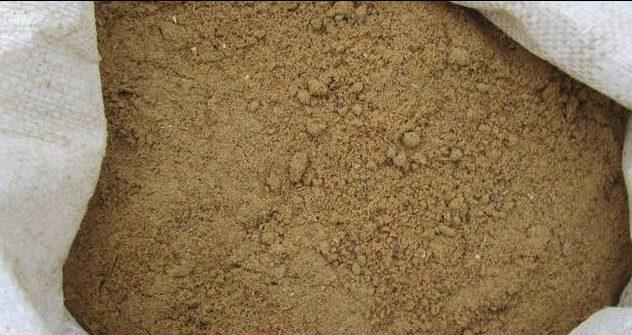
Shell flour is rarely found on store shelves, but it has an equally beneficial list of elements for plants.
Benefits of using as a fertilizer
In addition to their rich mineral content, ground bones have a number of other benefits:
- safety for people, animals, insects and plants;
- ecological cleanliness;
- low cost compared to mineral fertilizers;
- slow decomposition – about 8 months, which means use once per season;
- does not leave burns on the leaves of crops;
- Bone meal is a ready-made fertilizer and does not require any additional steps such as dilution, mixing or infusion;
- the preparation is suitable for both home and garden use;
- used during any growing season;
- can be used immediately before harvesting;
- The fertilizer does not have a strong or unpleasant smell.
What is bone meal used for?
Ground bones can be used as an organic fertilizer for both indoor and garden plants. This substance is ideal for highly acidic soils, as the bone composition normalizes the soil's balance, enriches it, and helps the roots absorb nutrients.
Moreover, flour is an excellent fertilizer before planting a new plant, as phosphorus helps the roots establish themselves in the new location. The product also influences the growth and yield of the harvest, as well as the taste and appearance of the fruit.
Moreover, the substance boosts plant immunity to various types of fungi, infections, and pests. Gardeners also often sprinkle the powder on their lawns, which makes the grass thicker and the color richer. Ground bones can be used either in their pure form or added to ready-made mixtures to replenish nitrogen deficiency.
Rules for application and introduction
Periods of feeding bone meal:
- immediately before spring planting – into planting holes (10-15 grams per plant);
- During autumn digging, scatter the powder at a rate of 100-200 grams per square meter; if the soil is not dug, the ground bones should be compacted into the soil, closer to the roots.
Using bone meal in the fall is considered more successful because the nutrients will decompose to the required state before spring, allowing future plants to utilize the nutrients. Bone meal is typically applied once a year, although experienced gardeners recommend applying the fertilizer no more than once every three years.
Depending on the crops growing in the garden, the preparation is used in different ways:
- for vegetable plants, the amount of the substance added in the spring should be increased - 50 grams in each hole, in the fall the proportions are maintained;
- For potatoes, it's best to apply it during autumn digging, as fertilizing each hole is a lengthy process. The recommended rate in autumn is 200-300 grams per square meter.
- For rose bushes, 100-150 grams should be added to each hole when planting; for mature plants, 100 grams should be added to the root zone, followed by mulching once every 3 years;
- For strawberries, fertilizer is applied both during planting (20-30 grams per hole or 300 grams per square meter) and during the flowering or fruiting period (10-20 grams);
- for berry bushes or fruit trees, 100-150 grams of flour is needed in each hole;
- For indoor plants, mix flour with soil at a rate of 1 gram per kilogram of soil.
How to get bone meal?
You can also make a healthy fertilizer yourself. To do this, you'll need to stock up on the necessary animal or fish feed and have plenty of free time, as preparing flour is a time-consuming and labor-intensive process, especially without the necessary equipment. Also, remember that the process produces a distinctive odor, so it's best to do it outdoors.
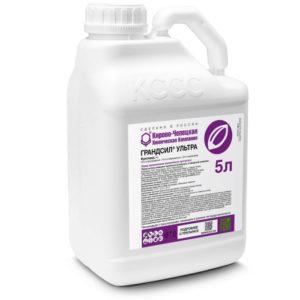
There are quite a few ways to obtain the product, but the following are the easiest:
- The raw material should be thoroughly washed, divided into small pieces, and boiled in a cast-iron pan until completely softened. After cooling, the product must be ground;
- Leave the prepared raw material on smoldering coals until the bone can be crumbled by hand.
You can grind the finished product using a blender, rolling pin, or grain crusher.
Product storage
Store fertilizer out of reach of children, rodents, or birds, away from direct sunlight, and in a well-ventilated area. Be sure to follow the expiration dates on the labels. Homemade flour should be packaged in cloth bags and stored like store-bought flour.
Related posts:
 Top 40 DIY New Year's Baking Recipes for 2020
 The TOP 20 best DIY New Year's cookie recipes
 Description of the best pepper varieties for greenhouses and open ground in 2025
 What varieties of tomatoes are best to plant in a polycarbonate greenhouse?
 Instructions for the use of dolomite flour, its composition and consumption per 1 m2
 The best grape varieties for growing in the Urals, planting and care rules in summer
 What to cook for New Year 2020: a new and exciting menu for the holiday table
 TOP 11 Best Recipes for Canned Radishes for Winter and Storage