Applying phosphorus to plants can provide a wide range of beneficial effects. This substance increases the cells' ability to retain moisture, making crops more resilient to frost and drought. Phosphorus-based fertilizers accelerate fruit ripening and increase their protein and sugar content. To ensure these products are effective, strictly follow the instructions for use.
A description of phosphates and why they are important for plant nutrition
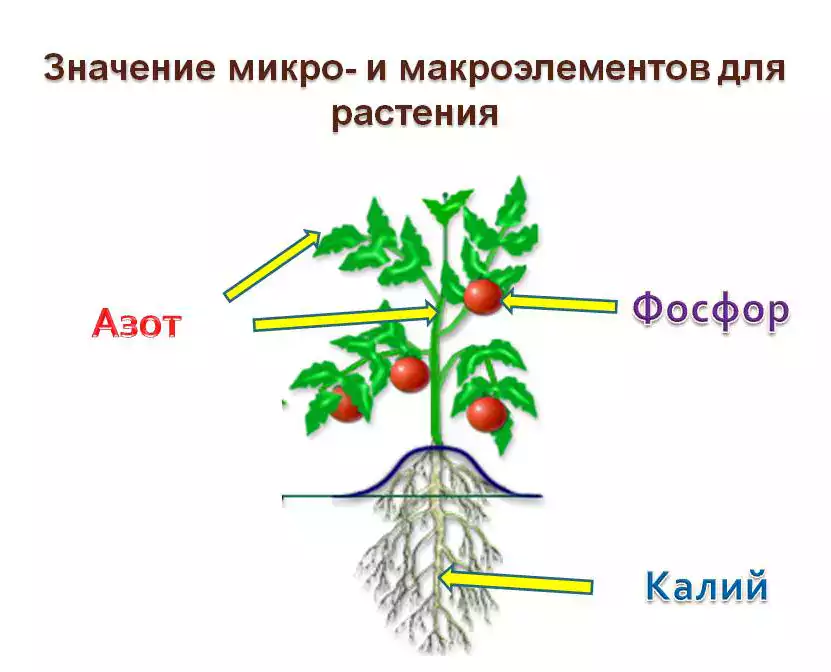
The importance of phosphorus for plants is difficult to overestimate. Crops require this nutrient at various stages of growth. Phosphorus-containing fertilizers provide the following benefits:
- improve energy transfer and plant respiration;
- transmit hereditary traits and form cell membranes;
- accelerate the transition of plants to the reproductive stage of development;
- improve the development of generative organs of crops;
- increase resistance to negative environmental factors;
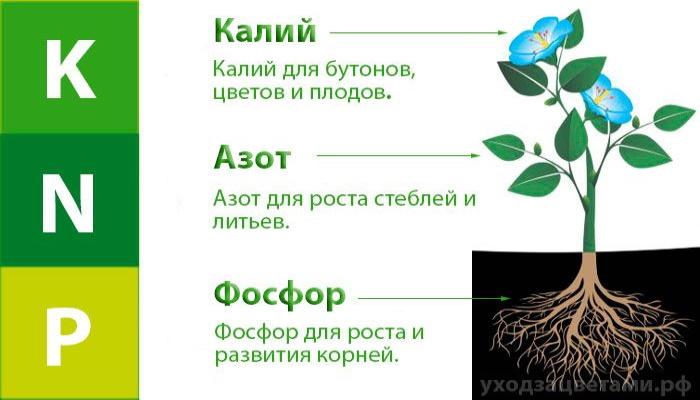
- stimulate root formation.
When are phosphorus fertilizers used?
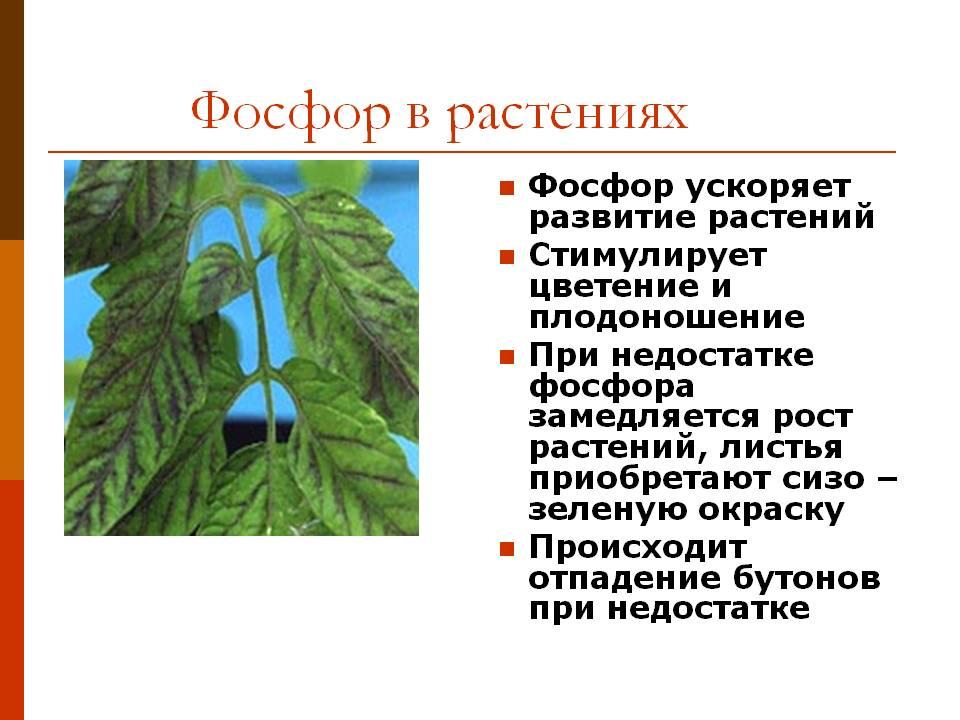
Phosphorus deficiency can be identified by the following signs:
- The stems and leaves of plants initially become dark, then turn purple or crimson. Dark necrotic spots often appear on the lower leaves of the bushes.
- The leaves become deformed and fall off prematurely.
- The plant stops developing.
- The root system of the crop is poorly developed.
At the first sign of phosphorus deficiency, a specialized fertilizer should be added to the soil. It's best to do this annually.
Liquid phosphorus fertilizers offer a number of advantages. The main benefits of these substances include the following:
- uniformity of application into the soil;
- increased concentration of useful elements;
- economical consumption;
- reducing the need for irrigation;
- general purpose;
- environmental friendliness.
What products contain phosphorus?
Phosphorus is present in a wide range of modern fertilizers. The most common products include the following:
- Double superphosphate contains 40-50% phosphorus. It is recommended to apply it in the fall before plowing. If necessary, it can be used during the growing season. To prepare a solution, mix 500 grams of the product with 5 liters of water. Overdosing can cause root burn and plant death.
- Simple superphosphate contains magnesium, sulfur, phosphoric acid, and monocalcium phosphate. This fertilizer is not particularly picky about soil composition. It can be applied when planting seedlings and during tillage.
- Ammophos is nitrate- and heavy metal-free, making it suitable for use on particularly sensitive crops. Maximum effectiveness is achieved by treating the area in the fall before plowing and in the spring before planting seedlings. Vegetable crops require 25 grams of the mixture per square meter, while shrubs and trees require 35 grams.
- Diammophos softens acidic soil and improves plant health. It can be mixed with manure and litter. It is recommended to apply the substance in the spring before planting crops. Approximately 20 grams of the substance should be used per hole.
- Phosphorus flour contains a large amount of calcium. It is used in acidic soils. It dissolves poorly, so it remains in the soil for a long time. It should be applied before spring tillage once every two years.
- Bone meal contains up to 35% phosphorus. For vegetables, use 2 tablespoons per hole, for berry bushes – 90 grams per square meter, and for trees – 220 grams per square meter.
Combined phosphorus fertilizers with added potassium can also be used. They promote crop growth, ensure bud and ovary formation, and increase yields. The most effective products include "Potassium Metaphosphate," "Autumn," and "Agrofoska."
How to make it yourself
Natural gardeners use compost as a fertilizer, but it contains little phosphorus. To provide plants with nutrients, phosphates can be added to the compost. However, it's best to use long-lasting fertilizers during the preparation stage and superphosphate during the application.
Organic matter can also be used to create an effective phosphorus fertilizer. Bones, fish, and meat are all suitable. It's also helpful to add legume and broccoli scraps to compost.
You can also make an effective weed tincture. To do this, fill a 200-liter container one-third full with chopped grass. Then fill it to the top with water and let it sit for a week. Then mix 3 liters of the concentrate with 7 liters of superphosphate solution. The resulting mixture can be used for watering.
Terms of Use
To ensure that phosphorus fertilizers are effective, you must adhere to the rules for their application:
- These products can be used on any type of soil. However, superphosphate works better in alkaline soil, while double superphosphate works better in acidic soil.
- Avoid combining phosphorus fertilizers with wood ash. This will result in some of the phosphorus not being absorbed by plants.
- Superphosphate should not be used with calcium fertilizers. Combinations with lime-based compounds are also unacceptable.
Safety precautions
When working with phosphorus fertilizers, you should adhere to the following rules:
- Prepare working solutions in specialized containers that are not intended for food preparation.
- Use personal protective equipment – a respirator, glasses, gloves.
- Take regular breaks while working. It's recommended to do this every 10 minutes.
Applying phosphorus to plants can yield a wide range of beneficial effects. It helps improve crop development and increase yields. Furthermore, this element makes plants more resilient to external factors. To ensure phosphorus achieves the desired effect, it's important to choose the right product and strictly follow the application instructions.