
- General characteristics of cucumbers
- Features of the Teshcha variety
- Features of the Zyatek F1 hybrid
- Advantages and disadvantages
- Growing nuances
- Pre-sowing seed treatment
- Sowing for seedlings
- Growing a hybrid by direct sowing into the ground
- How to care for cucumbers
- Fertilizing and watering
- Loosening and weeding
- Hilling and pinching
- Plant diseases and pests
- Harvesting
- Reviews from experienced gardeners
Cucumbers are a vegetable crop grown throughout the country, in various regions. Among the many varieties, hybrid varieties are distinguished, adapted to specific climate zones. Universal cucumber varieties, such as Zyatek or Teshcha, are particularly popular due to their high yields.
General characteristics of cucumbers
Cucumbers are annual plants. Their stems typically trail along the ground, with primary and secondary tendrils. Gardeners use this stem structure to shape the plants using supports.
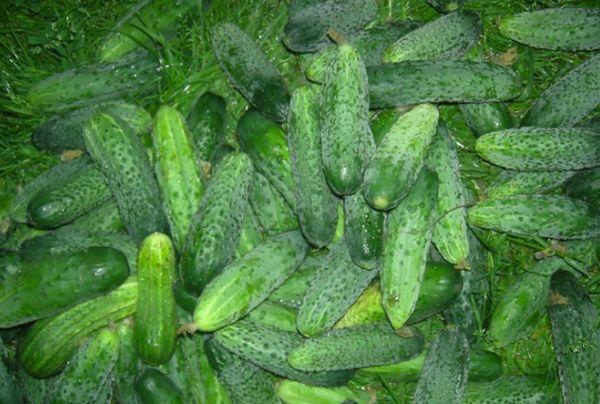
Cucumber leaves are large, five-pointed, and rough. Ripe fruits contain a large amount of water. The flesh is green and juicy. The skin is dark green, dense, and covered with pimples. Different cucumber varieties have different fruit shapes, sizes, and ripening times.
Cucumbers are characterized by a high water content, containing up to 97 percent water. They also contain chlorophyll, carotene, B vitamins, and macronutrients, including high levels of potassium and magnesium.
The organic compounds found in cucumbers have a significant impact on metabolic processes in the human body. Fresh cucumbers increase stomach acidity. Micro- and macronutrients help improve cardiac function. Cucumber's water content is beneficial due to its diuretic properties.
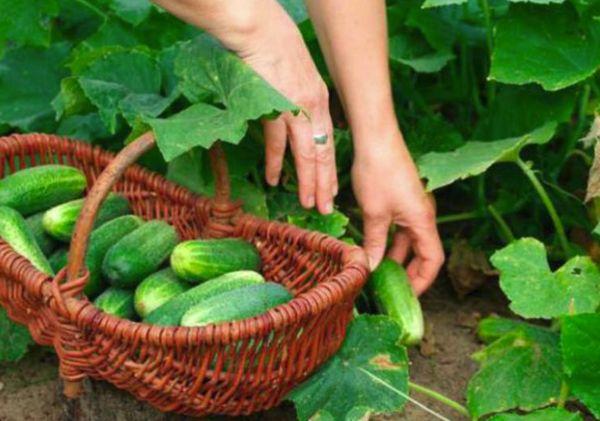
The healing properties of cucumbers are widely used in medicine, for the preparation of industrial and homemade cosmetics, and in cooking. They are prepared in a variety of ways: traditionally eaten as the harvest ripens or preserved for the winter by pickling or marinating.
Features of the Teshcha variety
Among modern hybrids, the Teshcha variety is very popular. Moscow breeders created it over 10 years ago.
Characteristics of the variety:
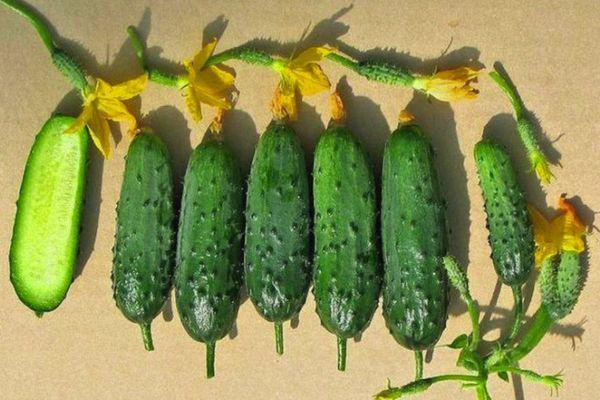
- fruit length – up to 13 centimeters;
- the weight of one cucumber reaches 130 grams;
- harvest from 1 bush – up to 6.5 kilograms.
The variety is considered parthenocarpic, which means that Teshcha cucumbers do not require pollination.

Features of the Zyatek F1 hybrid
This hybrid was developed by Moscow breeders, along with the Teshcha hybrid. Seeds of these varieties are often mentioned together, and some producers sell seed from both hybrids in the same package.
Characteristics of the variety:
- the fruits grow up to 10-12 centimeters in length;
- weigh about 100 grams;
- Up to 7 kilograms of harvest are collected from 1 bush.
This is a favorite variety among gardeners. It is prized for its compact size and high yield.
Advantages and disadvantages
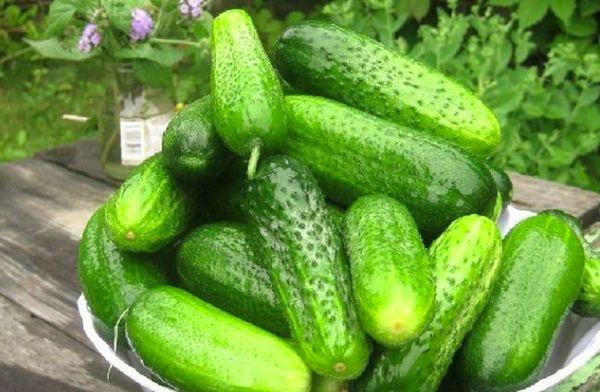
Descriptions of cucumbers Zyatek F1 and Teshcha F1 highlight their advantages and disadvantages.
The advantages of the varieties include:
- ability to grow in greenhouses and open ground;
- do not require pollination;
- the period from planting to harvest is approximately 45 days;
- high yield rates;
- exhibit resistance to infections common among vegetable crops;
- The fruits are small in size, suitable for fresh consumption, pickling and salting.
Among the disadvantages, gardeners cite the increased cost of the material and the need to comply with certain special conditions during cultivation.
Growing nuances
Cucumbers are grown in two ways: by planting seedlings or by sowing seeds in open ground. The latter option is not suitable for climates with low nighttime temperatures in late spring or early summer.
Pre-sowing seed treatment
Planting material for seedlings is purchased in advance. The Zyatek and Teshcha varieties are considered early maturing, so sowing the seeds should not be done before early or mid-April.
Before sowing, the seeds undergo:
- calibration;
- disinfection;
- soak.
It's recommended to germinate the seeds of these varieties before planting. To do this, place the seeds on a flat surface covered with a damp cloth, cover with a second layer, and leave in a warm place. This procedure increases germination rates.
Sowing for seedlings
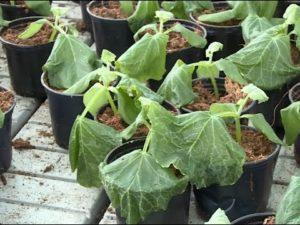
Seeds are placed in individual containers. For this, choose between plastic trays or peat pots. Cucumbers are not planted in communal containers because they do not tolerate transplanting.
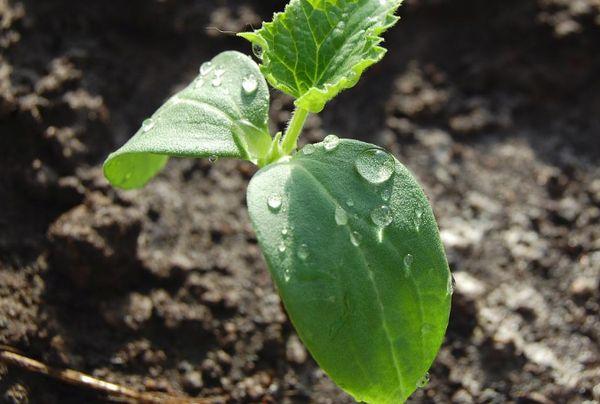
For seedlings, select a drainage layer and a soil mixture suitable for vegetable crops. The seeds are planted 1.5 centimeters deep, then moistened with a spray bottle. Place the seedlings in a warm location until shoots appear. Once the leaves emerge, they require at least 12 hours of daylight. Cloudy weather for several days can slow seedling growth.
Planting outdoors begins when 3 or 4 leaves appear, taking into account weather conditions. The soil should be thoroughly warmed for planting.
Gardeners have set the minimum soil temperature for planting cucumbers at +15 degrees.

Growing a hybrid by direct sowing into the ground
Sowing seeds in open ground is practiced only in the southern regions of the country; the crop requires a long, warm summer to form and grow fruit in a timely manner.

The soil for planting begins to be prepared in advance. It is dug, fertilized, and holes are prepared. Before sowing, 1 tablespoon of wood ash is added to the soil. The seed is placed at a depth of no more than 5 centimeters, covered with soil, and carefully watered using a drip irrigation system.
How to care for cucumbers
Growing cucumber varieties requires agricultural techniques accessible to any gardener. Yields depend on following basic rules related to the characteristics of the hybrids.
Fertilizing and watering
After planting, cucumbers require regular watering. The frequency and amount depend on weather conditions. These varieties can survive periods of drought once the vines are fully formed. However, for the growth phase and active fruit set, the plants do not require stress.
During the active flowering period, experienced gardeners recommend reducing irrigation to avoid delaying fruiting. Drip or root irrigation is the preferred method for watering cucumbers. Sprinkler irrigation is completely avoided for these varieties.
Information! Watering cucumbers is especially effective early in the morning or late in the evening.
For mineral fertilizers are chosen for feeding these varieties of cucumbers, water the roots. Three to five times a season, most often during flowering and fruit set. Fertilizer types:
- complexes with potassium and phosphorus;
- organic mixtures (from manure, bird droppings);
- wood ash and nitrogen-containing complexes when planting.
Loosening and weeding
Loosening the soil is carried out before the central shoot grows. After root feeding, the soil is loosened, regardless of the bush's condition.
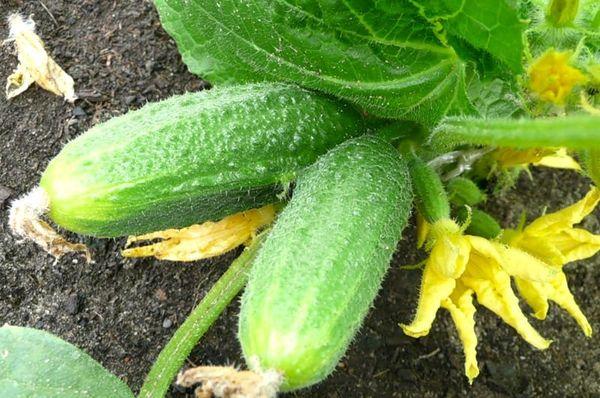
Weed control is essential for root development and growth. Weeds around the main fence are removed as they appear.
Hilling and pinching
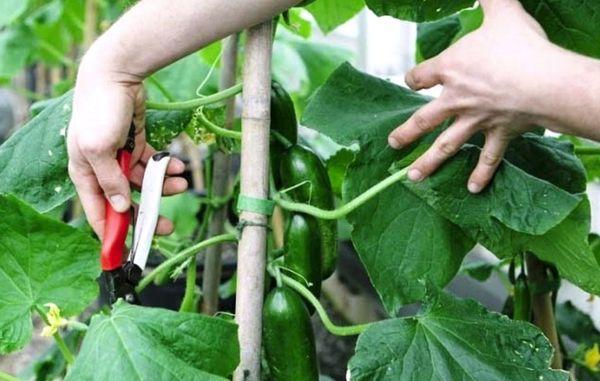
The Teshcha and Zyatek cucumber varieties share a similar trait: the main stem can grow indefinitely. This feature ensures high yields. To control this trait, pinching the main stem is recommended.
Pinching of the main stem begins at a height of at least 2 meters. Lateral shoots are pinched as needed.
For these varieties, it's recommended to use a staking system and install additional supports. The tall stems will thrive above ground. Hilling up cucumbers promotes the development of a strong root system. This is done after the second or third growth stage has formed.
Plant diseases and pests
The advantage of the varieties is their resistance to diseases such as powdery mildew. The danger lies in fungal infections that can affect the crop due to sudden changes in temperature or violations of irrigation rules.
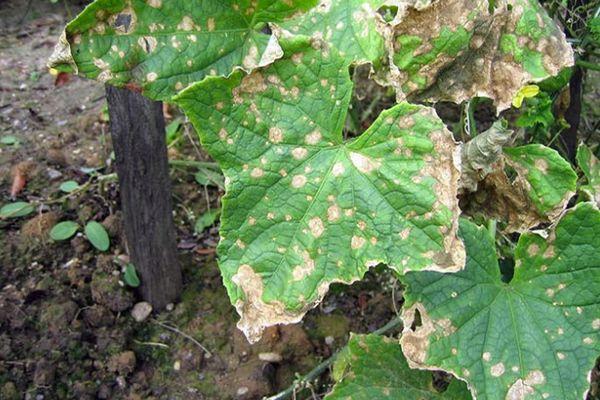
Downy mildew can affect cucumber varieties. Due to overwatering. It is characterized by the appearance of brown spots on the stems, leaf blades, or fruits. Affected parts of the vines are removed, and the remaining parts are sprayed with special solutions. Urea solutions are considered the main option. Among folk remedies, spraying with a milk solution is popular.
In summer, cucumbers are attacked by aphids, thrips, slugs, and other insects. Popular insecticides are used to control them. Preventative spraying is considered the best method of pest control.
Harvesting
The fruits are harvested in midsummer, using the standard open-ground planting method, either from seeds or seedlings. Harvesting intervals are two days. Failure to remove ripe fruits from the vines promptly can inhibit the development of new ovaries.
A distinctive feature of these varieties is their lack of signs of overgrowing. Experienced gardeners have determined that cucumbers of this variety do not increase in size during prolonged growth, but instead curl inward, becoming hook-shaped.
Before pickling, the fruits are soaked in cold water to preserve their beneficial properties and taste.
Reviews from experienced gardeners
Experienced gardeners' opinions about the Teshcha and Zyatek cucumber varieties indicate that they have numerous advantages.
Tips collected from reviews of the Zyatek F1 and Teshcha F1 cucumbers help avoid mistakes during care.
- The variety is harmed by excessive fertilizing; applying mineral fertilizers in excess of the norm can lead to the death of the main shoot.
- In southern regions, according to summer residents, sprouted seeds have improved germination rates in open ground.
- It is recommended to plant seeds and seedlings at a distance of at least 50 centimeters from each other.
- When growing cucumbers, it is recommended to fertilize the soil with onion infusions.
Compliance with the rules allows you to get a continuous harvest of cucumbers throughout the season.
Related posts:
 Description of the best varieties of Chinese cucumbers, planting, growing and care
 Description of unusual methods for planting and growing cucumbers
 TOP 30 best determinate cucumber varieties with descriptions
 Description of the best varieties of bee-pollinated cucumbers, rules for their formation and care
 TOP 30 best varieties of cold-resistant cucumbers with descriptions and characteristics
 Top 50 Best Cucumber Varieties for Polycarbonate Greenhouses with Descriptions
 When to plant cucumbers in open ground in Siberia, how to grow them, and the best varieties
 Description of the best, most productive and new varieties of cucumbers for 2025