
A semi-determinate tomato variety is a familiar term to gardeners seeking a happy medium between determinate and indeterminate tomatoes. As is well known, height affects fruiting, the degree of care required, and shaping. Determinate means short, with tomatoes reaching no more than 1 meter in height and having limited growth. Indeterminate, on the other hand, is the complete opposite: the plants can grow very large, reaching at least 2 meters. However, they have unlimited growth, so pinching and shaping are recommended for these varieties.
Some gardeners prefer determinate tomato varieties because they don't require much care. However, the yield of these tomatoes can be significantly lower than that of indeterminate varieties. Semi-determinate varieties offer the perfect balance. They don't require much care, but they produce consistently high yields. These tomatoes are suitable for both open-field and greenhouse cultivation.
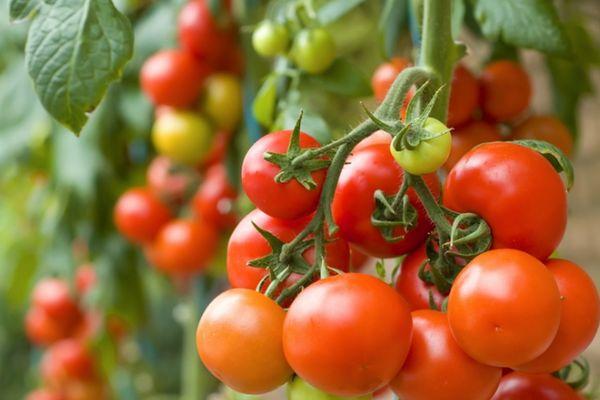
Features and differences of semi-determinate varieties
One of the main distinguishing characteristics of these tomatoes is their medium height. While determinate tomatoes don't grow more than 1 meter, and determinate tomatoes, on the contrary, grow more than 2 meters, semi-determinate tomatoes (semi-determinate) typically stop growing at 10 inflorescences, but some even produce 12.
The first cluster should form above the eighth leaf. Most often, tomato plants produce additional branches. Not all of these branches require removal, as many will produce fruit. On these additional branches, the first inflorescence will appear after the fourth leaf. All subsequent clusters form after 2-3 leaves.
One of the key characteristics of semi-determinate varieties is their very short internodes. For example, tall tomatoes have a cluster spacing of about 25 cm, while semi-determinate varieties have a cluster spacing of 15 cm.
Another important advantage is that most semi-determinate tomato varieties yield fruit earlier than indeterminate varieties. Typically, the difference in ripening fruit between these varieties is 15 days. However, there are also very tall tomato varieties that yield an early harvest.
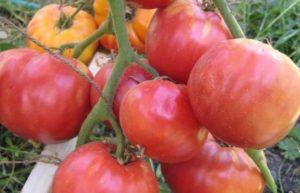
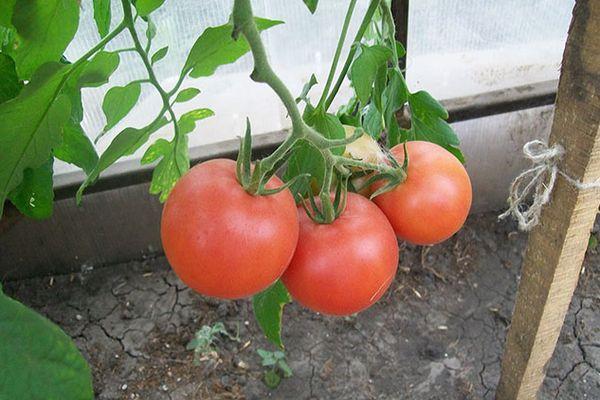
Unlike indeterminate tomatoes, semi-determinate ones are very convenient for greenhouse planting. They fit even in small shelters, which is crucial for many gardeners. In some regions, summer doesn't allow for proper tomato cultivation in open beds, so there's no other option but to use plastic shelters. Semi-determinate varieties are the best option here, as they don't grow very large but produce a decent harvest even in a small space.
How to Grow Tomatoes
The initial stage is straightforward: simply prepare the seeds, sow them in the soil, and transplant them at the appropriate stage. Next, carefully monitor the temperature to ensure the seedlings develop properly. It's recommended to cover them with plastic film at first. Once each plant has several true leaves, you can begin hardening off the seedlings. This is an important step, making the plants stronger and more resilient to weather conditions.
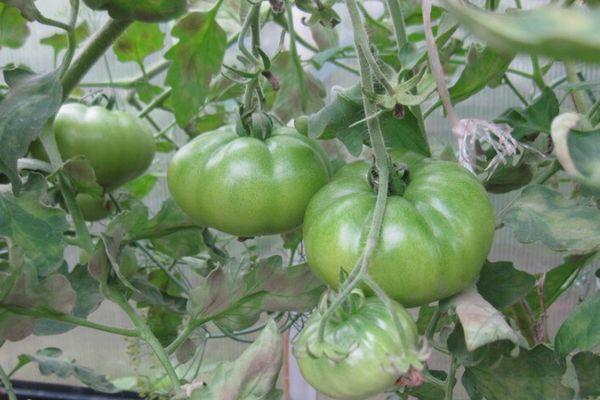
Tomato plants should be planted in their permanent location no earlier than when they have eight leaves. Ideally, they should be planted with one flowering branch. The number of plants that can be planted per square meter of fertilized soil depends solely on the variety.
Care
Most semi-determinate tomatoes are characterized by branching and a considerable amount of foliage. Therefore, such bushes require shaping.
By making the plant more compact, you can plant 4 tomatoes per square meter. This will allow you to get a good harvest even in a small area.
Tomatoes should be planted in their permanent location only after the weather has warmed up sufficiently. If the summer is expected to be cool, they should be moved immediately to a greenhouse or other plastic shelter.
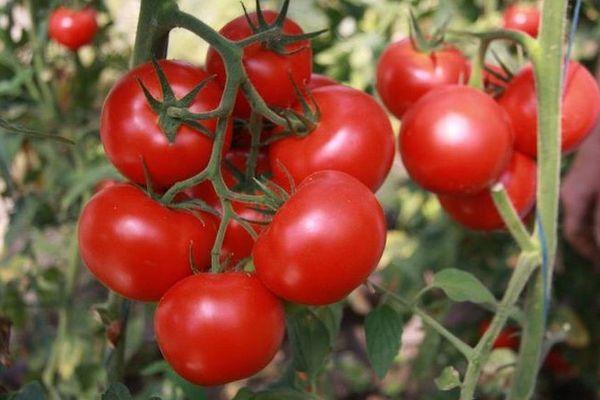
Semi-determinate tomatoes are generally easy to grow. However, some varieties will not produce a sufficient harvest without mineral and organic fertilizers, as well as loosening and weeding.
Watering
It's also important to remember that tomatoes love water but don't tolerate waterlogged soil. So, you need to find a happy medium. Experts recommend watering tomatoes twice a week, but using a lot of water. The soil should be saturated with liquid to a depth of at least 20 cm each time. Once the fruit ripens, the frequency of watering can be increased.
If the gardener feels there's too much moisture, they should take steps to remove it. This can be done by creating drainage holes. Failure to do this will result in the bushes becoming susceptible to fungal diseases. It's also important to remember that tomatoes don't like water on their leaves. This can lead to the development of many diseases and cause leaf burning, which will negatively impact the health of the plant and its yield.
Formation and pinching
Although these varieties don't grow to enormous sizes, they often become very lush due to their abundant foliage. Furthermore, each plant may produce side shoots. These do not produce fruit, but they do draw juices from the tomato plant. To obtain a large harvest, proper training is essential.
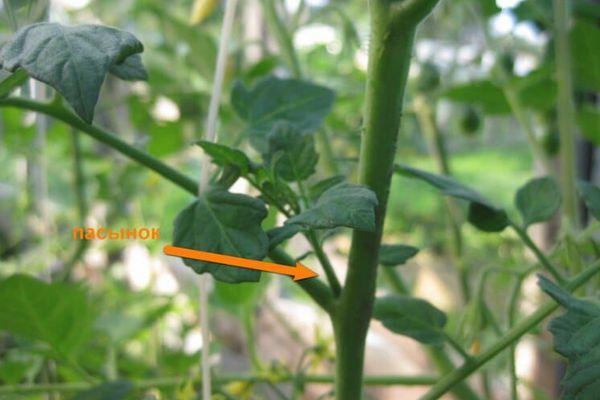
In most cases, experts recommend leaving 1-2 stems. This is enough to produce many large fruits. Empty side shoots should be removed immediately so they don't interfere with the development of ovaries on the main stem. Some gardeners with little experience growing tomatoes don't pay enough attention to side shoot removal. As a result, they end up with lush bushes with abundant foliage and small fruits.
But when shaping, it's important to know the proper amount. Some gardeners remove all the foliage at once, believing this will speed up the ripening of tomatoes. This is not recommended, as the plant's defense mechanism will activate and it will focus all its energy on regenerating the foliage. This will inevitably affect the quality of the fruit.
How to choose a semi-determinate tomato variety?
Among this type of tomato, you can find a wide variety suitable for both open ground and greenhouse cultivation. If you're looking for an early tomato, consider Magnus, which produces ripe fruit in just 95 days from sowing the seeds for seedlings. The fruits grow to be medium-sized and very tasty. Many homemakers consider it Magnus tomatoes an ideal option for canning.
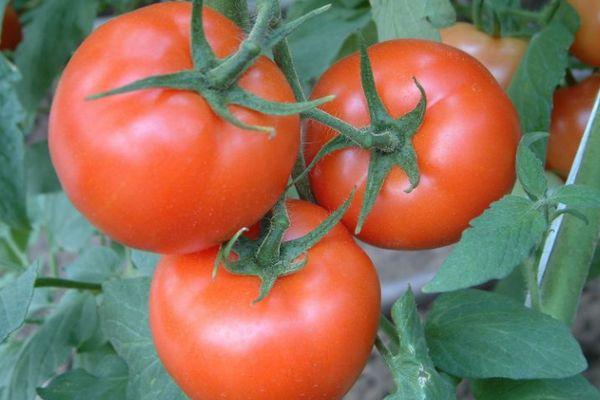
Larger fruits can be obtained from the semi-determinate hybrid Khlynovsky. It produces red, fleshy tomatoes weighing approximately 250 g. The crop ripens in 110 days.
Semi-determinate tomato varieties for greenhouses that are worth highlighting include the hybrids Silhouette, Red Arrow, and Eagle's Beak. The former is characterized by small fruits that can be stored for a long time and even transported over very long distances without losing their appearance or flavor.
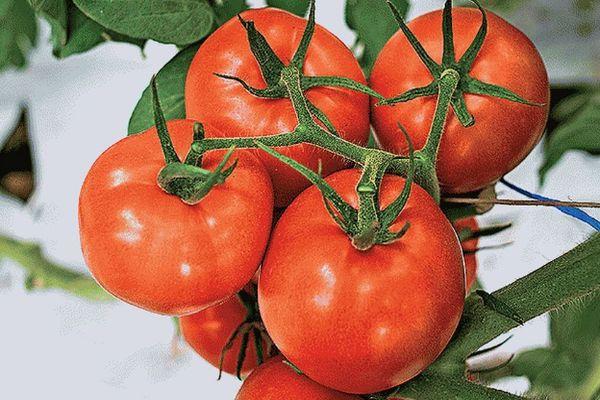
If planting space is limited, consider the semi-determinate Red Arrow variety. These tomatoes are considered among the most easy-to-grow, yet each plant yields a good harvest of small fruits suitable for canning and summer vegetable salads.
If a gardener wants to grow unusual tomatoes, they should consider the Eagle's Beak. This semi-determinate variety produces tomatoes with a beak. They can weigh up to 800 g, so with proper care, each plant can yield approximately 6 kg of delicious tomatoes.
Related posts:
 What is the best way to feed tomato seedlings to make them plump?
 What fertilizers and when to use for feeding tomatoes in a greenhouse
 80 Best Eggplant Varieties for Different Regions with Descriptions and Characteristics
 What is the best way to mulch tomatoes in open ground and greenhouses?
 What varieties of tomatoes are best to plant in a polycarbonate greenhouse?
 Is it possible to plant carrots in July or at the end of June? What are the best days and care instructions?
 Description of blight-resistant tomato varieties for open ground and greenhouses
 How to prepare tomato seeds for planting seedlings