
- Advantages and disadvantages of Dutch technology
- What varieties are suitable?
- Basic principles of the Dutch method
- Greenhouse arrangement
- Necessary parameters and requirements
- Temperature and ventilation system in a greenhouse
- Growing process: step-by-step technology
- Preparing seeds for planting
- Sowing into the substrate
- Timing of seedling formation
- Caring for tomato bushes
- Watering and fertilizing
- Shaping and garter
- Graft
- The nuances of harvesting
- Reviews from gardeners about this growing method
A distinctive feature of Dutch tomato cultivation is that the tomatoes are not planted in the ground, where they are vulnerable to pests, but in a substrate made of mineral wool and complex fertilizer. The vegetables are placed in a greenhouse with a high carbon dioxide content, which improves photosynthesis. Insects are introduced to pollinate the flowers. Under these conditions, tomatoes ripen not only in the summer but practically all year round.
Advantages and disadvantages of Dutch technology
Growing tomatoes using the method used by Dutch vegetable growers increases the yield per bush severalfold. Fruits are produced in abundance, ripen to a uniform size, and do not crack or become deformed during transportation. This method, adopted from Holland, allows for year-round harvesting. Plants are disease- and pest-free. The fruits delight with excellent flavor and a pleasant aroma, regardless of the season in which they ripen.
What varieties are suitable?
Not all vegetables are suitable for planting and growing in unusual conditions. To ensure that fruits ripen in a greenhouse beyond the summer, indeterminate tomatoes and medium-sized varieties are selected. For growing using Dutch technology, it's worth purchasing:
- Debut. This hybrid, approximately 2.5 m tall, produces a harvest of classic-colored tomatoes weighing over 200 g. It yields approximately 10 kg of fruit per square meter.
- Honey Moon. Large, pink-hued tomatoes ripen in just over two months. Harvestable in both summer and spring.
- Camry. This indeterminate variety is prized for its productivity; the fruit ripens in winter.
- The tall Raisa hybrid thrives on mineral substrate. Its bright red, compact tomatoes are protected from damage by their thick skin, transport easily, and remain fresh for a long time.
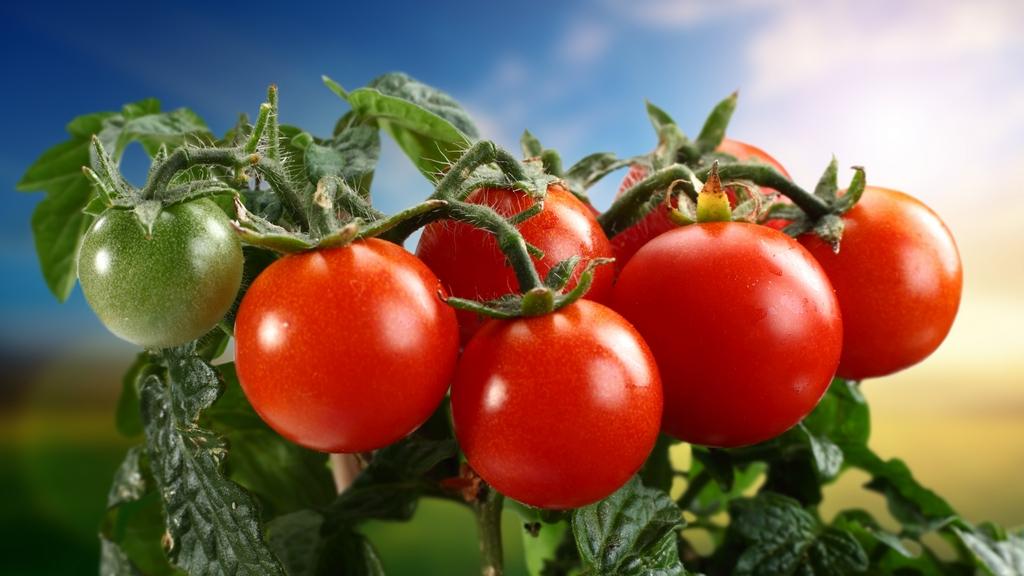
These tomato varieties produce a harvest when planted in a standard greenhouse. However, with effective cultivation methods, productivity increases significantly.
Basic principles of the Dutch method
To ensure rapid development and protection from infection, tomato seedlings are rooted in mineral wool rather than regular soil. Only seeds are sown in soil. Pests are always present in soil, and to control them, treatment with harmful chemicals is necessary.
Bugs do not thrive in cotton wool; fertilizers are not added to this substrate; instead, tomato shoots and leaves are sprayed with mineral complexes.
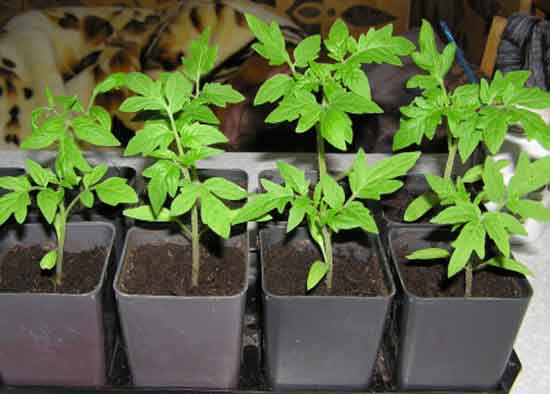
Expanded clay is placed at the bottom of the tomato seeding container, and the growing medium is added on top. Five to six seeds are planted in each container, covered with vermiculite or wet sand, wrapped in plastic film, and placed in a dark place. After two weeks, the seedlings are transferred to a plastic container filled with mineral wool.

Greenhouse arrangement
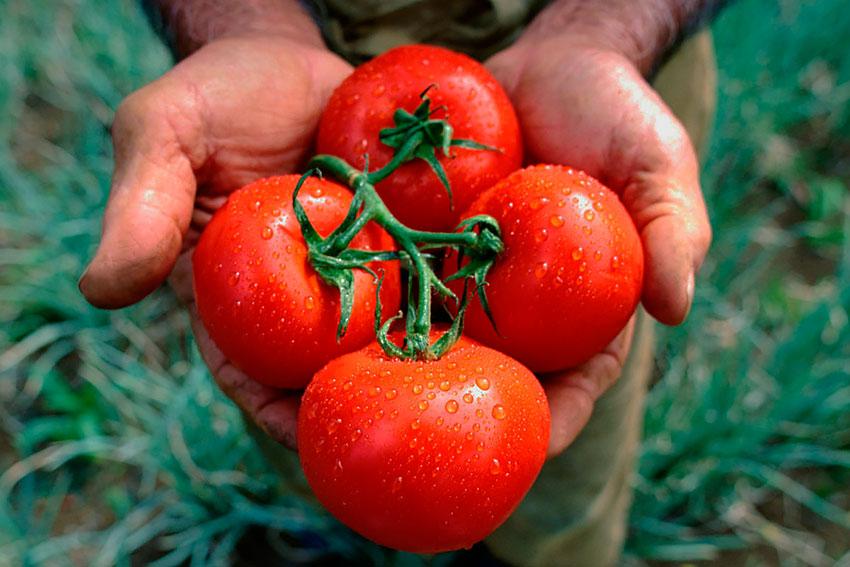
The Dutch technology does not involve planting vegetable crops in open beds, but only in protected soil. The productivity of this method is influenced by the conditions created in the room where the tomatoes are grown.
Necessary parameters and requirements
A few days before planting tomatoes, the greenhouse temperature is raised to at least 16°C, and the substrate is warmed. Windows or plexiglass are always washed to improve lighting. To ensure the plants feel comfortable, the temperature should be automatically controlled and maintained between 16–20°C, with a 2-degree drop at night. Tomatoes do not tolerate cold and do not tolerate fluctuations in temperature.
Temperature and ventilation system in a greenhouse
Before planting tomatoes, you need to think about how the soil and bushes will be heated, ventilated, watered, and fertilized.A heating and irrigation system is installed in the greenhouse, and the room is provided with ventilation, which maintains humidity at 65%.
Heating should be designed so that:
- The tops of the plants were warmed.
- The pollen fell as in natural conditions.
- The tomatoes ripened evenly and harmoniously.
Hoses with tubes are laid throughout the greenhouse and connected to a water dispenser. It doesn't matter whether the water is supplied automatically or manually, but the temperature shouldn't be colder than 16°C. Care should be taken to prevent drips from falling on the leaves.
Growing process: step-by-step technology
Tomatoes in a greenhouse bear fruit almost all year round. During hot periods, it takes no more than 40 days to produce seedlings, about 50 in spring, and up to 60 days in winter. This video will help you understand the growing process.
Preparing seeds for planting
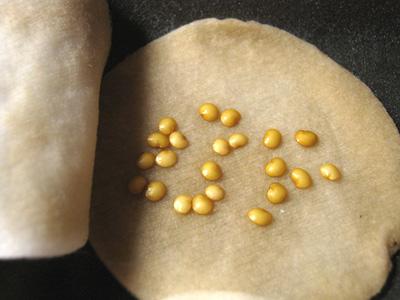
The seeds must first be sorted. To do this, add one to one and a half tablespoons of salt to a liter of water and drop the tomato seeds into it.
The seeds that have sunk to the bottom are washed and disinfected in potassium permanganate.
Shortly before planting, the seeds are hardened off by keeping them at a temperature of 50–60°C, then placed in a cool place, and then treated with a growth stimulant. Before planting, the seeds are germinated by placing them in a gauze or cloth napkin.
Sowing into the substrate
The site for the prepared planting material should be chosen in the brightest area of the greenhouse. The soil is prepared by combining peat and river sand. Sowing tomatoes involves several steps:
- Expanded clay is poured into the bottom of the pot and filled with soil.
- A groove 20 mm deep is made in the container.
- Plant 5 or 6 grains.
- The seeds are covered with a 2-centimeter layer of sand.
- The container is insulated with polyethylene.
![When is the best time to plant tomato seedlings in [year] and the timing of sowing seeds](https://harvesthub.decorexpro.com/wp-content/uploads/2018/12/sd-329-e1521384285292-300x205.jpg)
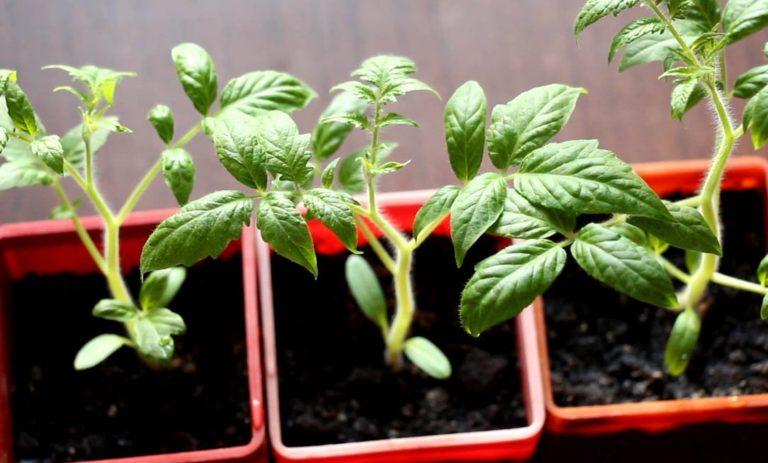
Seedlings appear in less than two weeks. Young seedlings are transplanted into containers without soil.
Timing of seedling formation
When using Dutch technology, tomatoes have certain requirements. No more than 10 leaves are left on the first cluster. It will take several weeks to produce strong seedlings:
- in summer - 5;
- in winter - up to 9;
- in spring - about 6.
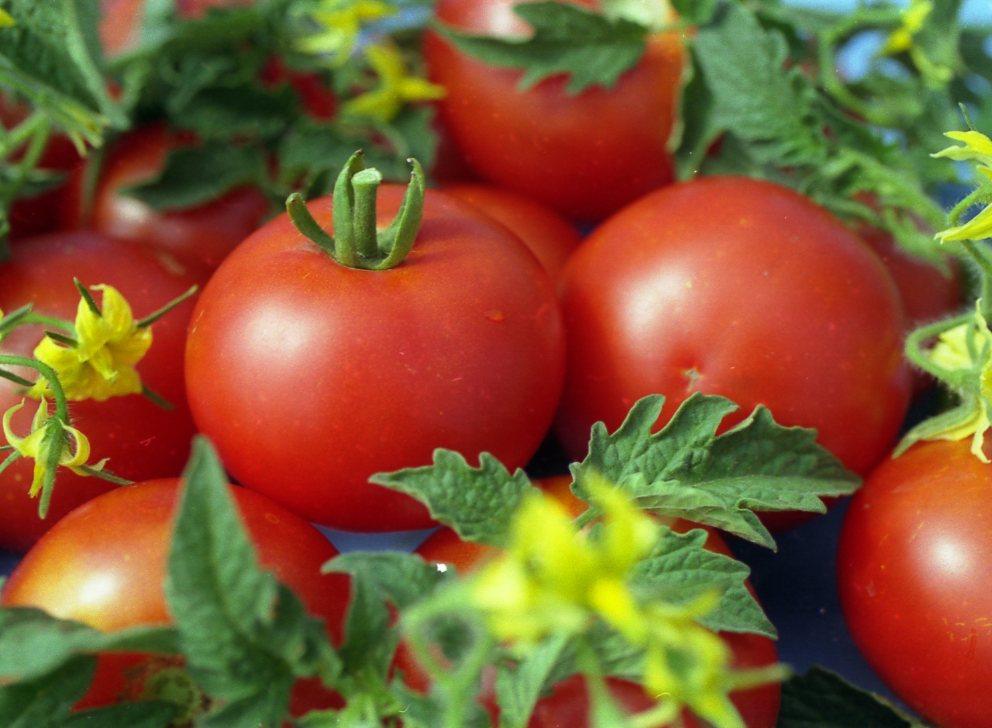
The plant stem should be medium-thick, with a short peduncle and drooping clusters. Tomatoes respond to favorable conditions with an excellent harvest. Two or three tomatoes are planted per square meter, with at least 60 cm between rows.
Caring for tomato bushes
When growing vegetables using Dutch technology, proper care is essential. Visit the greenhouse every day to monitor the condition of the stems, leaves, and trusses.
Watering and fertilizing
Drip irrigation is ideal for moistening tomato roots, delivering water evenly into the furrows. How often you need to water depends on various factors. In hot weather and bright sunlight, moisture evaporates quickly, and the soil dries out.
With Dutch cultivation, fertilizers are not applied to the roots. Every 10-14 days, the bushes are sprayed with a nutrient solution containing micronutrients such as boron and magnesium. This method of feeding improves the absorption of the fertilizer.

If the soil's acidity increases, tomatoes begin to ripen unevenly and rot. Adding ash helps solve this problem.
Shaping and garter
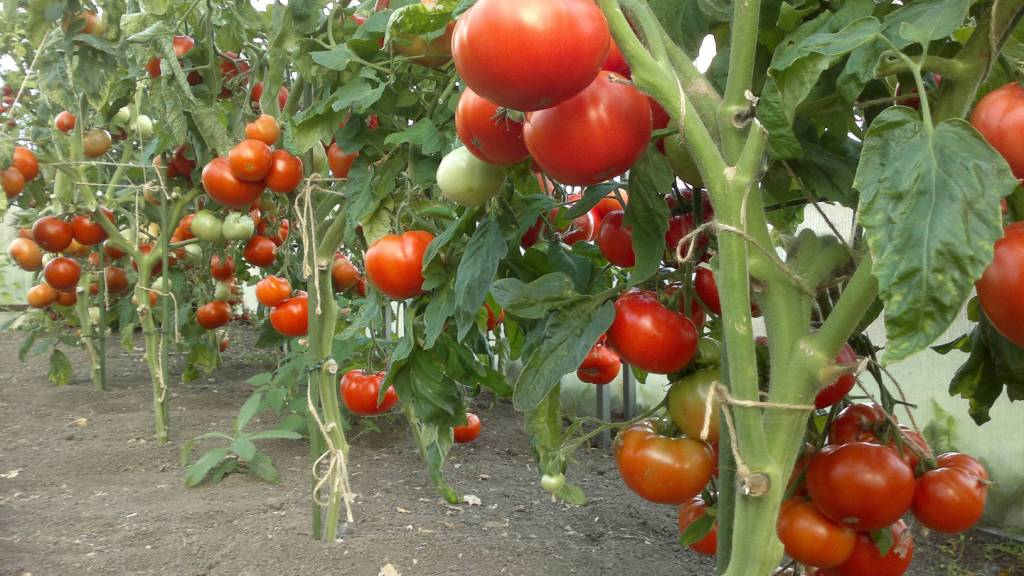
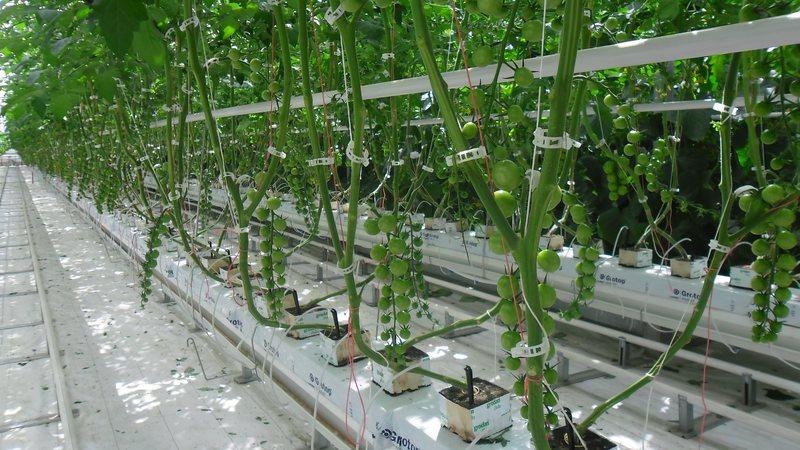
To extend the fruiting period, which is facilitated by good lighting, indeterminate tomatoes, which grow up to 2.5 m in height, are formed into 1 or 2 stems, side shoots are removed and they are tied to a support.
A wire is stretched along the greenhouse, one end of the twine is attached to it, and the other is secured with a loop between the first and second leaves.
In the brushes that form at the bottom of the bush, the flowers are picked off, leaving only 5; in the upper part of the plant there may be more.
Graft
To create a strong root system, increase yield, and protect tomatoes from disease, copulation is performed. A month before transplanting the seedlings to the mineral substrate, weaker tomato plants are grafted onto stronger ones. Using a disinfected blade, make a 15 mm cut on the stem of both plants above the cotyledon leaves. On the rootstock, this cut should be made from top to bottom, in the opposite direction from the scion. On each plant, the tongues are split, inserted into each other, and secured with electrical tape.
After copulation, the seedling forms 2 roots, the tomato develops faster and produces more fruits.
The nuances of harvesting
Tomatoes ripen evenly and uniformly. They should be picked carefully, preferably in the morning. In summer, tomatoes are harvested when they turn brown; at other times of the year, they are picked when ripe. Harvest the tomatoes three or four times a week, otherwise the vines will begin to break under the weight of the tomatoes.
Take a look Also

The harvest is placed in boxes or baskets, the bottoms of which are lined with rubber or sprinkled with polystyrene chips. To speed up the ripening of the last fruits, the stems of the bushes are wrapped in plastic.
Reviews from gardeners about this growing method
The Dutch method requires significant investment in greenhouse setup, heating, and irrigation systems. Not every gardener can afford such high costs, but for farmers who grow tomatoes for sale, this method is ideal.
Ivan Alekseevich, 45, Dzerzhinsk: "I've been growing and selling tomatoes for 10 years. The climate in our region doesn't allow for harvesting outdoors, only indoors. After hearing about the Dutch technology, I installed heating in the greenhouse, fans, and I'd been using an irrigation system before. I ordered seeds of two varieties—Debut and Camry. I harvested twice as many tomatoes as usual. All the tomatoes turned out uniform, beautiful, and flavorful."
Viktor Stepanovich, 52, Kostroma: "I grow vegetables in a heated greenhouse for my family, and I try to plant new varieties every year because I love experimenting. I once read online that a Dutch technology is already being used in Russia, allowing for a dramatic increase in tomato yields. I carved out a small plot in the greenhouse and planted several Debut tomato plants, which I grew from seed, in mineral wool. From a square meter of soil, I harvested almost 7 kg of tomatoes, the largest fruit weighing 184 grams."
Related posts:
 Description of the best varieties of black tomatoes for open ground and greenhouses
 The best eggplant varieties for growing in a polycarbonate greenhouse: planting and care
 What fertilizers and when to use for feeding tomatoes in a greenhouse
 Growing and caring for tomatoes in a greenhouse from planting to harvest
 How to plant, grow, and care for tomatoes in a polycarbonate greenhouse
 What varieties of tomatoes are best to plant in a polycarbonate greenhouse?
 15 simple recipes for pickling tomatoes in jars for the winter
 At what distance should tomatoes be planted in a greenhouse? Diagrams and placement rules.