
Rotating your planting locations is one of the key factors for a good harvest. Which crops can you plant tomatoes after, and is it advisable to plant them in the same spot for several years in a row? Not all beginning farmers know how to properly rotate their crops.
Basic rules
The annual rotation of crop planting locations is called crop rotation. This method is based on the different nutrient needs of each plant. Furthermore, different crops are susceptible to different diseases and pests. Crop rotation reduces the need for additional fertilizers and protects the crop from pests.

What are the rules for planting vegetables:
- It's a good idea to rotate root vegetables and fruit plants. For example, if you grew beets last year, you can plant tomatoes this season.
- Plants that require large amounts of nutrients (such as strawberries) are planted after crops that require minimal amounts of minerals, such as corn or onions. These not only give the soil a rest but can also improve it.
- Don't plant plants from the same family two years in a row. Tomatoes and eggplants require the same nutrients to grow. Cucumbers and pumpkins are susceptible to the same diseases, and the new crop can be infected through the soil.
- There are vegetables that can enrich the soil (onions, garlic). Planting tomatoes in these areas will increase the yield.
Not all plants require replanting. For example, potatoes and corn can grow and produce good yields in the same location for several seasons. It's a good idea to keep a diary of your outdoor vegetable plantings. This will make it easier to navigate the area and, if yields decline, to determine the cause.
Crop rotation does not eliminate the need for plant fertilization, but it will help reduce its frequency to a minimum.

It's not always possible to change the planting location. When planting tomatoes in the same spot as last year, it's worth considering the following:
- replacement of the top layer of soil;
- use of nitrogen fertilizers;
- correct plant proximity;
- planting mustard crops (garlic) in the fall, after harvesting tomatoes.
Take a look Also
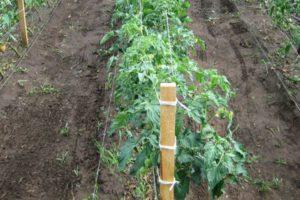
But even using all the soil improvement options, the planting location must be changed every 3 years.
Predecessors of tomatoes
When using the crop rotation method, the question arises, after which to plant tomatoes?The predecessors of tomatoes can be:
- pumpkin;
- zucchini and squash;
- cucumbers;
- turnip;
- beet;
- carrot;
- cabbage;
- onion and garlic.
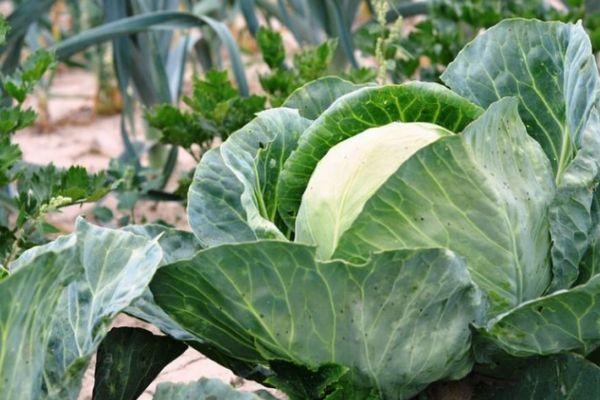
It's best to plant tomatoes after cabbage, red cabbage, or cauliflower. You can also sow green manure in the area where you plan to grow tomatoes.
Legumes enrich the soil with beneficial micronutrients and nitrogen, making them good precursors for nightshade crops. The tops of legumes can be used as organic fertilizer. They can be finely chopped and dug into the soil. However, it's important to remember that tomatoes and legumes are susceptible to fusarium wilt. If peas are infected, it's best not to plant nightshade vegetables in the same area.
Many gardeners try to plant tomatoes after onions. This provides protection from diseases and pests thanks to the phytoncides the plant produces. The vegetable's bitter taste repels pests, so the soil remains completely clean after onions are planted. Furthermore, onions enrich the soil with nitrogen and potassium, as they don't feed on these nutrients. Nightshade crops, on the other hand, require them more than other nutrients. Tomatoes require slightly alkaline soil, and green onions also help with this.

Another way to prepare the soil is to sow green manure. This is a special grass designed to enrich the soil. There are many varieties of green manure, but the best choices for tomatoes are:
- white mustard;
- vetch;
- phacelia;
- alfalfa;
- lupine.
White mustard, like onions, produces phytoncides and fights pests. It also enriches the soil with sulfur and phosphorus. Vetch roots accumulate nitrogen, and the stems can be used as organic fertilizer. Phacelia fights fungi and viruses and reduces soil acidity. Alfalfa, a member of the legume family, has a similar effect to peas. Lupine loosens the soil, enriching it with oxygen.

Not all green manures are suitable for tomatoes. Hogweed should not be sown: like datura, it is toxic to the soil.
When shouldn't you sow tomatoes?
Avoid planting tomatoes where other members of the nightshade family are growing. These include peppers, potatoes, eggplant, and tomatillos. Be careful with plants susceptible to the same diseases as tomatoes.
The soil in which the potatoes were grown contains virtually no nitrogen. This will have a detrimental effect on the growth of the tomatoes. Frequent fertilization will be necessary, which is not only expensive but can also lead to a poor harvest, as it is very difficult to distribute the fertilizer evenly. Excess fertilizer, like deficiency, is harmful to plants.
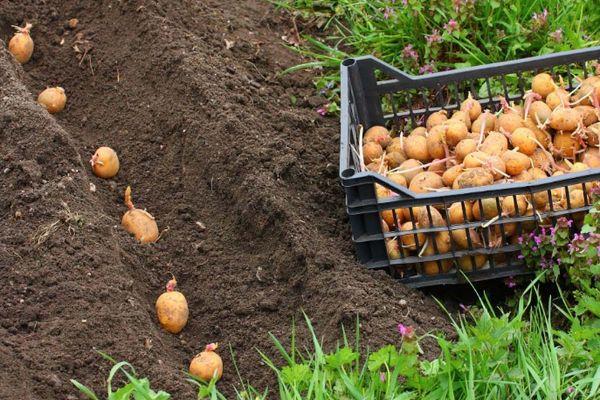
Furthermore, bacteria and parasites from potatoes can transfer to tomatoes. Small potato fruits and plant particles often remain in the soil after harvest. Pests also overwinter in the soil along with the potato. Next season, it's best to choose crops that are resistant to pests and diseases of nightshade vegetables.
After potato plantings Most likely the appearance of such parasites as:
- Colorado beetle;
- mole cricket;
- wireworm.
Possible diseases include late blight.
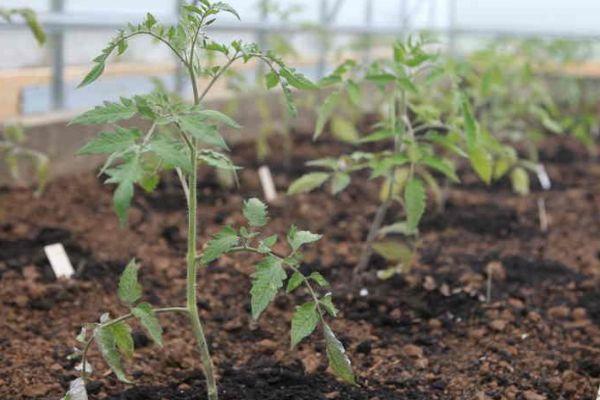
By planting tomatoes after potatoes, the farmer will spend a lot of time, effort, and money on fertilizing the soil and fighting pests, but there will still not be a good tomato harvest.
Can tomatoes be planted after strawberries? Strawberries are a perennial plant, and they are replanted when the beds become aged or the yield declines, indicating soil depletion. Can good tomatoes be grown in this location?

No, tomatoes shouldn't be planted after strawberries. The reason is the same as above: strawberries use a lot of nitrogen. The soil should rest for a season or more before planting any vegetables.
If it is not possible to take a break, it is necessary to thoroughly prepare the soil:
- dig up;
- clear away weeds;
- dry the soil;
- saturate with organic fertilizers;
- add nitrogen and mineral complexes with potassium.
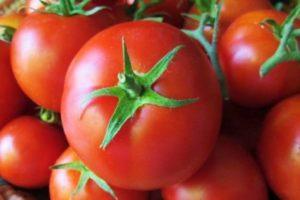
After planting, tomatoes require regular fertilizing. The same preparation is necessary if strawberries were previously grown in the area.

Planting vegetables after tomatoes
Tomatoes shouldn't be planted after potatoes, strawberries, and peppers. What crops can be planted after tomatoes?
It's worth noting that the plant doesn't significantly deplete the soil, but it does consume a lot of nitrogen. Crops that require this element are best avoided after tomatoes. Vegetables that promote nitrogen accumulation in the soil, such as legumes, are better.

What to plant after tomatoes? It's best to plant root vegetables; they draw nutrients from deeper soil layers and won't suffer from mineral deficiencies. Cabbage is resistant to diseases that affect nightshades and doesn't require nitrogen. Onions and garlic will not only produce a good harvest but also disinfect the soil. You can also sow greens. Avoid planting nightshades, melons, and strawberries after tomatoes.
Crop rotation should last 2-3 years before replanting tomatoes. This schedule will ensure a stable tomato harvest each year.
Related posts:
 What is the best way to feed tomato seedlings to make them plump?
 Description of the best varieties of black tomatoes for open ground and greenhouses
 15 simple recipes for pickling tomatoes in jars for the winter
 What varieties of tomatoes are best to plant in a polycarbonate greenhouse?
 TOP 17 recipes for pickled sweet tomatoes for the winter
 Delicious recipes for canned tomatoes with honey for the winter, preparation steps
 How to grow cherry tomatoes on a balcony: suitable varieties and planting and care guidelines
 What fertilizers and when to use for feeding tomatoes in a greenhouse