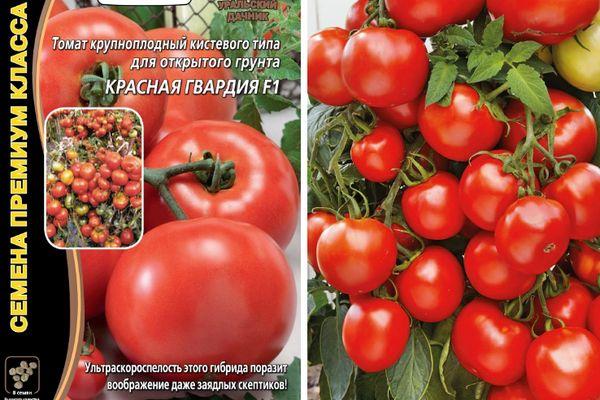
In northern regions, the short summer complicates tomato cultivation. Heat-loving tomatoes fail to thrive or die after a short time. Therefore, breeders are working hard to develop cold-resistant and hardy varieties of garden crops. One such variety is the Red Guard tomato. It gets its name from the red tomatoes that ripen simultaneously, resembling friendly warriors.
Description of the variety
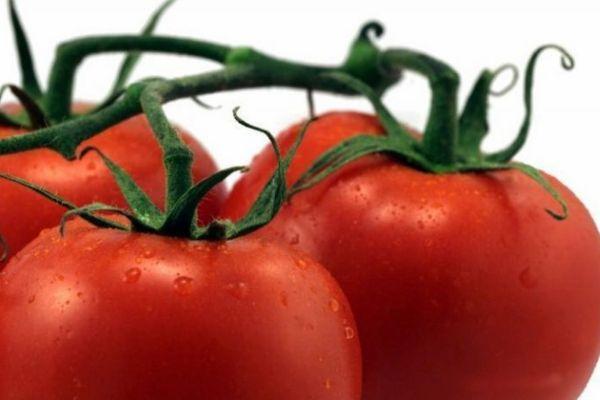
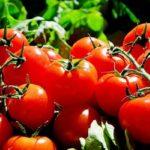
The tomato plant is fairly compact, typically reaching 80 cm in height, but can reach up to 1.2 meters in some locations. At the same time, it produces fruit vigorously throughout the summer. The tomatoes are borne in clusters, each containing 7 to 9 tomatoes.
The Krasnaya Gvardia F1 tomato variety is an early-ripening variety. The first harvest begins after June 20th, and the last tomatoes are harvested by early September.
Description of fruits:
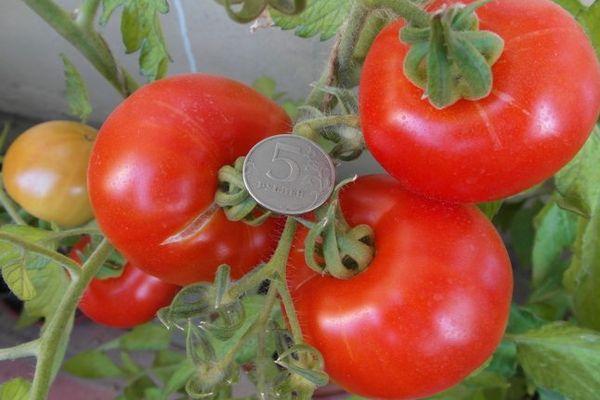
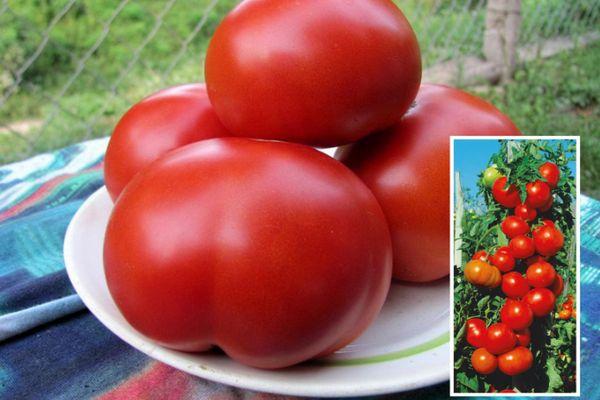
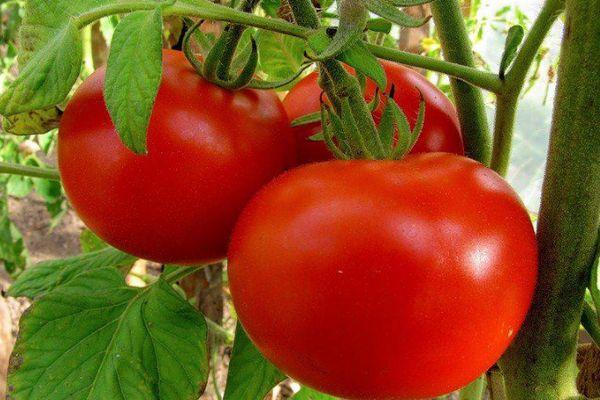
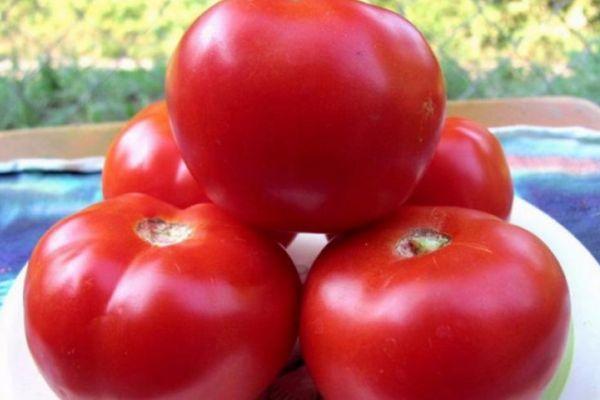
- the fruit weighs on average 220 g;
- the fruits are large and red;
- the pulp of these tomatoes is sugary, fleshy, without veins;
- There are about 6 seed chambers in one tomato.
The Krasnaya Gvardia F1 tomato has a high yield: up to 4 kg of delicious tomatoes can be harvested from a single plant. According to reviews, the record harvest was 9 kg per plant.
This variety has a pleasant flavor and is versatile; it can be canned or eaten fresh. It is used to produce lecho, ketchup, and juice on an industrial scale.
Growing
To get a bountiful and delicious tomato harvest, follow proper growing practices. This variety is rarely grown outdoors. Planting it in a greenhouse or hotbed will yield significantly more.
It's best to buy seeds from specialty stores. Seedlings are easy to grow at home. The best time to sow seeds in the soil is mid-March. To grow seedlings, prepare the soil by mixing compost and garden soil. You can use a store-bought mixture designed for tomatoes. Wrapping the seeds in a damp cloth and leaving them for a day beforehand improves their germination rate. It's also recommended to soak them in a phytosporin solution for a while to protect them from diseases.
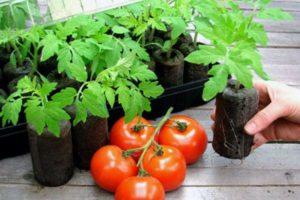
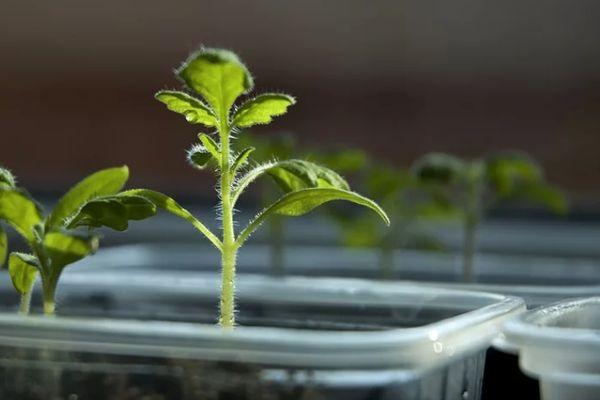
Prepared soil is poured into 15-cm-high containers. The seeds are placed 1 cm deep in the soil and covered with soil. Until the sprouts emerge, the containers are stored in a dark, warm place. The seedlings will need good light for up to 12 hours a day and regular watering.
After 40–45 days, the sprouts are ready for planting. When transplanting young seedlings, it's recommended to follow a few guidelines:
- It is better to remove the top 10 centimeters of soil, as it often contains insect larvae;
- Before planting, compost should be added to the soil;
- the holes for the bushes should be 20 cm deep to accommodate the root system of the plant;
- the holes are located at a distance of 40 cm from each other;
- no more than 3 bushes are planted per square meter of greenhouse;
- After transplanting the seedlings into the soil, they are watered generously.
If you plan to plant seedlings outdoors, they should be hardened off first. To do this, place the seedlings on the balcony for several hours 14 days before planting. Increase the time the tomatoes are left outside each day.
Experienced gardeners note that the best predecessors for Krasnaya Gvardiya f1 tomatoes are legumes, cabbage, turnips, cucumbers, onions, and rutabagas.
Care Features
This tomato variety is easy to care for and can be grown by any novice gardener. Low light and low temperatures won't prevent the bushes from producing fruit throughout the summer. They require watering and occasional feeding. For the first week after planting, tomatoes don't need any additional feeding. Subsequently, they should be fed regularly, using mineral or organic fertilizers.
Due to its low growth, the plant doesn't require frequent side shoots. A compact bush is formed with three stems, and the excess stems are simply broken off by hand. This increases the crop's yield..
To prevent the fruit from touching the soil, it is recommended to tie up the tops of the plants. Initially, tomato plants should be watered daily, with 4–5 liters per plant. As the fruit begins to ripen, watering is reduced to twice a week. Once the tomatoes reach full ripening, watering once a day is sufficient.
Important! To prevent leaf burn, water should be applied directly to the roots. Avoid contact with green parts of the plant.
Advantages and disadvantages
The Red Guard variety is popular with tomato lovers. Its advantages include the following:
- high vitamin content;
- early maturity - from the first shoots to the ripening of the fruits it takes no more than 90 days;
- superdeterminacy - the bush stops growing on its own after the formation of the fifth cluster;
- resistance to temperature changes and poor lighting;
- strong and pleasant aroma;
- fleshy, sugary pulp of the fruit;
- excellent taste, which makes this tomato a premium class tomato;
- versatility in application.
Gardeners report no drawbacks to this variety. The only problem gardeners may encounter is the bushes' susceptibility to whiteflies.
Pests and diseases
The variety's characteristics indicate that the tomatoes have good immunity to various diseases. They are resistant to such pests as fusarium wilt, cladosporiosis, and other common diseases. However, whitefly larvae pose a serious problem for gardeners growing the Red Guard tomato.
Various methods are used to combat this pest: smoking, insecticides, and temperature regulation in the greenhouse. When using insecticides, you should change the preparations, as whiteflies develop resistance. There are folk methods for getting rid of whiteflies, among which garlic tincture is known for its effectiveness.
Harvesting and storage
The Red Guard hybrid tomato has good shelf life—it can be stored at home for up to 1 month.
Also, the fruits of this variety do not crack and are suitable for long-distance transportation.
Gardeners' reviews
Reviews of these tomatoes are overwhelmingly positive. Those who have planted this variety note the following qualities:
- strong immunity simplifies crop care; there is no need to take additional measures for protection;
- tasty and juicy fruits do not have white veins and are ideal for preparing fresh salads;
- the variety pleases with a good harvest even in the conditions of a short summer in the north;
- The bushes bear fruit until the frost.
If you follow the recommendations for growing the Red Guard, it will live up to all expectations for an excellent harvest.
Related posts:
 Description of the Red Guard raspberry variety, planting technology and care
 Description of the best varieties of cluster tomatoes and growing rules
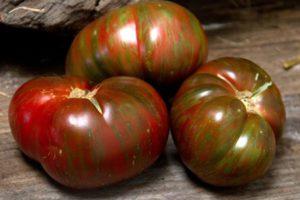
 Description of the best varieties of black tomatoes for open ground and greenhouses
 Description and characteristics of the best tomato varieties for outdoor cultivation in the Urals
 Description of the Velika grape variety, cultivation and care tips
 What varieties of tomatoes are best to plant in a polycarbonate greenhouse?
 The best and most productive tomato varieties for greenhouse cultivation in the Urals, with descriptions
 The best grape varieties for growing in the Urals, planting and care rules in summer