
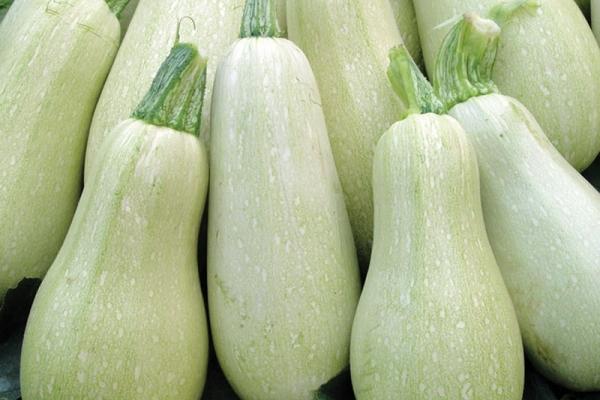
The Gribovsky zucchini variety is one of the most popular in the CIS countries. Its light-colored fruits have a rich flavor and are filling. This variety grows throughout most of Russia, Ukraine, and other former Soviet countries. It's easy to care for and produces a marketable appearance. It's used for cooking and canning. Gribovsky zucchini are suitable for growing for personal consumption or for sale. It's worth familiarizing yourself with all the nuances beforehand.
Description and characteristics of zucchini
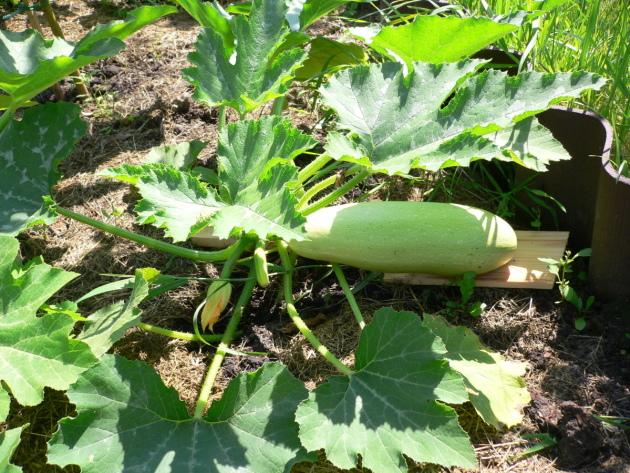
The Gribovsky squash variety is considered mid-early in terms of ripening. The time from germination to the first fruits is approximately 55 days. This vegetable variety thrives in southern, middle, and northern latitudes. The plant exhibits resistance to diseases and beetle attacks. The bush is well-developed, with strong shoots. The petiole can reach 32 cm in length. The leaves are a rich green color without white speckles.
Zucchini is famous for the following distinctive features:
- cylinder shape;
- size medium, length 20 cm;
- the weight of the vegetable is approximately 1 kg;
- the skin is smooth, hard, with ribbing near the stalk;
- the pulp is juicy, slightly yellowish, white, medium in density;
- Zucchini is widely used in home cooking.
This squash variety is characterized by its undemanding growing conditions. It is a high-yielding plant, yielding 8.5 kg of vegetables per square meter..
Pros and cons of zucchini varieties
The Gribovsky squash has many positive aspects, but it also has its downsides. It's important to familiarize yourself with these to fully understand all the nuances of the variety.
| Pros | Cons |
| High resistance to weather changes | Rapid over-ripening of vegetables |
| Zucchini easily withstands light frosts. | |
| The taste is juicy, the vegetable is filling and worthy | |
| A bountiful harvest | |
| Immunity to diseases |
Planting vegetables
Planting zucchini doesn't require any special nuances. The process is carried out by following the steps below.
- Superphosphate or wood ash is added to the substrate for planting.
- Disinfect the seeds. Soak the seeds in a bright pink solution of potassium permanganate for half an hour. Then rinse with clean water. This will help remove germs from the surface of the seeds.
- Soak the seeds in a solution of Epin or Heteroauxin, which stimulates growth. Place the seeds in 2-3 layers of damp gauze, wrap them, and place them on a plate. It's important to keep the gauze from drying out. Place the vegetable seeds in a warm place until the sprouts emerge.
- The sprouted seeds should be buried 5 cm into the soil and the pots should be covered with film or glass.
- After the first shoots appear, transfer the seedlings to a windowsill and protect them from ultraviolet rays.
- After 1 week, feed the sprouts for the first time. Add 1 tablespoon of superphosphate and urea to 2 liters of water.
- The next vegetable feeding is done after 10 days. The zucchini is watered with a solution of ash and nitrophoska.
- Sprouts are watered with warm water twice a week. Overwatering the substrate can cause rhizome death.

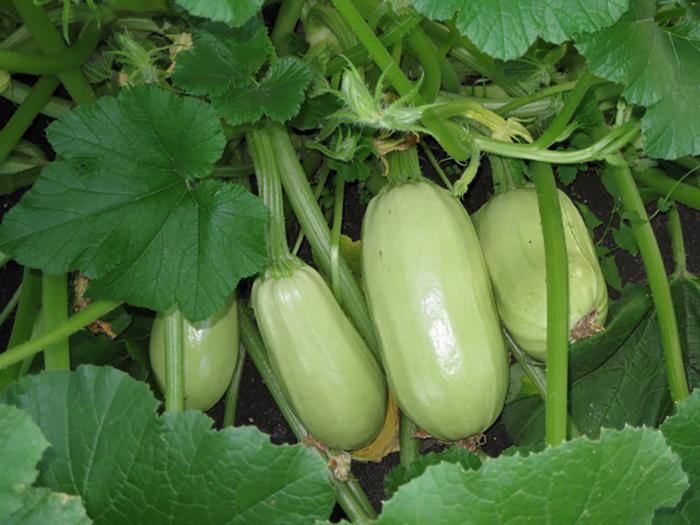
To transplant the planting material into open soil, you'll need three leaves. To quickly acclimate the vegetable outdoors, harden it off beforehand. Place the cups outdoors for 2-3 hours, adding 2 hours each day. Plant the vegetable in rows using a 70x70 cm pattern. Remove the seedlings from the containers carefully, avoiding disturbing the root ball and damaging the root system.
The material is planted in the prepared holes, deepening it to the cotyledon leaves.
Caring for zucchini
Caring for zucchini is easy; you just need to follow these rules.
- Water the vegetable sparingly if there's been a prolonged drought. It will need to be watered twice a week under normal weather conditions. The soil shouldn't dry out too much, as the amount of water needed also depends on the soil type.
- To prevent the vegetable from taking over the entire plot, it's important to monitor its growth. Loosen the soil between the beds once a week to allow oxygen to penetrate the lower layers and nourish the rhizomes. Weeds are removed regularly.
- Fertilizers are applied if the soil is poor. They are also used when the zucchini has stopped growing. Recommended organic matter includes ash, yeast solution, and herbal infusion. Fertilizers such as Biohumus, Buton, Rossa, and Effecton are available for purchase. Mineral substances such as nitrophoska, potassium nitrate, urea, manganese sulfate, boric acid, and superphosphate are also widely used.
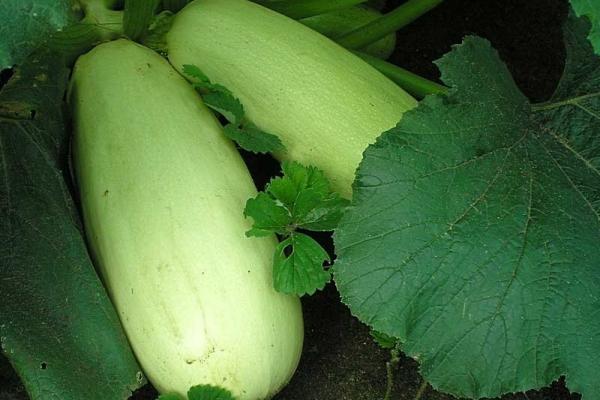
Such care for the vegetable will ensure a decent harvest and high-quality fruits.
Growing vegetables
Zucchini prefers warm conditions and must be grown from seedlings. Depending on the region's climate, the planting material should be prepared one month before planting outdoors. For growing seedlings, choose plastic cups, ceramic pots, miniature greenhouses, or peat pots. To ensure the rhizomes have the necessary space to develop, use containers with a capacity of at least 100 ml and a diameter of 10 cm.

Possible diseases, harmful bugs
Zucchini is rarely attacked by pests or diseases. Occasionally, the variety suffers from powdery mildew and bacterial wilt. To prevent these diseases, apply wood ash in small doses to the surface of the stem collar within a 30-cm radius. This application, performed once a year, will effectively prevent black stem disease and splitting, and will deter pests.
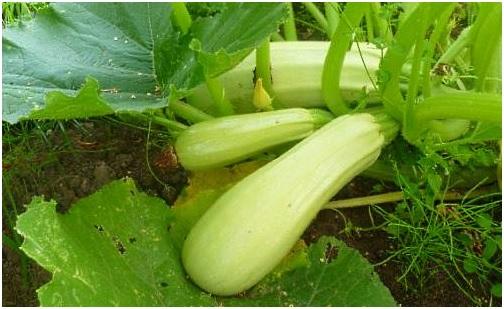
Basic methods of preventive manipulations.
- Maintain crop rotation. Avoid planting zucchini in areas previously occupied by other squash crops, including watermelons, pattypan squash, pumpkins, and cucumbers. This can lead to disease.
- Do not leave the tops after harvesting the fruit, do not put them in the compost heap - this stimulates the spread of diseases.
As zucchini grows, they can be attacked by spider mites. The beetle webs the undersides of the leaves, causing whitish spots to appear. The leaves turn yellow and die. If left untreated, the mites will infest most of the foliage, killing the vegetable.
Proper harvesting of zucchini
The Gribovsky squash variety germinates quickly. The vegetables ripen 60 days after sowing, and early fruits are harvested once a week. Taking this into account, harvesting should be done 12 days after they ripen. The vegetables will have light, non-rough skin. They should be cut off along with the stems. After harvesting, water the plant with a solution of garden mix, diluted at a ratio of 3 tablespoons per 10 liters of water. One plant requires 3 liters of the mixture.
Gardeners' reviews of the Gribovsky zucchini
Feedback from gardeners regarding zucchini varieties will help you make a choice and understand the pitfalls.
- Roman Priluchny, 59, Kyiv. Hello! I've loved zucchini since childhood. I decided to plant the Gribovsky variety five years ago. The vegetables ripened into large, fleshy ones, and I shared them with my neighbors. Zucchini dishes turned out divine; you can simply fry the slices in flour. I recommend this variety to everyone, especially those who only visit their dacha on weekends.
- Olga Prokofieva, 72, Moscow. Hello everyone! I've been growing Gribovsky zucchini for over 10 years, and the yield is always excellent. In the summer of 2011, the vegetables were attacked by spider mites. We managed to eliminate the infestation with chemicals. I haven't had any further problems with my zucchini.
- Klara Lyashenko, 49, Tyumen. Hello! We've been growing Gribovskie zucchini for over 15 years, and I'm always delighted with the harvest. I sell the fruit, make preserves, and make caviar from it; it lasts all winter. My impressions of this vegetable garden are positive.
Related posts:
 How to properly plant zucchini in open ground, cultivation technology and care
 TOP 20 simple recipes for pickled zucchini for the winter
 30 Best Zucchini Varieties with Descriptions and Characteristics
 How to cook fried zucchini with garlic for the winter, finger-licking good recipes and without sterilization
 Description and characteristics of the zucchini variety "Rolik", planting and care
 What to do if the leaves of zucchini in open ground turn yellow and how to deal with it
 21 step-by-step recipes for making zucchini jam for the winter
 Proper cultivation and care of zucchini in open ground, how to increase the yield