
For the average person, zucchini is simply a vegetable used in a variety of delicious dishes. It's baked, fried, stewed, canned, added to vegetable stews, and even used to make jam. But for gardeners, it's a whole crop with many varieties and distinctive features. One of the most striking examples is the Tender Zephyr zucchini.
Description
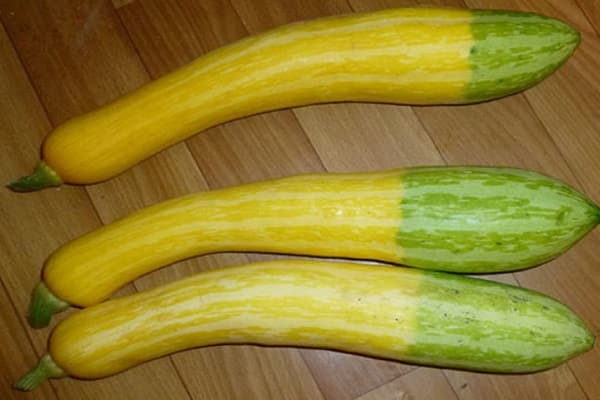
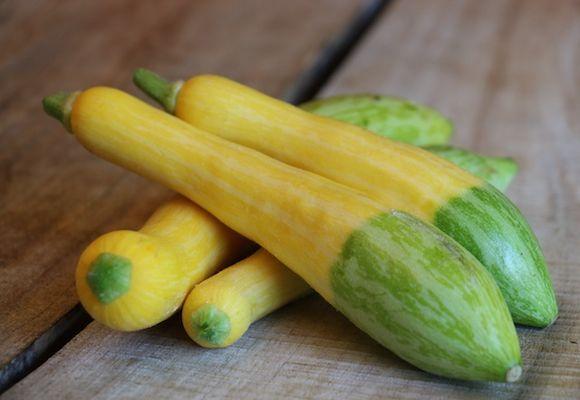
The hybrid zucchini variety "Tender Zephyr" is distinguished not only by its taste, but also by its unusual appearance.
Features of the Tender Zephyr variety:
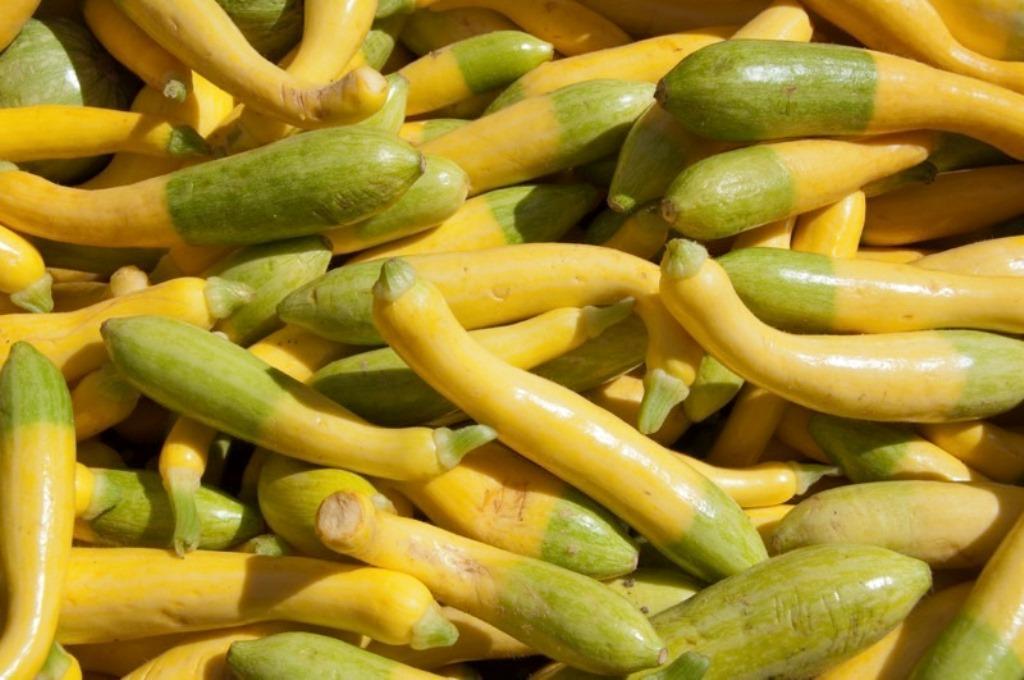
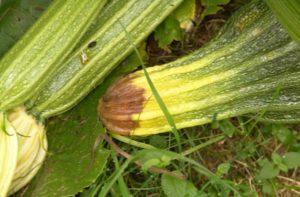
- The fruit is bicolored. Bright yellow shading into green.
- Rapid maturation. From sowing to the first harvest, it takes 30-40 days.
- Small size of zucchini.
- Tender flesh with a sweet taste.
- It is recommended to eat this vegetable raw, fried, or stewed.
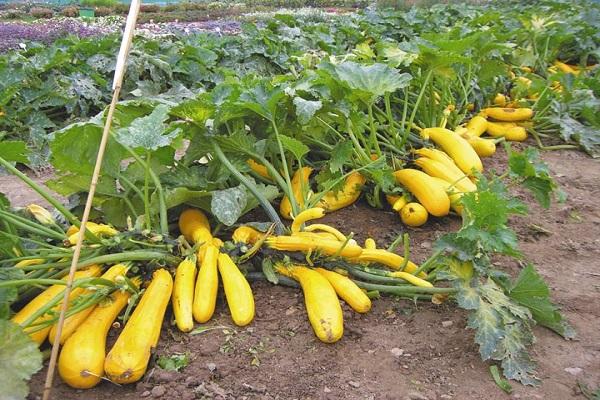
- This variety is highly productive. Two to three harvests of this tasty and healthy vegetable can be harvested per season.
- Easy to care for, self-pollinating.
- Vegetables are low in calories and are recommended for people with allergies.
This variety of zucchini was bred specifically for moderate climates and does not tolerate extreme heat and drought.
Landing
Zucchini can be planted in a variety of ways. For colder regions, the best solution is to grow seedlings or use a greenhouse, while for temperate climates, seeds are sown directly into the soil.
The Zephyr variety is an early crop, so it's best planted outdoors. This squash variety can be planted several times during the summer season.
Free soil
Seeds are sown in late spring, prepared for planting. The soil in which the vegetable crop will grow also requires special preparation.
A few days before planting the seeds, the soil is thoroughly loosened and organic fertilizers, humus and ash are added.
Choosing a location
The site for planting zucchini is chosen in advance. The bed should be located in a level area of the garden and receive even sunlight. Lighting determines the yield and taste of the ripened vegetables.
Preparation of seed material
To ensure a satisfying harvest, follow these planting guidelines:
- A day or two before planting the seeds in open ground, they are watered with warm water.
- For more active development and disinfection, potassium permanganate is added to the water.
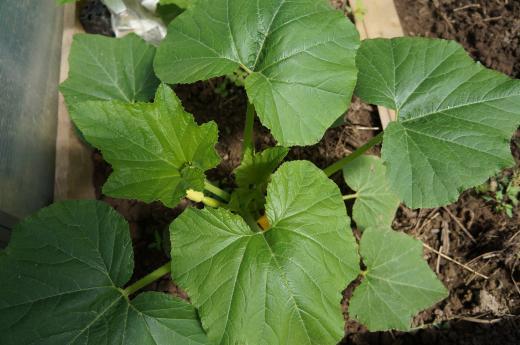
To grow seedlings, seeds are sown in late April. Young seedlings are planted outdoors in late May or early June, when the plants have two or three leaves.
Planting diagram
Planting the Zephyr zucchini variety doesn't require any special knowledge or skills. Just follow these guidelines:
- Holes are dug in the prepared bed.
- The distance between holes is not less than 30 cm.
- 2-4 seeds are placed in each hole.
- When the first shoots appear, the weakest of them are removed, thus allowing the strong plants to develop.
Important! No more than three plants per square meter of garden bed. Otherwise, the zucchini won't develop properly, resulting in reduced yields.
Greenhouses
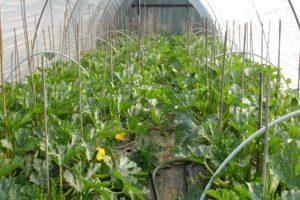
Growing zucchini Growing the Zephyr variety in greenhouse conditions will result in higher vegetable yields. Greenhouses also protect plants from harmful fungal diseases and pests.
The plant's unpretentiousness will allow you to grow tasty vegetables with minimal maintenance costs.
Growing
The Zephyr squash doesn't require much attention or care. However, even so, gardeners should still follow certain rules and recommendations.
Watering
Young plants are watered as needed, approximately once every 7-8 days. However, once the first ovaries appear, the squash requires intensive watering. Flowering Zephyr requires a generous watering every 2-3 days, with a bucket of water poured under each plant.
 Important! When watering, take into account the extensive root system of zucchini.
Leaf pruning
Zucchini plants have large leaves that block sunlight from reaching the inflorescences. Once the fruit sets, it stops developing, which affects the plant's yield. Therefore, the upper leaves of the Zephyr plant need to be removed. This pruning procedure is performed as needed.
Loosening
To ensure oxygen reaches the plant's root system, it's necessary to loosen the soil. This procedure is performed immediately after watering, when the soil becomes softer and more manageable.
Top dressing
Although zucchini doesn't require much care, it does require additional nutrients and vitamins. Zephyr is fed with organic fertilizers before flowering. While the plant is flowering, it requires ash, and only then are phosphate and potassium fertilizers added. With proper and timely feeding, this vegetable crop will reward you with a large and tasty harvest. Fruits and Yield
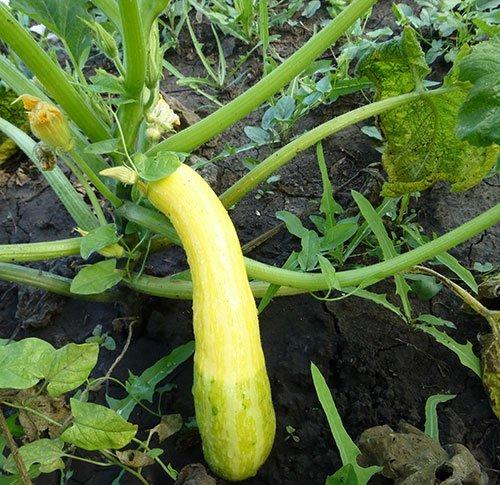
This delicacy of zucchini is distinguished by its delicate flavor, which is especially evident when the fruit is at its ripest stage. These vegetables typically grow to a size of no more than 15 cm, and their maximum weight is no more than 300 g. Each plant produces over 8 kg of vegetables and bears fruit several times per season.
 Important! Don't let the zucchini overripe, otherwise its thin, delicate skin will thicken and the flavor will deteriorate.
Harvesting and storage
The first vegetable harvest occurs 30-40 days after planting in open ground. It's important to inspect the zucchini plants every 2-3 days and pick ripe fruits. Due to its thin skin, Zephyr zucchini is not suitable for long-term storage or long-distance transport. The vegetables should be harvested very carefully, leaving a 5cm stem on each young zucchini.
Reviews
Ekaterina. Samara.
Zephyr zucchini has become our family's favorite summer treat. They're especially delicious baked with cheese and tomatoes.
Natalia, 65 years old.
For many years, I've been canning Zephyr zucchini along with other zucchini varieties. The result is not only a delicious but also a beautiful dish.
Antonina is 60 years old.
Every year, my granddaughter waits for the beautiful Zephyr zucchini to ripen. She loves to simply nibble on it raw. Zephyr zucchini is not only delicious but also a healthy dietary vegetable, containing vitamins and other essential nutrients that help maintain a healthy lifestyle and beauty.
Related posts:
 Description and characteristics of the zucchini variety "Rolik", planting and care
 30 Best Zucchini Varieties with Descriptions and Characteristics
 How to properly plant zucchini in open ground, cultivation technology and care
 Description and characteristics of the Zephyr strawberry variety, planting rules and care
 Description and characteristics of the Kavili zucchini variety, cultivation and care
 Yellow squash varieties with descriptions, characteristics, and yield indicators
 Description and characteristics of the Gribovsky zucchini variety, planting and care
 TOP 13 step-by-step recipes for the winter snack "Mother-in-law's tongue" made from zucchini