
- The history of the Zephyr strawberry breeding
- Botanical descriptions of the bush and shoots
- Flowering, fruiting
- Taste qualities and scope of application of berries
- Immunity to diseases
- Resistance to low temperatures
- Specifics of planting crops
- Predecessors and favorable neighborhood
- Advantages and disadvantages of the variety
- Preparing the site and seedlings
- How to care for Zephyr
- Regularity of watering
- How and what to feed
- Trimming
- Loosening the soil and removing weeds
- Do I need to cover it for the winter?
- Reproduction techniques
- Harvesting and storage
- Reviews from gardeners about growing this variety
The description of the Zephyr strawberry variety highlights its many advantages, making it attractive to both experienced gardeners and novices. The plant is extremely hardy and requires little care. To successfully plant and grow the bush, it's important to familiarize yourself with all the necessary agricultural practices.
The history of the Zephyr strawberry breeding
The Zephyr variety was developed in Denmark, with breeders ensuring its frost resistance and high yield. The berry can be grown even in regions with harsh winters and cold summers. It gained popularity in the CIS countries by the late 1990s.
Botanical descriptions of the bush and shoots
Zephyr strawberry is an extra-early variety, featuring compact bushes with pubescent leaves. They grow up to 10 cm long and grow on erect stems. The flower stalks point upward, are strong, and do not bend under the weight of the fruit. Each flower stalk contains 20 buds. This variety reproduces by runners, which produce numerous runners.
Flowering, fruiting
The bushes produce fruit in the first year after planting. Flowering occurs in mid-April. The fruits ripen uniformly and hold firmly to the shoots. In the garden, strawberries ripen by May 20-25, and in greenhouses, two weeks earlier. A single bush can yield up to 1 kg.
Taste qualities and scope of application of berries
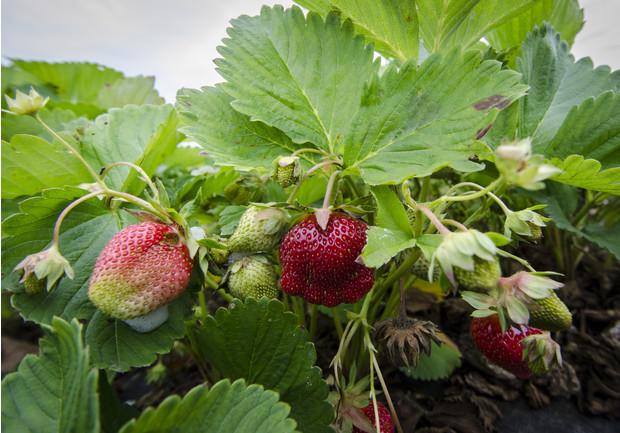
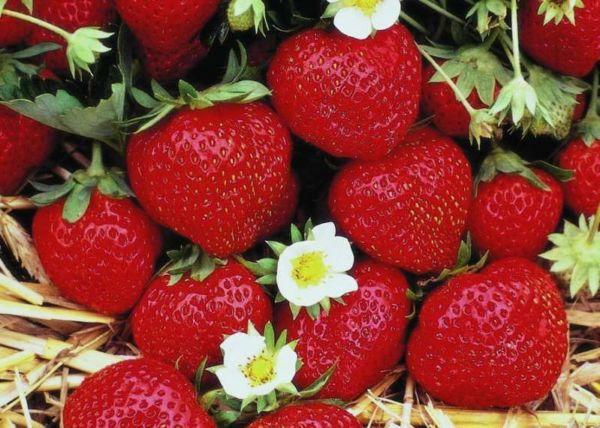
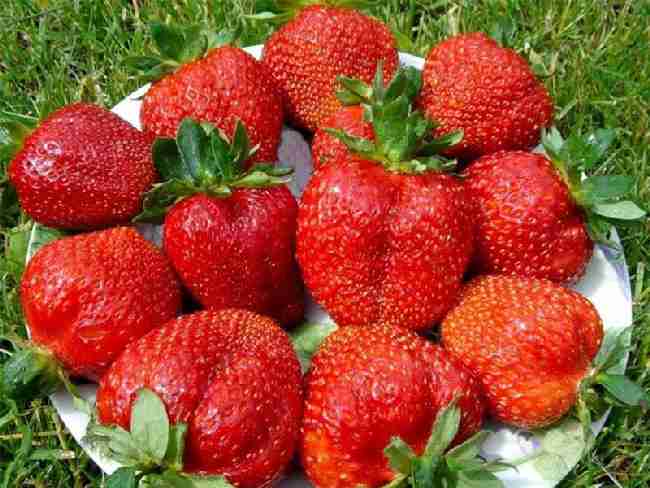
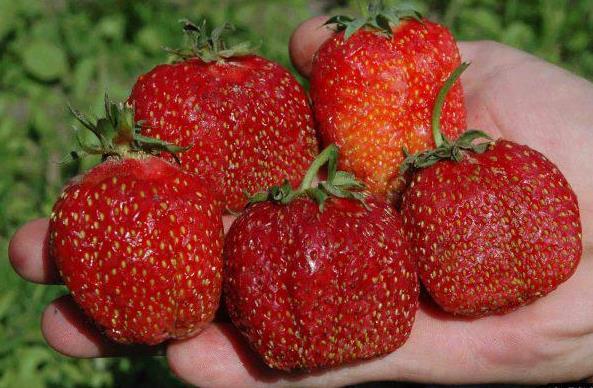
The berries are large, typically crimson in color, with a shiny surface. They are blunt-conical in shape, with juicy, soft pink flesh with whitish veins. The aroma is pleasant and strong, and the flavor is sweet. The average weight of a single berry is about 20 grams, but can reach 60 grams. The berries are marketable and retain their freshness for a long time, making this variety popular for commercial cultivation. They can be eaten fresh, frozen, used in jams, preserves, compotes, and baked goods.
Immunity to diseases
The Zephyr strawberry has strong immunity to diseases and beetle infestations. The bushes are rarely affected by powdery mildew, fusarium, and rot.
Resistance to low temperatures
Strawberry bushes can withstand temperatures down to -35°C (-32°F) if they are covered with a sufficient layer of snow. In regions where winter temperatures drop below freezing, it's advisable to grow the berries in greenhouses.
Specifics of planting crops
Experienced gardeners recommend planting strawberries in a sunny, level area with partial shade. It shouldn't be exposed to regular drafts. The crop thrives in any soil, but it's best not to plant it in soil with an acid-alkaline balance.
Predecessors and favorable neighborhood
Optimal predecessors for strawberries include carrots, cabbage, and zucchini. It's best to plant strawberries next to green manure crops, such as legumes, cereals, and herbs. You can also plant strawberries in areas previously occupied by tulips, muscari, daffodils, and hyacinths.
Strawberries grow poorly in areas where potatoes, tomatoes, and raspberries were grown.
These crops deplete the soil, sucking out nutrients. Harvests on such soil will be poor, and the plants will wither. Strawberries can contract diseases from members of the Solanaceae family. These plants can also infect the berries with the Colorado potato beetle, late blight, wireworms, and slugs.
Advantages and disadvantages of the variety
Strawberry Zephyr has many advantages, but there are also some negative aspects.
| Pros | Cons |
| High yield | A large number of antennae, which makes care difficult |
| Excellent taste of ripe berries, marketable appearance | |
| The crop can withstand long-distance transportation | |
| The bushes are frost-resistant. | |
| The variety is resistant to diseases and beetles |
Preparing the site and seedlings
Two weeks before planting, dig the soil to the depth of a shovel and fertilize with humus, peat, and wood ash. It's important to remove weeds, as they will inhibit the growth of the bushes. Loosening the soil also improves aeration.
It's best to choose established seedlings with a few leaves; these are sold in individual pots. This will make planting less traumatic for the young seedlings, as it's done by transshipment. Planting is best done in the evening or on cloudy days, as bright sunlight weakens immature plants. Experienced gardeners cover them with broad leaves to provide protection until the young strawberries become established in their new location. Timing and planting guidelines
Dig a hole 30 cm in diameter and 25 cm deep for each individual seedling.
The distance between planted future bushes should be 0.5 meters. To increase the yield, add organic matter to the holes:
- wood ash;
- compost;
- peat;
- humus.
Don't overdo it; 2 tablespoons of any of the above fertilizers per hole is sufficient. To repel pests, add pine needles into the holes.
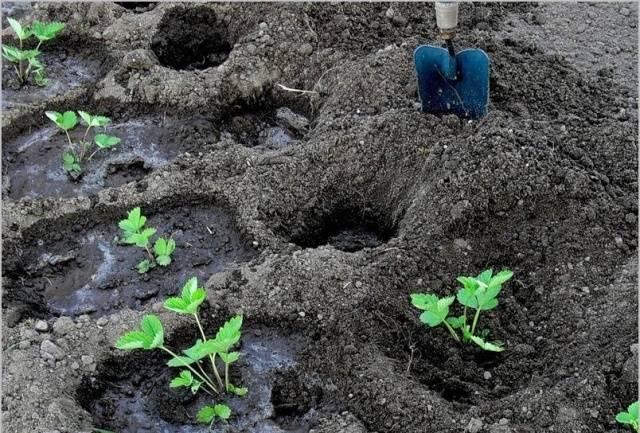
Planting operations are carried out in accordance with the schedule below.
- The seedling is placed into the prepared hole, having straightened the rhizome.
- Cover the bush with soil, not completely, lightly compact the soil with your hands.
- Afterwards, water with 0.5 bucket of settled water and spray with a solution of boric acid.
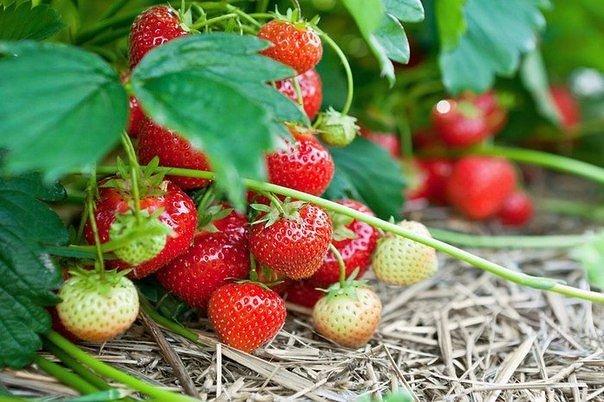
The area around the beds is mulched with straw, spruce branches, and peat.

How to care for Zephyr
Standard strawberry care involves timely watering, loosening the soil, and fertilizing the bushes. The plants are also sprayed with pesticides and insecticides. They are also pruned periodically.
Regularity of watering
Zephyr strawberries tolerate short-term droughts, but to increase berry size and quantity, they need adequate moisture. During growth and fruit ripening, water the plants every three days. Once the fruit is ripe, water less frequently, once a week.
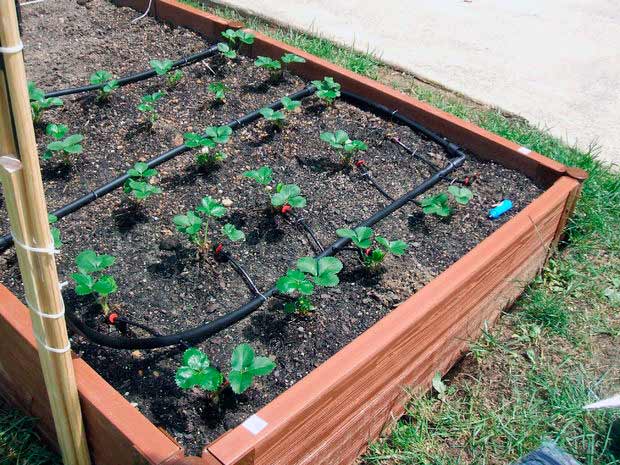
How and what to feed
Strawberries should be fertilized according to a schedule, taking into account the plant's growth phases. In a garden, apply fertilizer every two weeks. During development, nitrogen fertilizers are preferred. When fruit set, phosphorus and potassium are added. After harvesting and preparing for winter, apply organic fertilizers. This ensures good crop survival.
Trimming
During the growing season, trim the tendrils and remove old leaves as needed. If propagation is planned, leave 2-3 tendrils on each plant after harvest.
Loosening the soil and removing weeds
It's best to loosen the soil after rain and watering, before the soil dries out and forms a crust. Regular weeding around the bushes is essential during prolonged rainfall, as a lack of oxygen in the soil can inhibit their growth. To reduce the number of weedings to 3-4 times per growing season, cover the strawberries with mulch.

Do I need to cover it for the winter?
In October, strawberries should be fertilized to increase their winter hardiness. Prepare a solution of 40 grams of nitrophoska and 30 grams of potassium sulfate per 10 liters of water. Add one liter of the prepared solution per bush. Exposed root collars should be earthed up before the first frost, otherwise the strawberries will freeze. In areas with snowy winters, the plants may not need to be covered. When the forecast predicts a low-snow season, it's best to place branches and spruce branches over the bushes to hold down snow and provide additional cover.
Reproduction techniques
Zephyr strawberries should be replanted every four years. They are preferably propagated vegetatively, but seeds can also be used. When seeding, the variety doesn't always retain its parent's traits. There's no point in wasting time on seedlings; they may not produce the desired results.
Popular methods of strawberry propagation.
- Using tendrils. This method is accessible and simple, and is best done in the fall. Then, in the spring, you can harvest the first fruits. During the growing season, the Zephyr strawberry produces many shoots, so planting shouldn't be a problem.
- Dividing the bush. When a plot of land has grown to a large number of small, overgrown bushes, they can be used for propagation. The plants are dug up and divided into 2-3 sections, ensuring each has its own roots. The resulting offshoots are planted in holes, watered, and mulched. This procedure is carried out in March, and when flowering, all buds are removed to allow the bushes to strengthen.
Take a look Also

You can propagate strawberries by dividing the bush in the fall, but not later than mid-September.
Harvesting and storage
The berries are harvested in the standard way—picked with green tendrils and a small portion of the shoot still attached. The strawberries are placed in plastic boxes or baskets. Ideally, the containers should be ventilated by holes in the bottom.
Since the berries have a dense skin, the strawberries will not be damaged during transportation.
Zephyr strawberries can be stored at room temperature for up to 24 hours, even after washing. Refrigerated, they can be stored for up to 5 days, and frozen, for up to 1 year. After freezing, strawberries retain their beneficial properties and vitamins, and their rich flavor remains. Just remember not to wash them first. You can rinse them with water, but be sure to dry them thoroughly before placing them in the freezer.
Reviews from gardeners about growing this variety
Gardeners generally have positive reviews of the Zephyr strawberry variety. These reviews will help you make your choice and learn more about the variety.
Victoria Panchenko, 54 years old, Pavlograd
Hello everyone! I've been growing Zephyr strawberries in my garden for about three years, selling part of the harvest and eating the rest. I make jam, pastila, and add them to baked goods. After freezing, the fruits retain their flavor and appearance.
Oksana, 43 years old, Melitopol
Hello! The Zephyr strawberry variety is my favorite. I planted it four years ago after learning about it from a friend. It's easy to care for; I mulch, water, and fertilize it. It produces a large harvest, about 1 kg per bush. Among the problems, the strawberry plant has once been attacked by slugs and snails. I removed them by hand and sprayed with Anti-Zhuk insecticide.
Vladimir, 56 years old, Mariupol
Hi everyone! I've loved strawberries since childhood and have been growing them in my garden for over 25 years. I've tried several varieties, but I liked Zephyr the best. The berries have juicy flesh, lightly veined, and a sweet taste. The harvest keeps in the refrigerator for about a week without leaking. I eat berries from the freezer all year round.
Related posts:
 Description of the Nezhnyy Zephyr zucchini variety, care and planting features
 Description of the everbearing strawberry variety Mara de Bois and growing rules
 Timing of strawberry planting in the middle zone in autumn, description of 25 best varieties
 A complete description of the Syria strawberry variety, including planting and care.
 Description of the Kama strawberry variety, planting and care features
 Description and characteristics of the Vima Zanta strawberry variety, planting and care scheme
 The best varieties and cultivation of everbearing strawberries, fertilizing and propagation
 Description and characteristics of the Mashenka strawberry variety, planting and care instructions