
Zucchini is an easy-to-grow garden crop, so you can get a good harvest without any experience. Some gardeners complain that their zucchini plants have been actively setting or are still setting, but remain in the embryonic stage. Knowing why zucchini may not be growing and how to avoid it is important to know in advance, saving energy and stress.
8 reasons why zucchini isn't growing or isn't producing fruit well
Zucchini grow poorly for various reasons, and often the failure is due to several factors. The root cause can be poor soil quality, a lack of beneficial insects, or improper cultivation techniques. A significant mistake made by many gardeners is choosing the wrong seeds, which initially reduces the chances of a good harvest.
Insects have disappeared
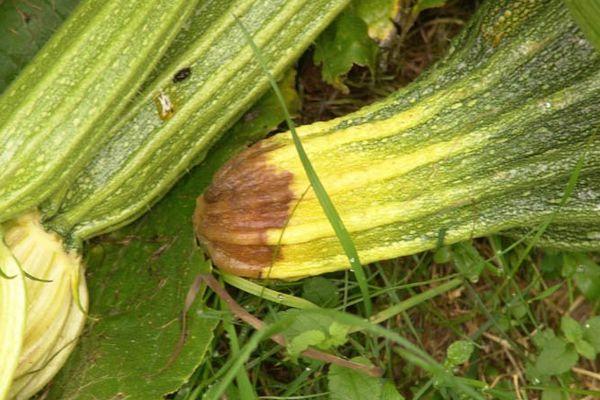
For zucchini to thrive, insects need sufficient access to the flowers. During rainy summers, they don't always have time to pollinate the flowers in a timely manner, preventing fruit set. This situation causes the flowers to bloom and then fall off quickly.
If insect pollination is insufficient, you'll need to perform this procedure yourself. To do this, pick a male flower, tear off the petals, and touch the pistil of a female flower with the exposed stamen. Performing this procedure twice will increase the chances of successful pollination. After a while, the zucchini in the garden will begin to form ovaries.
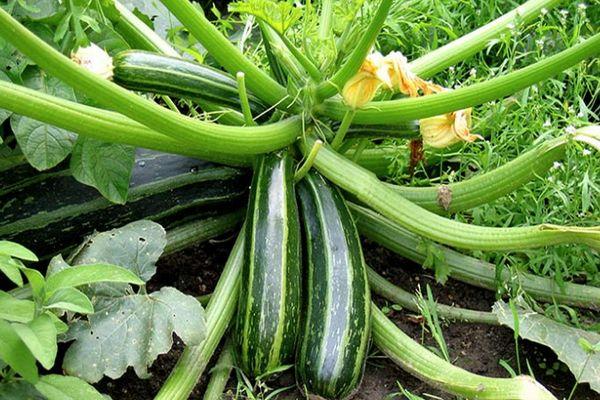
The difficulty for many is identifying the female and male inflorescences. The former have a thickening at the base of the flower, while the male ones always form earlier and have a thin, long stalk.
Artificially attracting insects to the garden bed can simplify the process. To attract bees, spray the plant with a solution made from 100 g of honey and 1 liter of water. During the flowering period, it is recommended to spread the leaf blades apart, thereby facilitating the insect's access to the flower.

Something is missing
Zucchini is a low-maintenance crop that doesn't require much fertilizer. Experts recommend three fertilizing applications during the growing season:
- before the plant begins to bloom - with "Agricola", "Effekton";
- during the formation of buds - "Vegeta", "Forward";
- during the fruiting period - "Agricola", "Bud".
To ensure fruit set, don't overdo it with fertilizer. Otherwise, the zucchini will divert nutrients to the formation of foliage, which will be difficult to manage.
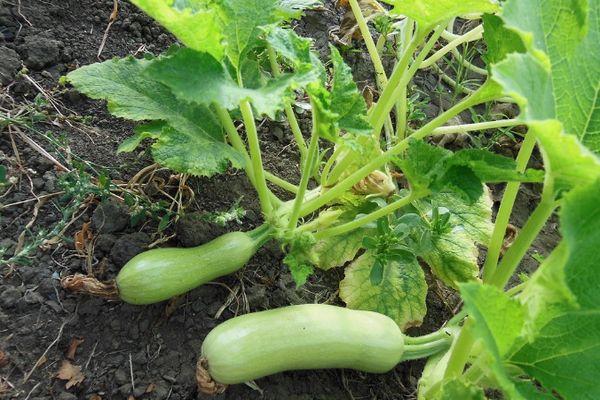
Nutrient deficiencies are often easily identified by the plant's appearance. The appearance of lines and streaks on the fruit indicates a boron deficiency. Signs of rot indicate an iodine deficiency. Thinning in the center of the fruit indicates a calcium deficiency, while the formation of a spherical end indicates a potassium deficiency. In this case, supplementation with specialized mineral complexes is recommended.
Bad seeds
A common reason for zucchini under-production is the wrong choice of seeds. Common mistakes include:
- use of expired planting material;
- choosing a variety whose growing conditions do not correspond to reality;
- poor preparation of planting material;
- choosing a cheaper option;
- desire for exotic species.
To avoid purchasing low-quality seeds and the risk of poor zucchini growth, use only specialized gardening centers. Don't be fooled by the colorful packaging; it's better to carefully read the manufacturer's recommendations and reviews from real gardeners on how to choose and plant the best crops.
Acidic soil
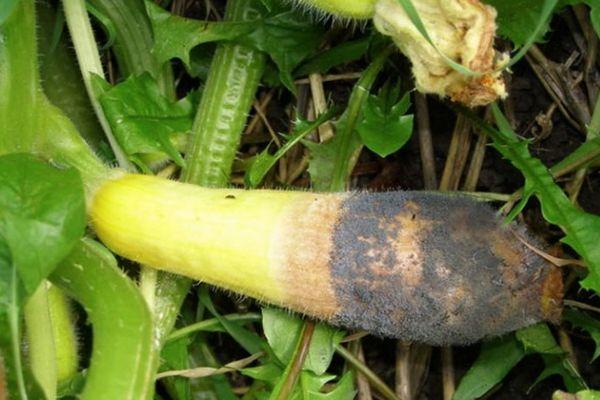
Problems with growth and slow fruit set in zucchini can be related to increased soil acidity. To improve soil quality for better fruit growth, use the following methods:
- adding lime flour to the soil;
- treatment with slaked lime;
- enrichment with crushed chalk;
- use of dolomite flour;
- application of wood ash.

This method allows you to reduce the acidity of the soil, and in this case, the zucchini will grow better.
Wrong place
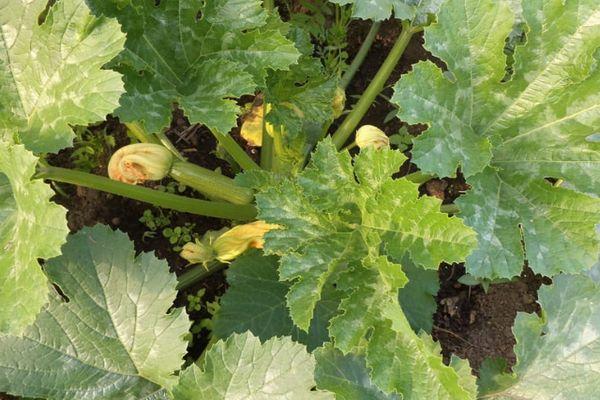
Gardeners often report that their zucchini are failing, but they're at a loss as to what to do. Planting location is crucial; zucchini don't grow well in their previous location, so following crop rotation rules is sufficient to avoid this problem. In this case, they will produce fruit, but the yield will be significantly reduced. The following crops are the best predecessors for zucchini:
- radish;
- onion;
- carrot;
- peas;
- tomatoes.
You should not plant zucchini in a place where pumpkins and cucumbers were previously grown.
Lowland, high groundwater level
Zucchini require a lot of water and do poorly when water is insufficient, but too much water is also very bad. When grown in areas with high groundwater levels, the only way to combat this is to create raised beds.
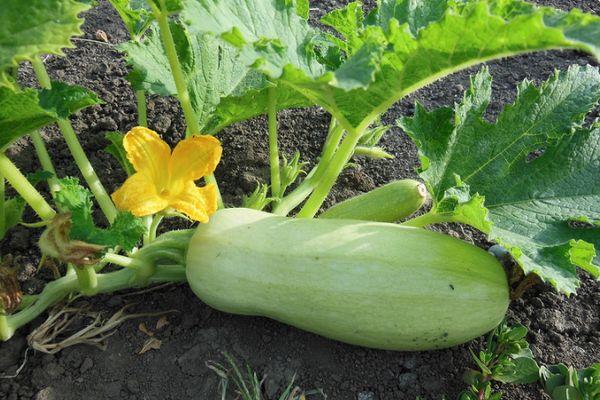
Raised beds will eliminate the risk of overwatering, otherwise the roots will rot and the plant will be unable to produce a vegetable harvest.
Lack of heat and light
Zucchini is a heat-loving garden crop, so a lack of light negatively impacts its growth. Planting in shaded areas can lead to problems, with small ovaries forming. The less light, the smaller the resulting fruit.
Zucchini reacts instantly to changes in ambient temperature. If temperatures drop significantly, the pollen becomes sterile, which subsequently prevents fruit from setting. Therefore, whenever a significant drop in temperature threatens, it is recommended to cover the plants.
Bad neighbors
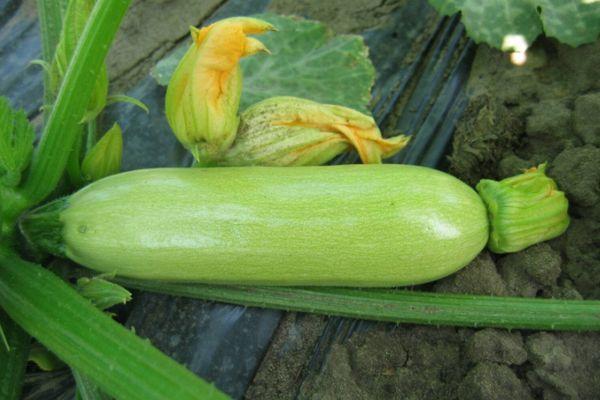
To ensure a good zucchini harvest, it's important to consider the proximity of other crops. A nearby pumpkin planting can negatively impact yields. This is because the zucchini plant produces fewer fruits, resulting in cross-pollination.
Tips from an experienced gardener
A common gardening problem, familiar to many from personal experience, is the formation of a large amount of green mass but a small number of ovaries. In this case, it's worth reconsidering the amount of fertilizer applied to the soil. Often, the formation of a large number of strong, healthy shoots with a small number of zucchini indicates overfeeding.

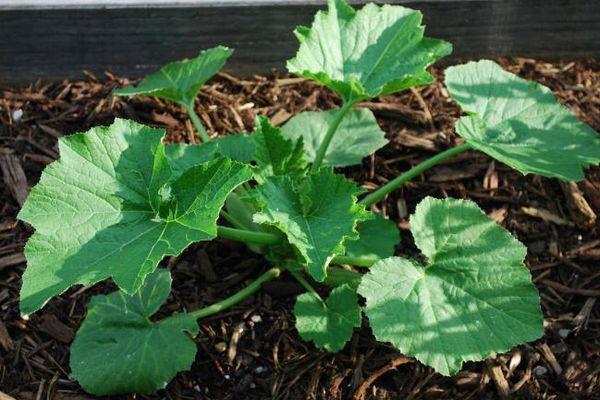
It's important to follow the rules and adhere to the seed planting pattern. Zucchini should be planted in a spacious manner in the soil, otherwise the plants will become too dense. This can lead to poor air permeability, which can lead to plant diseases.
When growing, you should follow the recommendations:
- do not allow moisture to get on the leaves, otherwise the plant will get burned;
- For better air permeability and to prevent moisture stagnation, it is recommended to remove the lower large leaves;
- During the formation of the ovary in the flower area, it is necessary to remove excess leaf blades that interfere with insect access to the flower;
- 3 are made during the season top dressing, zucchini “love” nitrogen, prefer fertilizers with potassium less and do not like chlorine;
- To obtain a good return, it is recommended to pinch the shoots;
- In order to stimulate root growth, loosening and hilling should be carried out periodically.
For best results, harvest zucchini twice a week. This will help prevent overripening and improve the nutritional status of young vegetables.
Related posts:
 TOP 20 simple recipes for pickled zucchini for the winter
 How to cook fried zucchini with garlic for the winter, finger-licking good recipes and without sterilization
 Descriptions and characteristics of round zucchini varieties, growing and care rules
 Amazing recipes for zucchini in tomato sauce for the winter, you'll lick your fingers, with and without sterilization
 TOP 13 delicious recipes for spicy zucchini for the winter
 What to do if the leaves of zucchini in open ground turn yellow and how to deal with it
 A recipe for quickly preparing lightly salted zucchini in a bag, saucepan, or jar, along with storage instructions.
 What is the best way to feed zucchini in open ground and greenhouses during flowering and fruiting?