
Zucchini has become a common vegetable on the home kitchen table. Housewives love it for its delicate and pleasant flavor. Few people know why zucchini sometimes turns bitter. This doesn't mean chemicals or nitrates were used in cultivation. The unpleasant bitter taste is characteristic of the cucurbitaceae family, which includes zucchini. Let's explore the causes of this unpleasant phenomenon and the possibilities for reviving the fruit.
What makes zucchini bitter?
The substance that causes bitterness is called cucurbitacin. It's harmless and inherited. It accumulates in the seeds of the vegetable and spreads throughout the fruit.
But for the substance that makes zucchini bitter to actually appear, negative factors must be present, such as:
- improper application of mineral fertilizers;
- lack of water;
- insufficient or, conversely, excessive exposure to sunlight;
- the appearance of the disease.
Paradoxically, it's the presence of cucurbitacin that gives the vegetable its antiparasitic properties and actively prevents the occurrence and development of tumors. However, despite these unique qualities, bitter squash isn't particularly pleasant to eat.
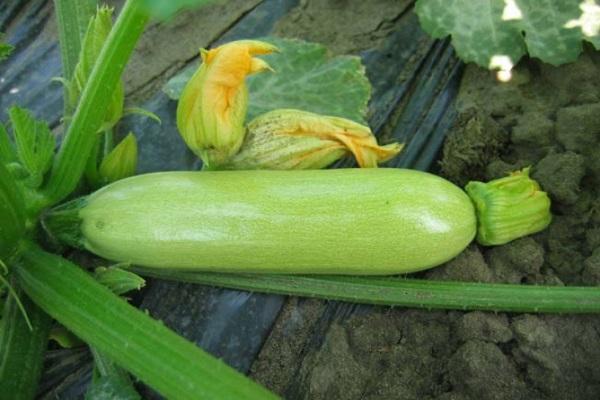
Neighborhood of cultures
Neighboring plants may also be factors that could be contributing to bitter zucchini. Check if pumpkins, potatoes, or parsley are growing nearby, or if cucumbers, tomatoes, or radishes are nearby. If so, you need to replant one of these vegetables, as this is what's causing the bitter zucchini. Space them at least 15 meters apart.
It will not cause any discomfort when planted next to peas, bush beans, onions and spinach.
Important! Do not plant zucchini in the same area two years in a row.
It's important to consider what grew in the area before the zucchini. The most favorable predecessors for them would be potatoes, tomatoes, cabbage, carrots, beets, legumes, and greens.
Watering mode
You don't need to overwater the vegetable, but it also doesn't respond well to drought. Prolonged exposure to sunlight causes the zucchini to produce substances that impart a bitter taste. If you want to preserve the vegetable's beneficial properties in hot weather, water only the root zone, not the entire soil.
Additionally, you should mist the green leaves with a spray bottle or watering can. This will help them withstand the damaging effects of the sun. Young bushes need more water than mature ones. Initially, they should be watered daily. Once the bush has developed a closed, hemispherical shape, reduce the frequency of watering.
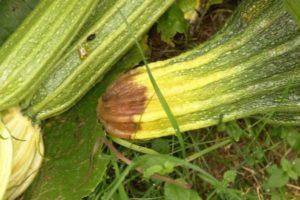
It is interesting to note that, under the same growing conditions, some varieties of zucchini are still less prone to developing bitterness.
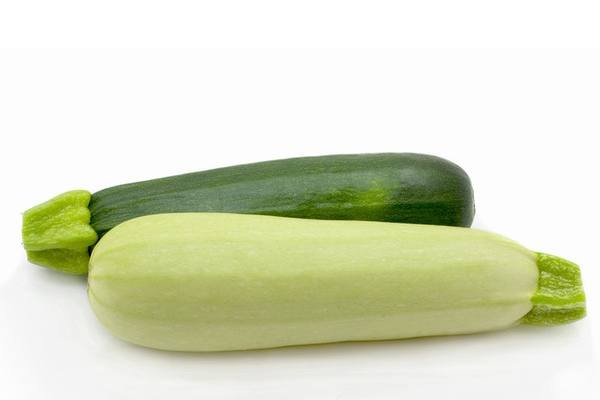
The least bitter of them are the following:
- Skvorushka. One of the most beloved varieties, very similar to zucchini, it has all the qualities needed for salads or caviar. However, if the summer is rainy, even zucchini will taste bitter.
- Chaklun. It's equally popular due to its versatile properties. It's equally suitable for preserving salads for the winter, frying, and eating raw. It has soft, tender flesh and a fragrant aroma. This variety can be stored for a long time.
- Pharaoh. Best suited for fresh consumption, but canning is also possible. Thanks to its distinctive aroma and juicy, sweet flesh, this variety is a frequent guest on the home table.
Lighting and fertilizing rules for zucchini
Melons thrive in bright light. Therefore, when choosing a planting site, look for a level, shade-free area. Squash will develop bitterness in prolonged shade. This vegetable is so sensitive that even a natural decrease in daylight hours can trigger rancidity.
Thinning is crucial. Once the plant reaches maturity, trim the leaves periodically to prevent unnecessary shading of the fruit. The distance between different fruits should be at least 0.75 meters.
When asked why zucchini taste bitter, experts offer varying answers. However, proper fertilization is a key factor. Choose organic fertilizers for zucchini; they have the best effect on growth and fruit content. A mullein solution and a herbal infusion fermented for three days are the most effective. When the plant is still young and just beginning to form ovaries, superphosphate or wood ash can be added to the fertilizer.
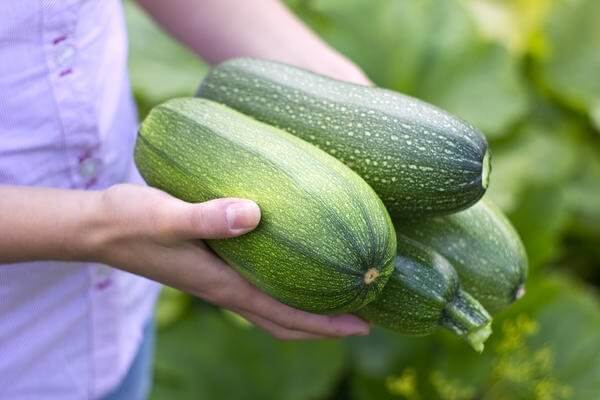
Important! When using phosphate-potassium fertilizers, follow the principle "better too little than too much."
Excess substances for fertilizing zucchini They can also cause bitterness. Using nitrogen fertilizers, on the other hand, will reduce rancidity. The best option is to use complex mineral fertilizers, whose specially formulated composition will prevent any imbalance. Experienced people use boric acid and yeast in such situations.
The first feeding is done before flowering. For 10 bushes, use 10 liters of ammonium sulfate solution (25 grams), superphosphate (50 grams), or potassium nitrate (30 grams). For the second feeding, which should be done before fruiting, one bucket of superphosphate solution (40 grams) or potassium nitrate (40 grams) is needed for 8 bushes.
Storage conditions for zucchini
If you notice that the zucchini tasted normal immediately after being cut, but then developed a bitter taste after storage, look for the cause in the storage conditions. Young and mature zucchini store differently after being cut. The former can be stored for no more than two weeks in a cool place with a temperature no higher than 2 degrees Celsius. After this time, the flesh will begin to rot and the skin will become tough.
The second option has a much longer shelf life, up to five months. The fruit's flavor will not deteriorate during this time. Storage conditions should be the same as for any other vegetable—a cool, ventilated room.
Important! A basement is not suitable for storing zucchini, as rot can develop there. If there are no other options, hang the vegetables in a separate net. They should be positioned slightly below the ceiling, without touching each other.
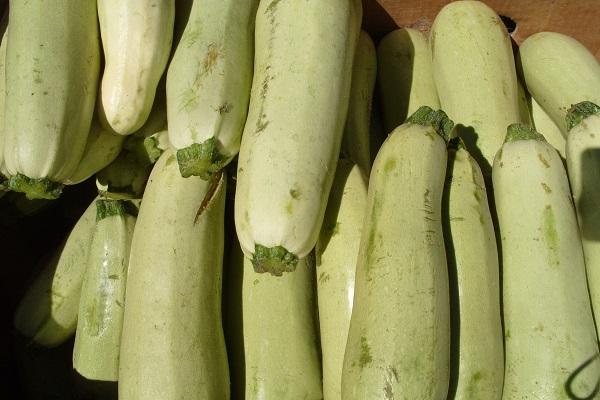
If you live in a city apartment, keep the vegetable in a dark, secluded place, such as under furniture, on a balcony (if it's insulated), or in a vestibule. To avoid the bitter taste of wormwood, or any other bitter aftertaste, try to use the vegetable within 2-3 months.
Before storing vegetables, there's no need to wash them; simply wipe them dry with a cloth. It's important to remove any dirt without damaging the skin. Select only fully ripe (not overripe) vegetables for storage. They should be undamaged, and the stems should be intact.
Freezing is one option for storing zucchini successfully. They can be placed in the freezer either whole or shredded. Homemakers recommend the latter option. This way, the zucchini will take up less storage space. Furthermore, you can taste it to ensure there's no bitterness, which will prevent any unpleasant surprises later.
Diseases of zucchini
Disease and pest infestation shouldn't be ruled out as a possible factor. Bitterness can result from the following infections:
- Anthracnose. Caused by excessive rainfall or, conversely, dry weather, the disease is characterized by the appearance of yellow-brown spots on the leaves. After they dry, holes appear in these spots. In the next stage, the leaves curl up and dry out. Treatment is by spraying with Bordeaux mixture. Affected leaves should be trimmed immediately, and weeds should be kept away from the zucchini.
- Fusarium wilt. Leaves near the base quickly turn yellow and wilt, while the stem itself takes on a pink tint. In this case, remove the affected plant and treat it with fungicides as a preventative measure.
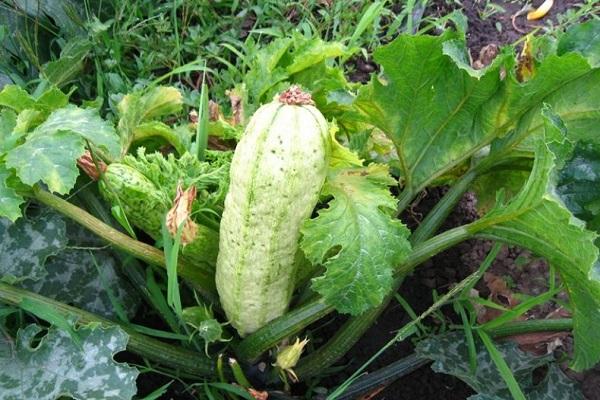
Of course, preventing a disease is easier than dealing with its consequences. So, don't wait until your plant becomes ill; take preventative measures. For example, you can treat the plant with an infusion of onion peels or dust it with ash.
To grow a healthy plant, follow crop rotation rules: zucchini can grow in any soil, but if the plants are grown in the right soil, the likelihood of disease is significantly reduced.
How to get rid of bitterness
If your zucchini harvest fails and turns out bitter, don't panic, you can still fix it.
There are several ways to get rid of bitterness:
- To use the vegetable in canning, soak the fruit in cold water for 5-6 hours beforehand. This will prevent the finished product from tasting bitter.
- When serving fried or stewed vegetables, soak peeled and sliced zucchini in salted water. The salt will stimulate the juices to release, removing the bitterness, and you can enjoy your favorite dish.
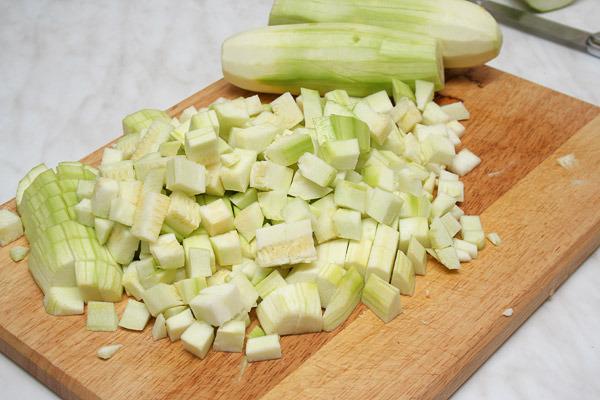
What should you do if these treatments don't help, and a slight bitterness still remains? Try adding sour cream to the finished dish. It softens the flavor of any dish, and the bitterness becomes a highlight.
Related posts:
 How to properly plant zucchini in open ground, cultivation technology and care
 What is the best way to feed zucchini in open ground and greenhouses during flowering and fruiting?
 What to do if the leaves of zucchini in open ground turn yellow and how to deal with it
 Proper cultivation and care of zucchini in open ground, how to increase the yield
 How to control pests and treat diseases of zucchini in open ground
 How to make zucchini adjika for the winter using finger-licking good recipes and storage instructions
 How often should you water zucchini in open ground? Irrigation rates and methods.
 30 Best Zucchini Varieties with Descriptions and Characteristics