
Zucchini is considered one of the most popular crops for growing in garden plots. It's used for cooking and preserving for the winter. However, if not properly cared for, zucchini yields a meager harvest, and the fruits themselves grow small. There are many reasons for crop failure, but the most common is the formation of barren flowers on zucchini bushes. Many gardeners wonder what to do if their zucchini plants have barren flowers.
Reasons for the growth of barren flowers on plants
Among the reasons that influence the formation of barren flowers, insufficient pollination of zucchini by bees is highlighted. The structure of the zucchini inflorescence is such that it is difficult for insects to get inside and transfer pollen from one flower to another. Bees cannot fly into the flower and pollinate it.
Other common causes of barren flowers on zucchini include:
- unfavorable climatic conditions;
- the soil in the beds with zucchini has high acidity;
- incorrect planting pattern or an unfavorable location for planting seeds;
- spread of diseases;
- planting last year's seeds;
- there are few pollinating insects in the area;
- wrong caring for zucchini in open ground.
First and foremost, bees are essential for growing zucchini. They require favorable conditions to pollinate the female flowers.

The cause of barren flowers is plant disease.
The main reason squash produces empty flowers is plant diseases. If the bush produces few fruits, it's quite possible the squash is infected with some kind of agricultural disease.
Among the diseases that cause barren flowers in zucchini, the following are distinguished:
- Powdery mildew often attacks vegetables, causing the bushes to develop numerous empty flower heads that fail to produce fruit. The first sign of powdery mildew on vegetables is the spread of a white coating on the leaves and stems. Gradually, the bushes begin to dry out and wilt.
- Downy mildew also causes empty flower heads and wilting of vegetables.

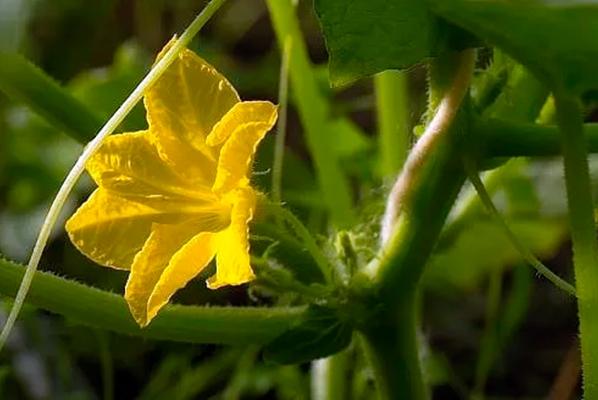
- Gardeners often have to contend with white rot. This virus affects not only the leaves, but also the inflorescences and even the root system. Controlling this disease is difficult.
- Zucchini spot mosaic is another disease that affects zucchini. The fungus spreads quickly through insects or wind, affecting virtually all crops in the garden. Characteristic signs of the disease include white spots on the leaves and the formation of numerous male inflorescences that fail to produce fruit.
To prevent diseases from developing on zucchini, you need to carefully monitor the condition of the bushes and care for them properly.
Other reasons for the formation of barren flowers
Besides diseases, there are other reasons why zucchini flowers are barren. Among them is the presence of harmful insects on the vegetables. The most common insects found on zucchini are:
- aphid;
- spider mite;
- sprout fly.
The control of these pests is almost the same as for all others. Pests in the garden should be controlled through regular garden care. Regularly caring for zucchini will prevent insects from appearing. It's important to treat the plants promptly with chemicals or natural remedies against pests.
If you treat the crop immediately, insects will practically not appear.
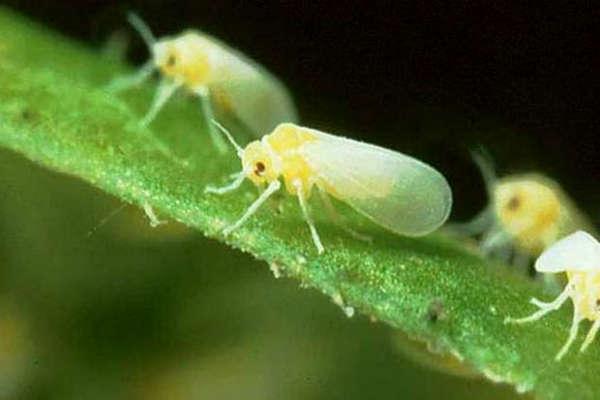
Preventive measures include:
- spraying zucchini with chemicals;
- regular weeding of beds and removal of weeds from the area;
- properly organized watering (the bushes should be watered only with warm water, warmed by the sun, without flooding the beds, but also without allowing the soil to dry out);
- Regularly inspect the bushes (if there are damaged or dried leaves and stems in the beds, they are immediately cut off and thrown away from the area).
All these measures help to ensure that insects and diseases do not appear on zucchini.
How to help zucchini during the fruiting period
You can remedy the situation with zucchini using various means. Barren flowers quickly disappear, and their number decreases. First of all, it's important to remember that it's impossible to completely eliminate barren flowers from zucchini. Barren flowers contain pollen necessary for pollination of healthy flowers. However, proper care will promote the formation of healthy flowers.
- Some gardeners prefer to pollinate the flowers manually. This method is labor-intensive and ineffective.
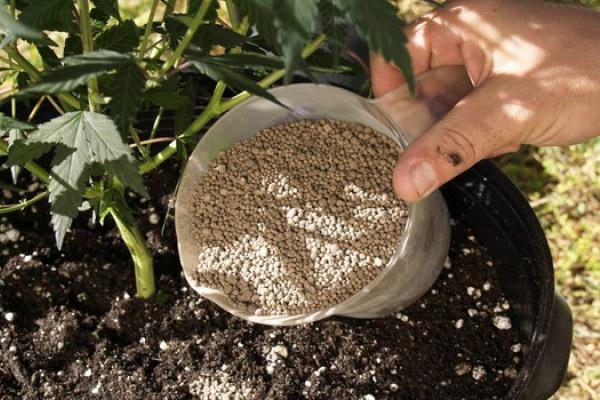
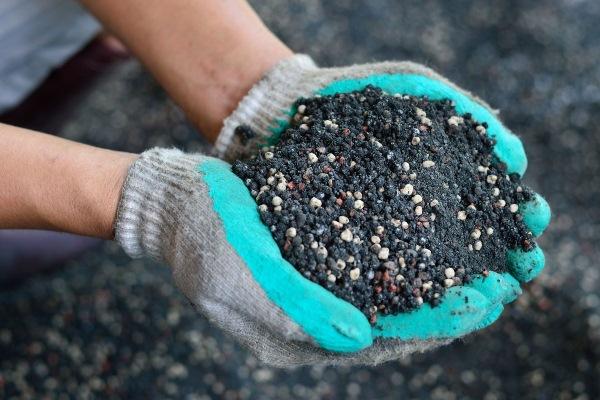
- Fertilizers should be added to the soil regularly. For example, mineral fertilizers (but using large amounts of nitrogen is not recommended). Fertilizing plant bushes with manure is especially beneficial; this will immediately eliminate barren flowers.
- Plants should be watered with a solution of boric acid (boric acid should be sprayed on the bushes, especially the inflorescences).
- Using a sugar solution can help. To prepare it, take 2 liters of water and dissolve 5 tablespoons of sugar in it. Stir the solution until the sugar dissolves, and spray it on the inflorescences. The sweet scent will attract bees to the plants.
In addition to applying mineral and organic fertilizers, you need to pay attention to watering your beds. First and foremost, use only warm water. Using cold water will cause fungus to develop on the plants, and the root system may rot.
Preventive measures for intense flowering
Zucchini plants are generally low-maintenance, so they don't require much attention. A minimal set of care will suffice. If you neglect the plants, you'll spend more time fighting pests and diseases.
If the bushes were producing few inflorescences, water them with an infusion of wood ash, chicken manure, and phosphorus, which will encourage more inflorescences. You should also water the beds with a solution of nitroammophoska.
If the weather is hot, the inflorescences become sterile. To prevent sterile inflorescences, the bushes should be sprayed with a weak solution of boric acid or water.
Tips from an experienced gardener
If your zucchini plants are producing empty flowers, you'll need to resort to a number of tricks, such as folk remedies. Experienced gardeners reveal secrets for growing zucchini.
- Barren flowers grow due to acidic soil, so lime should be spread over the area.
- During the flowering period, zucchini requires a large amount of potassium, nitrogen and phosphorus.
- It's helpful to water your garden beds with an infusion of onion peels. Pour 1 kg of onion peels into 5 liters of water and let it steep for a week.
- Water the plants regularly with Effecton, Baikal or Biosporin.
- Dissolve 100 g of yeast in 10 liters of warm water. Stir thoroughly to dissolve the yeast and let it steep for 24 hours. You can add fresh nettle to the infusion to enhance its effectiveness.
Take a look Also
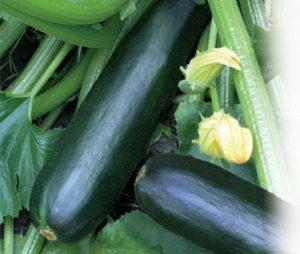
Fighting empty flower heads in zucchini beds isn't difficult. The key is to regularly tend to the vegetables, prevent insects or diseases, and ensure the soil is fertile and not too acidic before planting. These measures will increase your zucchini yield several times over.
Related posts:
 How to properly plant zucchini in open ground, cultivation technology and care
 What is the best way to feed zucchini in open ground and greenhouses during flowering and fruiting?
 Proper cultivation and care of zucchini in open ground, how to increase the yield
 What to do if the leaves of zucchini in open ground turn yellow and how to deal with it
 How to control pests and treat diseases of zucchini in open ground
 How to make zucchini adjika for the winter using finger-licking good recipes and storage instructions
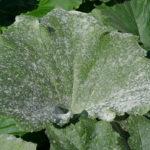 Causes of powdery mildew on zucchini and methods of disease control
 30 Best Zucchini Varieties with Descriptions and Characteristics