
- Variety selection
- Pros and cons of fruit crops
- Description of the tree
- Size and annual growth
- Fruiting
- Flowering and pollinators
- Ripening time and harvest
- Tasting evaluations and scope of application of fruits
- Susceptibility to diseases and parasites
- Red leaf spot
- Clusterosporiasis
- Moniliosis
- Plum resistance to frost and dry climate
- How to plant a tree on a plot
- Required soil composition
- Selecting and preparing a site
- Dimensions and depth of the planting hole
- Timing and rules for planting fruit crops
- What crops can and cannot be planted next to cherry plums?
- Organization of care
- Watering
- Top dressing
- Crown pruning
- Vaccinations
- Loosening and mulching the tree trunk circle
- Seasonal treatments
- Insulating the roots and preparing for winter
- Methods of reproduction
- Green cuttings
- The method of lignified cuttings
- Gardeners' reviews of the variety
The Tsarskaya cherry plum is considered a popular crop. It boasts high yields and excellent flavor. This is why many gardeners grow this plant in their gardens. To achieve excellent results, it's important to select appropriate agricultural practices. These should include timely watering, fertilizing, and pruning.
Variety selection
This hybrid variety was developed by Russian scientists from the Kubanskaya Kometa cultivar. The selection process significantly improved the characteristics of the original cultivar.
Pros and cons of fruit crops
The key advantages of the plant include the following:
- rapid onset of fruiting;
- high yield parameters;
- resistance to many diseases and parasites;
- long shelf life;
- excellent transportability;
- attractive appearance of fruits.
However, the plant also has certain disadvantages:
- self-sterile variety;
- tendency to rapidly form root shoots;
- average frost resistance and low frost resistance of the root system.
Description of the tree
The crop has a number of characteristics, which must be taken into account before planting.
Size and annual growth
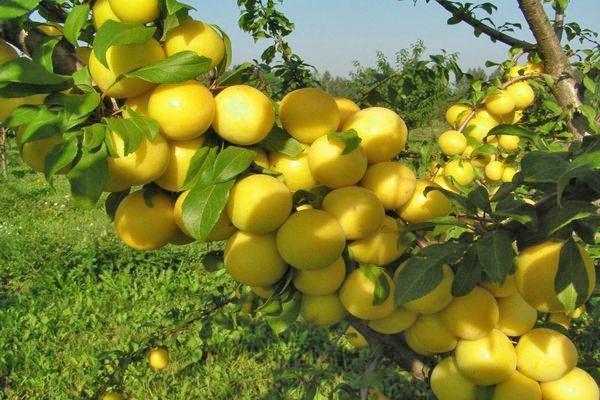
The plant is considered a short tree, reaching a maximum height of 2.5 meters. The upper part is adorned with a small, slightly flat crown. The foliage is medium-sized and fresh green. In spring, the tree produces delicate green shoots.
Fruiting
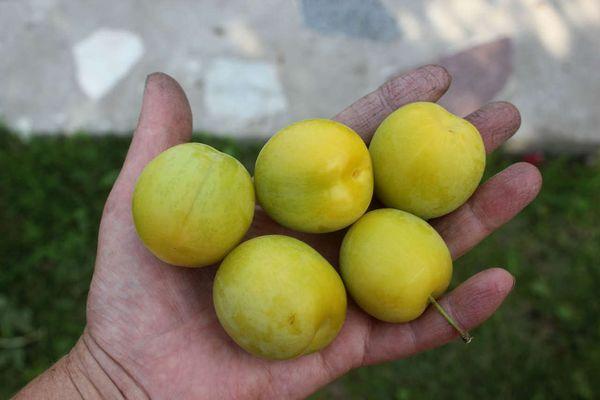
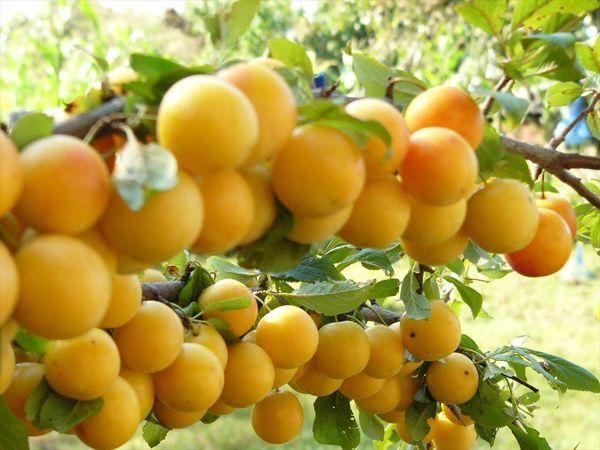
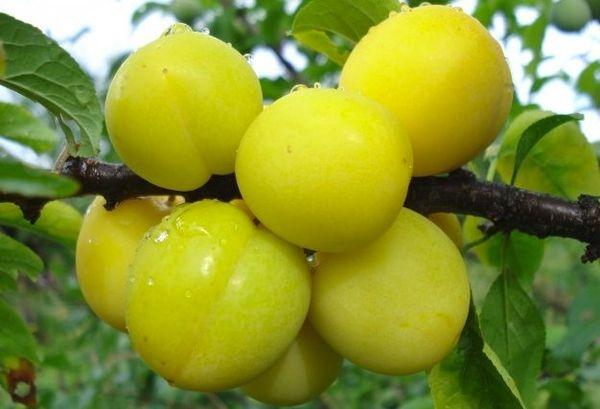
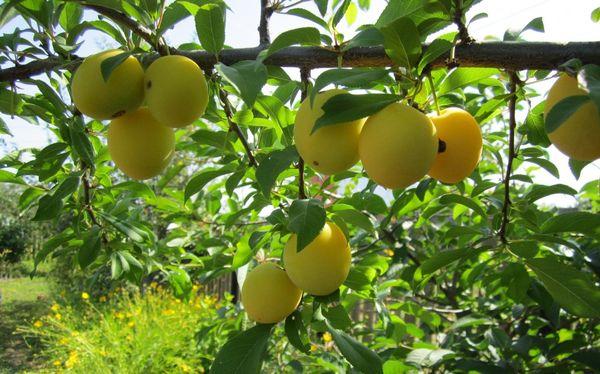
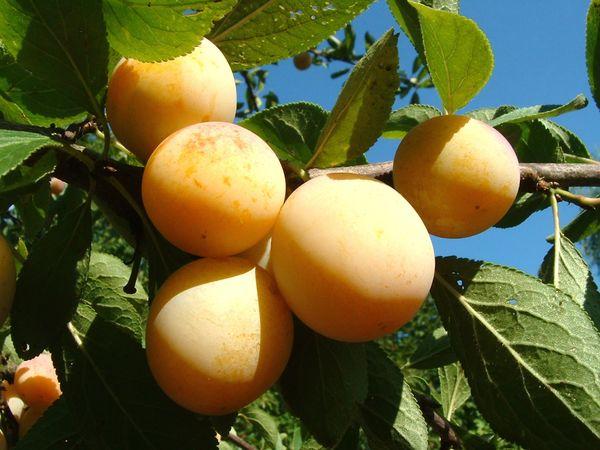
The plant produces round fruits weighing 18-25 grams. They have yellow skin and a sweet and sour, juicy pulp. The skin has a dense texture and is covered with a slight waxy coating.
The variety is considered high-yielding. A single tree can yield 20-25 kilograms of fruit. The harvest must be done several times.
Flowering and pollinators
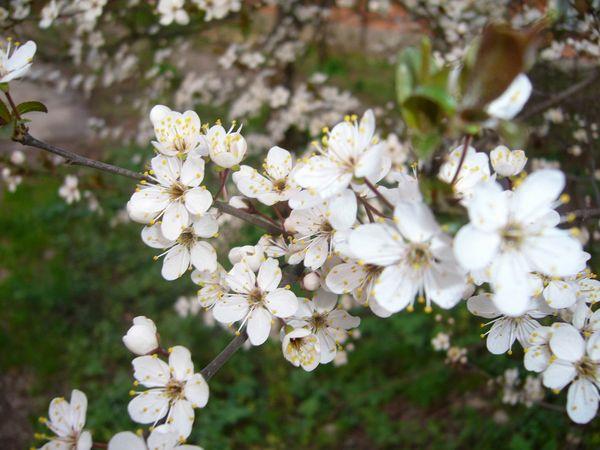
The plant's characteristic white flowers have five petals and are distinguished by a distinct fragrance. The tree begins blooming before the leaves appear, and blooms profusely.
This variety is considered self-sterile. Therefore, fruit will not set without pollination. Varieties such as Puteshestvennitsa, Pramen, and Kleopatra are used as pollinators. Kubanskaya Kometa, Mara, and Naydena are also considered good options.
Ripening time and harvest
Cherry plums ripen in late July or early August. The fruits have excellent flavor, store well, and are easy to transport.
Tasting evaluations and scope of application of fruits
The fruits are characterized by a yellow color and an orange blush. Cherry plums have a sweet taste and are versatile. The fruits are suitable for fresh consumption and can be used to make preserves, jellies, and compotes.
Susceptibility to diseases and parasites
Fungal infections are the most common problem with cherry plums. If symptoms appear, immediate action is required.
Red leaf spot
The disease is accompanied by the appearance of spots on leaves and fruit. These spots have a reddish-brown tint. Over time, the foliage falls off, and the fruit becomes unpalatable. Fungicides help combat the disease.
Clusterosporiasis
This disease is characterized by the appearance of brown-red spots on the leaves. These enlarge and develop holes. As a result, the foliage falls off, and the fruit becomes covered with crust. Fungicides are used for treatment.
Moniliosis
The disease spreads through flowers. Leaves and branches then become infected. In summer, fruit rot appears on the berries. If shoots are affected, the affected areas should be cut back, leaving 30 centimeters of healthy wood. They must be burned. Then the tree is treated with fungicides.
Plum resistance to frost and dry climate
The cherry plum root system is characterized by low frost resistance. However, the wood can withstand temperatures down to -35 degrees Celsius. The tree's drought tolerance is considered average.
How to plant a tree on a plot
To ensure the tree's full development and a bountiful harvest, it is important to plant it correctly.
Required soil composition
This plant thrives in light, loamy soil. It's important to consider the water table, which should be at least 1.5 meters deep.
Selecting and preparing a site
Cherry plums should be planted in a well-lit area that is well protected from cold winds. It's best to plant the tree on the south or southwest side of a building.
Before planting, it's recommended to clear the soil of weeds, water it, and dig it over. Add wood ash to acidic soil.
Dimensions and depth of the planting hole
The hole for planting cherry plums should be 60 centimeters in diameter and 70-80 centimeters deep.
Timing and rules for planting fruit crops
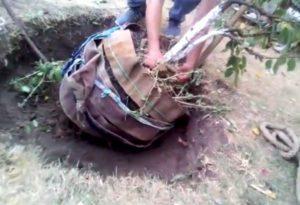
It's recommended to plant cherry plums in the spring, before the buds swell. To ensure good drainage, line the bottom of the hole with crushed brick or small stones. This layer should be 15-20 centimeters deep.
To carry out planting work, you should do the following:
- Dip the roots of the plant in a clay slurry.
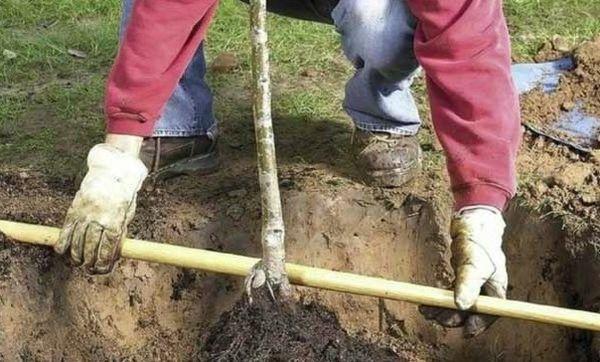
- Place the seedling in the hole and carefully straighten the roots.
- Cover with fertile soil. It's important that the root collar is 6-7 centimeters above the soil surface.
- After planting, dig a hole 50 centimeters in diameter and pour 3-4 buckets of water into it.
- Cover the tree trunk circle with mulch.
What crops can and cannot be planted next to cherry plums?
All types of plum trees can be planted near cherry plums. However, it is not recommended to plant pears, walnuts, apples, or cherries nearby.
Organization of care
In order for a tree to bear fruit abundantly, it needs to be provided with high-quality, comprehensive care.
Watering
Cherry plums are recommended to be watered regularly. During the growing season, water every 10 days. Each plant requires 4-5 buckets of water.
Top dressing
In the fall and spring, it's recommended to dig the soil. During this period, add 5-6 kilograms of compost and 60 grams of urea per square meter.
During the growing season, it is worth carrying out several additional feedings:
- before flowering, use 40 grams of urea and potassium;
- during the period of fruit formation, 30-40 grams of Nitrophoska and urea are added;
- After harvesting, apply 35-40 grams of potassium sulfate and superphosphate.
Crown pruning
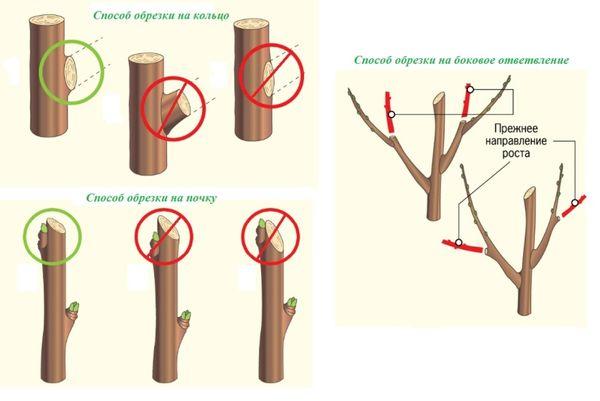
Proper annual pruning helps shape the crown, increase yield, and control diseases. To ensure proper growth of young trees, seedlings are pruned by a third when planted.
Annual pruning is performed in April. During the first few years, branches should be trimmed. It's recommended to leave 3-4 skeletal shoots at the base. Then, the central shoot can be trimmed.
Vaccinations
This method of propagation combines parts of different crops. The following methods can be used:
- Ablactation. In this case, whole-plant grafting is performed. This involves grafting trees growing close together and then separating them.
- By cutting or shoot. There are many options for this type of grafting.
- Budding. In this case, one bud is taken.
Loosening and mulching the tree trunk circle
The tree trunk area should be regularly loosened and weeded. To prevent moisture loss, the soil should be mulched with peat or compost.
Seasonal treatments
Preventative treatments can help prevent the development of diseases. Fungicides and insecticides are used for this purpose.
Insulating the roots and preparing for winter
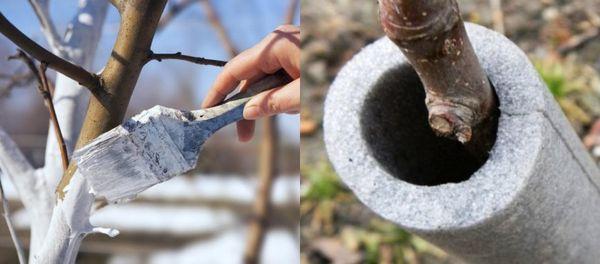
The plant's roots are notoriously frost-resistant. Therefore, it's recommended to insulate them during snowless winters. If snow is present, rake it toward the trunk. Horse manure can also be used as a mulch.
Methods of reproduction
It is recommended to propagate cherry plums vegetatively. Various types of cuttings are used for this purpose.
Green cuttings
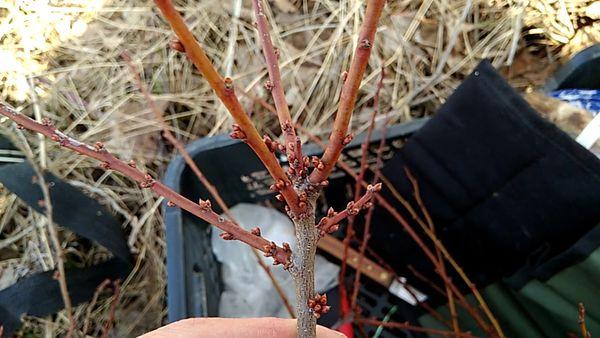
In mid-summer, it is worth cutting 10-centimeter cuttings, soaking them in a growth stimulator and rooting them.
The method of lignified cuttings
These cuttings are harvested in the fall. They should be 20-25 centimeters long. The cuttings should be treated with paraffin and stored throughout the winter.
Gardeners' reviews of the variety
Reviews of the variety confirm its popularity:
- Nikolai: "I really liked this cherry plum variety. It started bearing fruit in its second year. The fruit has a pleasant sweet taste and a slight tartness."
- Alena: "I recently planted a Tsarskaya cherry plum. This year I got my first harvest. I really liked the taste of the fruit. The tree is completely unpretentious."
The Tsarskaya cherry plum is distinguished by its excellent yield and excellent taste. Strict adherence to care guidelines is essential for successful cultivation.
Related posts:
 Methods for planting and propagating cherries at home
 The best eggplant varieties for growing in a polycarbonate greenhouse: planting and care
 The best grape varieties for growing in the Urals, planting and care rules in summer
 Conditions for growing mandarin at home and rules for caring for the tree
 Growing and caring for hazelnuts in open ground, rules for planting hazelnuts
 Rules for planting and caring for pears in open ground, how to grow them correctly
 Description and cultivation of the 15 best cherry plum varieties for the Moscow region, planting and care rules
 Description and characteristics of the clematis variety Ville de Dion, planting and care instructions