
Vermicompost for cucumbers, the use of which ensures the saturation of the soil with all the necessary microelements, is a byproduct of earthworm activity. It is an environmentally friendly organic fertilizer can be used for soil cultivation, seedlings, and fertilizing all types of plants.
Purpose of Biohumus
When cucumbers are planted annually, the soil becomes compacted and depleted. Yet, to produce a high yield, cucumbers require soil with a pH of 6.4-7.0. Furthermore, growing 30 kg of cucumbers requires an average of 30 g of nitrogen, 45 g of phosphorus, and 66 g of potassium.

However, the vegetable doesn't tolerate high concentrations of mineral salts in the soil. This is where vermicompost comes in. It harmoniously combines micro- and macroelements, nutrients, enzymes, vitamins, growth hormones, and soil antibiotics. In terms of organic matter content, it's 4-8 times higher than manure and compost.
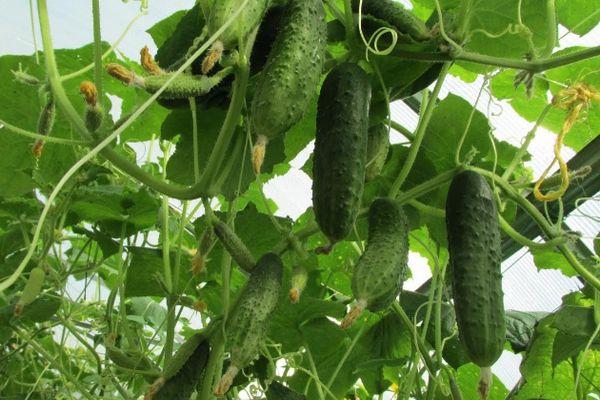
The effect of Biohumus on cucumbers:
- growth stimulation;
- strengthening the immune system;
- increase in crop yield;
- improving the taste of vegetables;
- improving the soil and saturating it with nutrients;
- accelerates seed germination;
- prevents nitrates from accumulating in vegetables;
- accelerates fruit ripening;
- fights insects.
Furthermore, it's impossible to oversaturate the soil with fertilizer. Plants take in exactly the amount of nutrients they need. The positive effects of Vermicompost are still visible even after five years of use.
Methods of application
The fertilizer is available in dry (granules) and liquid form. The dry form can be applied directly to the soil, while the liquid concentrate requires a solution. Manufacturers also recommend using dry Vermicompost for treating open soil, while the liquid concentrate is better suited for fertilizing seedlings.
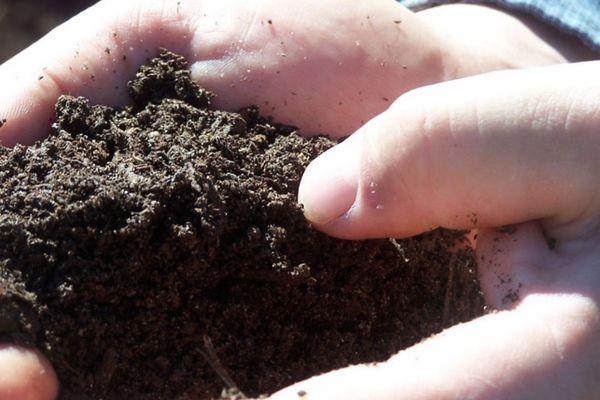
Fertilizer can be used at any time from spring to fall. It should be applied either when digging the soil or separately to each hole when planting.

To ensure the growth and nutrition of cucumbers, when using fertilizer, it is necessary to strictly adhere to the specified dosage:
- when digging the soil, add 500 g of fertilizer per 1 m² and mix thoroughly with the top layer of soil;
- To feed vegetables during the growing season, apply 500 g per 1 m², mix well with the top layer of soil and water generously with warm, settled water.
Liquid Biohumus
The liquid concentrate is most effective from early spring to late June. During this time, the plant is not yet producing fruit. The solution can also be used to feed seedlings. Before use, the liquid concentrate solution should be placed in a warm place, but not in the sun, and left for 4 hours.
<img class="aligncenter size-full wp-image-13906" src="https://harvesthub.decorexpro.com/wp-content/uploads/2018/05/biogumus-dlya-ogurtsov-6.jpg" alt="Liquid Biohumus» width=»600″ height=»400″ />
To apply vermicompost, dissolve 100 ml of the concentrate in 10 liters of warm, settled water. Let it steep for 4 hours. Fertilize cucumbers at a rate of 2 liters of solution per plant. It is recommended to apply the fertilizer once a week until the fruit sets. After this time, stop applying the solution.
The solution can also be used for soaking seeds. The concentrate is diluted with water at a ratio of 1:20. The seeds are soaked in the resulting solution and left for 24 hours.
Liquid vermicompost is also ideal for foliar feeding. To do this, mix the concentrate with water at a ratio of 1:200. Spray the resulting solution on the leaves during plant growth and fruit formation.
Additional information
Despite its versatility, there are a number of situations where the use of Biohumus is not recommended:
- for fertilizing diseased plants, especially if the cause of the disease is unknown;
- for fertilizing vegetables with a damaged root system (for example, in the presence of root rot);
- You should also not fertilize plants at midday, in bright sun, in cold weather, or in drafts.
Before applying the fertilizer, lightly moisten the soil. The resulting liquid concentrate solution should be stored in a dark place, out of the reach of children.
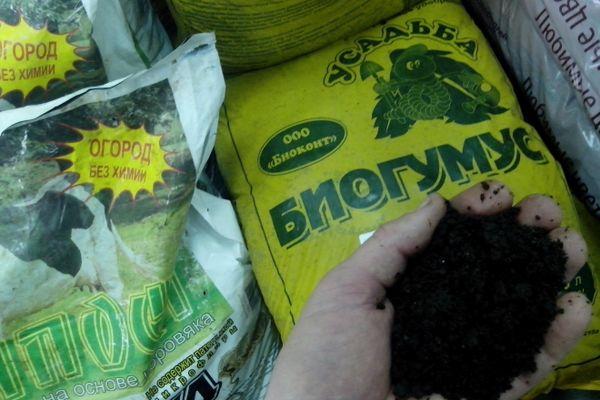
When working with Biohumus, the following precautions should be observed:
- Always wear gloves on your hands;
- After handling plants, be sure to wash your hands;
- Avoid contact with mucous membranes.
If the solution comes into contact with mucous membranes, immediately rinse the affected area with warm water. If the solution is swallowed, seek medical attention immediately.
Related posts:
 Instructions for using vermicompost at home and what this product is
 The best eggplant varieties for growing in a polycarbonate greenhouse: planting and care
 Is it possible to soak treated cucumber seeds before planting and how to do it correctly?
 The use of peat as a fertilizer for potatoes and other crops and its differences from humus
 Description of the Red Early apple tree variety, agricultural technology and specific care
 How to control onion flies using natural and chemical methods
 Rules for using copper sulfate for cucumbers, how to dilute the product for treatment
 How and what to feed watermelons in open ground after planting, during flowering
If possible, add it to the vermicompost for cucumbers. BioGrow, in this case the result will be even more significant, I checked it personally, the harvest was simply excellent, I liked the result.