
The Kibo F1 tomato, developed in Japan, has quickly earned recognition and positive reviews from vegetable growers around the world. This large, indeterminate variety produces an excellent harvest throughout the summer and fall. Its distinguishing feature is its tolerance to temperature fluctuations and its long-lasting fruiting.
What is a Kibo tomato?
The letter "F" in a variety's name indicates that the tomato variety is a hybrid. These tomatoes were created by scientists by crossing strong varieties. F1 seeds are more expensive than regular ones. Hybrids cannot be used to extract seeds from fruits for planting the following season.
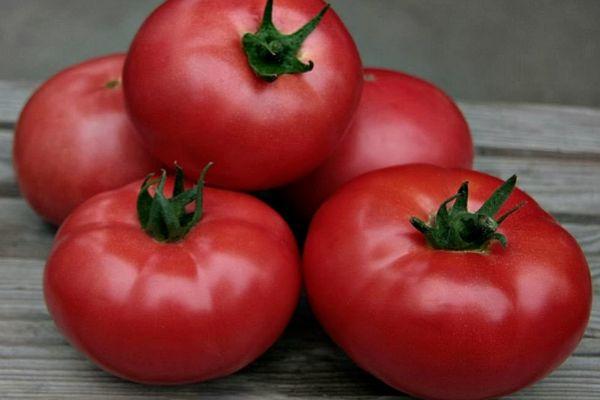
The characteristics and description of the Kibo F1 variety are as follows:
- Tomato variety Kibo F1 is indeterminate.
- He has no height limit.
- The culture can grow up to 2 m.
- This variety is intended primarily for greenhouse cultivation.
- Grows well in any type of greenhouse.
This is a vigorous plant with a sturdy stem and large, spreading, rich green leaves. Tomatoes have a well-developed root system that can withstand temperature fluctuations or mild drought.
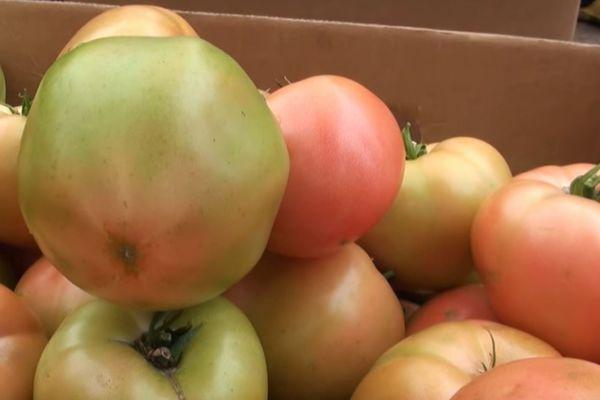
Thanks to its height, this tomato fits compactly in greenhouses, taking up little space. The bush grows constantly, producing new flower clusters. Plot owners can harvest the fruits throughout the summer and fall. This variety continues to produce until the first frost.
Kibo F1 is an early-ripening variety. It takes about 110 days from planting to the first harvest.
The plant produces large fruits, weighing between 200 and 350 g. The very first fruits are the heaviest, with subsequent ones becoming slightly smaller. However, by autumn, tomatoes weighing at least 200 g ripen on the bush.
Each cluster produces 5-6 fruits. They ripen evenly. Kibo tomatoes have an attractive presentation. This variety is often grown commercially. It is transportable and stores well.

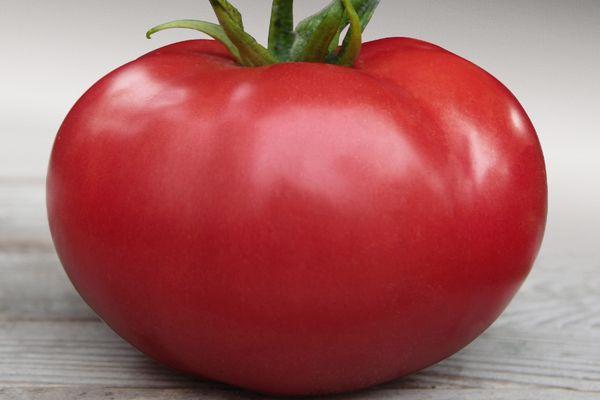
The fruits are round, ribbed, and red with a pink tint. The skin is firm and elastic, and does not crack. There are no green or yellow spots on the skin. The color is uniform.
The flesh is aromatic, juicy, and sweet, without a white stem. The tomato contains a small number of seeds. The flavor is excellent. The tomato is sweet and rich in nutrients and vitamins. This hybrid is a leader among similar indeterminate tomatoes.
Due to constant growth and good fruit set, the variety has a high yield.
A single Kibo tomato plant produces several times more fruit than other determinate varieties. Gardeners harvest 10-14 kg of tomatoes per bush.
Thanks to their excellent flavor, the fruits are used in a variety of dishes, including salads, tomato pastes, appetizers, and ketchup. They are also baked, stewed, salted, pickled, and preserved for the winter.
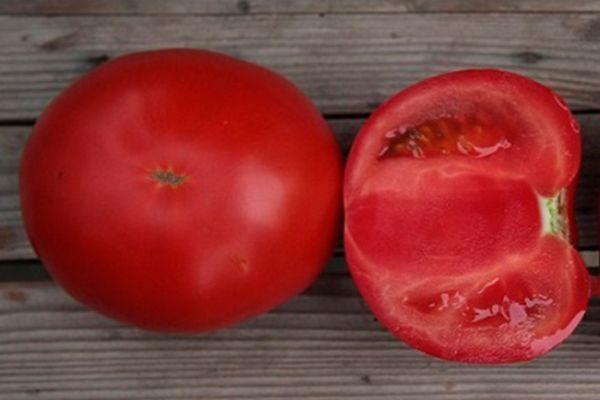
Kibo tomatoes are eaten fresh. They are also suitable for preserves. Large tomatoes are cut into small pieces to fit in a jar.
Advantages of the variety:
- early ripening;
- demonstrates high productivity;
- not afraid of common diseases and insect pests;
- commercial appearance of fruits;
- transportability and shelf life of tomatoes;
- the variety is not dependent on weather conditions, it is not afraid of temperature changes and drought;
- wonderful taste.
Flaws:
- not recommended for cultivation in open ground;
- It is necessary to tie it to a support and remove side shoots.
How are tomatoes grown?
How to grow tomatoes? Planting seedlings begins in mid-February. Soak the seeds in warm water to promote germination. The tubs should contain a soil mixture of soil, peat, and humus. The seedlings are transplanted into individual pots and placed on a windowsill. Occasionally, rotate the boxes containing the pots so that they face the sun. Periodically, open the window to harden off the seedlings.
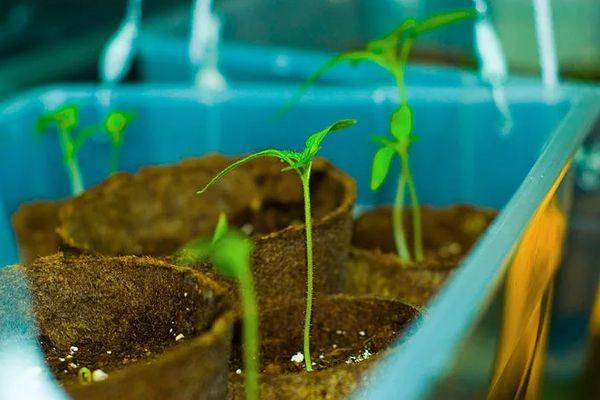
Two months after germination, the seedlings are transferred to the garden beds. The plants should be more than 10-15 cm tall with 10 leaves. It's best to plant tomatoes in soil that was used for cucumbers, onions, and beans last year.

The greenhouse planting technique is simple. Plant no more than three Kibo F1 bushes per square meter. This variety is intended for greenhouse cultivation and is not suitable for open ground. Kibo tomatoes can be grown year-round in heated greenhouses.
Vegetable growers say growing the Kibo tomato is straightforward and requires no special secrets. The plant requires trimming off excess shoots and leaves, especially those that are already dying. The fruits need to be watered periodically. Vegetable growers should ensure the soil beneath the plants is loose and weed-free.
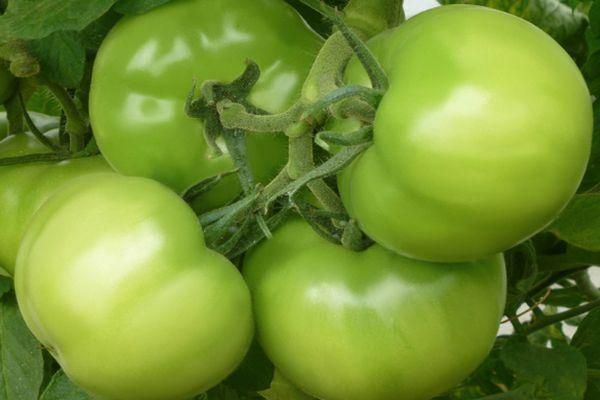
The Kibo tomato variety requires support. It can be tied to long stakes or a trellis installed nearby. This will protect the fruits, which will be high off the ground, from rot, insects, and mice. The bushes don't attract pests and are not susceptible to diseases, but preventative measures should be taken. Copper and sulfur-based products are used for this purpose.
Related posts:
 80 Best Eggplant Varieties for Different Regions with Descriptions and Characteristics
 The best grape varieties for growing in the Urals, planting and care rules in summer
 Descriptions of the 20 best cherry varieties for the Moscow region, their planting and care
 Description of the best varieties of black tomatoes for open ground and greenhouses
 Description of the 90 best varieties of beans for open ground with names
 Description and characteristics of the 60 best sea buckthorn varieties, how to choose depending on the region
 50 Best Pumpkin Varieties with Descriptions and Characteristics for Outdoor Planting
 Description of 30 varieties and types of Muscat grapes, planting, cultivation and care