
The Asvon tomato is a first-generation hybrid and is intended for cultivation in central and southern regions in open ground and under film shelters.
Advantages of a hybrid
The description of the Asvon F1 variety indicates an early harvest. Fruiting occurs 95–105 days after germination. During the growing season, a bush up to 60 cm tall develops, making it suitable for growing even on a windowsill or balcony.
Thanks to its strong stem, the plant does not require staking. Tomato leaves are a rich green. The first flower stalks form at the fifth leaf level. A total of 5-6 flower stalk clusters are formed on the plant. Each cluster produces 5-6 fruits of similar shape and size. Up to 9 kg of fruit can be harvested from 1 m².
The Asvon F1 tomato variety is resistant to temperature fluctuations without affecting ripening. Its compact bushes look attractive during the fruiting season.

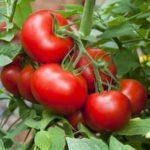
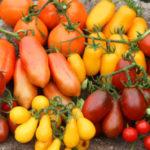
Asvon F1 tomatoes are small-fruited hybrids. The red tomato, as seen in the photo, is round and weighs 50-70 g. The flesh is juicy but not watery, with a rich aroma and a sweet and sour taste.
This variety is resistant to cracking and nightshade diseases. These tomatoes are used in a variety of culinary dishes. When canned, the fruits retain their shape and flavor.
Cultivation techniques
To grow the crop, use Asvon tomato seeds purchased from specialized retailers, as the hybrid loses its varietal advantages in the second generation.

Seeds for seedlings are sown in late February or early March in special containers with moistened soil. The seeds are planted at a depth of 1.5 cm and covered with plastic wrap until the plants emerge.
After 1-2 true leaves have formed, transplant the seedlings. Peat pots are recommended for this purpose, as they will allow the seedlings to adapt smoothly to their permanent location.
Planting material is transferred to greenhouses in early May. For open-ground plants, this process is delayed until the end of the spring frost period. Harvesting occurs in July.


Since tomatoes are harvested from the bush all at once, it's important to follow planting guidelines. To do this, prepare the plot and transfer the planting material to prepared holes filled with compost.
To achieve a high tomato yield, fertilize with a complete fertilizer. Water once every 10-14 days, or once a week with drip irrigation.
During the growing season, the recommended water consumption is 10-20 liters per bush. To ensure a balance of moisture and air around the root system, periodic soil loosening is performed.
To ensure rapid ripening of the crop, it is recommended to mulch the soil using grass, wood shavings or black non-woven fiber. Tomatoes require regular feeding; nutrient deficiency negatively affects the yield and taste of tomatoes.

The plant is disease-resistant, but during late blight outbreaks, treating the bushes with a mixture of slaked lime and copper sulfate is recommended. Biological pest control involves the use of insecticides.
Opinions and recommendations from gardeners
The hybrid's characteristics indicate positive fruit flavor. The Asvon F1 tomato variety, reviews of which indicate its popularity among vegetable growers, is distinguished by its ability to be grown in any conditions.
Irina Zhuravleva, 59 years old, Kostroma:
"At the seed store, the Asvon hybrid caught my eye with its name and description. I grew the seedlings from seeds and transplanted the plants to an open area. I'd like to point out the bush's strong stem, which can withstand the weight of the fruits ripening simultaneously. The tomatoes are very tasty and juicy, probably due to timely watering and fertilizing. I used the tomatoes fresh. When canned, the tomatoes didn't crack and retained their shape."
Valery Fedotov, 62 years old, Tobolsk:
"The Asvon hybrid was recommended by neighbors who were growing it right on their balcony. I decided to give it a try and bought seeds by mail. I grew seedlings from seeds, carefully monitoring the temperature. I extended the daylight hours with a grow light. I transplanted the seedlings into 10-liter containers with soil, watered them periodically, and fed them with a complex fertilizer. I was pleasantly surprised by the harvest of fragrant, delicious tomatoes. I used them fresh."

Related posts:
 What is the best way to feed tomato seedlings to make them plump?
 Description of the best tomato varieties for pickling and canning
 What fertilizers and when to use for feeding tomatoes in a greenhouse
 What is the best way to mulch tomatoes in open ground and greenhouses?
 How to prepare tomato seeds for planting seedlings
 Description of the best tomato varieties for Udmurtia for open ground and greenhouses
 Description and characteristics of the best indeterminate tomato varieties for greenhouses
 The best and most productive tomato varieties for greenhouse cultivation in the Urals, with descriptions