The Kumir tomato, a determinate variety, is characterized by high yields and a long fruiting period. This variety is suitable for growing in open ground and greenhouses. Photos of this tomato will leave no one indifferent.
Benefits of Tomatoes
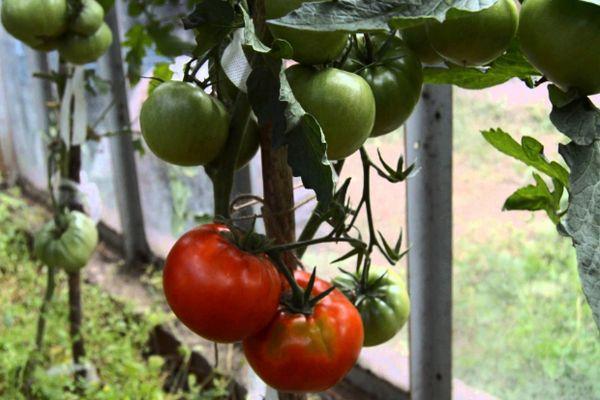
The mid-early Kumir tomato is recommended for growing in open ground and greenhouses. The variety description classifies the tomatoes as determinate. During the growing season, the 2-3-stemmed bushes can reach a height of 1.8-2 m.
The variety's characteristics and description indicate a high yield. With proper cultivation techniques, a single bush can yield 4.5–6 kg of tomatoes. At the recommended planting density, 14–18 kg can be harvested per square meter.
This early tomato variety ripens 100-110 days after germination and continues to bear fruit until late autumn. Based on gardener feedback, it's clear that harvesting times may vary depending on regional climate conditions.
Description of fruits:
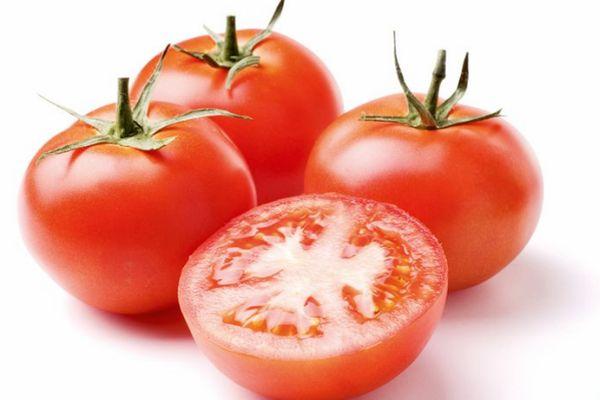
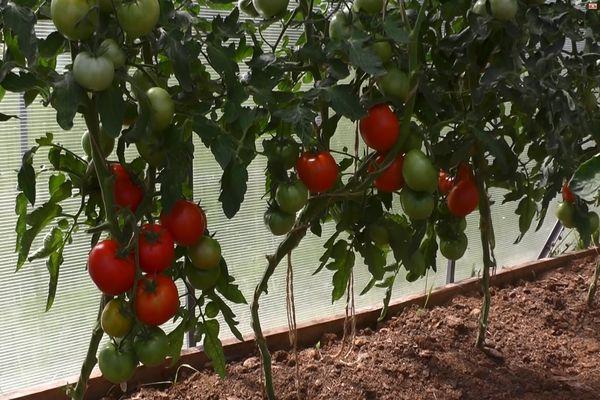
- The tomato fruits, as can be seen in the photo, are large, round in shape, and bright scarlet in color.
- Ripe fruits have a sweet and sour taste and a distinct tomato aroma.
- The tomato weight reaches 350-450 g.
- When cut horizontally, 4-6 chambers with seeds are observed.
In cooking, tomatoes are used in salads, juices, sauces, and pickles. The fruits can be stored for long periods of time and withstand long-distance transportation without losing their marketable appearance.
The plant is resistant to various diseases and pests. During the bush formation stage, the crop requires timely application of mineral fertilizers. The bushes require support.
Cultivation techniques
Tomato seedlings are grown from seeds. Before sowing, it is recommended to remove defective samples by separating them using salted water. To do this, soak the seeds and remove any that float to the surface of the water solution.

For sowing, use pots up to 8 cm deep and fill them with a layer of moistened soil. Firm the soil and add more soil. Plant the seeds at a rate of 1 seed per 1 cm². Top with a 1.5 cm layer of soil. Covering the pots with plastic wrap is recommended to ensure even germination.
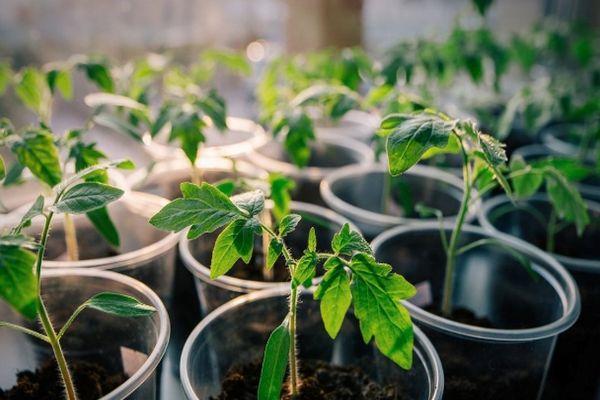
The pot with the seedlings is moved to a warmer location. The emerging sprouts require access to sunlight. It is recommended to extend the daylight hours using special lighting devices.
The shoots should be kept under glass or plastic and watered regularly with a spray bottle. Fresh air is essential for the planting material, so take the tomato pot outside or onto the balcony on a warm, windless day.
Two to three weeks after germination, apply a complex fertilizer. Plants are pricked out in several stages. Once sprouts emerge, they are distributed among containers. After 14 to 20 days, the seedlings are transferred to larger pots.
After the first flower clusters have formed, 45-60 days later, the planting material is transferred to a permanent location. The soil for plant cultivation is prepared in the fall. To stimulate bush formation, the soil is fertilized with compost and ash.
Plants planted in the ground are watered with warm water and fertilized with nitrogen and phosphorus fertilizers. Potassium deficiency and irregular watering can cause blossom-end rot.
Caring for the plant involves periodically removing new shoots, which slow down the plant's growth. During the early stages of plant development, it's important to monitor the growing point to avoid accidentally damaging the plant.
In northern and temperate latitudes, pruning the leaves at the base of the stem is recommended. In hot climates, excessive pruning of tomatoes can cause overheating.
Related posts:
 Growing and caring for hazelnuts in open ground, rules for planting hazelnuts
 Methods for planting and propagating cherries at home
 The best grape varieties for growing in the Urals, planting and care rules in summer
 Description and rules for growing Solaris grapes
 Causes and treatment of eggplant pests and diseases, how to combat them at home
 The best eggplant varieties for growing in a polycarbonate greenhouse: planting and care
 Planting and caring for cherries, feeding and growing rules
 The best methods for growing grapes from seeds at home