
The Azov tomato is an indeterminate variety. The plant has unlimited growth, a strong stem, and produces fruit regularly until the onset of cold weather.
What is the Azov tomato?
Characteristics and description of the variety:
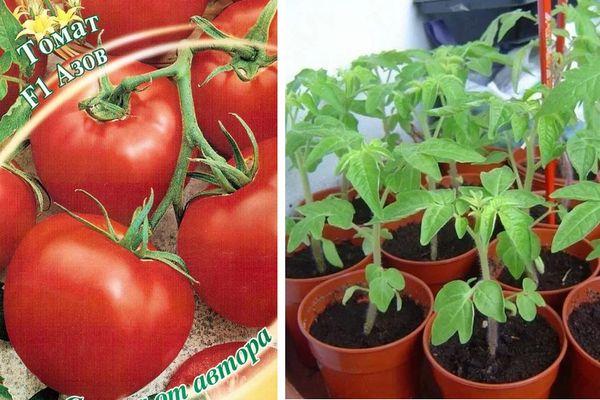
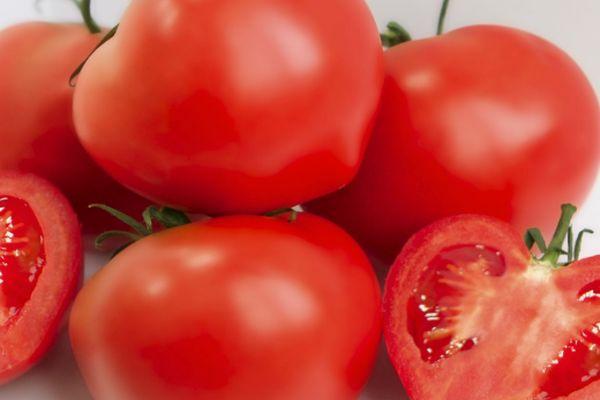
- the fruits are round in shape, have smooth skin and are bright red in color;
- maximum weight of 1 tomato is 160 g;
- The fruits have a sweet and sour taste and are ideal for making salads;
- 5-6 inflorescences are formed on 1 bush;
- Up to 10 kg of harvest is collected from 1 m².
How to grow tomatoes?
Let's look at the specifics of growing the Azov tomato variety. Tomatoes are grown using seedlings. Seeds are sown in late February or early March. To obtain strong seedlings, the seeds are planted in a special substrate containing all the necessary components for normal growth.
Plant at a depth of 1-1.5 cm; instead of direct watering, spray with a spray bottle. Cover the container with the planted seeds with glass or film and place in a warm place. The optimal temperature for germination is 24 to 25ºC.

Once the seedlings emerge, the top cover is removed and the container is placed in a bright location. The air temperature is lowered to 18–20ºC. For active growth, the seedlings require sufficient light.
After 2-3 weeks, when the seedlings begin to develop leaves, they'll need to be pricked out. For transplanting, it's best to choose a container that will allow for easy planting in the ground.
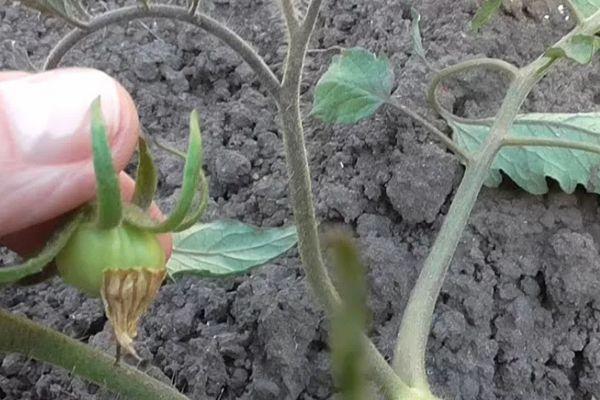
The seedling period lasts until early May. Seedling care involves timely watering, careful soil loosening, and fertilizing. Watering should be infrequent, but avoiding over-watering is also unacceptable.
Let's look at how to care for the plant after planting. To increase yield, tomatoes are trained into a single stem. Given that fruiting continues for a long time, this training will help the root system more easily handle the supply of nutrients. To achieve this, all side shoots and excess vegetation are periodically trimmed from the stem.
Take a look Also

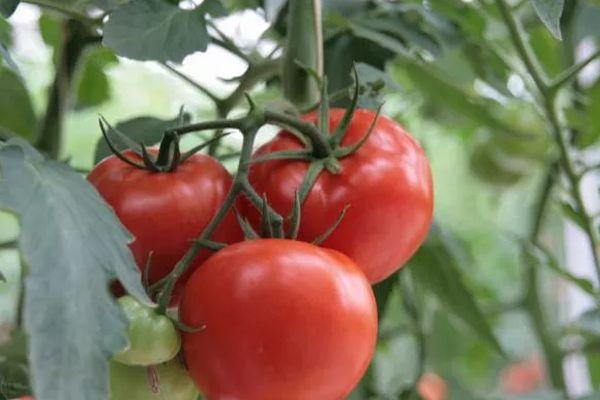
The soil around the roots is loosened, hilled, weeded, and nourished. This is best done after watering. This improves the soil's drainage and promotes healthy plant roots.
Choosing a planting site for seedlings is crucial for their successful growth. No matter how strong the seedlings are, they won't thrive in a spot previously occupied by potatoes, peppers, eggplants, peas, or tomatoes.
The problem is that these vegetable crops suffer from the same diseases, so there's a risk of infection spreading from the soil to the tomatoes. A second, equally important reason is soil depletion.
The vegetables listed use up nutrients from the soil in similar ways, so they are alternated with crops that use up nutrients differently. These include cabbage, cucumbers, zucchini, green onions, carrots, and others.
Plants are tied to stakes or a crossbar. If necessary, the garter is done several times.
Vegetable growers' reviews of this tomato are positive. People praise the seeds from the Gavrish agricultural firm, which boast a 90% germination rate. Gardeners who have grown the Azov variety once often plant it again. They are satisfied with everything about this variety: increased yield, resistance to various diseases, and, most importantly, excellent taste. The variety is easy to grow and thrives outdoors. It tolerates changing weather conditions well. The fruits of this variety make high-quality winter preserves.
Related posts:
 Description of the best tomato varieties for pickling and canning
 Description of the best varieties of black tomatoes for open ground and greenhouses
 Description and characteristics of the best indeterminate tomato varieties for greenhouses
 Description of blight-resistant tomato varieties for open ground and greenhouses
 Description of the best Dutch tomato varieties for greenhouses and open ground
 Characteristics and description of pepper-shaped tomato varieties, yield and cultivation
 Description of the best tomato varieties for open ground and greenhouses in the Krasnodar region
 Description of the best tomato varieties for greenhouses in the Kirov region
