
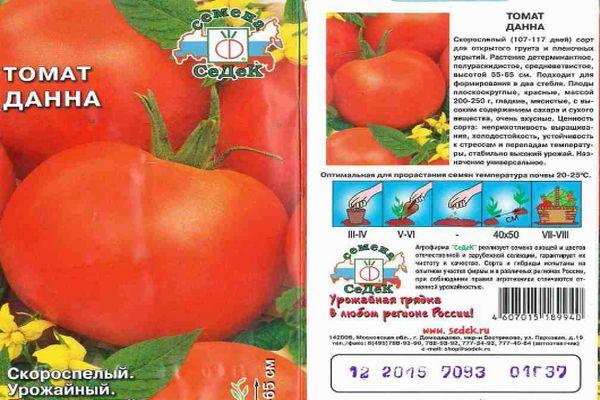
The Danna tomato is a hybrid that is considered an early-ripening, high-yielding variety. This variety can be grown outdoors or in plastic greenhouses. These tomatoes have a pronounced immunomodulatory effect, help regulate heart and vascular function, and alleviate gastrointestinal problems. These tomatoes contain various vitamins essential for the human body.
That's why Dunn tomatoes are used in vitamin-rich salads. They can be eaten fresh, stewed, baked, pickled, and canned.
Characteristics of the variety
The characteristics and description of the Dunn tomato are as follows:
- The plant belongs to the group of semi-spreading determinate shrubs. Its maturation from seed to first fruit occurs within 107-116 days.
- The height of the bush can reach 0.5-0.6 m, so the use of supports is not required.
- The plant has complex inflorescences, with 4 to 5 fruits growing on them.
- The stem has a medium number of leaves and branches.
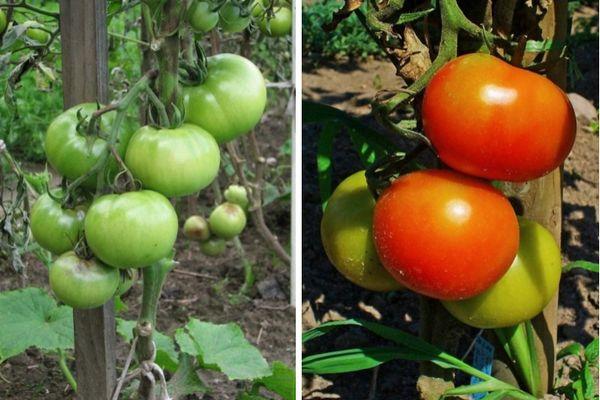
- The fruits of this variety are spherical, red in color, and covered with a thick skin.
- Tomatoes of this type have a sweetish flavor. Fruit weight ranges from 0.2 to 0.25 kg when grown in a greenhouse. Gardeners who grew tomatoes outdoors have seen fruits weighing up to 0.1 kg. Each fruit contains 4 to 7 seed chambers.
- These tomatoes are resistant to sudden temperature changes and can withstand windy weather.
Feedback from farmers who have planted this variety indicates that to obtain a large harvest, it is necessary to train the bush with two stems. Those who planted this type of tomato in open ground in their plots received an average yield of 3 to 3.5 kg of fruit per square meter. When planted in a greenhouse, the yield reaches 6-8 kg of fruit per square meter.

Tomatoes can be grown in small greenhouses, on balconies, or loggias. The variety's cold tolerance allows it to be grown outdoors in the summer in northern Russia.
The largest yield of this tomato variety was obtained in a well-heated greenhouse, reaching 10 kg per square meter. Achieving such a yield in a garden plot is virtually impossible, but with proper agricultural practices, it is possible to obtain up to 5-6 kg of fruit per square meter in a home garden.
Growing tomatoes yourself
To grow seedlings, it's recommended to purchase seeds from seed farms. To ensure proper germination and protection from fungal diseases, soak the seeds in potassium permanganate (20 minutes) or aloe vera juice. After sowing, sow the seeds in trays with pre-loosened, fertilized soil.
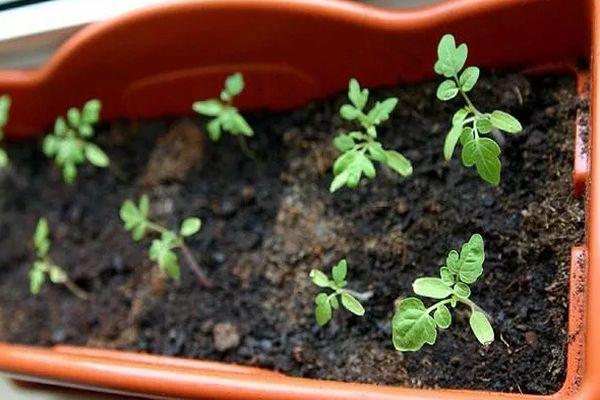
Water daily, but with small amounts. After sprouts emerge, they are pricked out when they have 2-3 leaves. They are planted in permanent beds after hardening off for 2 weeks.
If seedlings can be purchased, they are hardened off and planted under plastic film when the soil is well warmed and the plants are not at risk of sudden temperature changes. This usually occurs in late March.
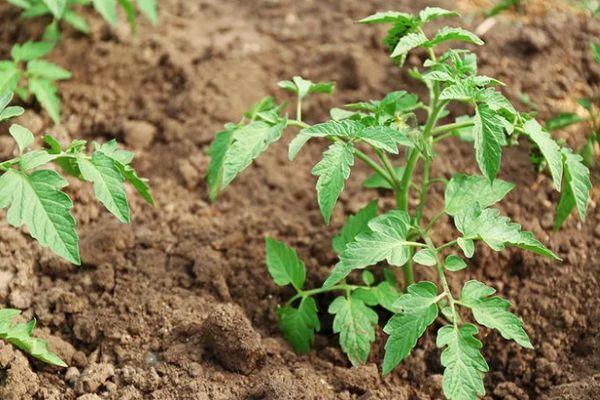
Before planting the stems, it is recommended to loosen the soil and add organic fertilizer (peat, manure). The first watering of the plants should be done 10 days after transplanting them to the garden bed. The planting pattern is 0.5 x 0.25 m.
Plants are fertilized with superphosphate when fruit sets. Although the variety has moderate disease resistance, it is recommended to treat the tomato leaves with Fitosporin. It is necessary to water the bushes with warm water in time, weed out the weeds, and loosen the soil under the bushes. If this is not done, the harvest will decrease by 30-40%.

If tomatoes are attacked by garden pests (Colorado potato beetle, caterpillars of various insects, aphids), they must be destroyed using chemical poisons.
Related posts:
 Description of the best varieties of black tomatoes for open ground and greenhouses
 The best eggplant varieties for growing in a polycarbonate greenhouse: planting and care
 Description of the tomato. The right size and growing a hybrid variety yourself.
 80 Best Eggplant Varieties for Different Regions with Descriptions and Characteristics
 Description of the Kibitz hybrid tomato and how to grow seedlings yourself
 Technical data for the Sharada tomato and how to grow it yourself
 Description and characteristics of Anyuta tomatoes, yield and cultivation
 Description of the Amur Tiger tomato and how to grow it yourself