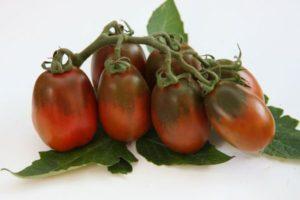
The "Nuzhny Razmer F1" tomato is a mid-season hybrid. It is intended for open-field cultivation in southern Russia. In central Russia, Siberia, and the Far North, this variety is recommended for cultivation only in greenhouses and well-heated greenhouse complexes.
Technical data of the plant and its fruits
The characteristics and description of the Required Size tomato variety are as follows:
- The growing season from the first shoots to the appearance of fruits lasts from 100 to 120 days.
- The plant's bush reaches a height of 1.6 to 1.8 meters when grown outdoors. When grown in a greenhouse, the tomato plant grows up to 200 cm. To prevent the hybrid's branches from breaking due to the heavy fruit, they are tied to sturdy supports or trellises.
- The bushes have numerous leaves, colored dark shades of green.
- The inflorescences are simple. 2-5 tomatoes develop on a cluster.
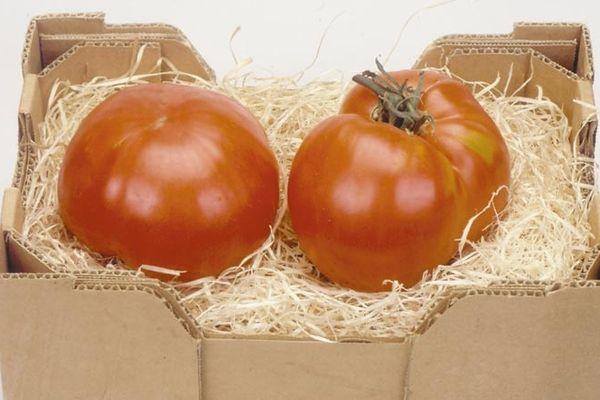
- The description of the variety continues with the shape of the fruit. They have small indentations near the stalk. Small ribs can be seen on the spherical surface of the berry.
- The weight of berries grown outdoors ranges from 450 to 550 g. There are descriptions of fruits grown in greenhouses that indicate berries weighing 0.8 to 0.9 kg, provided all cultivation practices are followed. Breeders believe that under ideal conditions, the hybrid can produce berries weighing up to 1.0 kg.
- Ripe fruits are colored in shades of red and pink. The berries contain few seeds.
Reviews from gardeners growing this variety indicate that berries can yield 4-5 kg per bush. Farmers note that the plants tolerate sudden temperature fluctuations well. The hybrid is resistant to virtually all nightshade diseases (cladosporiosis, tobacco mosaic virus, fusarium wilt). The hybrid produces fruit even under unfavorable climatic conditions.
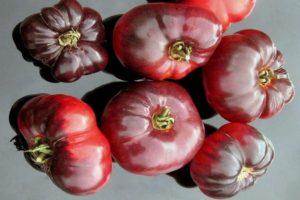
Tomatoes are used fresh and are suitable for salads, juices, various marinades and sauces.
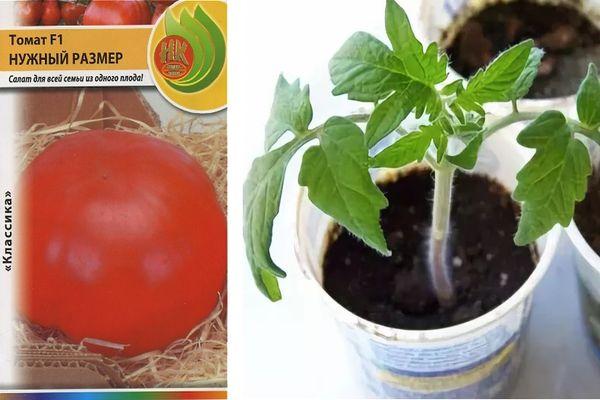
The disadvantage of this variety is the need to remove side shoots, which means it is impossible to grow tomatoes for seed production.
Growing tomatoes yourself
After purchasing the seeds, it's recommended to treat them in a weak solution of potassium permanganate. This will strengthen the plant's immunity. Even a novice gardener can grow them to the desired size. However, this requires following the breeders' recommendations.
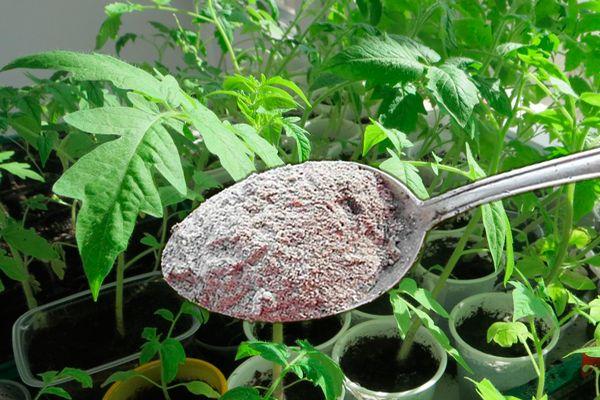
Seeds for seedlings are planted in boxes with soil mixed with peat or humus. After germination (7-8 days), wait until 1-2 leaves appear, then transplant. After this, the seedlings are hardened off for 7 days.
The area where the bushes are being transplanted should be treated with copper sulfate. Then, add fertilizer (manure, peat) to the soil. After this, the plants can be planted in the beds.
To do this, loosen the soil, make holes in it, and fill them with water. Plant the bush. After watering the plant generously with warm water, compact the soil around the tomato roots.
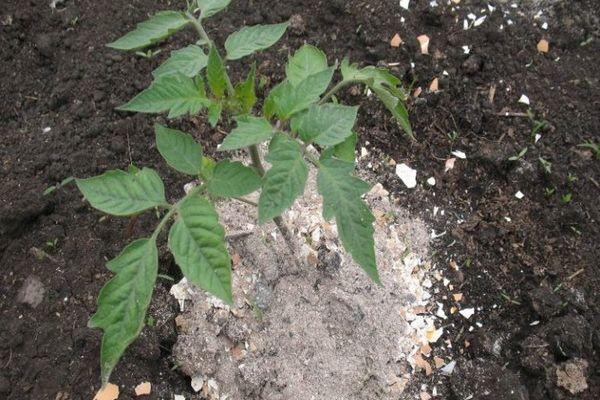
To ensure normal plant growth, you need to weed the beds twice a week and inspect the tomato leaves for any signs of disease.
The recommended planting format is 0.5 x 0.5 m. The soil for planting seedlings should be fertile with a neutral acidity.
Fertilize the bushes with mineral and organic fertilizers three times per season. Fertilize first 10 days after planting the seedlings, then when the plants bloom, and then when the first fruits appear.
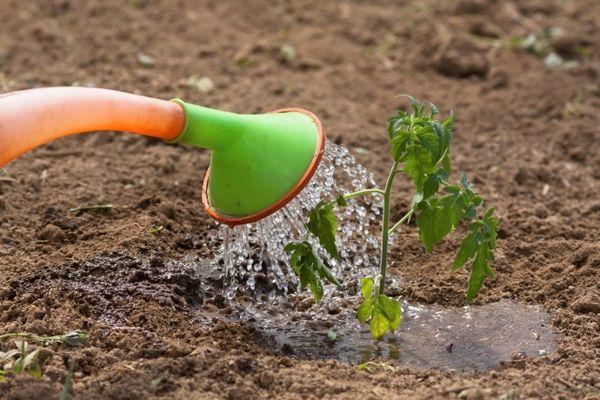
Tomatoes should be watered with warm water twice a week. This should be done early in the morning before sunrise. Farmers should also be vigilant to prevent pests from appearing on the tomato leaves.
The most common pests that attack bushes are aphids and Colorado potato beetles, and various caterpillars may also appear. Various parasites develop on the roots. Slugs can also damage the plants. To combat insect infestations, various chemicals, ash flour, and soap solution are used. Poisonous agents are applied to the leaves and stems of the tomato, and ash is added to the soil near the roots.
Related posts:
 The best eggplant varieties for growing in a polycarbonate greenhouse: planting and care
 Description of the best varieties of black tomatoes for open ground and greenhouses
 80 Best Eggplant Varieties for Different Regions with Descriptions and Characteristics
 Top 40 DIY New Year's Baking Recipes for 2020
 Methods for planting and propagating cherries at home
 The best grape varieties for growing in the Urals, planting and care rules in summer
 The health benefits and harms of cherries, rules of consumption, and their effects on the body
 The health benefits and contraindications of black currants
Take a look Also