
The Chocolate Bunny tomato variety is a Bulgarian selection. Domestic gardeners have been growing it for several years now, and the feedback has been overwhelmingly positive.
General characteristics of the plant
The bushes are semi-determinate varieties and can grow no more than 1.2 m in height, but are distinguished by their extended fruiting pattern. A characteristic feature of the plant is its tendency to produce numerous lateral shoots, which requires constant monitoring and timely side shoot removal.
If a vegetable grower fails to remove side shoots in time, they should not remove shoots longer than 10 cm. To avoid crowding the bush, allow the side shoot to develop a single flower cluster, then pinch off the top. This procedure does not damage the plant and slightly increases the bush's yield.
When grown outdoors, it's recommended to train the plant into 1-3 stems. Each stem should be provided with its own support. When grown in a greenhouse, train the bushes into a single trunk.

Staking is necessary due to the abundant fruit production. The clusters are so heavy that they can cause the plants to lodge and spoil the harvest. Fruit clusters vary in size: they can be double or branched, each bearing 12-15 fruits of approximately equal size.
Chocolate Bunny tomato fruits
The variety description in plant catalogs calls the Chocolate Bunny tomato plum-shaped. This description only reflects the tomato's external characteristics. However, the fruits also have the following qualities:
- dense brown-red skin;
- average weight 45-50 g;
- alignment of all ovaries in the brush.

These qualities make Chocolate Bunny tomatoes ideal for whole-fruit canning. Their unusual dark color lends a decorative appearance to the preserves.
The fruit's dense, thick skin ensures good preservation of the harvest even during temperature fluctuations and prolonged rainfall after the hot season. The tomatoes are resistant to cracking and are resistant to late blight and fusarium. When canned, the skin does not burst under heat.

Chocolate Bunny tomatoes have firm flesh and a pleasant, sweet flavor, typical of all dark tomatoes. They have a distinct, tomato-like aroma. When grown outdoors during rainy summers, the fruits may develop an overly sour taste, but this doesn't prevent them from being used as a salad vegetable.

Clusters form every 2-3 leaves. Fruiting begins in mid-July, 100-120 days after germination. Tomatoes bear fruit until frost in open ground, but in greenhouses, vegetation can continue until the end of September, even in Siberia.
Agricultural technology of the Chocolate Bunny variety
For mid-season tomatoes, which include the Chocolate Bunny tomato, only seedlings are suitable in most regions of Russia. Seeds can be sown in late March or early April. The soil should be moistened, the seeds should be scattered, and then covered with dry soil or sand to prevent a crust from forming, which would impede germination. Cover the container with glass until the seedlings emerge.
Ten to fifteen days after germination, the seedlings should be spaced 7x7 cm apart. Plant in the ground in late May or the first ten days of June, once the risk of frost has passed. Seven to ten days after planting, fertilize the tomatoes with a complex mineral fertilizer. Do not use fresh organic fertilizers (such as solutions of bird droppings, mullein, and others).

After the formation of 1-2 flower brushes, fertilizing is carried out with solutions of fertilizers containing phosphorus and potassium (Superphosphate, Potassium sulfate) or special fertilizers for nightshade crops, for example, Signor Tomato.
When the first ovaries appear on the plant, all the leaves located below this brush must be removed so that more nutrients reach the fruits. This measure promotes rapid ripening of tomatoes. As fruit sets on subsequent clusters, leaf removal continues.
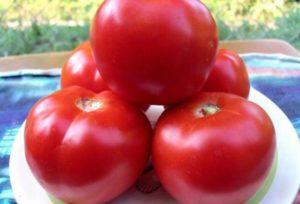
In August, pinch the top of the bush to limit stem growth and allow the last fruits to form before the cold weather sets in. If they don't ripen, they are picked when green or brown and artificially ripened in boxes in a dark place.
The Chocolate Bunny tomato variety is not a hybrid. Therefore, plants grown from seeds selected by the gardener from their own harvest retain all the qualities of the mother plant. By leaving the fruits from the most successful plants to grow, you can consistently obtain high yields of neat, small, and firm fruits.
Related posts:
 Description of the best varieties of black tomatoes for open ground and greenhouses
 Description and characteristics of the Chocolate tomato variety, cultivation technology
 Characteristics and description of the Chocolate grape variety, planting and care
 TOP 17 recipes for pickled sweet tomatoes for the winter
 The 14 Best Tomato and Aspirin Recipes for a 3-liter Jar for the Winter
 Recipes for amazing tomatoes in jelly for the winter, with and without sterilization, you'll lick your fingers
 Description of the Kishmish tomato and its characteristics, yield
 The best eggplant varieties for growing in a polycarbonate greenhouse: planting and care
I've been growing this variety for two years now and have already fallen in love with it. First and foremost, it's the taste—the tomatoes are sweet, plump, and aromatic. They don't turn into a watery mess in salads. The yield is decent, but I was able to achieve a very high yield by using a bio-growth activator. BioGrow.