
The Spasskaya Tower tomato was developed by Russian breeders and officially registered only recently. This variety combines all the best qualities of tomatoes, including their resistance to extreme temperature fluctuations and ability to tolerate limited daylight hours. At the same time, the new hybrids retain their flavor and yield.
Description of the variety
Despite its short cultivation history, the Spasskaya Tower variety has earned many positive comments from gardeners and farmers. This tomato is considered a unique vegetable, as it produces a large number of delicious fruits with minimal care.
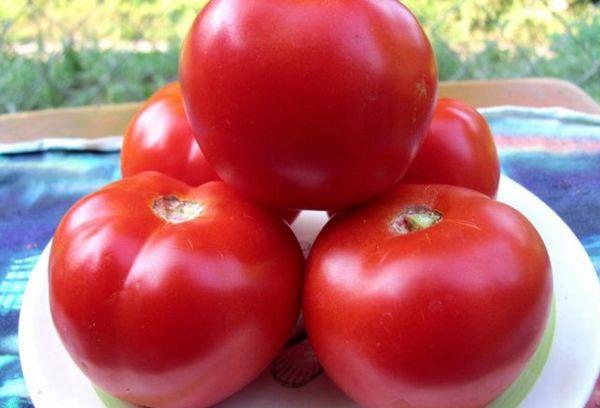
The bush's structure is interesting and befits its name. The fruits are arranged on a medium-sized, 1.5-meter-tall stem, forming a tower, just like the Spasskaya vine.
The tomato's root system is underdeveloped, and stem growth is limited. As a standard variety, it requires support, otherwise the shoots will break under the weight of the fruit.
The description of the tomato is as follows:
- The fruits are formed in clusters of 5–6 fruits each.
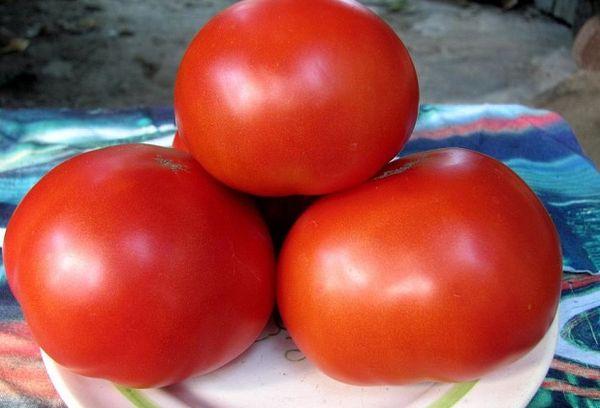
- The weight of one fruit reaches 500 grams, rarely more.
- The color is rich pink with a reddish tint.
- The taste is truly tomato-like, sweet with a slight sourness.
- The skin is elastic and does not burst during transportation.
The Spasskaya Tower variety is highly productive. A single bush can yield up to 8–10 kilograms of ripe tomatoes. The tomatoes are ready to be harvested 95–115 days after germination.
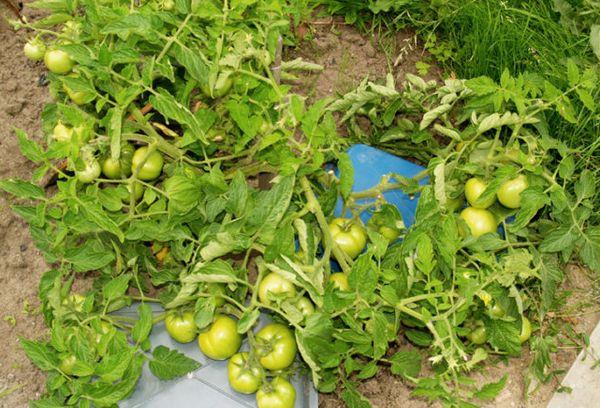
Growing
The seedling method is the most popular for growing Spasskaya Bashnya F1 tomatoes. It's better and more reliable to grow them yourself than to buy them from private sellers.
65 days before planting tomatoes in open ground or a greenhouse, plant seeds in Containers with loose, fertile, neutral soil. Before planting, the seeds undergo the following procedure:
- soaking in a one percent solution of potassium permanganate;
- treatment in a solution of liquid fertilizers such as Agricola or Effecton for an hour;
- hardening in the refrigerator for 2 days.
The soil mixture is prepared from equal parts humus and garden soil. Add 1 teaspoon of each fertilizer to a bucket of substrate: superphosphate, potassium sulfate, and urea. To disinfect the soil, pour boiling water over it or bake it in the oven for 25 minutes. After disinfection, allow the soil to settle for a week to become infused with beneficial microorganisms.
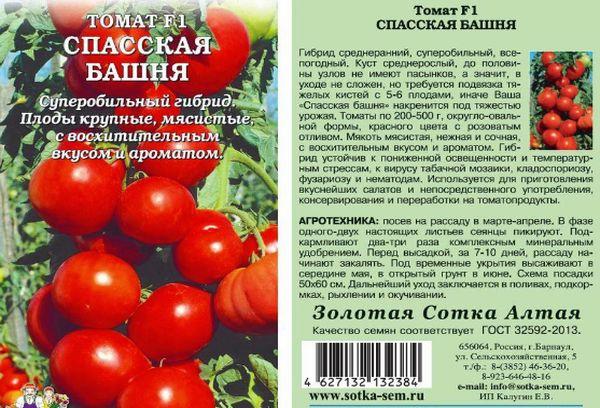
Sow tomato seeds 2 centimeters apart, planting them 1 centimeter deep.
For two months, the seedlings need to be provided with:
- air temperature 18–22 degrees;
- humidity within 75–80 percent;
- daylight hours at 12 o'clock;
- regular watering;
- application of organic and mineral fertilizers 1–2 times.
If the seedlings develop in a box, they are transplanted into individual containers when 2 true leaves appear.
By the time they're planted in the ground, the seedlings shouldn't be overgrown. Ideally, the stems should be strong and have up to 8 true leaves. Healthy seedlings should have uniformly green stems and leaves, free of brown spots.
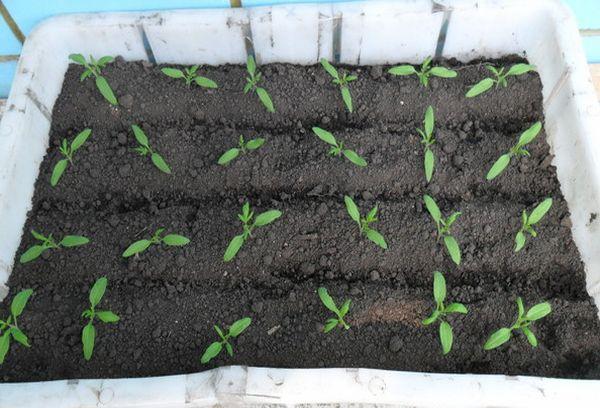
Prepare the tomato planting area in advance. It should be in a well-lit spot. In the fall, dig the soil, adding a bucket of compost, 50 grams of superphosphate, and up to 20 grams of potassium fertilizer per square meter.
The best predecessors for the Spasskaya Tower tomato are cucumbers, onions, and cabbage. Fifteen days before planting, take the tomato seedlings outside to harden them off. In May, you can begin transplanting the seedlings into the garden bed. For this, prepare holes measuring 30 x 30 x 30 centimeters. Add 500 grams of humus and 50 grams of wood ash. Mix everything thoroughly with the soil.
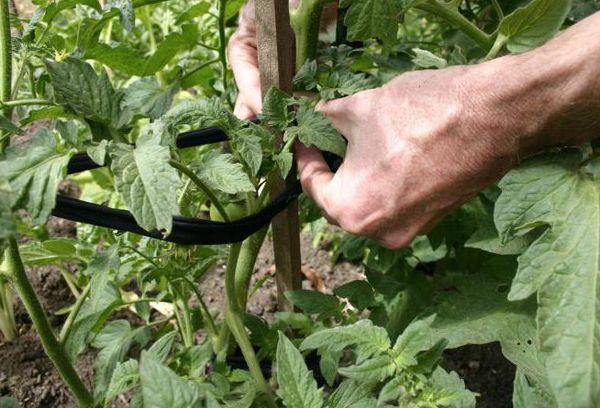
The seedlings are carefully transferred into the hole, covered with a layer of soil, and watered with 2–3 liters of water per plant. Planting the seedlings at an angle is recommended to promote a stronger, more robust root system. Maintain a distance of 60–70 centimeters between plants. It's best to tie the plants up immediately to prevent them from falling over.
Care Features
The Spasskaya Tower variety requires the same care as other tomatoes. However, the yield will be better if:
- water the plants at the roots with warm water in the amount of 1 liter per bush;
- moisturize once a week;
- control weeds by weeding or mulching the soil;
- apply organic and mineral fertilizers every 2-3 weeks, with the obligatory inclusion of potassium;
- form bushes into 2–3 stems, removing excess shoots;
- tie to a support 3-4 times during the summer.
If you're growing this variety in a greenhouse, the care is the same. The only thing you need to do is monitor the room temperature so it doesn't rise above 30 degrees Celsius. Otherwise, the buds will fall off. The greenhouse should be regularly ventilated. It's best to build a trellis for staking.

Advantages and disadvantages
Vegetable growers' reviews of the Spasskaya Tower tomato variety are replete with positive aspects:
- The fruits ripen quickly and are ready for consumption at the beginning of August.
- The hybrid tolerates all climate conditions well. It continues to grow and bear fruit in hot and cold weather.
- The vegetable is disease-resistant. It has developed immunity to fusarium, cladosporiosis, and nematodes.
- Tomatoes ripen both in open areas and under film coverings.
- The yield does not depend on the level of illumination.
- These delicious tomatoes are perfect for summer salads, slicing, and winter preserves. They retain their integrity in marinades and brines.
- Tomatoes stay fresh for a long time after harvesting.

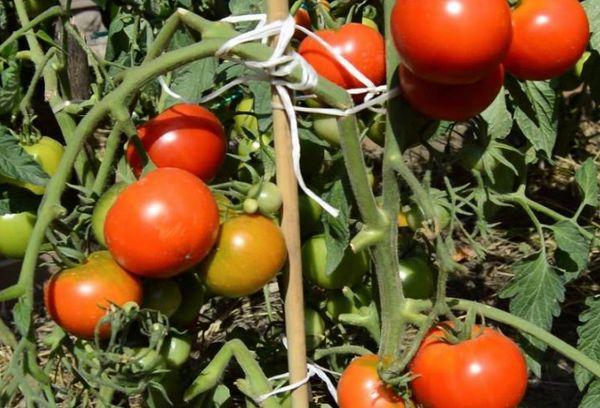
Many use Spasskaya Tower tomato plants as ornamental plants. They are tied to form an arch adorned with clusters of large, red fruits.
No disadvantages have been noted for this variety yet. You cannot collect seeds from a tomato because it is a hybrid.
Pests and diseases
Spasskaya Tower is most often affected by late blight, a fungus common in the Solanaceae family. If you constantly plant tomatoes in the same spot or after potatoes, the disease is inevitable.
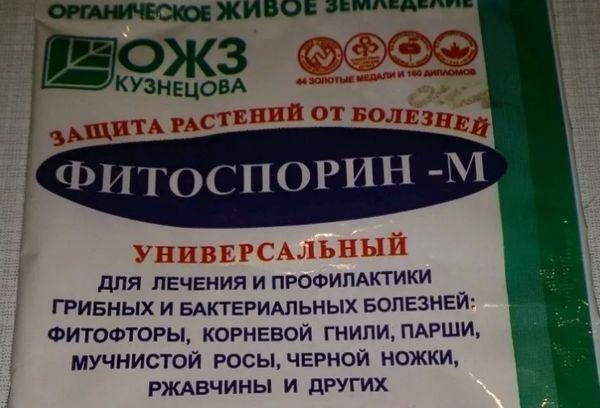
The fungus attacks leaves, stems, and fruits. Tomatoes rot, and the harvest cannot be saved. To prevent the risk of late blight, spray the plants with Fitosporin. As a preventative measure, treat the seedlings with a Bordeaux mixture solution 10 days after planting. Repeat the treatment 10 days later.
If proper vegetable cultivation practices are followed, pests rarely appear on tomatoes. The only problem is slugs, which feed on the plant's tender foliage during wet summers. Colorado potato beetles often appear in tomato beds if there is a potato field nearby. Sometimes, the Spanish beetle and its larvae can destroy the crop. Insecticides are the best pest control method.
Harvesting and storage
Ripe tomatoes from the Spasskaya Tower variety should be picked regularly. This will help the remaining tomatoes ripen faster. If some tomatoes don't ripen in time, they should be placed in boxes and kept in a room with a temperature of 22–25 degrees Celsius.
Large fruits always have a place in the summer diet. They're added to salads, used to make wonderful main courses, and stuffed foods. But in winter, they're also used to make juice, sauces, and ketchup. They're good tomatoes in gelatin, in its own juice.
Fresh tomatoes are used until November, as they have a long shelf life.

Gardeners' reviews
Vladimir, Omsk: "Planting and growing tomatoes is the best relaxation for me. I always keep up with new breeding innovations. A year ago, I bought Spasskaya Tower tomato seeds. The variety surprised me with its appearance. And I picked so many delicious fruits from the bush! There were enough for our family and even for the neighbors. The tomatoes have excellent flavor. This is the second year I've bought seeds of this hybrid."
Natalia, Krasnodar Krai: "Varietal tomatoes are delicious, but I love hybrids. They're disease-resistant and easy to grow. I recently discovered a new variety – Spasskaya Tower. It's an amazing plant. The tomatoes hang in red clusters on the stem. Beautiful! Tomato plants become the main attraction of the garden. The fruits are sweet, have few seeds, and are fleshy. Everyone loves the large tomatoes. I slice them every day, and we eat them all quickly. I use them to make tomato juice for the winter and ketchup. They're a miracle, not a tomato: both the plant itself and the fruits."
Related posts:
 Description of the best varieties of black tomatoes for open ground and greenhouses
 The best grape varieties for growing in the Urals, planting and care rules in summer
 What varieties of tomatoes are best to plant in a polycarbonate greenhouse?
 Description of the best varieties of cluster tomatoes and growing rules
 TOP 17 recipes for pickled sweet tomatoes for the winter
 Delicious recipes for canned tomatoes with honey for the winter, preparation steps
 The best eggplant varieties for growing in a polycarbonate greenhouse: planting and care
 Step-by-step technology for growing tomatoes on the balcony, the best varieties with descriptions