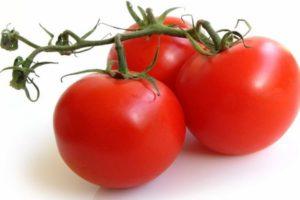
The Thumbelina tomato can be grown not only in a plot of land but also on an apartment balcony. This variety is easy to care for.
What is a Thumbelina tomato?
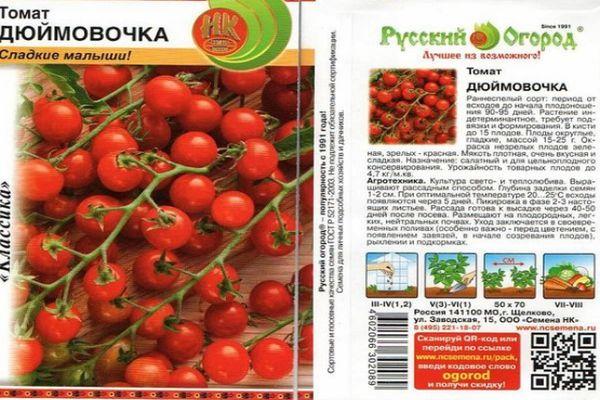
Characteristics and description of the variety:
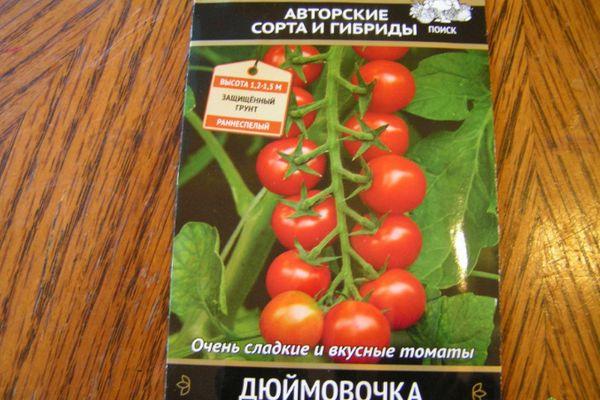
- The Thumbelina tomato variety is an early-ripening variety, designed for indoor cultivation. The plant grows to 1.5-1.6 m.
- From the emergence of seedlings to the ripening of the crop, 91-96 days pass.
- Thumbelina tomatoes are small in size, weighing only 15-20 g.
- One brush grows up to 10-14 tomatoes.
- The fruits are round in shape and have a shiny, dense skin.
- Cherry tomatoes have excellent taste.
- A 1 m² plot can yield 4.5 kg of tomatoes. The fruits can be eaten fresh, used in salads, pickled, and marinated.
Benefits of tomato:
- Self-pollination of the plant, which is important if the tomato is grown on a balcony.
- Resistant to diseases such as powdery mildew, root rot.
- Simultaneous ripening of fruits.
A disadvantage is its lack of tolerance to temperature fluctuations. This variety is sensitive to cold, so it is grown only in a greenhouse. If the plant is grown on a balcony, avoid overwatering, as this will encourage the growth of side shoots. Reviews from those who have planted these tomatoes are positive.
How to grow tomatoes?
The Thumbelina variety can only be grown from seedlings. Sow the seeds in a potting mix. You can prepare the soil yourself. To do this, take soil from your garden and add humus, sand, and mineral fertilizer. Afterwards, bake the soil in the oven to disinfect it. The seeds also need to be prepared. Place them in a weak solution of potassium permanganate for 3-4 minutes. Then rinse with water and place them in damp gauze bags for 2-3 days to germinate.
The bags should be kept in a warm place; the gauze should not dry out; it should be lightly moistened periodically with a spray bottle. After the seeds have sprouted, they are planted in soil. A layer of soil is added to the container, followed by a special soil layer. Furrows 1 cm deep are made in the soil. The seeds are planted in these furrows, spaced 2 cm apart. Then, soil is sprinkled on top. After this, the container should be placed in a warm place, where the temperature is between 20 and 25ºC. Cover the container with plastic wrap. The sprouts will germinate in 5-6 days.

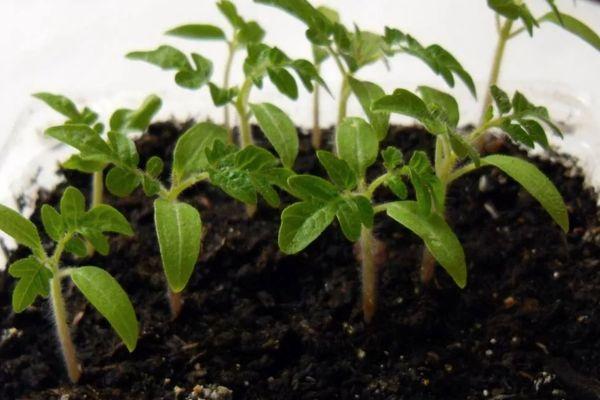
Once the seedlings emerge, remove the plastic film. If there's insufficient light, install phytolamps. Once the sprouts have two leaves, transplant them into individual pots. This promotes proper root development. The pots shouldn't be too large, as this can encourage fungus growth in the soil. After transplanting the seedlings into separate containers, they need to be placed in the shade for 2-3 days.
After 1.5 weeks, begin acclimating the seedlings to cold temperatures. Fertilize the seedlings for the first time 1.5 weeks after transplanting. You can use special complex fertilizers or make your own. To do this, take 10 liters of water, add 12 g of potassium sulfate, 4 g of urea, and 35 g of superphosphate.
After fertilizing, water the soil. Don't allow water to stagnate; water as the soil dries. If the seedlings have stretched too much, you can replant them in a larger container.
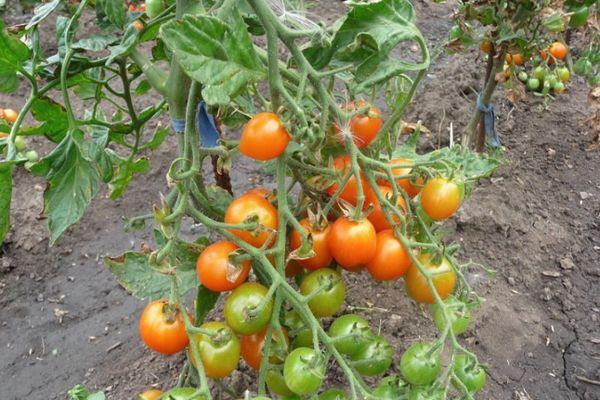
Further cultivation takes place in greenhouse conditions. The seedlings are transplanted into greenhouses 40-50 days after emergence. This is best done in mid-May. The soil should also be prepared. It is advisable to fertilize the soil in the fall. To do this, dig the soil and add compost (4-6 kg of compost per 1 m²). When planting, maintain a distance of 60-70 cm between seedlings. The bushes should be tied to a support.
The plant is trained into 2-3 stems to ensure a good harvest. The bushes grow up to 1.5 m. Care consists of tying the branches, removing side shoots, and loosening the soil. Fertilizer is applied during flowering, ovary formation, and fruit set. Organic fertilizers containing peat and humus, as well as inorganic fertilizers (such as Universal 2), can be used.
This variety is disease-resistant. However, poor ventilation in the greenhouse can lead to the development of tobacco mosaic virus. The bushes can also be attacked by aphids and thrips. If pests appear, treat the plant with 10% whey diluted with micronutrient fertilizer. As a preventative measure, the top layer of soil can be replaced.
Related posts:
 The best grape varieties for growing in the Urals, planting and care rules in summer
 How to propagate and grow peas, cultivation technology, and care in open ground
 Methods for planting and propagating cherries at home
 Carrot care guidelines for outdoor cultivation to ensure a good harvest
 How to properly plant peas in a greenhouse and open ground
 Description of varieties of sowing peas and cultivation, to which family they belong
 The best recipes for freezing vegetables at home for the winter
 Descriptions of the 20 best cherry varieties for the Moscow region, their planting and care